
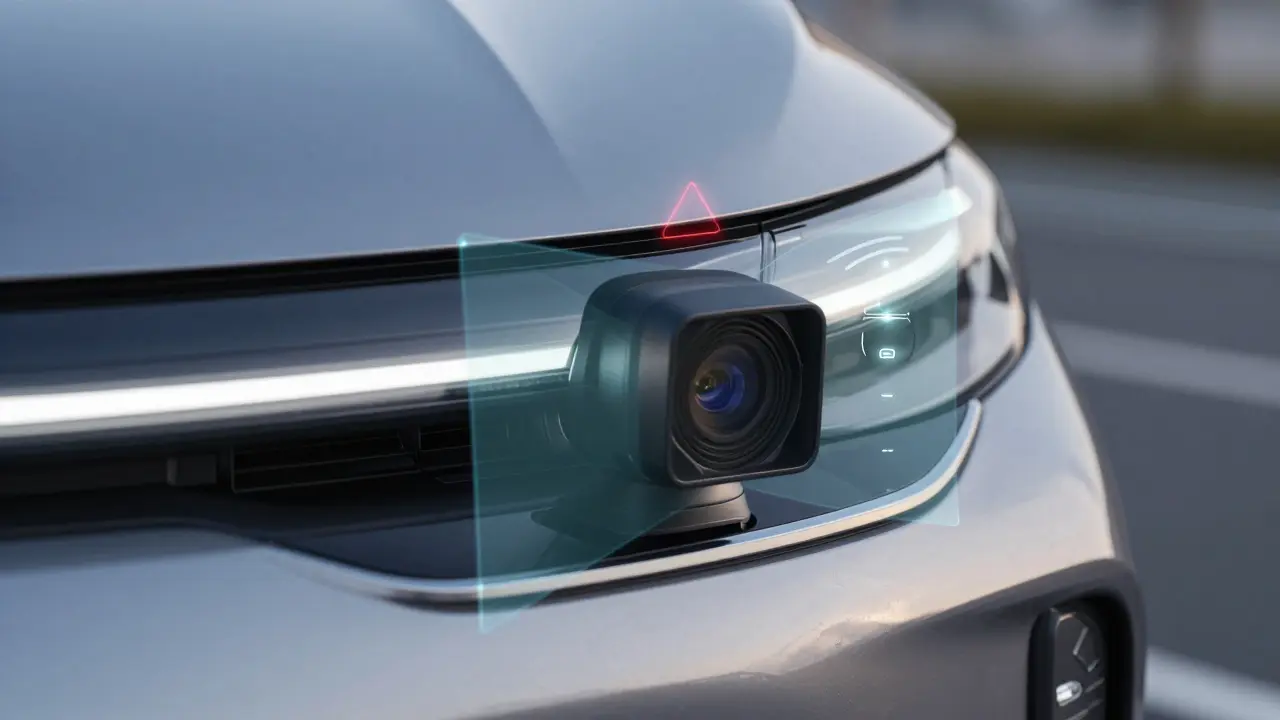
Imagine your car’s automatic emergency braking system fails to stop you because a sensor is misaligned by just a few degrees. Or worse, the lane-keeping assist nudges you into oncoming traffic when you’re simply trying to change lanes. These aren’t hypothetical scenarios from a sci-fi movie; they are real risks associated with Advanced Driver Assistance Systems (ADAS). As vehicles become smarter, the line between a mechanical failure and a software glitch blurs, leading to a new wave of safety concerns that traditional mechanics can’t always fix.
In 2026, we are seeing a surge in ADAS safety recalls that don’t require a trip to the dealership for a part replacement but instead demand precise software updates or recalibration. Understanding how these fixes work is no longer optional-it’s essential for keeping your family safe on the road. This guide breaks down why these recalls happen, what they mean for your vehicle, and how to ensure your system is functioning correctly.
What Are ADAS Safety Recalls?
To understand the recall, you first need to understand the technology. Advanced Driver Assistance Systems (ADAS) are a suite of electronic technologies that help drivers avoid accidents by providing warnings or automatically intervening in critical situations. These systems rely heavily on sensors-cameras, radar, and lidar-to "see" the world around the vehicle.
Unlike traditional recalls where a physical part, like an airbag inflator or a fuel pump, was defective, many modern ADAS recalls stem from software bugs or calibration errors. A software update might be needed because the algorithm misinterprets data under specific lighting conditions, such as bright sunlight reflecting off a wet road. Alternatively, a calibration recall might occur if a previous repair, like replacing a windshield, shifted the camera’s angle slightly, causing it to "miss" objects ahead.
The National Highway Traffic Safety Administration (NHTSA) has been tracking these issues closely. In recent years, millions of vehicles have been recalled not because their brakes failed, but because the computer controlling the brakes received incorrect data. For the driver, the experience is similar: you get a notification, you take the car in, and the issue is resolved. But the underlying cause-and the fix-is fundamentally different.
Why Software Updates Are Critical for Safety
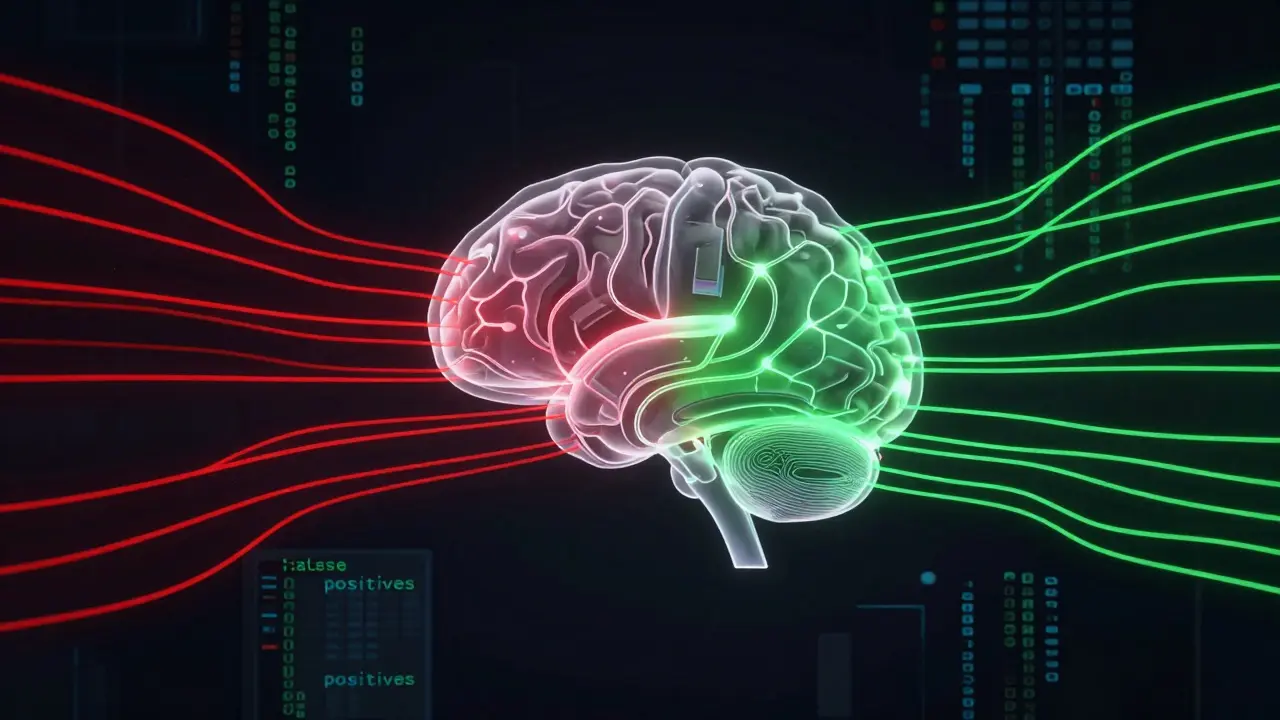
Software is the brain of your modern vehicle. It processes inputs from dozens of sensors and makes split-second decisions. When a manufacturer issues a software update for ADAS, they are often patching a vulnerability or refining an algorithm.
Consider the case of false positives. A common issue in earlier versions of automatic emergency braking (AEB) was the system mistaking shadows, bridges, or debris for obstacles, causing sudden, unnecessary stops. A software update can retrain the neural network behind the system to better distinguish between harmless objects and genuine threats. Without this update, the system remains unreliable, potentially causing rear-end collisions due to abrupt braking or failing to brake when it actually should.
Another critical area is cybersecurity. As cars connect more to the internet via over-the-air (OTA) capabilities, they become targets for hackers. While less common than functional bugs, security patches are also part of software updates. A compromised ADAS system could theoretically be manipulated to disable safety features, posing a severe risk to occupants and other road users.
- Algorithm Refinement: Improving how the car interprets complex scenes, reducing false alarms.
- Bug Fixes: Resolving crashes or freezes in the infotainment or safety modules that could distract the driver.
- Performance Optimization: Ensuring the system responds faster in high-speed scenarios.
These updates are not just about convenience; they are about maintaining the integrity of the safety net that ADAS provides. Ignoring a software recall leaves your vehicle running on outdated logic, which may no longer meet current safety standards.
The Importance of ADAS Calibration
If software is the brain, calibration is the eyesight. Every ADAS sensor must be perfectly aligned to provide accurate data. This is where ADAS Calibration comes into play. It is the process of aligning and adjusting the vehicle's sensors to ensure they provide accurate data to the car's computer.
Calibration is often required after any event that affects the position of the sensors. This includes:
- Windshield replacement (since the front-facing camera is usually mounted behind the glass).
- Collision repairs, even minor ones involving the bumper or fenders.
- Tire rotations or suspension adjustments that change the vehicle’s height or wheel alignment.
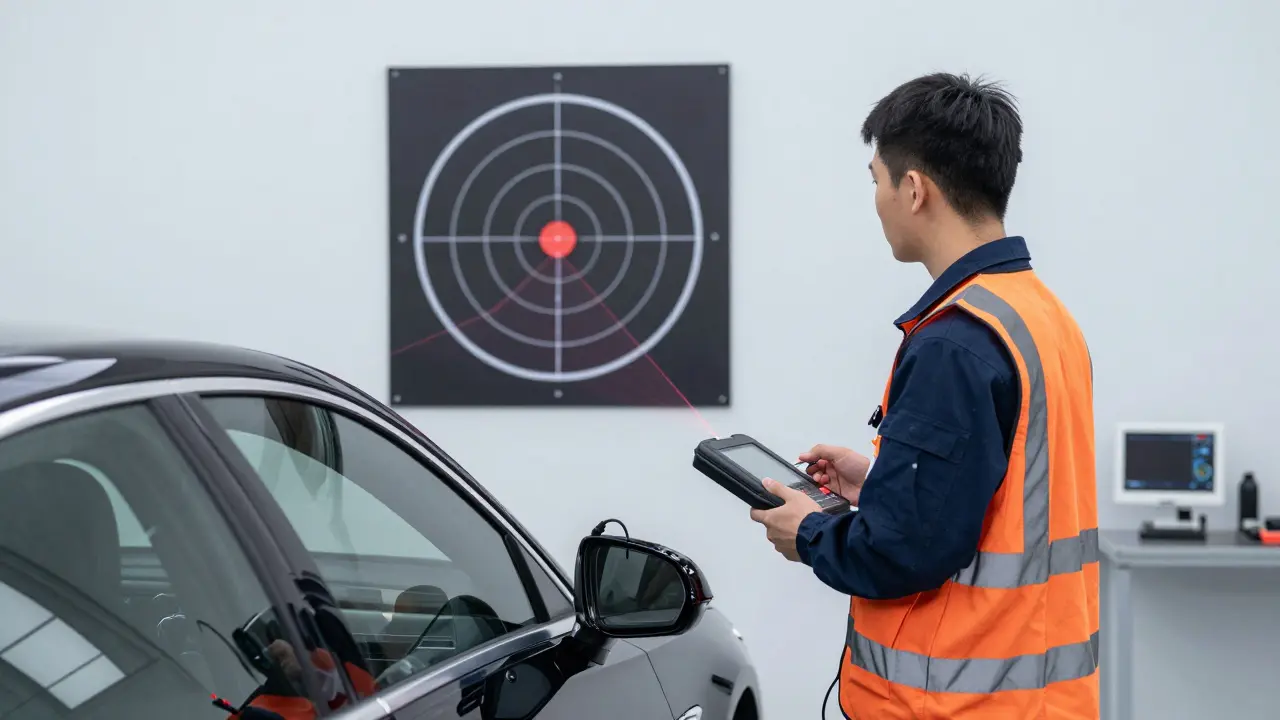
There are two types of calibration: static and dynamic. Static calibration involves using specialized equipment in a controlled environment, like a garage with specific target patterns placed at exact distances. Dynamic calibration requires driving the vehicle on a straight road under specific conditions so the system can self-calibrate based on real-world data.
A recall related to calibration often means that the factory settings were found to be suboptimal for certain regions or driving conditions. For example, a radar sensor might have been calibrated to ignore small objects, which is good for highways but dangerous in urban areas with cyclists. A recall would update the calibration parameters to make the system more sensitive in low-speed environments.
How to Identify If Your Vehicle Is Affected
Not every vehicle gets recalled, and not every warning light means you’re part of a recall. However, staying informed is crucial. Manufacturers are legally required to notify owners of safety recalls. You will typically receive a letter in the mail, but these can sometimes get lost or end up in spam folders if you’ve moved recently.
The most reliable way to check is through the NHTSA website or the VIN lookup tool provided by your vehicle manufacturer. Enter your Vehicle Identification Number (VIN), and the system will tell you if there are any open recalls, including those for ADAS software or calibration.
Be wary of third-party websites that claim to offer "free" recall checks but then try to sell you extended warranties or service plans. Stick to official sources like NHTSA.gov or your dealer’s portal. If you find an open recall, schedule an appointment immediately. Most ADAS recalls are free of charge, covering both parts and labor.
Comparison: Software vs. Hardware Recalls
| Feature | Software Update Recall | Hardware Replacement Recall |
|---|---|---|
| Cause | Code bugs, algorithm errors, cybersecurity vulnerabilities | Defective parts, manufacturing defects, wear and tear |
| Fix Method | Over-the-air (OTA) update or dealership diagnostic session | Physical removal and installation of new components |
| Time Required | Minutes to hours (depending on update size) | Hours to days (depending on complexity) |
| Cost to Owner | Free (if covered by recall) | Free (if covered by recall) |
| Impact on Driving | May temporarily disable features until update is complete | Vehicle may be undrivable until part is replaced |
Common Scenarios Triggering ADAS Recalls
While each recall is unique, several common themes emerge in the automotive industry. Recognizing these patterns can help you understand why your specific vehicle might be affected.
Lane Keeping Assist (LKA) Errors: One of the most frequent issues involves LKA systems drifting too aggressively or failing to detect lane markings in poor weather. A software update might adjust the sensitivity thresholds, while a calibration recall might ensure the camera is correctly interpreting faded lines.
Adaptive Cruise Control (ACC) Glitches: ACC uses radar to maintain a safe distance from the car ahead. If the radar is miscalibrated, it might follow too closely or brake unexpectedly. Recalls here often involve updating the radar’s processing software or physically adjusting the radar housing.
Blind Spot Monitoring (BSM) Failures: BSM relies on side-mounted sensors. If these sensors are blocked by dirt, ice, or misaligned due to a minor fender bender, the system won’t work. A recall might address a software bug that causes false alerts or a hardware defect in the sensor itself.
Understanding these scenarios helps you communicate effectively with your technician. Instead of saying "my car feels weird," you can say, "The lane keep assist is drifting left, and I heard there might be a recall for that." This specificity speeds up the diagnosis and repair process.
Best Practices for Maintaining ADAS Systems
Prevention is better than cure. While you can’t prevent a software bug from being discovered, you can take steps to ensure your ADAS systems remain calibrated and functional between recalls.
- Keep Sensors Clean: Regularly wipe down cameras, radar units, and lidar sensors. Dirt, mud, and snow can block their view, causing the system to malfunction or shut down entirely.
- Use OEM Parts: When replacing windshields or bumpers, always use Original Equipment Manufacturer (OEM) parts. Aftermarket parts may not have the correct mounting points or adhesive properties, leading to calibration issues.
- Get Professional Calibration: Never attempt to calibrate ADAS sensors yourself unless you are a certified technician with the proper tools. Incorrect calibration can lead to dangerous behavior.
- Stay Updated: Subscribe to notifications from your vehicle manufacturer. Enable OTA updates if your car supports them, but always read the release notes to understand what is being changed.
Maintaining your ADAS system is not just about avoiding recalls; it’s about ensuring that the technology works as intended when you need it most. A well-maintained system is a reliable system.
Future Trends in ADAS Safety
As we move further into 2026, the trend is shifting towards more autonomous capabilities. Level 3 and Level 4 autonomy are becoming available in select markets, bringing with them new regulatory challenges. The distinction between a "recall" and a "software update" is becoming blurrier. In some cases, manufacturers are pushing mandatory updates to unlock or restrict features based on safety performance.
We are also seeing the rise of predictive maintenance. Cars are now able to diagnose potential ADAS failures before they happen and alert the owner. This proactive approach reduces the number of reactive recalls and keeps vehicles safer on the road. However, it also places a greater responsibility on drivers to heed these warnings and seek professional assistance promptly.
Is it safe to drive my car during an ADAS software recall?
It depends on the severity of the issue. If the recall involves a critical safety feature like automatic emergency braking, it is highly recommended to limit driving until the update is installed. For less critical issues, such as a minor display bug, normal driving may be acceptable, but you should schedule the update as soon as possible. Always refer to the recall notice for specific guidance.
Can I perform ADAS calibration myself?
No, you should not attempt ADAS calibration yourself. It requires specialized equipment and precise procedures that vary by vehicle model. Incorrect calibration can lead to serious safety hazards, including failure to detect obstacles or unintended acceleration. Always leave this task to certified professionals.
Are ADAS recalls free?
Yes, all safety recalls mandated by the NHTSA are free of charge. This includes both software updates and hardware replacements. Dealerships cannot charge you for labor or parts related to a safety recall. If a dealer tries to charge you, contact the manufacturer directly.
How long does an ADAS software update take?
An over-the-air (OTA) update can take anywhere from 15 minutes to an hour, depending on the size of the update and your internet connection. A dealership update performed via diagnostic port may take longer, especially if it involves multiple modules. Plan for at least 1-2 hours at the dealership.
What happens if I ignore an ADAS recall?
Ignoring an ADAS recall leaves your vehicle vulnerable to known safety issues. This increases the risk of accidents and may void certain aspects of your warranty. Additionally, if an accident occurs due to a known unaddressed defect, insurance companies may deny claims. Always prioritize safety recalls.