
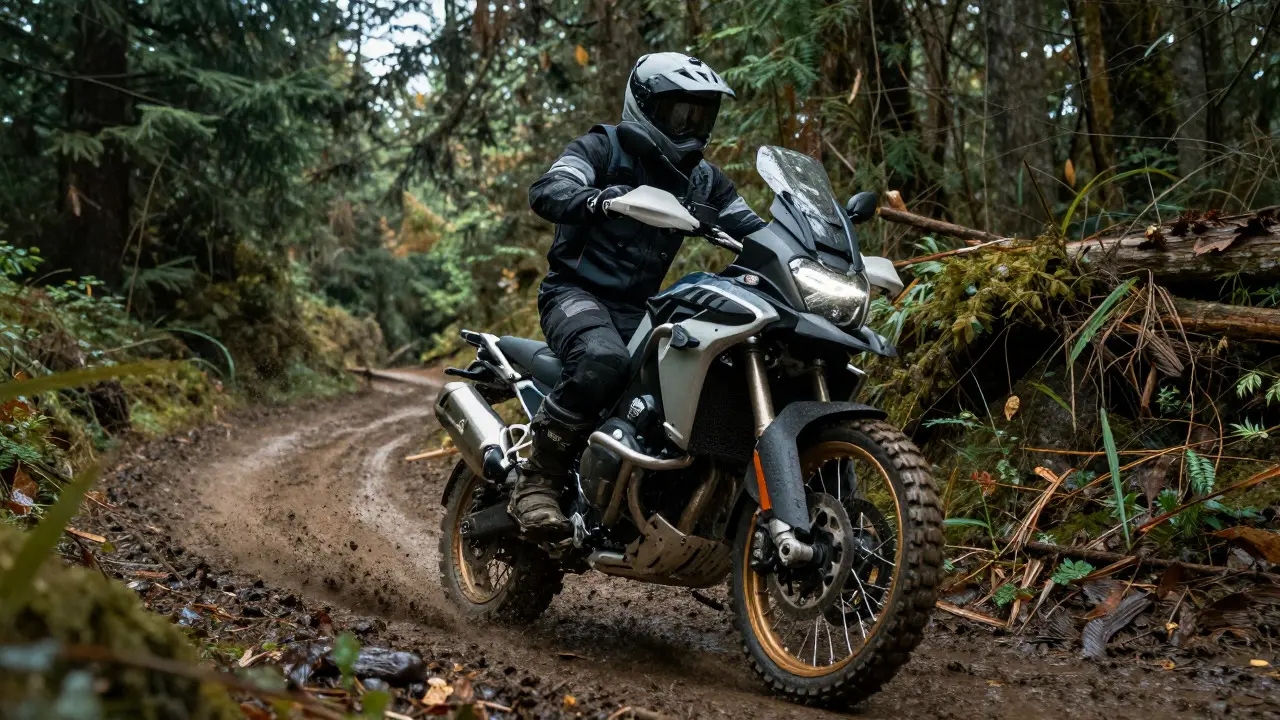
There was a time when the term adventure riding meant packing a heavy touring bike with panniers and heading to a remote gas station. Today, it looks different. The market has shifted from pure endurance touring to genuine exploration. Riders are no longer just looking for long highways; they want dirt tracks, mountain passes, and the ability to stop anywhere without worrying about pavement quality. This shift is driven by a desire for authentic connection with the landscape, not just speed or distance.
The Shift from Touring to True Adventure
To understand where the industry is heading, we have to look at what changed between 2015 and 2026. In the mid-2010s, manufacturers focused on "dual-sport" capabilities that were mostly marketing fluff. Bikes had high ground clearance but lacked the suspension travel needed for serious off-pavement use. Now, the definition of an adventure bike is clearer. It must handle both highway miles and technical trails without requiring a complete overhaul of the rider's skill set.
This evolution is fueled by two main factors. First, urbanization has pushed many riders to seek nature closer to home, rather than flying across continents. Second, the rise of social media has made rugged landscapes more visible, creating a demand for experiences that feel raw and unfiltered. A rider in Bristol might now spend their weekend navigating the muddy lanes of the Forest of Dean rather than just cruising the M4. The bike needs to match this local reality.
Key Technological Drivers in 2026
Technology has stopped being a luxury and started becoming a necessity for safety and comfort. The most significant change is in electronic aids. Modern adventure motorcycles come standard with cornering ABS, traction control with multiple modes, and dynamic launch control. These systems allow less experienced riders to tackle loose gravel or wet tarmac with confidence, reducing the fear factor that previously kept people on the pavement.
- Suspension Technology: Electronic suspension adjustment is now common in mid-range models. Instead of manually turning knobs after every trail segment, riders can switch from "Sport" to "Off-Road" mode with a button press. This saves time and ensures optimal performance for the terrain.
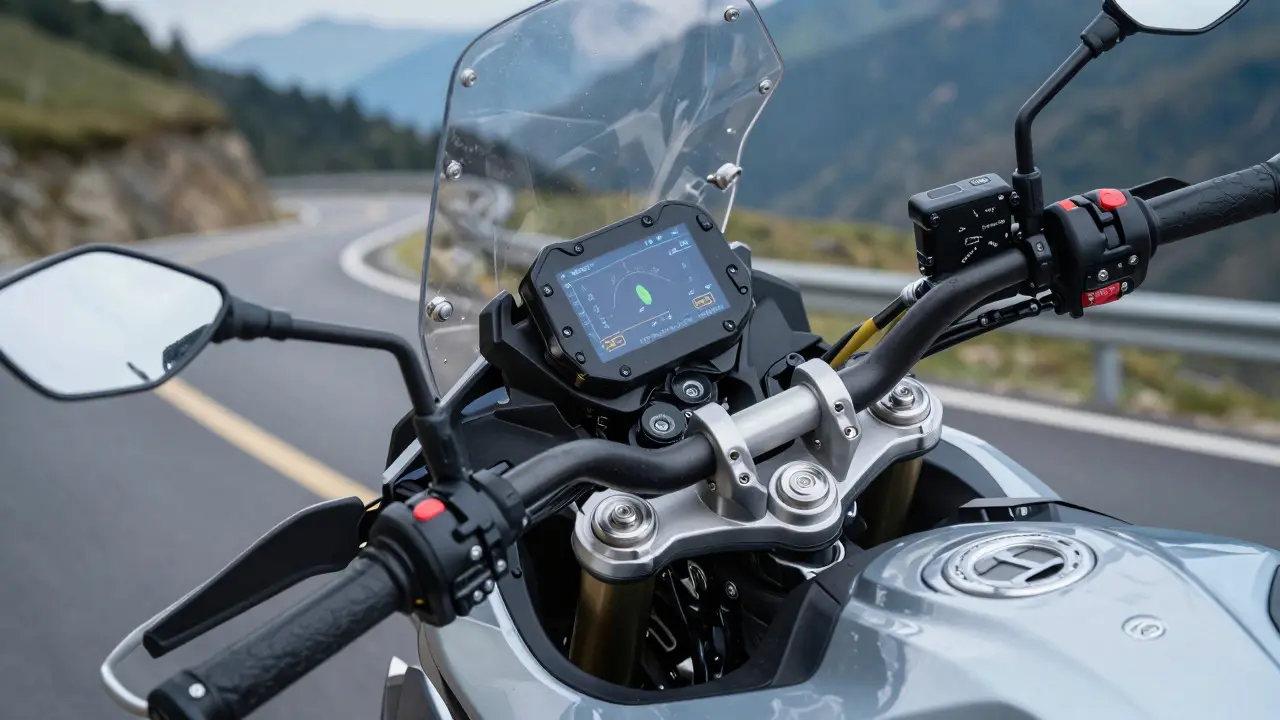
- Connectivity: Integrated GPS and navigation systems are replacing smartphone mounts. While phones are still popular, dedicated units offer better battery life and durability against water and dust, which is critical in exposed environments.
- Weight Reduction: Manufacturers are prioritizing lighter frames and engines. A bike that weighs 90kg less than its predecessor feels significantly more agile on tight single-track. This weight loss is achieved through aluminum construction and smaller, more efficient engines.
Market Segments and Buyer Profiles
Not all adventure riders are the same. Understanding the distinct buyer profiles helps explain why certain models dominate sales charts. We can categorize the current market into three main groups.
| Segment | Primary Goal | Preferred Bike Type | Typical Budget |
|---|---|---|---|
| The Explorer | Long-distance travel with mixed surfaces | Heavyweight Adventure (e.g., 1000cc+) | £12,000 - £18,000 |
| The Weekend Warrior | Local trails and forest roads | Lightweight Dual-Sport (e.g., 300cc - 650cc) | £5,000 - £9,000 |
| The Hybrid Commuter | Daily city riding with occasional off-road fun | Urban Adventure / Scrambler | £6,000 - £10,000 |
The "Weekend Warrior" segment is growing the fastest. These riders do not need a 200-liter fuel tank or a fairing designed for 150mph speeds. They need a bike that is light enough to push over a fallen log and comfortable enough to ride back to the car park after a few hours of trail riding. This demographic values simplicity and low maintenance costs over high-tech features.
Regional Influences and Local Terrain
Geography plays a huge role in shaping preferences. In regions like the UK, Ireland, and Scandinavia, weather is a major constraint. Rain is frequent, and mud is persistent. Therefore, bikes sold in these areas often feature enhanced water resistance in electrical components and wider tires for grip on slick surfaces. Conversely, riders in arid climates like Australia or parts of the US prioritize cooling systems and dust filtration.
In Europe, the popularity of the Alps and Pyrenees has created a specific niche for high-performance adventure bikes capable of handling steep gradients and narrow mountain passes. These bikes require precise handling and strong braking power. For riders in flatter countries, such as the Netherlands or Denmark, the focus shifts slightly towards stability at higher speeds and wind protection, even if the bike is technically classified as an adventure model.
Safety and Gear Evolution
As bikes get more capable, the gear gets smarter. The trend in 2026 is toward integrated safety systems. Airbag vests are no longer just for track days; they are becoming standard equipment for serious adventure riders. These vests deploy automatically upon detecting a crash, reducing injury severity significantly. Similarly, helmet communication systems have improved dramatically, allowing riders to stay connected with their group while navigating complex terrain without taking their eyes off the path.
Clothing materials have also evolved. Modern adventure jackets and pants use waterproof-breathable membranes that last much longer than previous generations. This means riders can go further between replacements, saving money in the long run. The fit has also become more ergonomic, with articulated knees and elbows that allow for a natural riding position during extended periods of off-pavement riding.
The Role of Community and Events
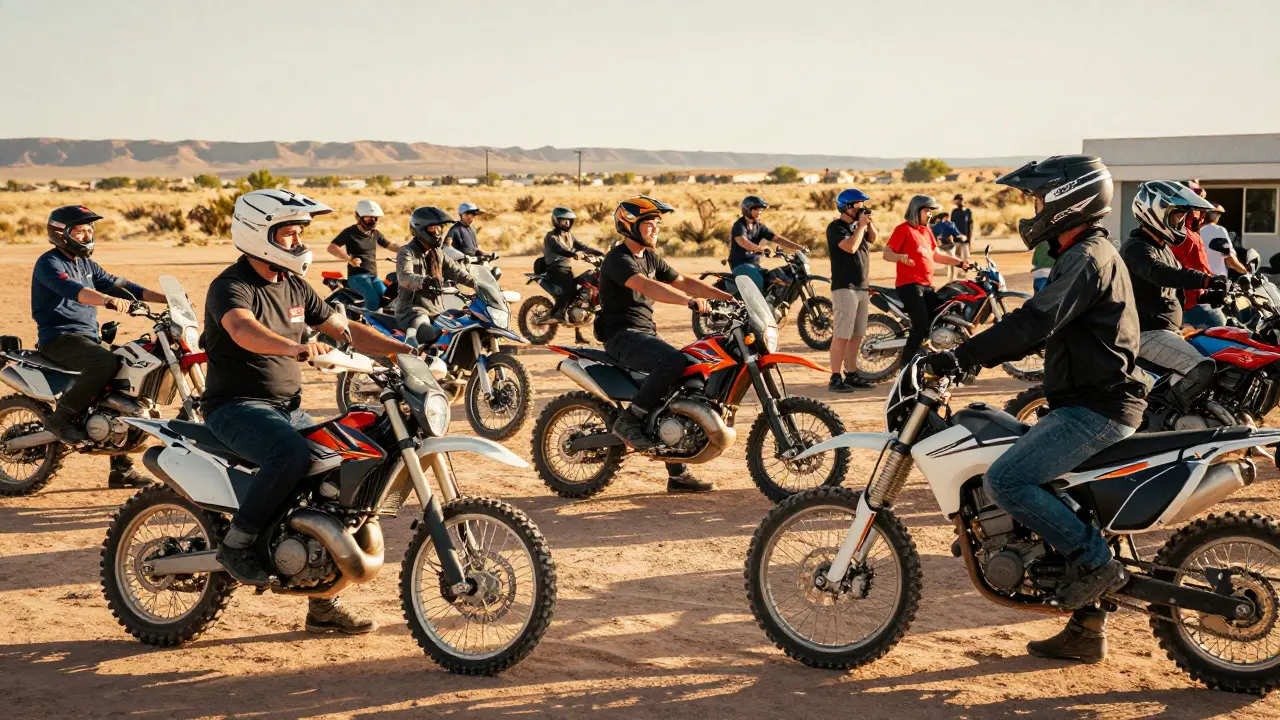
Adventure riding is inherently social. The growth of organized events, such as multi-day rallies and local club rides, has boosted interest. These events provide a structured environment for beginners to learn skills under supervision. For example, a beginner might join a "Green Ride" event where the pace is slow, and experienced riders guide them through basic techniques like balance and throttle control.
Online communities play a similar role. Forums and social media groups share route maps, weather updates, and mechanical advice. This collective knowledge lowers the barrier to entry. A new rider can find out exactly what kind of tire pressure works best for wet grass in the UK before they even leave their driveway. This access to information makes the hobby more accessible and less intimidating.
Future Outlook: What to Expect Next
Looking ahead, the next few years will likely see a continued focus on sustainability. Electric adventure bikes are emerging, though they face challenges regarding range and weight. However, hybrid systems that combine electric assist with internal combustion could bridge the gap, offering silent operation for quiet trails and full power for highways. Additionally, modular design is gaining traction. Riders may soon be able to swap out front fenders, exhaust pipes, or even engine components to customize their bike for specific trips, reducing waste and extending the vehicle's lifespan.
The core appeal remains unchanged: the freedom to explore. Whether you are a seasoned pro tackling the Trans-Siberian Highway or a novice finding your first dirt road, the industry is adapting to meet your needs. The key is choosing the right tool for your specific style of riding. Do not buy a heavyweight tourer if you only plan to ride local forest paths. Match your bike to your ambition, and the experience will be far more rewarding.
What is the difference between an adventure bike and a dual-sport bike?
An adventure bike is typically larger, heavier, and designed for long-distance travel with luggage capacity. It has more powerful engines and better comfort features for highway speeds. A dual-sport bike is lighter, more agile, and focused on off-road capability. It is easier to handle in tight trails but less comfortable on long highway stretches.
Are adventure bikes suitable for beginners?
Yes, but choose carefully. Lightweight models in the 300cc to 650cc range are ideal for beginners because they are manageable and forgiving. Heavier, more powerful bikes can be overwhelming for new riders due to their weight and torque. Start with a smaller displacement bike to build confidence and skills before moving up.
How important is suspension for adventure riding?
Very important. Good suspension absorbs impacts from rocks, roots, and uneven terrain, keeping the wheels in contact with the ground for better traction. Poor suspension leads to a bumpy ride, reduced control, and increased fatigue. Look for bikes with adjustable preload and rebound damping to fine-tune the setup for your weight and riding style.
Do I need special training to start adventure riding?
Basic motorcycle license skills are sufficient to start on easy trails. However, formal off-road training courses are highly recommended. They teach essential techniques like balancing on slopes, using the clutch and throttle together, and recovering from falls. These skills prevent accidents and make the experience more enjoyable.
What are the maintenance requirements for adventure motorcycles?
Adventure bikes require regular oil changes, chain lubrication, and tire inspections, especially after off-road use. Dust and mud can clog air filters faster than street riding, so check them frequently. Brake pads wear down quicker due to stop-and-go trail riding. Keeping up with manufacturer service intervals is crucial to avoid costly repairs.
Comments
Onyinyechi Nwosu
love the shift to local exploration. it feels so much more grounded than just chasing miles
August 26, 2026 at 08:18
Chandan Singh
You are missing the point entirely here. The article talks about market trends, not your personal feelings. Let's look at the data. In India, the 'Weekend Warrior' segment is exploding because urbanization has made commuting a nightmare, and people want an escape that doesn't require flying to Nepal. The cost of entry for a proper dual-sport in our region is still high compared to the West, but the demand for lightweight bikes like the KTM 390 Adventure or the Royal Enfield Himalayan is undeniable. The technology mentioned, specifically the electronic aids, is becoming standard even in mid-range models now. It is no longer a luxury feature reserved for the BMW GS range. This democratization of safety tech is what drives the boom. If you think this is just about 'feeling', you are ignoring the engineering progress that makes these machines viable for daily use in difficult terrains.
August 27, 2026 at 13:20
Brannen Hall
Boring. Just another listicle trying to sell me a bike I don't need. Real adventure is suffering, not having traction control save you from a puddle. These new bikes are just glorified scooters with off-road tires. Give me a rusty Honda CRF and a map drawn on paper any day over some GPS screen that dies when it rains. The industry is getting too soft. We used to break things. Now we just click buttons. Also, who decided that a 90kg weight loss is a big deal? My old bike was lighter and had half the features. Progress is a myth if it means losing soul.
August 28, 2026 at 09:48
tiffany King
I totally agree with the point about local trails! I live in the Pacific Northwest and the mud can be relentless, but having a bike that handles wet tarmac AND loose gravel is a game changer. It’s so empowering to know you can just turn down a random dirt road without worrying if you’ll get stuck or slide out. The community aspect mentioned in the post really resonates with me too; joining a local club last year changed everything for me. You meet such supportive people who are happy to help you learn the basics. It’s not just about the ride, it’s about the connection. Here’s to more explorers finding their own backyards!
August 28, 2026 at 21:49
Brenna Gonedrman
Ooh, the part about the 'Hybrid Commuter' got me thinking. I ride a scrambler style bike to work every day. It’s not exactly 'adventure' in the traditional sense, but it definitely adds a little spice to the commute. The traffic in the city is brutal, but when I hit the park paths after hours, it feels like a different world. The article mentions that these riders value simplicity, which is so true. I don’t want a fairing that costs a fortune to replace if I drop the bike in the parking lot. I want something robust and easy to fix. It’s all about finding that sweet spot between practicality and playfulness. I guess we’re all just looking for a bit of freedom in our daily grind, right?
August 29, 2026 at 00:19
Elisabeth Ballet
Let’s talk about the gear evolution! Airbag vests are a MUST. I bought mine two years ago and have already saved myself from a nasty fall on a rocky trail. It changes your psychology completely. You stop being afraid of the ground and start focusing on the line. Also, the helmet comms are a huge deal for group rides. No more shouting over the wind. We can actually talk strategy while navigating complex terrain. It’s not just about the bike anymore; it’s about the whole ecosystem of safety and connectivity. Get your gear sorted, folks, and you’ll go further and safer. Don’t let the tech scare you off; it’s there to support your passion, not replace it. Embrace the tools and enjoy the ride!
August 29, 2026 at 19:48
Joanna Mucha
One must consider the existential void that modern machinery attempts to fill. Is it truly 'exploration' if the machine dictates the path through its sensors? Or are we merely passengers in a curated experience, stripped of the raw uncertainty that once defined the spirit of the wanderer? The 'Weekend Warrior' is not a warrior at all, but a consumer of leisure, seeking the aesthetic of ruggedness without the consequence of hardship. We dress up in synthetic fabrics that mimic leather, pretending to be nomads in a suburban cul-de-sac. The beauty is in the imperfection, yet we seek perfection in our suspension settings. A tragedy, really, but perhaps necessary for the survival of the species in this concrete jungle. We are lost, yet we have never been more connected. What does that say about us?
August 30, 2026 at 16:20
Kim Edwards
DID YOU KNOW THAT THE WEIGHT REDUCTION IS ACTUALLY A LIE? OR AT LEAST, IT’S EXAGGERATED! I MEAN, SURE, THEY USE ALUMINUM NOW, BUT HAVE YOU SEEN THE BATTERY PACKS ON THESE NEW MODELS? THEY ARE HEAVY AS HELL! MY OLD IRON CLAD BIKE WAS LIGHTER THAN THIS GARBAGE WITH ALL ITS ELECTRONICS. IT’S A TRAP! THEY WANT US TO BUY MORE PARTS BECAUSE THE PLASTIC BREAKS. THE SUSPENSION IS JUST A COMPUTER TELLING YOU WHAT TO DO. WHERE IS THE SKILL? WHERE IS THE ART? WE ARE RIDING ROBOT BIKES NOW! IT’S DISGUSTING! BUT ALSO... COOL? ARGH! ANYWAY, GOOD LUCK IF YOUR GPS DIES IN THE MIDDLE OF NOWHERE. MAYBE THEN YOU’LL LEARN SOMETHING. PROBABLY NOT. YOU’LL JUST CALL YOUR WIFE.
September 1, 2026 at 00:45
Bonnie Watt
Oh, how refreshing to see someone admit that 'dual-sport' was mostly marketing fluff. But let's not pretend the new stuff is perfect either. I've seen plenty of 'lightweight' bikes that are a nightmare to push when they tip over. And don't get me started on the price of replacement parts for these fancy electronic suspensions. One rock and you're paying thousands. The 'community' aspect is great if you're young and fit, but try explaining to a 50-year-old hip why they need to do balance exercises on a slope. It's not for everyone, despite what the glossy brochures say. The barrier to entry isn't just money, it's the physical toll. But hey, if you love it, that's all that matters, right? Probably.
September 1, 2026 at 06:55
Chandan Singh
Actually, the battery weight argument is flawed. Modern lithium-ion packs are significantly lighter than lead-acid alternatives, and many hybrid systems are designed to offset this with frame geometry changes. Also, the 'fluff' argument ignores the fact that reliability is a key part of the marketing promise. If a bike breaks down in a remote area, it is not just an inconvenience; it is a safety hazard. The electronics serve a purpose: preventing crashes before they happen. As for the community, age is just a number. Many clubs have senior divisions specifically for slower-paced rides. The industry is adapting to all demographics, not just the young and fit. It is important to look at the full picture rather than focusing on one negative aspect.
September 2, 2026 at 07:57