
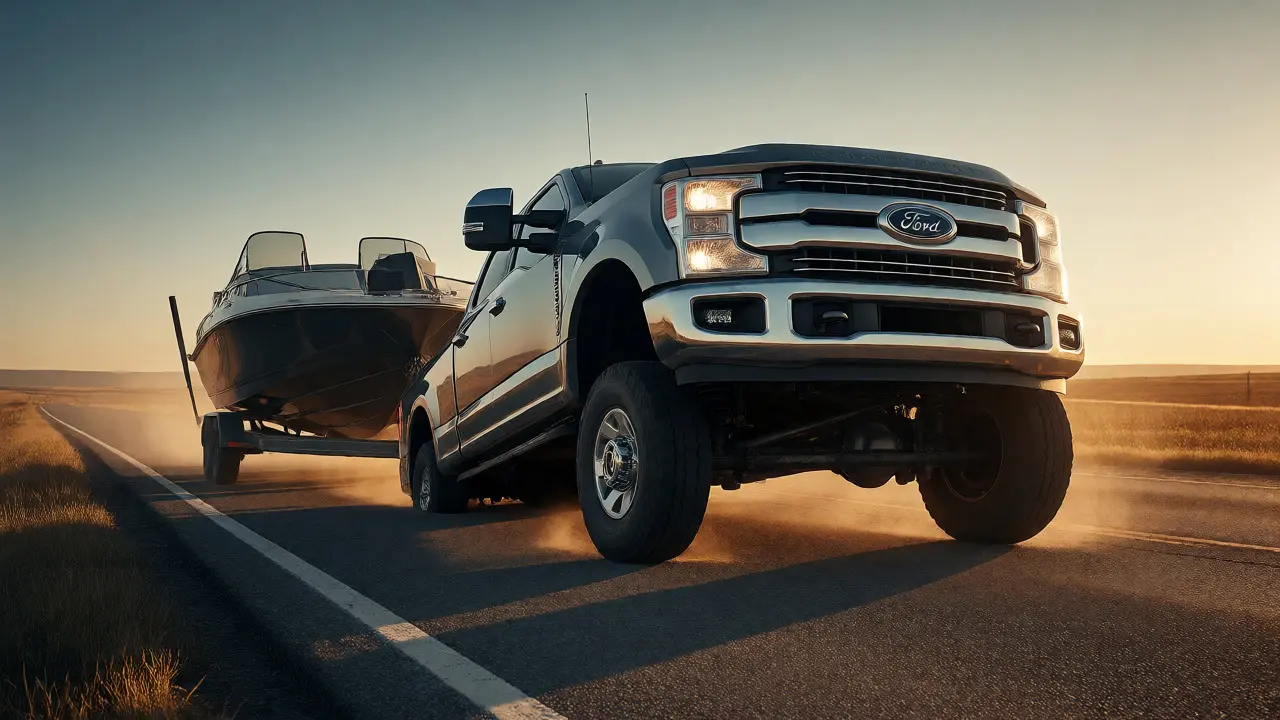
You just bought a new Ford F-250 or a Chevy Silverado and the dealer told you it’s ready to tow your boat. Then you hitch up that 10,000-pound trailer, hit the highway, and suddenly your front end is pointing at the sky while your rear bumper drags toward the asphalt. It’s not just ugly; it’s dangerous. Your headlights are blinding oncoming traffic, and your steering feels loose and vague. This sagging rear end is a common problem for anyone hauling heavy gear, whether it’s construction materials, a fifth-wheel camper, or just a bed full of mulch. The fix usually comes down to two main contenders: air springs (often called air bags) and Add-A-Leafs. Both promise to level your truck, but they do it in very different ways, with very different costs and consequences.
The Quick Verdict: Which One Do You Need?
Before we get into the nitty-gritty mechanics, let’s cut to the chase. If you want a quick, cheap fix for occasional heavy loads and don’t mind a stiffer ride, go with Add-A-Leafs. They are simple, durable, and cost-effective. However, if you want adjustable support, a smoother ride when unloaded, and precise control over your truck’s height, air springs are the superior choice. Think of Add-A-Leafs as a permanent booster shot for your existing suspension, while air springs are like adding a second, smarter suspension system that works alongside your coils or leafs.
| Feature | Air Springs (Air Bags) | Add-A-Leafs |
|---|---|---|
| Cost | $300 - $800+ (plus compressor if needed) | $100 - $250 |
| Ride Quality (Unloaded) | Smooth, factory-like | Stiffer, bouncier |
| Ride Quality (Loaded) | Adjustable firmness | Firm, fixed stiffness |
| Installation Difficulty | Moderate to High (requires plumbing/electrical) | Low to Moderate (bolt-on) |
| Adjustability | High (can change pressure on the fly) | None (fixed rate) |
| Lifespan | 5-7 years (rubber degrades) | 10+ years (steel lasts longer) |
How Add-A-Leafs Actually Work
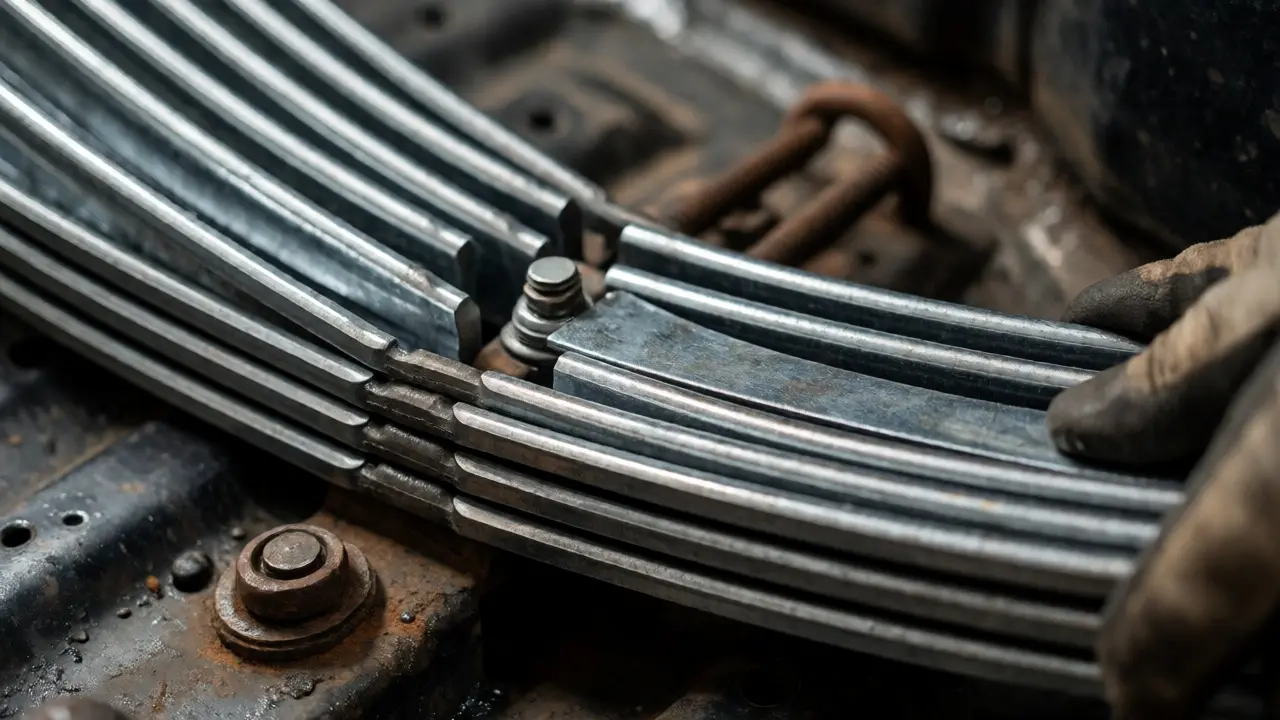
Most pickup trucks use leaf spring suspensions in the rear. A leaf spring is essentially a stack of curved steel strips clamped together. When you load the truck, these strips flatten out slightly to absorb the weight. Over time, or under extreme weight, they can sag permanently. An Add-A-Leaf kit inserts an extra leaf spring into this stack. By adding another layer of steel, you increase the spring rate-the amount of force required to compress the suspension.
This isn’t magic; it’s physics. Adding material makes the spring harder to compress. So, when you hook up a heavy trailer, the rear doesn’t sink as much because the suspension is now stiffer from the start. Companies like Timbren are famous for their rubber bump stops, but traditional Add-A-Leafs from brands like SuperSprings or Firestone use steel. The installation involves removing the center bolt of your existing leaf pack, inserting the new leaf, and re-bolting everything. It’s a mechanical job. You need torque wrenches and patience, but no electricity or air lines.
The downside? Your truck becomes stiffer all the time. Even when you’re driving empty to the grocery store, that extra leaf is working. Many drivers report a harsher, more jarring ride on rough roads. You might feel every pothole more intensely. It’s a trade-off: stability under load versus comfort when idle.
The Case for Air Springs
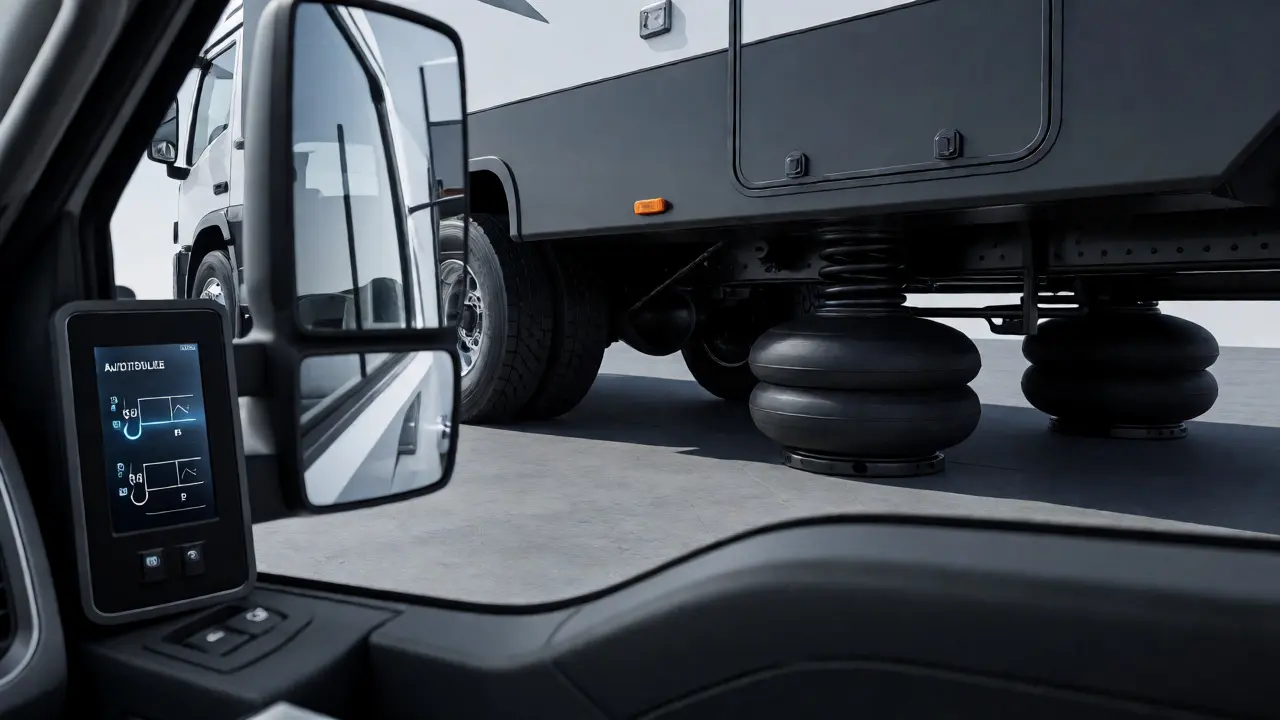
Air Springs, also known as air helper bags, are inflatable rubber bladders installed inside or alongside your existing coil springs or leaf packs. Unlike the rigid steel of an Add-A-Leaf, air springs rely on compressed air to provide support. When the bag is empty, it offers little resistance. As you inflate it, the internal air pressure pushes back against the vehicle’s weight, effectively raising the chassis and stiffening the suspension.
The biggest advantage here is adjustability. Let’s say you’re towing a 12,000-pound travel trailer today. You crank the pressure up to 40 PSI, and your truck sits perfectly level. Tomorrow, you’re carrying a single pallet of lumber weighing 500 pounds. You drop the pressure to 5 PSI, and your ride quality returns to near-factory smoothness. This dynamic capability is something steel leaves simply cannot offer.
Modern systems often include an onboard compressor and digital controller, allowing you to auto-level the truck by pressing a button. Brands like Firestone Ride-Rite and Bilstein Air Lift dominate this space. While the initial cost is higher-especially if you buy a complete kit with a compressor-the long-term benefit is a vehicle that adapts to its task rather than forcing you to adapt to the vehicle.
Installation Reality Check
If you’re handy with a socket set, installing Add-A-Leafs is straightforward. You lift the rear axle, remove the U-bolts or center pin, slide the new leaf in, and tighten everything down. Most DIYers can finish this in a weekend afternoon. There are no leaks to worry about, no wires to run, and no maintenance beyond checking torque specs after the first few hundred miles.
Air springs are trickier. You have to mount brackets to the frame and axle, route air lines through the wheel wells, and drill holes for fittings. If you’re going fully automated, you’ll need to find space for a compressor, tank, and manifold, often in the engine bay or under the bed. Wiring requires care to avoid shorts. And yes, rubber leaks. Small punctures or cracked O-rings can cause slow leaks overnight. It’s manageable, but it adds a layer of complexity that steel doesn’t have.
Impact on Handling and Safety
Sagging rear ends mess up your geometry. When the back drops, the front lifts. This reduces the contact patch of your front tires, leading to poor steering response and increased stopping distances. Worse, it throws off your headlight aim. In the UK and EU, strict MOT or inspection standards require proper headlight alignment. A sagging truck fails these checks instantly.
Both solutions fix the sag, but they handle dynamics differently. Add-A-Leafs reduce body roll significantly because the spring rate is higher. This can make the truck feel planted in corners but nervous on uneven surfaces. Air springs, when properly inflated, keep the center of gravity lower than a sagging truck but allow some flex. This means better traction over bumps compared to rigid steel helpers. For serious off-roading or rock crawling, many enthusiasts prefer air springs because they can deflate them to allow more axle articulation, then reinflate them for highway speeds.
Long-Term Maintenance and Durability
Steel doesn’t rot easily if treated well. Galvanized Add-A-Leafs can last the life of the truck. They might develop minor rust spots, but structural failure is rare. Rubber, however, ages. UV exposure, ozone, and temperature swings break down the elastomers in air bags. Expect to replace air springs every 5 to 7 years. The compressor itself has moving parts and can fail, typically lasting 3 to 5 years depending on usage.
Consider your usage pattern. If you tow heavy loads only twice a year for family vacations, the hassle of maintaining air lines might not be worth it. Add-A-Leafs are a "set it and forget it" solution. But if you’re a contractor who tows daily, or you alternate between light commuting and heavy hauling, the ability to adjust your ride height saves wear on your tires and brakes, potentially offsetting the higher upfront cost.
Which Should You Choose?
Go with Add-A-Leafs if:
- Your budget is tight.
- You rarely drive unloaded.
- You prefer minimal maintenance.
- You don’t mind a stiffer ride.
Choose Air Springs if:
- You want adjustable ride height.
- You value comfort when driving empty.
- You tow varying weights regularly.
- You are comfortable with moderate DIY installation or paying for professional setup.
Ultimately, neither option is universally "better." It depends on how you use your truck. For most modern owners who balance daily driving with weekend projects, air springs offer a versatility that steel simply can’t match. But for the pure utility worker who needs robust, unbreakable support for constant heavy loads, a simple steel leaf addition remains a tough contender to beat.
Do air springs replace my stock suspension?
No, air springs are "helper" springs. They work in conjunction with your existing coil or leaf springs. Your stock springs still carry the base weight of the truck, while the air bags take on the extra load. If an air bag fails, your truck will still function, though it may sit lower when loaded.
Will Add-A-Leafs void my warranty?
Generally, no. Modifications like Add-A-Leafs are considered aftermarket accessories. Under laws like the Magnuson-Moss Warranty Act in the US or similar consumer rights in the UK, a manufacturer must prove that the modification caused the specific damage to deny a claim. Since Add-A-Leafs improve suspension performance, they rarely cause issues that would void warranties.
Can I install air springs myself?
Yes, if you have intermediate mechanical skills. You’ll need to lift the truck, remove wheels, drill into the frame for mounting brackets, and connect air lines. Running the electrical wiring for a compressor can be tricky for beginners. Professional installation typically costs $300-$600, which might be worth it if you lack tools or confidence.
What PSI should I run my air springs at?
There is no single number. Start at 5-10 PSI for unloaded driving to maintain comfort. Increase pressure gradually until the truck sits level when loaded. Most kits recommend a maximum of 35-40 PSI. Always check your specific manufacturer’s guidelines, as exceeding max pressure can damage the bags or mounts.
Are air springs noisy?
The air bags themselves are silent. However, if you have an onboard compressor, it will make a loud whirring noise when filling the bags. Some users find this annoying during short trips where frequent adjustments are made. Manual inflation via a valve stem eliminates this noise entirely.