

There is a specific feeling you get when you slide into the driver’s seat of an Audi. It isn’t just about the leather or the ambient lighting. It’s the weight of the door as it closes-a solid, vault-like thud that whispers, "You are safe." For decades, this brand has defined what we mean by German engineering in the luxury segment. But with so many models on the road, from the sleek A4 to the massive Q8, how do you choose the right one? Is it worth the premium over a Japanese rival? Let’s break down exactly what makes these vehicles tick, without the marketing fluff.
The Heart of the Machine: Quattro and Powertrains
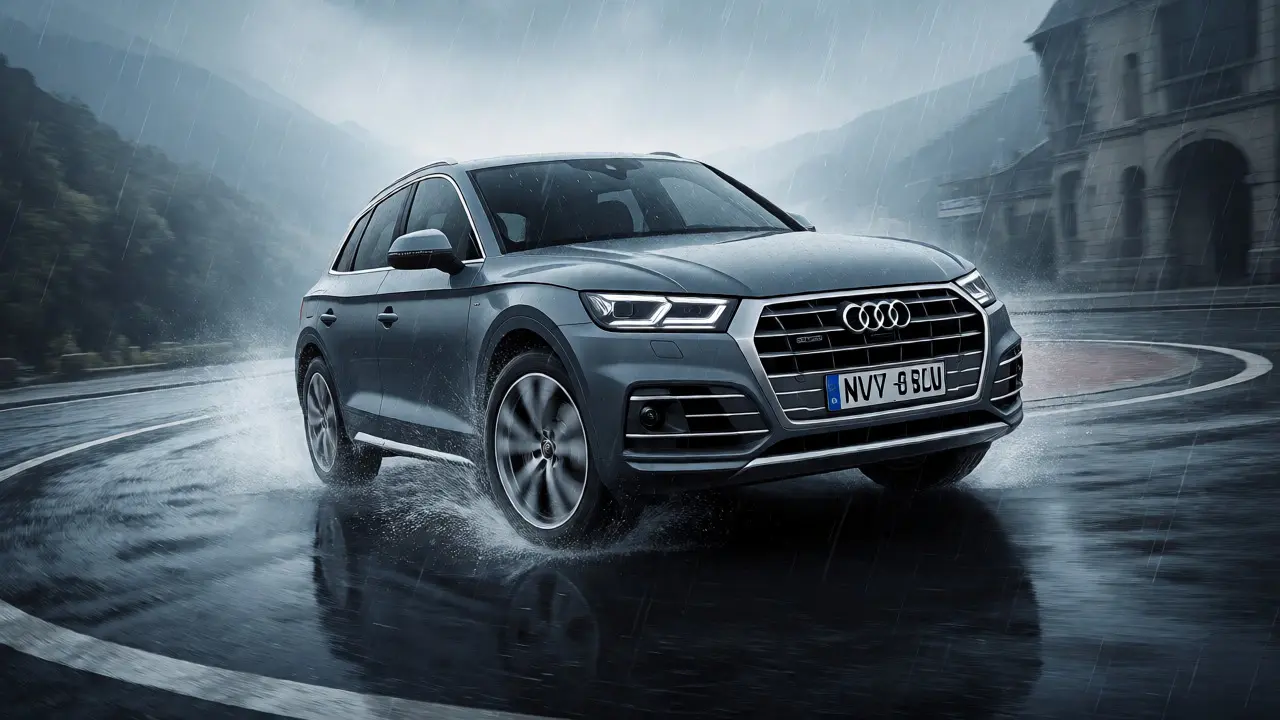
You can’t talk about Audi without talking about quattro. Originally developed for rally racing in the 1980s, this all-wheel-drive system is now standard on most of their lineup. Unlike older systems that locked power evenly between axles, modern quattro uses a crown gear center differential. This allows torque to shift dynamically-sending up to 70% of power to the rear wheels when needed. Why does this matter to you? Because when you take a corner on a wet Bristol roundabout, the car doesn’t understeer; it grips. It feels planted, almost telepathic.
Under the hood, Audi has shifted gears-literally and figuratively. The traditional V6 engines are being replaced by turbocharged four-cylinders and hybrid setups. Take the Audi A6, for example. It often features a 2.0-liter TFSI engine paired with a mild-hybrid system. This setup recovers energy during braking and provides a slight boost during acceleration. It’s not just about saving fuel; it’s about smoothness. The transition between electric assist and petrol power is nearly imperceptible. If you prefer raw power, the S and RS lines offer V6 and V8 options, but they come with a thirstier appetite at the pump.
Sedans vs. SUVs: Which Body Style Fits Your Life?
This is the big question. Ten years ago, if you wanted luxury, you bought a sedan. Today, the market has flipped. SUVs like the Q5 and Q7 dominate sales charts. But should you follow the crowd? It depends entirely on your daily routine.
| Feature | Audi A4 (Sedan) | Audi Q5 (SUV) | Audi A8 (Luxury Sedan) |
|---|---|---|---|
| Primary Use Case | Daily commuting, city driving | Family trips, light off-road, visibility | Executive transport, long-distance comfort |
| Fuel Efficiency | High (30-35 MPG combined) | Moderate (23-27 MPG combined) | Low-Moderate (20-25 MPG combined) |
| Cargo Space | Limited trunk volume | Versatile hatchback access | Large trunk, but fixed shape |
| Driving Dynamics | Low center of gravity, agile | Higher seating position, stable | Plush ride, air suspension focus |
If you spend most of your time navigating tight urban streets, the lower profile of an A4 or A6 offers better handling and easier parking. You feel more connected to the road. However, if you have kids, dogs, or just love the commanding view of the traffic ahead, the Q-series is hard to beat. The Q7, in particular, offers three rows of seating, making it a genuine alternative to minivans for families who refuse to compromise on style.
Interior Craftsmanship and Virtual Cockpit Technology
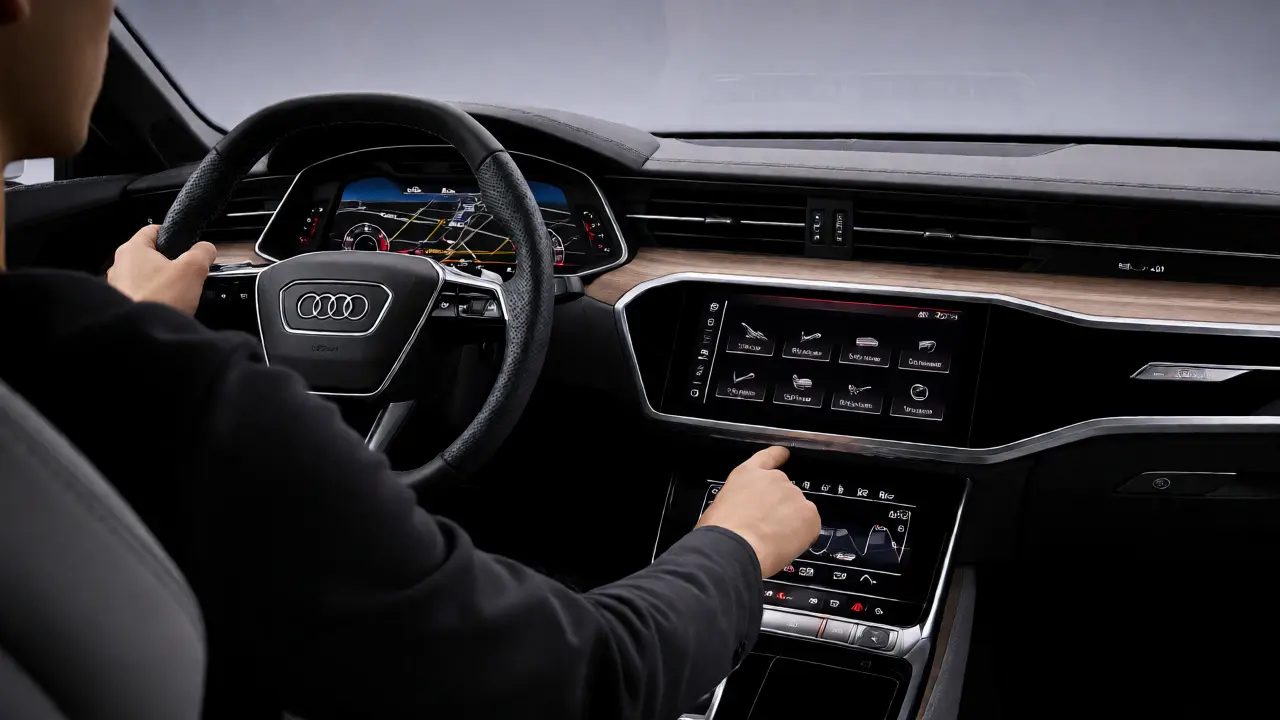
Audi interiors are often described as minimalist, but that’s a bit misleading. They are precise. Every switch clicks with satisfying resistance. The materials used-open-pore wood, brushed aluminum, nappa leather-are chosen for durability as much as beauty. But the real star here is the technology integration. The Virtual Cockpit replaces traditional analog gauges with a high-resolution digital display behind the steering wheel. You can map your navigation directly across the speedometer, keeping your eyes on the road.
Then there’s the MMI Touch Response system. It uses dual touchscreens-one for climate control, one for media. While some drivers complain about fingerprint smudges, the haptic feedback (a subtle click and vibration) confirms your input, so you don’t have to look down. In newer models like the e-tron GT, this tech extends to voice controls that actually understand natural language. Say "I’m cold," and the temperature rises. It’s not magic, but it feels close.
Reliability and Maintenance: The Honest Truth
Let’s address the elephant in the room: maintenance costs. German engineering is complex, and complexity requires care. An Audi will generally cost more to service than a Toyota Camry. According to data from RepairPal, average annual repair costs for Audis hover around $987, compared to $652 for non-luxury brands. Common issues include oil consumption in older V6 models and electronic glitches in infotainment systems.
However, reliability has improved significantly in the last five years. The introduction of standardized parts across the VW Group platform means components are more widely available and cheaper to replace. To keep your Audi running smoothly, stick to strict service intervals. Don’t skip the transmission fluid changes, even if the manual says it’s "lifetime" fluid. That term usually means "lifetime of the warranty," not forever. Using genuine Audi oil filters and spark plugs prevents headaches down the line.
Resale Value and Market Positioning
How well does an Audi hold its value? Generally, they depreciate faster than Lexus but slower than Jaguar Land Rover. A three-year-old Audi typically retains about 50-55% of its original MSRP. This makes buying a certified pre-owned (CPO) Audi a smart financial move. CPO vehicles come with extended warranties and rigorous inspections, giving you peace of mind without the new-car price tag.
When comparing against rivals like BMW and Mercedes-Benz, Audi often positions itself as the "understated" choice. BMW focuses on sportiness; Mercedes on opulence. Audi sits in the middle, focusing on technology and understated elegance. If you want a car that screams "look at me," buy a Mercedes. If you want a car that impresses those who know, buy an Audi.
Is Audi really better than BMW?
It depends on your priorities. BMW prioritizes driving dynamics and rear-wheel-drive balance, appealing to enthusiasts. Audi prioritizes all-wheel-drive stability, interior technology, and a smoother, quieter ride. If you live in a region with harsh winters, Audi’s quattro system often provides superior traction and confidence compared to standard BMW setups.
Which Audi SUV is the most reliable?
The Audi Q5 is frequently cited as one of the most reliable models in the lineup. Its widespread production volume means parts are abundant, and the powertrain has been refined over multiple generations. The larger Q7 is also robust but tends to have higher maintenance costs due to its more complex air suspension and third-row seating mechanisms.
Do Audi sedans have good safety ratings?
Yes, Audi consistently earns top safety scores from organizations like Euro NCAP and IIHS. Their Pre Sense collision avoidance systems use radar and cameras to detect potential accidents, automatically tightening seatbelts and preparing brakes before impact. This proactive safety approach is a key part of their engineering philosophy.
Is the Audi e-tron range practical for long trips?
The current generation Audi e-trons offer ranges between 200 and 250 miles on a full charge, which is competitive but requires planning for long highway trips. Access to the Electrify America network (in the US) or similar rapid charging networks in Europe makes this feasible, but expect slightly longer journey times compared to internal combustion engines due to charging stops.
Why are Audi repairs expensive?
Repairs are costly because Audi vehicles use specialized tools, proprietary software diagnostics, and premium parts. Labor rates at independent specialists are often lower than dealerships, but finding a mechanic trained specifically on VW Group electronics is crucial. Improper diagnostics can lead to replacing working parts unnecessarily, inflating the bill.