
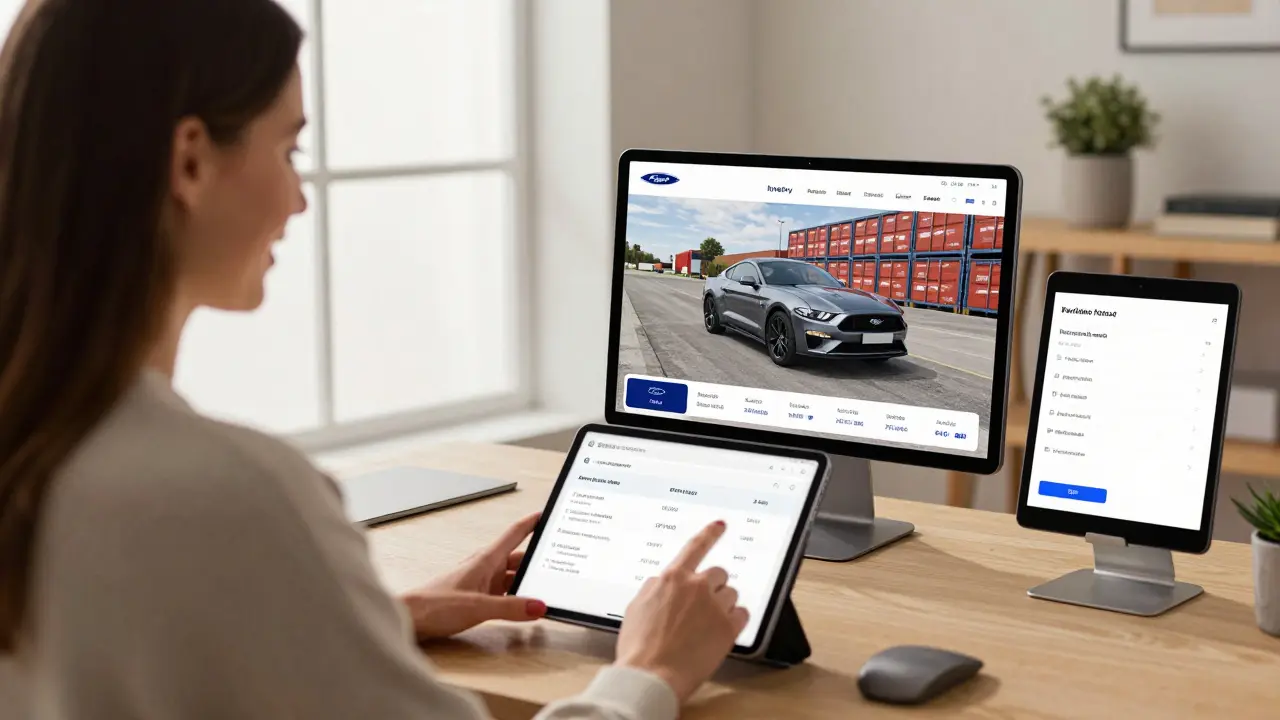
Buying a car used to mean driving to a lot, shaking hands with a salesperson, and haggling over price under fluorescent lights. That’s not how it works anymore-not even close. In 2025, more than 60% of car buyers in the UK start their search online, and nearly 40% complete the entire purchase without ever stepping onto a dealership floor. This isn’t a trend. It’s the new normal. Automotive retail digitization is no longer about adding a website to your dealership. It’s about rebuilding the entire customer journey from the ground up-with online configurators, virtual walkarounds, e-signatures, and door-to-door delivery.
What Does Automotive Retail Digitization Actually Mean?
At its core, automotive retail digitization means replacing paper forms, in-person negotiations, and physical inventory checks with digital tools that let customers browse, configure, finance, sign, and receive their car entirely online. It’s not just about having a slick website. It’s about connecting systems: inventory management, CRM, finance approval engines, digital contract platforms, and logistics partners-all working together in real time.
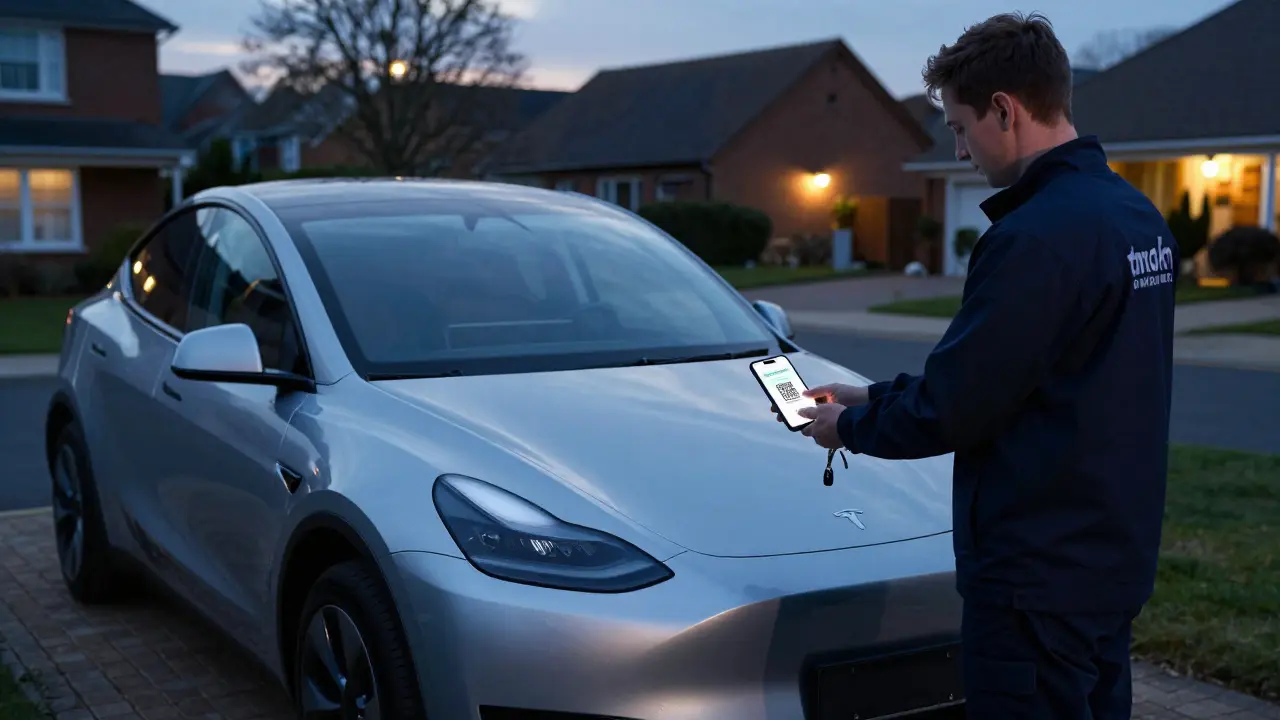
Take a customer in Bristol who wants a new Ford Mustang. Instead of visiting three dealerships, they open the Ford UK website. They pick the trim, colour, wheels, and interior. The system shows them real-time stock: one available at a dealership in Bristol, another at a warehouse in Manchester. They choose the Manchester one because it’s £800 cheaper and has a better delivery window. They apply for finance in five minutes. Approval comes back in under 10. They sign the contract using their phone’s fingerprint. Two days later, the car arrives at their driveway, fully washed, with a full tank, and a QR code that unlocks the digital owner’s manual.
This isn’t science fiction. It’s what brands like Tesla, BMW, and even traditional players like Vauxhall are doing right now.
How Online Car Sales Work Today
Here’s how the process actually unfolds for most buyers in 2025:
- Browse and compare-Customers use dealer websites, aggregators like Auto Trader or CarGurus, or manufacturer portals to filter by price, mileage, features, and availability. Filters now include EV range, service history, and even carbon footprint estimates.
- Virtual inspection-Instead of asking for photos, buyers watch 360-degree videos with AI-powered annotations. A red dot highlights a repaired bumper. A blue dot shows the condition of the tyres. Some platforms even let you zoom into the engine bay with thermal imaging.
- Price locking-No more haggling. Prices are fixed online. Dealerships use dynamic pricing tools that adjust based on demand, season, and local competition. You see the price. You click ‘Buy Now.’ It’s held for 48 hours.
- Finance and insurance-Integrated lenders pull credit data instantly. Customers can compare APRs from multiple providers without leaving the page. Insurance quotes are generated in real time using driving history, postcode, and vehicle specs.
- Electronic signing-Contracts are signed via secure platforms like DocuSign or SignNow. No printing. No scanning. No waiting.
- Delivery-The car is shipped directly from the warehouse or another dealership. Delivery drivers are trained to hand over keys, explain features, and answer questions on the spot. Many offer a 24-hour test drive at home before final acceptance.
One major UK dealer, CarSupermarket, reported a 32% increase in conversion rates after switching to this end-to-end online flow. Their average sale time dropped from 14 days to 3.7 days.
Why Delivery Is the Secret Weapon
Online sales only work if the car gets to you-and quickly. That’s why delivery isn’t an add-on anymore. It’s the final, critical step that makes the whole model stick.
Before 2020, most dealers saw delivery as a cost center. Now, it’s a competitive advantage. Buyers don’t want to take time off work to pick up a car. They don’t want to wait weeks because the dealership is out of stock. They want it when they want it.
Leading dealers now partner with logistics firms like DHL Automotive and local courier networks to offer:
- Same-day delivery in major cities (London, Manchester, Birmingham, Bristol)
- Next-day delivery nationwide
- Flexible time slots (including evenings and weekends)
- Climate-controlled transport for EVs and luxury models
- Pre-delivery inspection reports sent to the buyer’s phone
One study by the Society of Motor Manufacturers and Traders (SMMT) found that buyers who received their car via delivery were 47% more likely to leave a 5-star review than those who picked it up in person.
What’s Driving This Change?
Three big forces are pushing automotive retail into the digital age:
- Consumer expectations-People buy groceries, clothes, and furniture online. Why should a car be different? The pandemic accelerated this. Buyers now expect the same speed, transparency, and convenience as Amazon.
- EV adoption-Electric vehicles are mostly sold online. Tesla pioneered this. Now, Rivian, Hyundai, and Kia follow suit. EV buyers tend to be tech-savvy, value transparency, and hate dealership pressure. They’ll drive 50 miles to pick up a car if the process is smooth-but they’ll skip a dealership that makes them wait.
- Inventory shortages-After supply chain issues, many dealers stopped keeping large lots on-site. Now they use centralized warehouses. Online sales let them manage fewer physical cars while serving more customers.
It’s not just about being digital. It’s about being efficient. A dealership with 200 cars on its lot spends £15,000 a month on insurance, security, and space. A digital-first dealer with 40 cars on-site and 160 in a warehouse spends £3,000. The savings go into better service, faster delivery, and lower prices.
Challenges Still Left to Solve
It’s not all smooth sailing. Many dealers still struggle with:
- Trust gaps-Buyers worry about hidden damage, misrepresented specs, or scams. Reputable dealers solve this with third-party inspections (like HPI or AA checks) and video walkthroughs with timestamps.
- Financing complexity-Not all lenders integrate with dealer platforms. Some buyers still need to visit a branch for a loan. That breaks the digital flow.
- Legacy systems-Many dealers still use 15-year-old CRM software that doesn’t talk to online booking tools. Upgrading costs money-and many small dealers don’t have the budget.
- Regulatory gray areas-Some UK regions still require physical signatures for certain finance agreements. The law is catching up, but slowly.
One dealer in Leeds told us they lost 18% of online leads because their finance partner didn’t support e-signatures. They switched to a digital-first lender and saw a 22% jump in closed deals.
What This Means for Buyers
If you’re shopping for a car in 2025, here’s what you need to know:
- Always check the VIN-Use the government’s free vehicle checker to verify history, MOT status, and outstanding finance.
- Look for live inventory-Sites that say “available for collection” or “in stock” are better than those showing “estimated delivery.”
- Ask for the delivery checklist-A good dealer will send you a digital form listing everything included: full tank, clean interior, tyre pressure, service records.
- Don’t rush the test drive-Even if you bought online, insist on a 24-hour home trial. Most dealers allow it.
- Read the fine print on warranties-Online sales sometimes come with shorter or different coverage. Ask for a copy before signing.
The best advice? Don’t treat online car buying like ordering a pizza. It’s still a major purchase. But now, you have more control, more data, and more options than ever before.
What This Means for Dealers
Dealers who cling to the old way are dying. Those who adapt are thriving.
Here’s what successful dealers are doing:
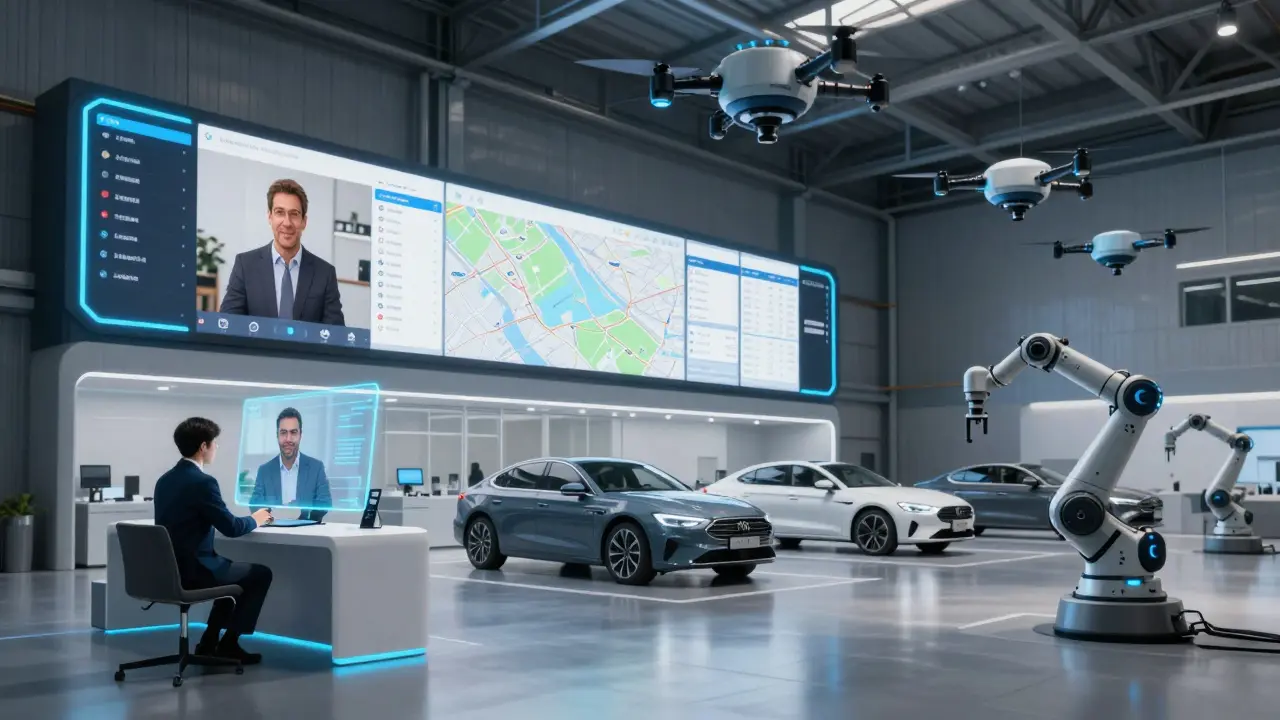
- Investing in integrated platforms that connect inventory, finance, and delivery
- Hiring digital sales consultants-not just floor salespeople
- Training staff to handle video calls and virtual walkthroughs
- Partnering with logistics firms to guarantee delivery timelines
- Offering transparent, fixed pricing with no hidden fees
One Bristol-based dealer, City Auto Direct, shut down their physical showroom in 2024. Now they operate from a warehouse and a small office. They’ve doubled their sales volume and cut overhead by 60%. Their team now spends more time on customer service than on paperwork.
The Future Is Fully Digital
By 2027, experts predict that over half of all new and used car sales in the UK will be completed entirely online-with delivery included. The dealers who win won’t be the ones with the biggest lots. They’ll be the ones with the smoothest digital experience.
Think about it: you can buy a house online now. Why not a car? The technology is here. The buyers are ready. The only thing left is for dealers to stop treating digitization as a side project-and start treating it as their core business.
Can I really buy a car online without seeing it in person?
Yes, and thousands do it every week. Reputable dealers provide 360-degree videos, real-time inventory updates, third-party inspections (like HPI or AA), and detailed condition reports. Many also offer a 24- to 72-hour home trial after delivery. If you’re not satisfied, you can return it with no penalty. This is standard practice with major brands and certified online retailers.
Is online car buying cheaper than going to a dealership?
Often, yes. Online dealers have lower overhead because they don’t need large showrooms or large sales teams. They pass those savings on. Plus, they use dynamic pricing tools that match market demand. You’re less likely to face aggressive haggling or hidden fees. A 2025 SMMT report found that online buyers paid an average of £1,200 less than those who bought in-person for the same model.
What happens if the car has a problem after delivery?
The same protections apply as if you bought in person. All UK car sales are covered by the Consumer Rights Act 2015. If the car is faulty within 30 days, you’re entitled to a full refund. Between 30 days and six months, the burden of proof is on the dealer to show the car was fine when sold. Most online dealers also offer extended warranties or free servicing packages. Always check the warranty terms before you buy.
Do I need to pay a deposit online?
Some dealers ask for a small, refundable deposit-usually £100 to £500-to secure the vehicle. This is normal. But never pay a large, non-refundable deposit before you’ve seen the full paperwork, received the vehicle history, and confirmed the delivery terms. Legitimate dealers will always allow you to cancel and get your money back within 24-48 hours.
Can I finance a car online?
Absolutely. Most major dealers integrate with lenders like Hitachi, Barclays, and Aldermore. You can get pre-approved in minutes. Some platforms even let you compare multiple finance offers side-by-side with APR, monthly payments, and total cost shown clearly. Just make sure the lender is FCA-regulated and the contract is e-signed through a secure platform like DocuSign.
Comments
Michael Thomas
This is why America's auto industry is falling behind. We don't need digital gimmicks. We need muscle cars and real salesmen who know their stuff. This is just corporate laziness dressed up as innovation.
December 29, 2025 at 15:57
Abert Canada
Honestly? I bought my Prius online last year. No haggling, no pressure. The delivery guy brought snacks and showed me how the regen braking worked. Best car experience I've ever had. Canada's doing this too, and it's way smoother than the old way.
December 29, 2025 at 18:26
Xavier Lévesque
So let me get this straight... you're telling me the future of car buying is a guy in a hoodie handing you keys on your porch while you're still in your pajamas? Sounds like a Netflix special. Or a dystopian sitcom.
December 31, 2025 at 13:50
Thabo mangena
The evolution of automotive retail reflects a broader global shift toward efficiency, transparency, and customer-centric service. This paradigm represents not merely technological advancement, but a profound reimagining of consumer trust and operational integrity.
December 31, 2025 at 21:02
Karl Fisher
I mean... I just bought a $120k Tesla online. No dealership. No BS. Just a drone delivering my keys to my rooftop garden. The car came with a handwritten note from Elon. I cried. This is the future. You're all just jealous.
January 2, 2026 at 13:23
Buddy Faith
They say its convenient but theyre tracking everything your location your face your credit your driving habits theyll use it to raise your insurance then sell your data to the gov then youll get fined for driving too slow or too fast and youll never know why
January 3, 2026 at 12:23
Scott Perlman
This is good. Less stress. More time. I got my truck online. Got it in two days. No yelling. No upsells. Just a clean car and a text that said thanks for buying. Perfect.
January 5, 2026 at 03:21
Sandi Johnson
So you're telling me the salesperson is now a QR code and a chatbot? I miss when they at least pretended to care. Now it's just... silence. And a 10-page digital contract nobody reads.
January 5, 2026 at 21:50
Eva Monhaut
I bought my first EV online last month. The virtual walkthrough showed me the exact same battery degradation as the real car. The delivery guy brought a homemade pie. I felt like I was being treated like a human, not a transaction. This is what progress looks like.
January 6, 2026 at 21:40
mark nine
The real win here is the inventory shift. Dealers used to sit on 200 cars costing them a fortune. Now they keep 40 and ship the rest. Cheaper, faster, smarter. The tech is just the wrapper. The real change is the business model.
January 7, 2026 at 18:17
Tony Smith
One must acknowledge that the transition toward digital-first automotive retail is not merely an operational upgrade but a philosophical recalibration of the buyer-seller relationship. The traditional model, steeped in transactional anxiety, has been replaced by a framework predicated on dignity, clarity, and autonomy.
January 8, 2026 at 01:58
Rakesh Kumar
Bro I bought my Hyundai online from India while I was in Dubai. Got it delivered to my sister's house in Delhi. The app showed me every scratch on the tires before I bought. I was shocked. This is the future. Everyone in my family is doing it now. No more shady dealers.
January 8, 2026 at 02:42