
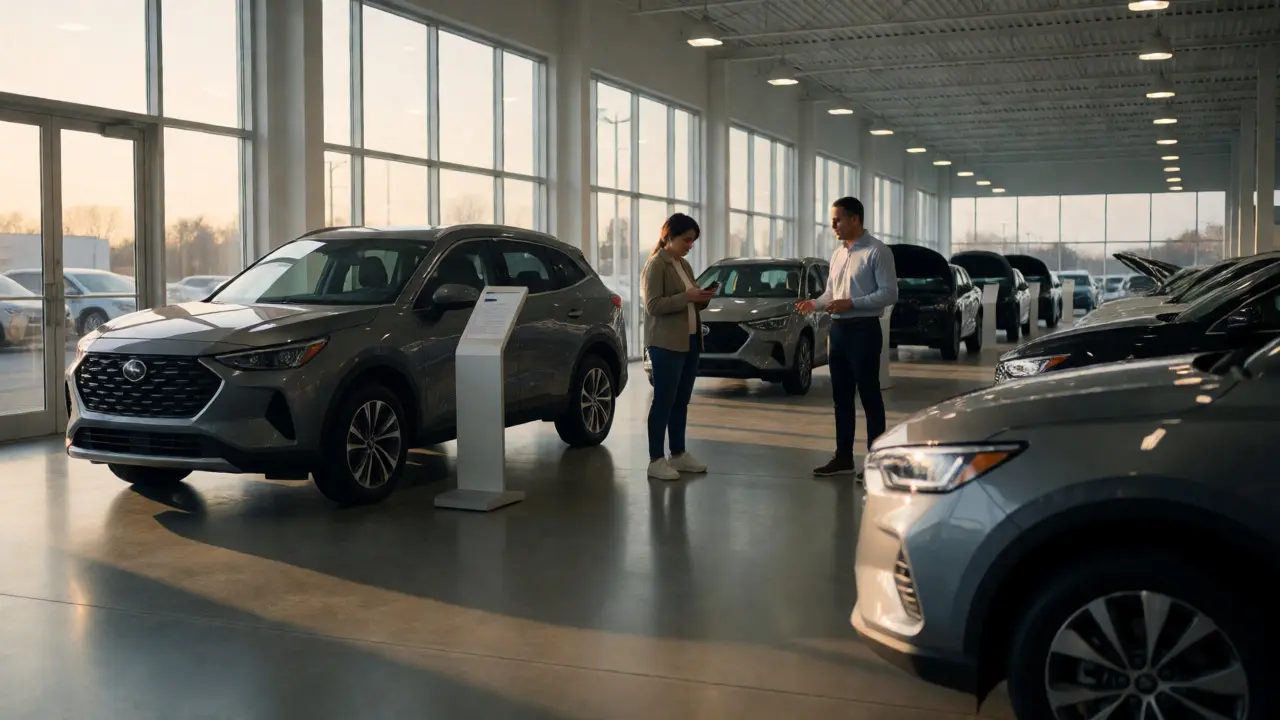
You walk into a dealership looking for a specific model, maybe a mid-size SUV or an electric sedan, and the salesperson gives you that familiar shrug. "We have one on order," they say, "but it might be four months out." If you thought the chip shortage of the early 2020s was a one-time glitch, think again. By September 2026, the automotive supply chain is still navigating a complex web of bottlenecks that keep production lines idle and prices high. It’s not just about missing parts anymore; it’s about how we build cars fundamentally clashing with modern geopolitical and technological realities.
| Component Category | Primary Constraint | Impact on Production | Current Status (Sept 2026) |
|---|---|---|---|
| Semiconductors | Limited capacity for advanced nodes (3nm-5nm) | High-end features disabled or delayed | Stabilizing but fragile |
| EV Batteries | Lithium and Cobalt mining/refining delays | EV inventory remains low globally | Critical shortage |
| Raw Steel/Aluminum | Energy costs and green transition mandates | Increased base vehicle cost | Price volatility |
| Logistics | Labor shortages at key ports | Unpredictable delivery windows | Improved but inconsistent |
The End of Just-in-Time? Or Just a New Normal?
For decades, manufacturers lived by the mantra of Just-in-Time (JIT) a strategy where materials are ordered and received only as they are needed in the production process, minimizing inventory costs. Toyota perfected it. Everyone copied it. The logic was simple: don’t pay to store thousands of tires or microchips when you can get them delivered hours before they’re bolted onto a chassis. But JIT assumes stability. When a single ship gets stuck in the Suez Canal, or a factory in Southeast Asia shuts down due to a local lockdown, the whole system cracks. Now, automakers are trying something different: Just-in-Case (JIC) an inventory strategy involving holding larger stockpiles of critical components to buffer against supply disruptions. You’ll see warehouses overflowing with chips and wiring harnesses. This sounds safer, right? But here’s the catch: holding inventory costs money. And if you guess wrong-stocking up on chips for a feature that becomes obsolete next year-you eat massive losses. So, companies are caught between two bad options: run out of parts and stop production, or hold too much stock and bleed cash. Most are choosing a hybrid approach, keeping critical items close while relying on global shipping for everything else.Semiconductors: The Hidden Heartbeat of Modern Cars
Let’s talk about the part everyone blames. Yes, semiconductors microelectronic devices made from semiconducting materials like silicon, used in integrated circuits are still tricky. But the narrative has shifted. In 2021, we were short on basic, older-generation chips used for power windows and airbags. Today, in 2026, the bottleneck is often the most advanced chips required for autonomous driving systems and infotainment screens. Why? Because building a fab (fabrication plant) takes years and billions of dollars. TSMC and Samsung have expanded capacity, but demand for AI-driven automotive tech has exploded faster than infrastructure can keep up. A single modern EV can contain over 3,000 chips. If you miss one specific type-a sensor controller, for instance-the entire car sits unfinished in the lot. Automakers can’t just "substitute" these parts easily because software compatibility is strict. This rigidity means that even small disruptions ripple through the entire assembly line.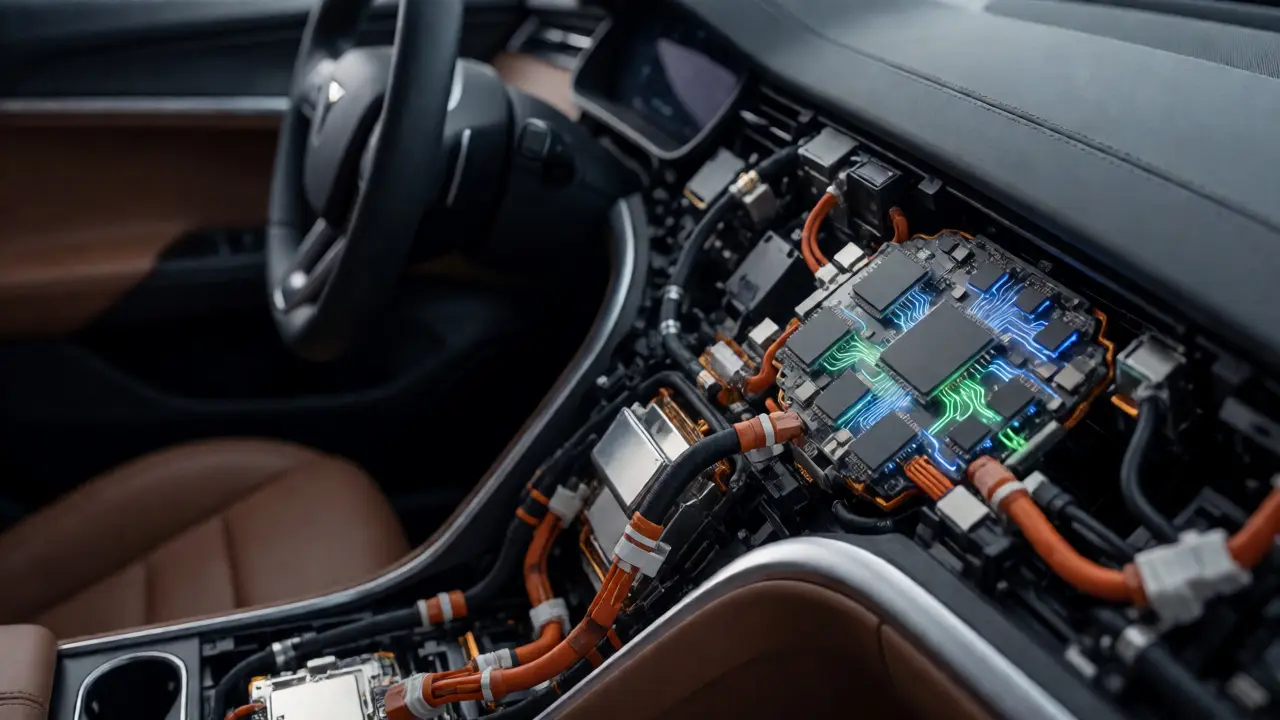
The Green Transition’s Unintended Consequence: Battery Bottlenecks
If you’re shopping for an Electric Vehicle (EV) a vehicle propelled by one or more electric motors, using energy stored in batteries, you feel the pinch hardest. The shift away from internal combustion engines hasn’t removed supply issues; it’s moved them. Instead of worrying about pistons and transmissions, the industry now obsesses over lithium, cobalt, and nickel. Mining these minerals is slow. Opening a new mine can take 7-10 years. Refining them requires specialized facilities, many of which are concentrated in China, creating geopolitical risk. When trade tensions rise or export bans hit, prices spike overnight. For consumers, this translates to higher sticker prices and longer wait times. Even major players like Tesla and Ford struggle to secure enough battery packs to meet projected demand. They’re investing heavily in direct partnerships with miners, but until those new sources come online, the EV market will remain supply-constrained.Geopolitics and Regionalization: Building Closer to Home
Globalization isn’t dead, but it’s changing shape. The old model relied on the cheapest labor and materials, no matter where they were. Now, security and speed matter more. We’re seeing a trend toward nearshoring the practice of relocating business processes or services to nearby countries rather than distant ones. American automakers are pushing suppliers to move operations to Mexico or Canada. European brands are looking to Eastern Europe and North Africa. This reduces shipping time and carbon footprint, which helps with regulatory compliance. But it also fragments the supply chain. Instead of one global supplier network, you have regional clusters. This can actually increase complexity because each region needs its own set of qualified suppliers. It’s not a quick fix. Retraining workers and certifying new factories takes time. So while nearshoring promises long-term resilience, short-term production hiccups are likely to continue as these new networks mature.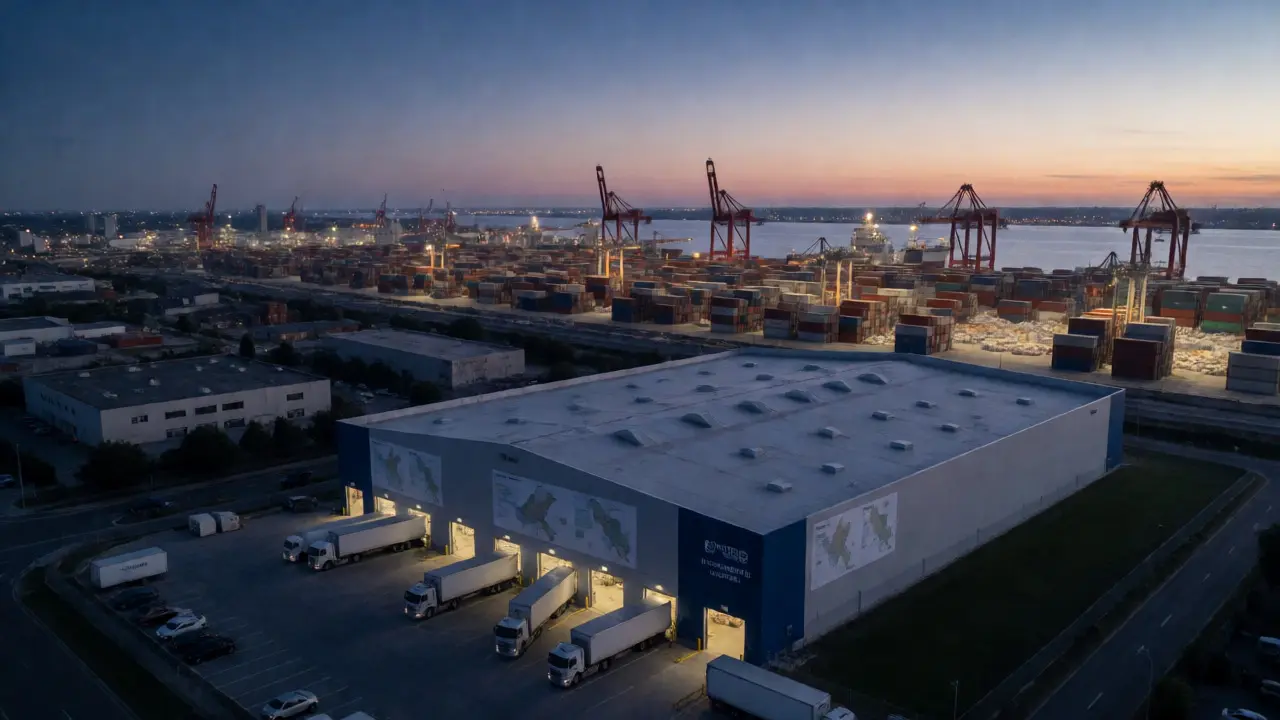
What This Means for Your Next Car Purchase
So, what should you do if you need a new car soon? First, adjust your expectations. The era of walking into a dealer and driving off the same day with a fully loaded premium model is mostly gone. Inventory levels are better than they were in 2022, but they’re still uneven. Popular models sell out fast; obscure trims sit around.- Be flexible on specs: If you want a specific color or package, you might wait six months. If you accept whatever is on the lot, you could drive away today.
- Watch for incentives: Dealers are starting to offer discounts again, especially on less popular configurations. Use this to your advantage.
- Consider the used market: As new car production stabilizes, used car prices are normalizing. You might find a nearly-new model for significantly less than MSRP.
Looking Ahead: Is the Worst Over?
By late 2026, we’re seeing signs of stabilization. Chip inventories are healthier. Logistics chains have adapted to new labor patterns. But "stabilized" doesn’t mean "fixed." The automotive supply chain is now permanently more expensive and slower than it was in the pre-2020 world. Costs associated with maintaining safety stock, complying with green regulations, and securing ethical mineral sources are baked into every vehicle price tag. The real test will come with the next disruption. Will the industry handle a climate event, a new pandemic variant, or a sudden trade war better this time? With diversified suppliers and digital tracking tools, there’s reason for cautious optimism. But don’t expect things to go back to "normal." The new normal is resilient, but it’s also leaner in some areas and heavier in others.Why are car deliveries still delayed in 2026?
Delays persist primarily due to ongoing constraints in advanced semiconductor production and critical raw materials for EV batteries, such as lithium and cobalt. Additionally, the transition from globalized supply chains to regionalized networks involves logistical friction as new suppliers ramp up capacity.
How has the semiconductor shortage changed since 2021?
In 2021, the shortage affected basic chips used in all vehicles. By 2026, the issue has narrowed to high-performance chips required for autonomous driving and infotainment systems. Basic chip supply has stabilized, but advanced node capacity remains tight due to high demand from both automotive and AI sectors.
Are electric vehicles harder to buy than gas cars?
Generally, yes. EV production is constrained by battery pack availability, which depends on mining and refining timelines for lithium and other minerals. Gas-powered vehicles, while still facing some component delays, typically have more established and robust supply chains for their traditional powertrain components.
What is 'nearshoring' in the context of car manufacturing?
Nearshoring is the strategy of moving production or sourcing closer to the final assembly location. For US automakers, this means shifting suppliers from Asia to Mexico or Canada. This reduces transportation risks and times but requires significant investment in new local infrastructure and workforce training.
Will car prices drop now that supply chains are improving?
While extreme markups have decreased, base prices are unlikely to return to pre-2020 levels. The costs of maintaining resilient supply chains, complying with stricter environmental regulations, and integrating more technology into vehicles have permanently increased the cost of production. Expect modest price adjustments rather than significant drops.
Comments
Dave Gibbeson
You need to stop looking at this as a problem and start seeing it as an opportunity. The market is shifting and those who adapt will win.
Stop complaining about wait times and start understanding the value proposition of holding inventory. If you buy now you lock in your price before the next wave of inflation hits. It's not just about the car it's about the asset class.
September 4, 2026 at 20:45
Sabrina Newland
i wonder if the shift away from jit is actually good for the soul 🤔 maybe we need to slow down and appreciate the journey of getting our cars rather than demanding instant gratification 🚗✨ its like mindfulness but for logistics
September 5, 2026 at 06:11
Amara Akbar
I completely agree with the sentiment that patience is key here.
It is truly wonderful to see such a detailed breakdown of the current landscape. I believe that if we remain open-minded and supportive of the manufacturers' efforts, we can navigate these challenges together. Let us stay positive and trust the process.
September 6, 2026 at 10:45
Mark Harvey
hey everyone dont stress too much about the shortages things are getting better every day
just keep checking the lot and be flexible on colors and youll find something great soon enough hang in there
September 6, 2026 at 16:27
Art HND
Overblown narrative. Supply chains have always been fragile. We just notice it now because people are loud.
September 7, 2026 at 12:40
Brandon Olvera
Buy American made parts or don't buy at all. Stop shipping jobs overseas and then crying when the ships get stuck.
September 8, 2026 at 18:14
Elizabeth Brooks
this is super helpful info thanks for sharing i was confused about why my ev order was delayed but the battery section cleared it up for me totally makes sense now
September 9, 2026 at 20:58
Deb Kortyna, MBA
The analysis provided herein is remarkably accurate yet insufficiently dramatic given the severity of the crisis. One must acknowledge the sheer horror of waiting months for a vehicle that should be readily available. It is simply unacceptable.
September 11, 2026 at 12:48
alex kobri
we are watching a fundamental restructuring of global trade play out in real time through something as mundane as a sedan
the friction we feel is the sound of old systems breaking under the weight of new realities
it is painful but perhaps necessary for long term resilience
September 12, 2026 at 11:48
Zach Loescher
interesting read. i think the nearshoring aspect is underrated though. moving production closer does help but also creates local labor bottlenecks we haven't fully accounted for.
September 13, 2026 at 11:47
Quintin Franzese
oh wow another article telling me to be patient while they charge me double for a car with fewer features. groundbreaking stuff really.
September 15, 2026 at 05:31
Meagan Mueller
@Dave Gibbeson you're missing the point entirely they aren't locking in prices for consumers they're locking in profits for shareholders while we eat the cost
September 15, 2026 at 14:39