
You might think the biggest hurdle for electric vehicles is range anxiety or charging speed. But there’s a quieter, more dangerous problem lurking beneath the hood: where do we actually get the stuff to build them? As of late 2026, the global race for lithium and nickel has turned into a geopolitical chess match that directly dictates your wallet when you shop for an EV.
It’s not just about digging holes in the ground anymore. It’s about refining capacity, environmental regulations, and who controls the processing plants. If you’re looking at buying an electric car, understanding the battery raw materials market isn’t just nerd trivia-it explains why prices fluctuate and why some models are suddenly cheaper than others.
The Lithium Reality Check
Lithium is the heartbeat of modern energy storage. Without it, you don’t have a rechargeable battery that can power a sedan across state lines. For years, analysts predicted a "lithium supercycle," expecting prices to skyrocket forever. And they did-spiking to nearly $80,000 per tonne in early 2023 before crashing back down to around $15,000 by mid-2026 due to a temporary oversupply.
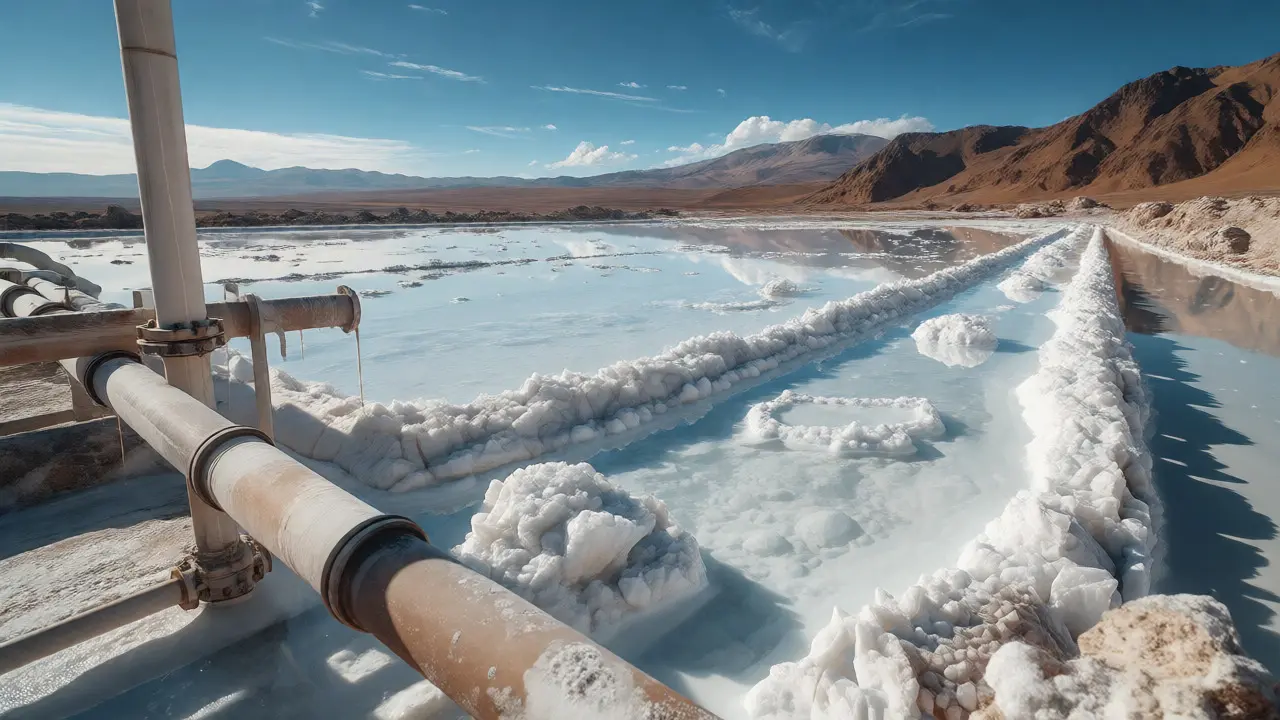
But here’s the catch: cheap lithium doesn’t mean easy access to usable lithium. There are two main sources: hard-rock mining (mostly spodumene from Australia) and brine extraction (from salt flats in Chile and Argentina). Hard-rock lithium is faster to produce but more energy-intensive. Brine takes months to evaporate but is cheaper once operational.
The real bottleneck isn’t mining; it’s conversion. Turning raw ore into battery-grade lithium carbonate or hydroxide requires specialized chemical plants. Most of this conversion capacity sits in China. This dependency creates a single point of failure. If shipping routes get disrupted or trade tariffs shift, automakers feel the pinch immediately. You see this ripple effect on dealership lots within weeks.
Nickel: The High-Energy Trade-Off
If lithium provides the ions, nickel provides the density. High-nickel cathodes allow batteries to store more energy per kilogram, which translates directly to longer driving ranges. That’s why premium EVs often use NMC (Nickel-Manganese-Cobalt) chemistries with high nickel content.
However, nickel comes with its own baggage. There are two types: Class 1 nickel, which is pure enough for batteries, and Class 2 nickel, used mostly for stainless steel. Only about 30% of mined nickel is Class 1. Indonesia has become the dominant player here, producing massive amounts of low-cost nickel via high-pressure acid leaching (HPAL). While this boosted supply, it also raised serious environmental concerns regarding tailings disposal in tropical ecosystems.
Automakers are now caught in a bind. They want high-nickel batteries for performance, but consumers are increasingly sensitive to price. This tension has pushed manufacturers toward LFP (Lithium Iron Phosphate) batteries, which skip nickel entirely. LFP is heavier and less energy-dense, but it’s cheaper and safer. The result? A bifurcated market where budget cars go LFP and luxury cars stick to high-nickel blends.
| Material | Primary Use | Top Producer (2026) | Key Risk Factor | Cost Volatility |
|---|---|---|---|---|
| Lithium | Cathode & Electrolyte | Australia (Mining), China (Processing) | Conversion Capacity Bottlenecks | High |
| Nickel | Energy Density | Indonesia | Environmental Regulations | Moderate-High |
| Cobalt | Stability & Safety | DRC (Democratic Republic of Congo) | Ethical Sourcing Concerns | Moderate |
| Graphite | Anode Material | China | Refining Purity Standards | Low |
The Cobalt Controversy
We can’t talk about battery metals without addressing cobalt. It stabilizes the cathode structure, preventing overheating. But most of the world’s cobalt comes from the DRC, where artisanal mining conditions remain problematic despite improvements. Brands like Tesla and BMW have aggressively reduced cobalt content in their cells to mitigate reputational risk and cost volatility.
By 2026, many mainstream EVs use less than 10% cobalt in their cathodes, compared to over 20% a decade ago. Some new solid-state prototypes aim to eliminate it entirely. If you’re worried about ethical sourcing, look for automakers publishing transparent supply chain audits. Not all do, and that opacity hides real risks.
Recycling: The Second Mine
Here’s where things get interesting. We aren’t just waiting for new mines to open. Recycling is becoming a viable source of raw materials. By 2030, recycled lithium could account for up to 10% of total demand. Companies like Redwood Materials and Li-Cycle are building gigafactories dedicated to breaking down old batteries.
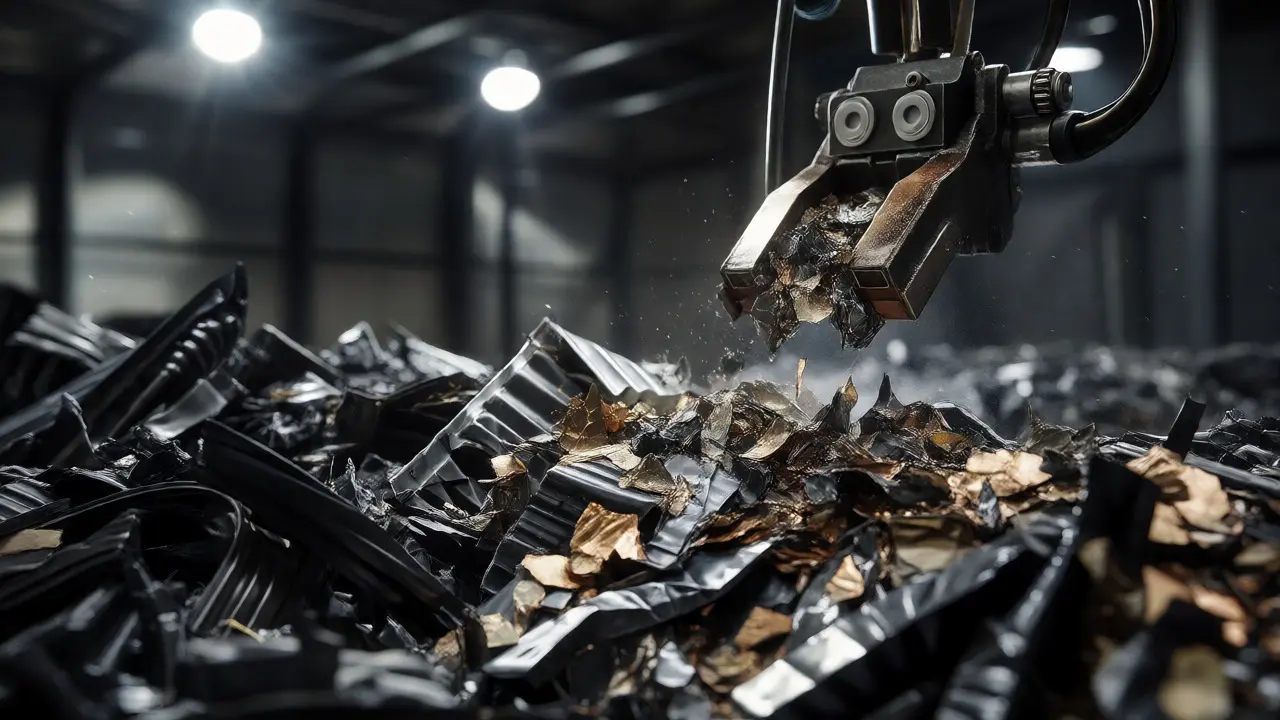
The process involves shredding battery packs, separating plastics and foils, and using hydrometallurgy to extract lithium, nickel, and cobalt salts. These recovered materials are chemically identical to virgin ones. The challenge? Scale. Most current recycling facilities handle small volumes. Until we hit a critical mass of retired EVs, recycling won’t replace mining. But it will buffer against price shocks.
For consumers, this means future EVs may carry a "recycled content" badge, similar to how paper products display post-consumer waste percentages. Expect premiums for vehicles with verified closed-loop material cycles.
Geopolitics and Supply Security
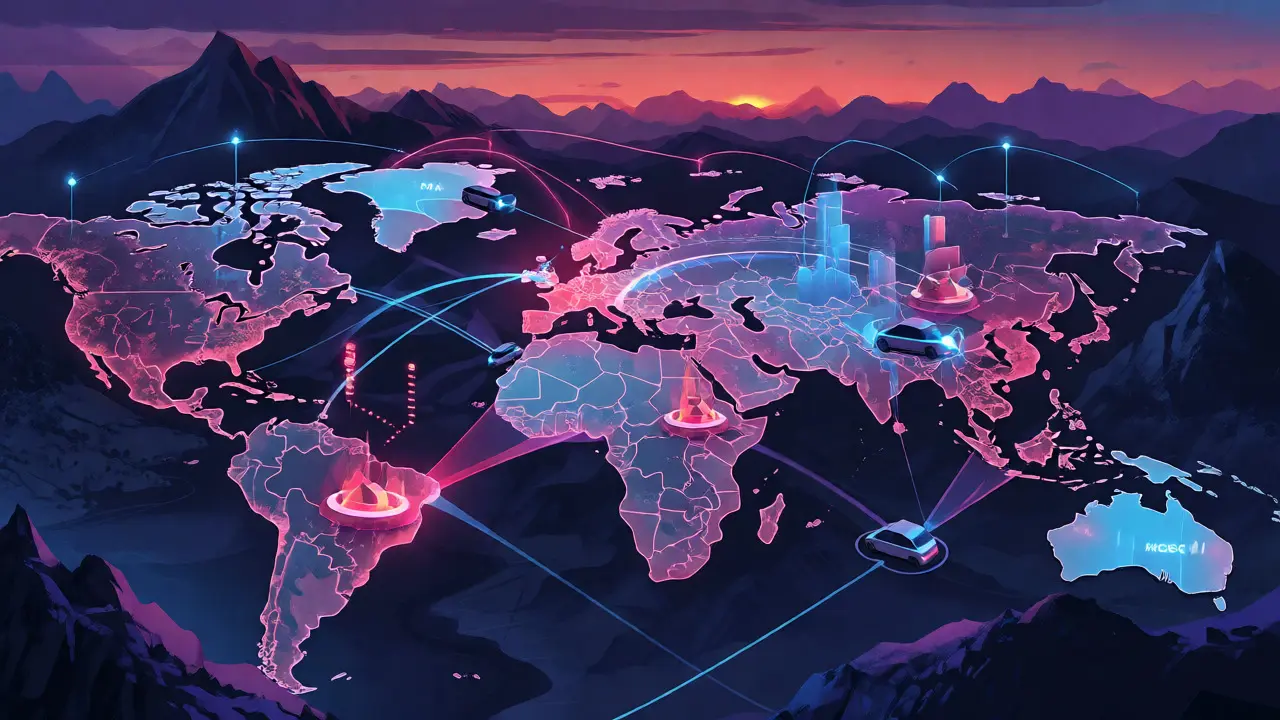
Supply chains are no longer neutral. The US Inflation Reduction Act and Europe’s Critical Raw Materials Act explicitly favor non-Chinese processed materials. This policy shift forces automakers to diversify suppliers rapidly. You’ll see more partnerships between Western miners and Asian processors, creating hybrid supply networks.
This fragmentation increases short-term costs but reduces long-term vulnerability. If a trade dispute halts Chinese exports of refined graphite, European factories with backup contracts in Japan or South Korea stay running. Those without backups face production halts. Your delivery date depends on these invisible logistical maneuvers.
What This Means for Car Buyers
So, how does this affect your next purchase? First, expect price stability rather than dramatic drops. The era of subsidized cheapness is ending as raw material costs normalize. Second, pay attention to battery chemistry. An LFP-based model might be 10-15% cheaper upfront but hold slightly lower resale value due to perceived range limitations. Third, consider longevity. Cars with easier-to-recycle designs may retain value better as sustainability metrics influence insurance and leasing terms.
Don’t ignore the fine print on warranty coverage related to battery degradation. Manufacturers know that nickel-rich batteries degrade faster under heat stress. If you live in a hot climate, ask about thermal management systems specifically designed for high-nickel cells.
Why is lithium so expensive if there's plenty of it?
While lithium reserves are abundant globally, the bottleneck is refining capacity. Extracting raw lithium is only half the battle; converting it into battery-grade chemicals requires specialized plants, most of which are concentrated in China. Building new refineries takes 3-5 years, creating lag times between supply and demand.
Will we run out of nickel?
We won't run out of total nickel, but we may face shortages of "Class 1" nickel suitable for batteries. Much of the newly mined nickel from Indonesia is lower grade. Processing it to battery standards adds cost and complexity. Demand for high-purity nickel is growing faster than supply can adapt.
Are recycled batteries as good as new ones?
Yes. Recycled lithium, nickel, and cobalt are chemically identical to virgin materials. Modern hydrometallurgical processes achieve recovery rates above 95%. The main limitation is volume availability, not quality. As more EVs retire, recycled materials will become a standard component of new batteries.
How do government policies affect battery prices?
Policies like the US Inflation Reduction Act require specific percentages of critical minerals to be extracted or processed in free-trade partner countries. This encourages investment in local mining and refining but can raise initial costs compared to cheaper global markets. Over time, these subsidies aim to stabilize prices by reducing reliance on single-source imports.
Which battery type is best for long-term ownership?
Lithium Iron Phosphate (LFP) batteries generally offer longer cycle life and better safety, making them ideal for daily commuters who prioritize durability over maximum range. High-nickel NMC batteries provide higher energy density for road trips but may degrade faster under heavy fast-charging usage. Choose based on your typical driving patterns.