
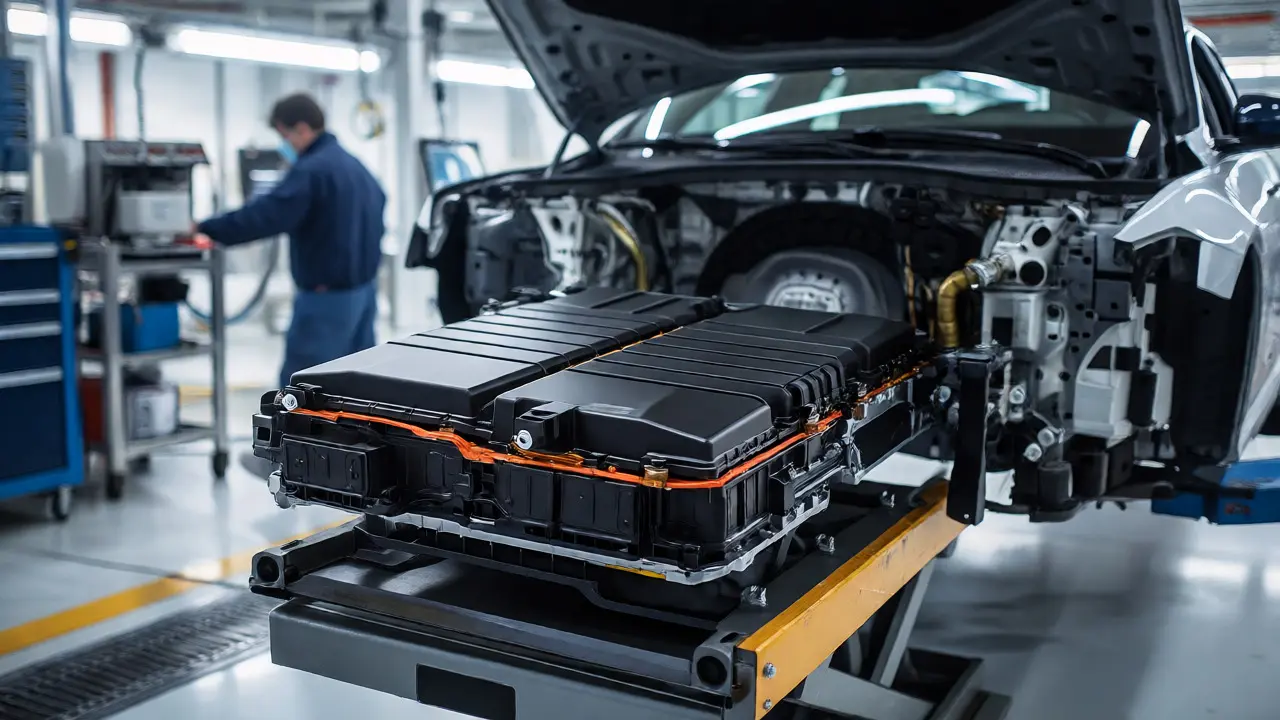
You just traded in your electric car. The dealer says the battery is "degraded" because it holds only 80% of its original charge. You feel a pang of loss-wasn't this tech supposed to last forever? But here is the twist: that battery isn't dead. It’s just retired from driving. In fact, an EV battery with 70-80% capacity is still powerful enough to run your home’s solar storage or power a streetlight for years. This is the core promise of second-life applications and battery recycling, turning what looks like waste into a critical resource for the green transition.
The Hidden Value in Retired Batteries
Think about the lifespan of a smartphone. When you stop using it, you don’t throw it away immediately; you might use it as a media player or a security camera. Electric vehicle (EV) batteries work on the same principle, but at a much larger scale. A battery pack designed for a Nissan Leaf or Tesla Model 3 needs high energy density and rapid discharge to accelerate a two-tonne car up a hill. Once that capacity drops below roughly 70-80%, it becomes less efficient for driving, causing reduced range. However, for stationary storage-like backing up a house during a blackout-that performance drop is irrelevant. The battery doesn’t need to sprint; it just needs to hold a charge steadily.
This distinction creates a massive economic opportunity. Manufacturing new lithium-ion cells is expensive and resource-intensive. Reusing existing packs cuts costs by 30-50% compared to buying new storage systems. Companies like Redwood Materials and Li-Cycle are building entire business models around this logic. They aren't just scrapping old cars; they are harvesting value. If you own an EV today, you’re essentially holding a depreciating asset that has a second career waiting for it.
How Second-Life Systems Actually Work
So, how do we turn a car battery into a house battery? It’s not as simple as plugging a cable into a wall socket. The process involves rigorous testing, reconfiguration, and safety checks. First, technicians assess the State of Health (SOH) of each module within the pack. They look for cell imbalance-a situation where one cell drains faster than others, which can cause overheating or failure.
Once healthy modules are identified, they are often repurposed into different configurations:
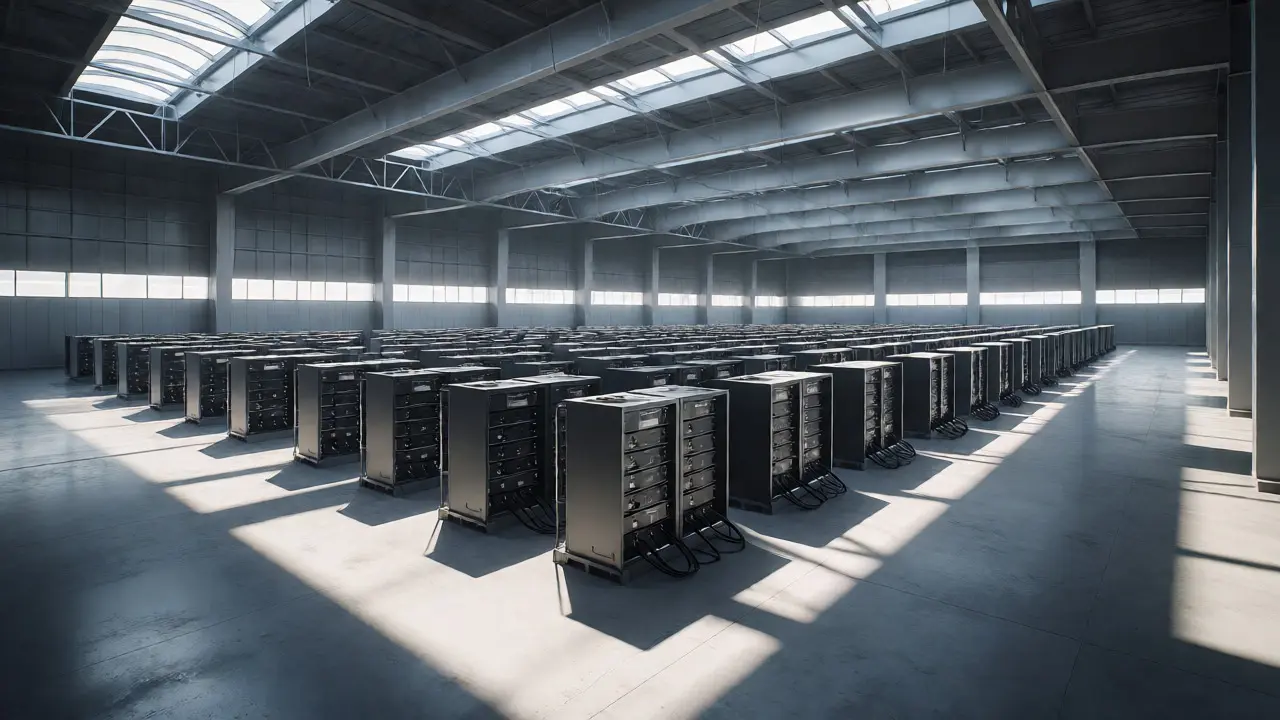
- Stationary Energy Storage Systems (ESS): Used in homes, commercial buildings, or grid-scale facilities to store renewable energy from wind and solar farms.
- Backup Power Units: Hospitals, data centers, and telecom towers use these to keep servers running when the main grid fails.
- Microgrids: Remote communities or military bases use second-life batteries to stabilize local power supplies, reducing reliance on diesel generators.
A notable example is the partnership between BMW and Vattenfall. BMW supplied used i3 battery packs to Vattenfall, who integrated them into a 10-megawatt-hour storage system in Hamburg. This project proved that automotive-grade components could handle industrial loads reliably. It wasn’t just a pilot; it was a proof of concept that scaled.
The Recycling Process: Closing the Loop
Not every battery gets a second life. Eventually, even the best-reused packs degrade to a point where they can no longer hold a useful charge. That’s when true recycling kicks in. Unlike lead-acid batteries, which have been recycled at rates over 95% for decades, lithium-ion recycling is still maturing. The goal is to recover valuable raw materials: cobalt, nickel, lithium, manganese, and copper.
There are two primary methods currently in use, each with distinct advantages and drawbacks:
| Method | Process Description | Recovery Rate | Environmental Impact |
|---|---|---|---|
| Pyrometallurgy | High-temperature smelting melts down battery components. Metals are separated based on melting points. | ~60-70% for Cobalt/Nickel/Copper; Low for Lithium/Aluminum. | High energy consumption; significant CO2 emissions; requires careful gas scrubbing. |
| Hydrometallurgy | Uses aqueous chemical solutions to dissolve and precipitate specific metals after mechanical shredding. | >95% for most target metals including Lithium. | Lower energy use than smelting; produces wastewater requiring treatment; scalable. |
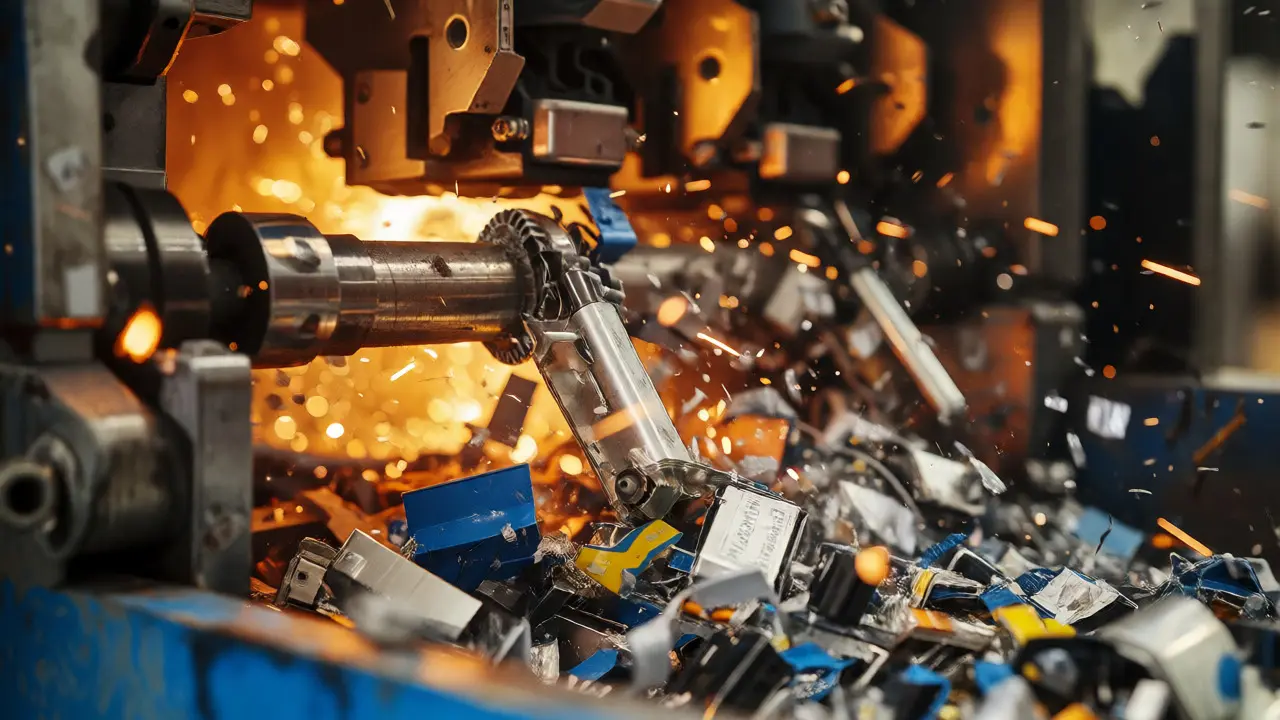
Most modern facilities, such as those operated by Umicore in Belgium, combine both methods. They shred the battery first to separate plastics and steel, then use hydrometallurgical processes to extract pure metal salts. These salts can be fed directly back into battery manufacturing plants, creating a closed-loop supply chain. This reduces the need for mining new ore, which is often associated with environmental damage and ethical concerns regarding labor practices in regions like the Democratic Republic of Congo.
Economic and Environmental Trade-offs
Is second-life always better than recycling? Not necessarily. It depends on the chemistry of the battery and the market conditions. For instance, Nickel Manganese Cobalt (NMC) batteries, common in Tesla and GM vehicles, have higher residual value for reuse due to their robust cycle life. Lithium Iron Phosphate (LFP) batteries, increasingly popular in Chinese-made EVs and entry-level models, have a longer calendar life but lower energy density. They are excellent candidates for stationary storage but may fetch lower prices in the secondary market if new LFP cells become extremely cheap.
Here’s a rule of thumb for stakeholders: If the cost of new cells falls below $80 per kWh, the economics of second-life applications tighten. Currently, new cell prices hover around $100-$110 per kWh, making reuse highly attractive. However, if you factor in the cost of disassembly, testing, and warranty support, the margin shrinks. Recycling, while capital-intensive upfront, provides a hedge against volatile raw material prices. When cobalt prices spike, recyclers profit significantly. When they crash, the incentive shifts toward volume processing.
Consider the carbon footprint. Studies indicate that extending a battery's life by five years through second-use applications can reduce its total lifecycle carbon emissions by up to 40%. This happens because you avoid the embodied carbon of manufacturing a new product. However, transporting heavy battery packs across continents adds to the footprint. Localized recycling hubs, like the emerging cluster in the UK Midlands, help mitigate this by keeping logistics short.
Challenges Facing the Industry Today
Despite the potential, several hurdles remain. One major issue is standardization. Every manufacturer designs their battery packs differently. A Ford Mustang Mach-E pack looks nothing like a Hyundai Ioniq 5 pack. This lack of uniformity makes automated disassembly difficult and expensive. Robots struggle to handle unique connectors and proprietary cooling systems. Until manufacturers adopt modular designs that allow easy swapping of cells, recycling will remain partly manual and costly.
Another challenge is safety. Damaged lithium-ion batteries can catch fire if mishandled. Thermal runaway-a self-sustaining reaction that causes intense heat-can occur if a punctured cell contacts oxygen or moisture. Workers in recycling facilities must wear protective gear and follow strict protocols. Insurance costs for these facilities are also rising as insurers assess the risks of storing thousands of potentially unstable battery units.
Regulatory frameworks are still catching up. In the EU, the new Battery Regulation mandates that by 2031, all portable batteries must contain minimum levels of recycled cobalt, lead, lithium, and nickel. This forces automakers to engage with recyclers earlier in the design phase. In the US, incentives under the Inflation Reduction Act favor domestically sourced and processed materials, pushing companies to build more recycling capacity on American soil rather than shipping scrap to Asia.
What This Means for EV Owners
If you drive an EV, you might wonder: "Will my battery retain value?" Yes, but the definition of value is changing. Resale value now includes the potential for battery health certification. Buyers are asking for SOH reports just like they ask for mileage. A car with a verified 90% SOH commands a premium. Conversely, a degraded pack isn't a write-off; it’s a component that can be sold separately or credited against a replacement.
Maintaining your battery helps maximize its second-life potential. Avoid frequent ultra-fast charging to 100% unless necessary, as this stresses the cells. Keep the car parked in shaded areas to prevent thermal degradation. Simple habits extend the calendar life, ensuring that when you do upgrade, your old pack is worth more to a recycler or a second-life integrator.
The Future of Circular Mobility
We are moving toward a model where batteries are treated as assets, not consumables. Imagine a subscription service where you pay for miles driven, not the battery itself. The manufacturer retains ownership of the pack, monitors its health remotely, and swaps it out when efficiency drops. This "Battery-as-a-Service" model removes the fear of obsolescence for consumers and guarantees a steady stream of returnable packs for the industry.
By 2030, the first generation of mass-market EVs will reach end-of-life in large numbers. We expect a surge in specialized facilities dedicated solely to handling these returns. The technology exists; the economics are aligning. The only missing piece is widespread consumer awareness. Knowing that your old battery powers a streetlamp instead of sitting in a landfill changes how you view your purchase. It turns a transactional decision into a contribution to a sustainable loop.
Do all EV batteries get reused?
No. Only batteries with sufficient State of Health (typically above 70-80%) and structural integrity are suitable for second-life applications. Severely damaged or chemically degraded packs go straight to recycling to recover raw materials.
Is second-life battery storage safe?
Yes, when properly managed. Second-life systems undergo rigorous testing and are equipped with Battery Management Systems (BMS) that monitor temperature and voltage. While risks exist, incidents are rare and comparable to traditional electrical fires when safety standards are followed.
Which battery chemistry is easiest to recycle?
Nickel Manganese Cobalt (NMC) and Lithium Cobalt Oxide (LCO) are currently easier to recycle profitably due to the high value of cobalt and nickel. Lithium Iron Phosphate (LFP) batteries are harder to recycle economically right now because their constituent materials (iron, phosphate) are cheaper, though recovery rates are improving.
How long does a second-life battery last?
Second-life applications typically extend a battery's usable life by 5 to 10 years, depending on usage patterns. Stationary storage places less stress on the cells than driving, allowing them to endure thousands more cycles before final recycling.
Can I sell my old EV battery separately?
It is difficult for individual owners to sell batteries separately due to logistics and liability issues. Most transactions happen through dealerships or certified recyclers who handle the removal, transport, and testing. Some niche markets exist for hobbyists, but professional channels dominate.