

You remember the early days of electric cars, right? The anxiety wasn't just about running out of juice; it was about waiting hours for a charge that barely got you to the next town. Fast forward to late 2026, and that narrative feels ancient. Battery technology advancement has fundamentally rewritten the rules of electric vehicle (EV) performance. We aren't just talking about slightly better mileage anymore. We are seeing shifts in chemistry, architecture, and manufacturing that make internal combustion engines look like relics from a different era.
If you're looking to buy an EV or just curious why your friend's new Tesla charges faster than your phone, you need to understand what's actually happening under the hood. It’s not magic. It’s engineering. Let's break down how recent breakthroughs are directly translating into real-world driving improvements, without getting bogged down in jargon you won't use at dinner parties.
The Shift from Liquid to Solid-State Electrolytes
For years, the standard has been liquid electrolytes in lithium-ion cells. They work, but they have limits. They can leak, they degrade over time, and they pose a fire risk if punctured. Enter solid-state batteries, which replace that flammable liquid with a solid material, often ceramic or glass-based. Why does this matter for you? Because solid-state designs allow for higher energy density. In plain English? You pack more power into the same physical space.
Companies like Toyota and QuantumScape have been pushing hard on this. By October 2026, we’re seeing pilot programs in luxury models where range jumps by 30-50% compared to traditional lithium-ion packs. But it’s not just about distance. Solid-state batteries handle heat better, meaning less degradation over thousands of cycles. Your car holds its value longer because the battery doesn’t fade as quickly. This is a massive win for resale prices, something every buyer cares about.
However, don't expect them in budget hatchbacks tomorrow. Manufacturing solid-state cells at scale is still tricky. Costs remain high, so for now, they are trickling down from premium vehicles. If you want the absolute cutting edge in longevity and safety, keep an eye on these tech-heavy models.
Charging Speeds That Feel Like Filling Up Gas
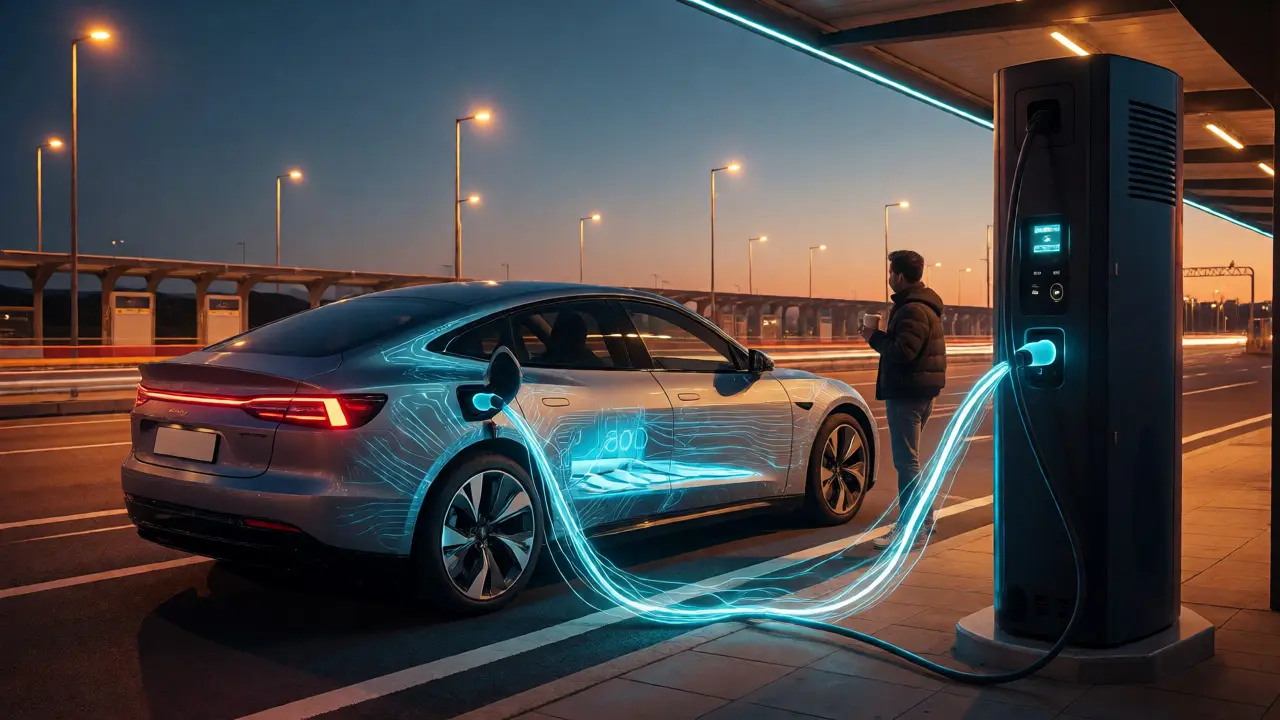
Remember when "fast charging" meant 45 minutes to get to 80%? Now, thanks to improvements in cathode materials and thermal management systems, some EVs can add 100 miles of range in under five minutes. This shift is driven by 800-volt architectures, which reduce electrical resistance and allow higher current flow without overheating.
Hyundai’s E-GMP platform and Porsche’s Taycan were early adopters, but by 2026, this tech is becoming mainstream. The key here isn't just the car; it's the network. High-power chargers are popping up along major UK motorways, reducing the "range anxiety" that kept many drivers loyal to petrol. If you plan long road trips, check if your potential EV supports ultra-fast DC charging. It changes the entire travel experience from "stop and wait" to "stop, stretch legs, go."
| Feature | Lithium-Ion (NMC) | Lithium Iron Phosphate (LFP) | Solid-State |
|---|---|---|---|
| Energy Density | High | Moderate | Very High |
| Cost | Medium-High | Low | Very High |
| Lifespan (Cycles) | 1,000-2,000 | 3,000-5,000 | 5,000+ |
| Cold Weather Performance | Poor | Average | Good |
| Availability | Widespread | Widespread | Limited/Premium |
LFP Batteries: The Budget-Friendly Hero
While solid-state gets the headlines, Lithium Iron Phosphate (LFP) batteries are quietly dominating the market for affordable EVs. Unlike Nickel Manganese Cobalt (NMC) batteries, LFP cells don't use cobalt, making them cheaper and ethically easier to source. They also last significantly longer-often exceeding 3,000 charge cycles before significant degradation.
The trade-off? Lower energy density. An LFP-powered car might weigh more or have slightly less range than its NMC counterpart. But for city commuters and daily drivers, who needs 400 miles? 250 miles is plenty. Plus, LFP batteries are safer and tolerate being charged to 100% regularly, whereas NMC batteries prefer staying between 20-80%. If you're buying a second car or a compact EV, ask if it uses LFP. It could save you money upfront and hassle later.
Structural Battery Packs: More Room, Less Weight
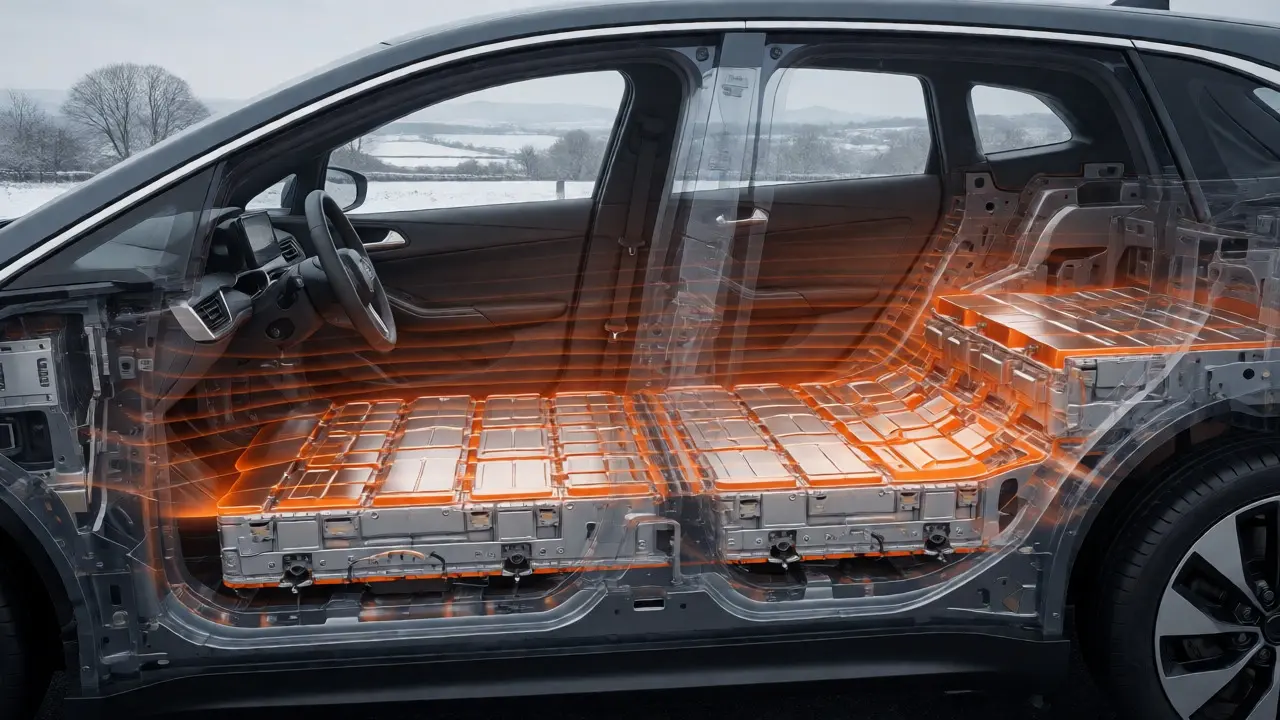
Traditional EVs have heavy chassis frames with battery modules bolted onto them. Newer designs integrate the battery cells directly into the vehicle structure. Think of it like building a house where the bricks are also the walls. Companies like Tesla call this "structural battery packs," while others refer to it as "cell-to-chassis" design.
This approach removes redundant parts, cutting weight by up to 10%. Lighter cars mean better efficiency and sharper handling. Suddenly, an EV isn't just a heavy appliance; it drives like a sports car. The structural integrity also improves crash safety, as the battery pack acts as a rigid cage around passengers. When you test-drive a modern EV, notice how planted it feels. That's partly due to this integration.
Cold Weather Performance Fixes
Living in Bristol, I know cold winters kill EV range. Early models lost 30-40% of their range in freezing temperatures. Why? Chemical reactions slow down, and heating the cabin drains the battery. Recent advancements focus on pre-conditioning systems and heat pumps. Instead of resistive heaters that guzzle power, heat pumps move existing heat from the air or battery itself into the cabin.
Newer battery chemistries also operate efficiently at lower temperatures. Some 2026 models include self-heating elements within the cell stack, warming the battery before charging begins. This means faster charging even in winter. If you live in a colder climate, prioritize cars with robust thermal management systems. It’s not just about comfort; it’s about keeping your range predictable.
Recycling and Second-Life Applications
What happens when an EV battery dies? It doesn't go to landfill. Modern recycling processes recover over 95% of valuable metals like lithium, nickel, and cobalt. These materials feed back into new battery production, closing the loop. This reduces reliance on mining and lowers the carbon footprint of each new car.
Before recycling, used EV batteries find a second life in stationary storage. Old Nissan Leaf packs, for example, store solar energy for homes or grid stabilization. This extends the economic value of the battery beyond the car's lifespan. As a consumer, knowing your battery is part of a circular economy adds peace of mind. It’s sustainable tech in action, not just greenwashing.
Key Takeaways
- Solid-state batteries offer higher density and safety but remain expensive and limited to premium models in 2026.
- LFP batteries provide cost-effective, durable solutions for daily drivers, despite lower energy density.
- 800-volt architectures enable ultra-fast charging, reducing stop times to near gas-station levels.
- Structural packs reduce weight and improve handling by integrating cells into the car's frame.
- Thermal management improvements mitigate cold-weather range loss, crucial for UK drivers.
Are solid-state batteries ready for mass adoption?
Not yet for the average buyer. While prototypes show promise, manufacturing costs remain high. Expect widespread availability in mainstream models around 2028-2030, once production scales up and prices drop.
Which battery type is best for UK weather?
Look for vehicles with advanced heat pump systems and battery preconditioning features. Both NMC and LFP can perform well if managed correctly, but newer chemistries with built-in heating elements handle cold starts better.
Do LFP batteries degrade slower than NMC?
Yes, generally. LFP batteries typically endure 3,000+ charge cycles with minimal capacity loss, compared to 1,000-2,000 for NMC. They also tolerate full charges better, making them ideal for users who don't want to micromanage their state of charge.
How does structural battery design affect repairability?
It can be trickier. Since cells are glued into the chassis, replacing a single faulty module might require cutting into the structure. However, overall durability is higher, reducing the frequency of repairs needed.
Is fast charging bad for battery health?
Modern BMS (Battery Management Systems) regulate charging speeds to protect cells. Occasional ultra-fast charging is fine. Regular, daily use of maximum power can accelerate wear slightly, but most warranties cover degradation for 8+ years.