
Here are the key things you need to know before signing the papers:
- Range is a suggestion, not a promise. Real-world winter driving can drop your mileage by 20-30%.
- Charging speed (kW) matters more than battery size for long trips.
- Software-defined vehicles can get better over time, but hardware gaps are permanent.
The Heavy Hitters: Range and Performance
When we talk about luxury, we usually mean a seamless blend of power and endurance. In 2026, the benchmark for a high-end EV is a real-world range of at least 350 miles. Lucid Air is an ultra-luxury electric sedan known for having the highest energy efficiency and longest range in the industry. The Air Sapphire, for example, pushes the boundaries of physics with a tri-motor setup, but the Grand Touring trim is where the real value lies for those who want to cross continents without stopping every two hours.
Then you have the Mercedes-Benz EQS, which represents the pinnacle of S-Class luxury translated into an electric powertrain. While the EQS might not win a drag race against a Tesla, its ride quality is unmatched. It uses an air suspension system that feels like floating on a cloud, which is exactly what you want when you're cruising at 70 mph on the motorway.
For those who need more space, the BMW iX is a standout. It's not a traditional sedan, but its interior is a masterclass in sustainable luxury. Instead of old-school wood veneers, you get open-pore trims and recycled textiles that feel more expensive than cowhide. It balances a hefty battery pack with a chassis that handles surprisingly well for its size.
| Model | Estimated Range (EPA/WLTP) | 0-60 mph | Primary Strength |
|---|---|---|---|
| Lucid Air Grand Touring | 516 miles | 2.5 sec | Maximum Efficiency |
| Mercedes-Benz EQS | 340-450 miles | 4.1 sec | Cabin Comfort |
| BMW iX xDrive60 | 320 miles | 3.8 sec | Build Quality |
| Tesla Model S Plaid | 390 miles | 1.99 sec | Acceleration/Network |
| Porsche Taycan | 310 miles | 2.4 sec | Driving Dynamics |
Charging Infrastructure: The True Luxury
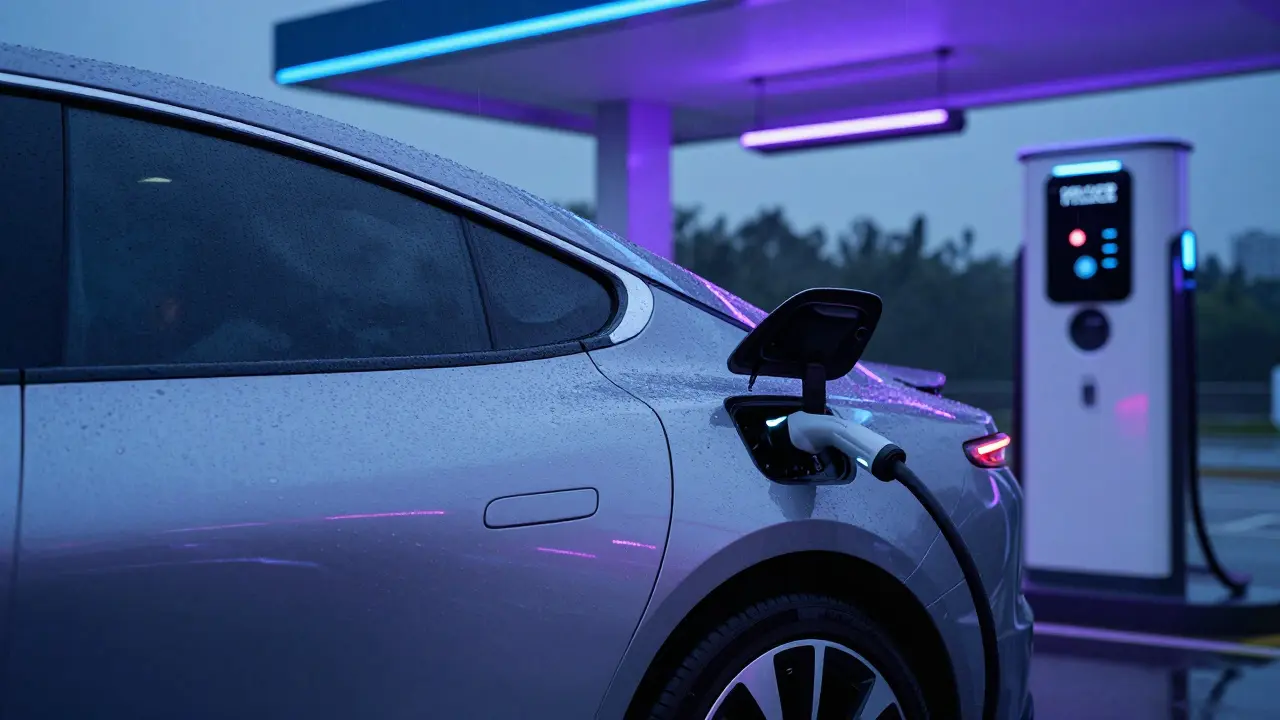
Having a 100kWh battery is useless if it takes six hours to fill. The real luxury in 2026 is charging speed. We have moved past the era of slow chargers. Now, we look at 800-volt Architecture, which is a high-voltage electrical system that allows EVs to charge significantly faster and run more efficiently than standard 400-volt systems.
The Porsche Taycan is the gold standard here. Because it uses an 800-volt system, you can jump from 10% to 80% battery in under 20 minutes at a compatible DC fast charger. If you're the type of person who hates waiting, this is the only metric that matters. It turns a stressful road trip into a quick coffee break.
On the other hand, Tesla's advantage has always been the Supercharger Network, which is the most reliable and widespread fast-charging infrastructure globally. While other brands are catching up by adopting the NACS (North American Charging Standard), Tesla still offers the most seamless "plug and play" experience. You don't have to fiddle with three different apps just to get some power.
Pro tip: If you're buying a luxury EV, check if it supports Bi-directional Charging. This allows your car to act as a giant power bank for your home during a blackout or to power camping gear. It's a feature that's moving from "neat trick" to "essential luxury."
Tech and the Digital Cockpit
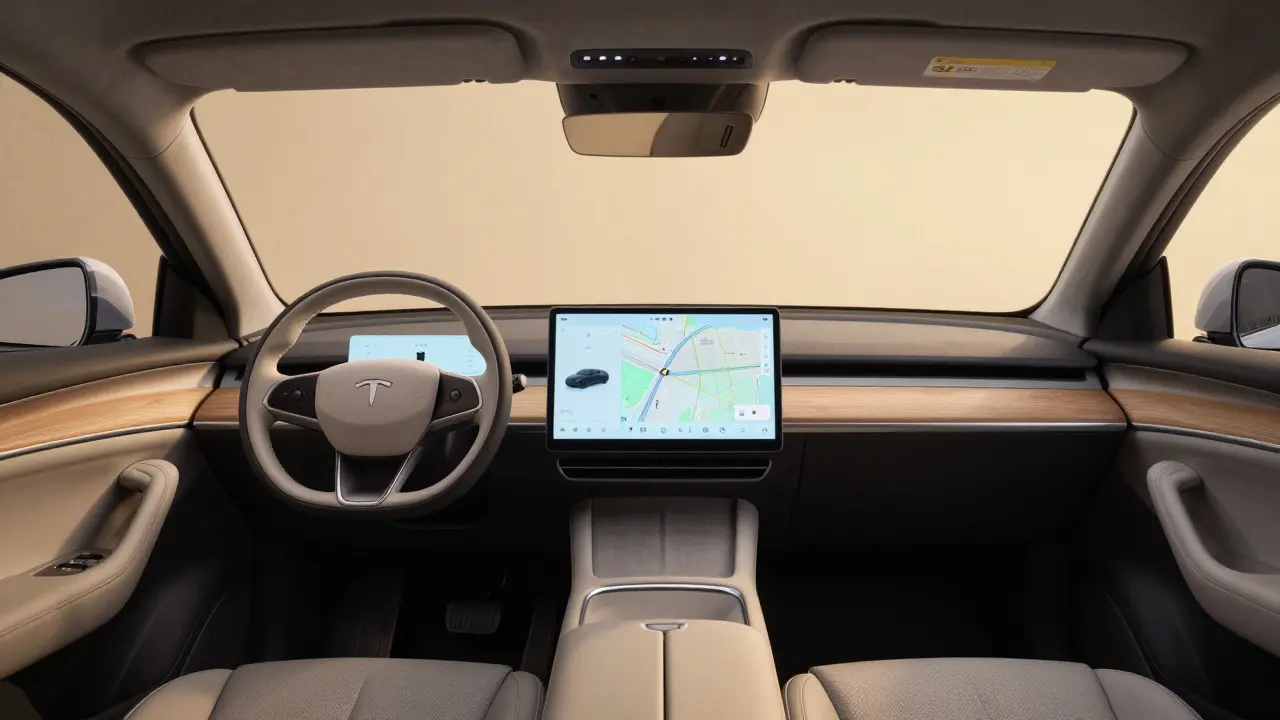
Gone are the days when a big screen was enough. Today, luxury tech is about integration and invisibility. The Mercedes Hyperscreen is a prime example. It's essentially a curved piece of glass that stretches across the entire dashboard, combining three screens into one. It looks like something out of a sci-fi movie, and it keeps everything from navigation to climate control within a fingertip's reach.
But tech can also be a headache. Over-the-air (OTA) updates are now standard, meaning your car's braking distance or battery efficiency can actually improve while it sits in your garage. However, you want a system that doesn't lag. A luxury car with a stuttering infotainment system feels cheap, regardless of how much leather is in the seats.
We're also seeing a huge push into Level 3 Autonomy, which is a degree of driving automation where the car can handle all aspects of driving under specific conditions, allowing the driver to take their eyes off the road. Mercedes has been a leader here, offering systems that let you relax on certain highways. Just remember, these systems have strict geographic and speed limits-they aren't magic wands that let you sleep while driving to the coast.
Practical Trade-offs: What to Avoid
Don't get blinded by the spec sheet. A car with a 500-mile range might be incredibly heavy, which affects the handling and makes the car feel like a boat. There is a constant tug-of-war between battery size and agility. If you mostly commute in the city, a massive battery is just extra weight you're paying to carry around.
Watch out for "proprietary' tech that locks you into one ecosystem. You want a car that plays well with both Apple CarPlay and Android Auto. Some luxury brands try to force you into their own app stores, which often means a clunkier interface and less reliable navigation. If the car's native maps are terrible and it doesn't support your phone's OS, you're paying for a limitation, not a feature.
Another pitfall is ignoring the Heat Pump. If you live in a colder climate, a heat pump is non-negotiable. Traditional resistive heaters suck the life out of an EV battery in winter. A heat pump moves heat more efficiently, saving you from that dreaded 30% drop in range when the temperature hits freezing.
Choosing the Right One for Your Life
If you're a tech enthusiast who wants the fastest acceleration and the easiest charging, the Tesla Model S Plaid remains the pragmatic choice. It's less about 'luxury' in the traditional sense and more about 'efficiency and speed.'
If you want a rolling lounge where you can actually relax and forget you're in traffic, go for the Mercedes EQS. It's the most 'traditional' luxury experience and focuses on the passenger experience above all else.
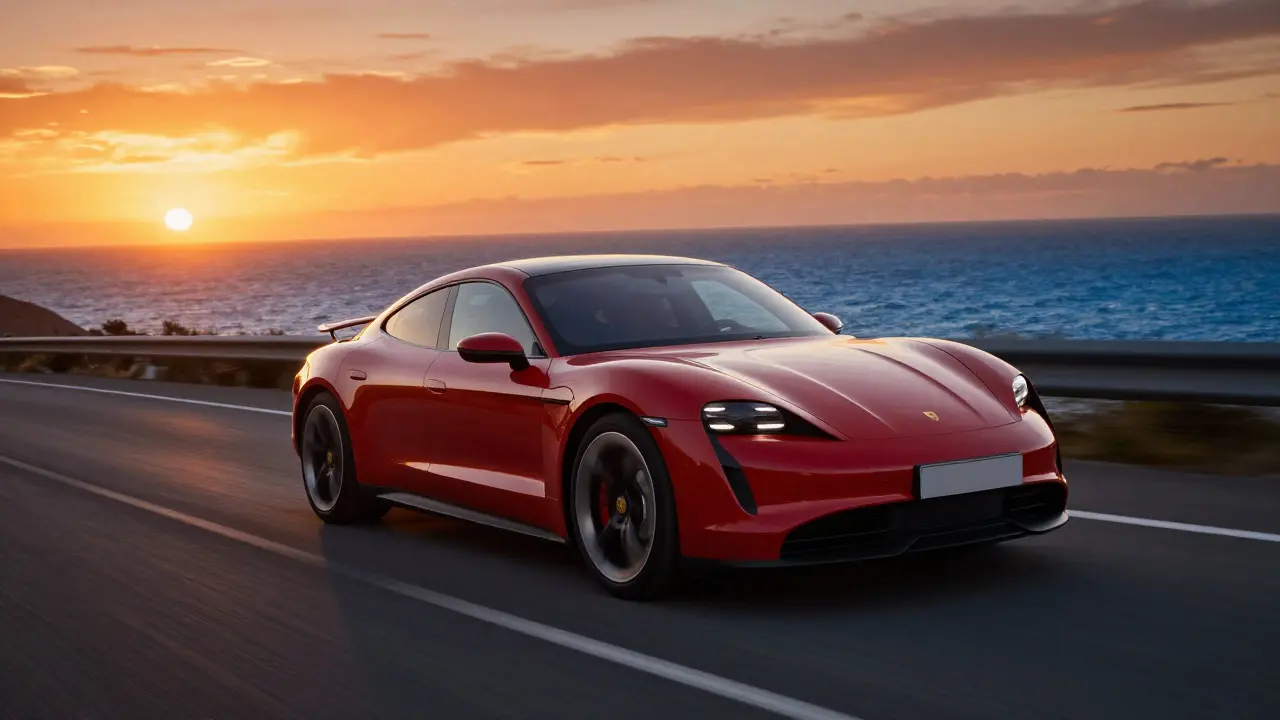
For the driver who actually enjoys the act of driving-taking corners, feeling the road, and precise steering-the Porsche Taycan is the only answer. It proves that an EV can have a soul and a level of chassis tuning that rivals the best gas-powered sports cars.
Do luxury EVs hold their value better than luxury gas cars?
Generally, no. EVs have seen steeper depreciation because battery technology evolves so quickly. A five-year-old EV might feel like a dinosaur compared to the latest solid-state battery tech. To mitigate this, look for brands with strong residual value guarantees or consider leasing if you plan to upgrade every three years.
How long do the batteries in these high-end EVs actually last?
Most luxury manufacturers guarantee their batteries for 8 years or 100,000 miles. Modern battery management systems (BMS) prevent the battery from fully discharging or overcharging, which significantly slows down degradation. In most cases, you'll see about a 10% loss in capacity after five years of normal use.
Is a home charger necessary for a luxury EV?
Yes, absolutely. Relying solely on public fast chargers is expensive and time-consuming. Installing a Level 2 charger at home allows you to wake up every morning with a 'full tank.' It's the single biggest factor in making EV ownership feel luxurious rather than like a chore.
Which is better: AWD or RWD for luxury EVs?
For luxury EVs, All-Wheel Drive (AWD) is usually preferred. It's not just about snow; it's about stability and performance. AWD uses multiple motors to distribute torque instantly, which provides a smoother, more controlled surge of power that fits the 'luxury' feel better than the occasional snap-oversteer of a rear-wheel-drive setup.
Are luxury EVs really more sustainable?
They are better for the air in cities, but the manufacturing process (especially battery mining) has a high carbon footprint. However, over the life of the vehicle, they are significantly cleaner than gas cars. Many luxury brands are now using 'vegan leather' and recycled ocean plastics to reduce their total environmental impact.
Next Steps for Buyers
Before you head to the dealership, start with a charging audit. Map out your most common long-distance routes and see where the fast chargers actually are. Don't trust the car's built-in map alone; use third-party apps to check if chargers are frequently offline.
Next, decide on your 'must-have' tech. Do you need Level 3 autonomy for your commute, or is a high-fidelity sound system more important? Once you have your priority list, take a test drive specifically on the highway. City driving is easy for any EV; the real test of a luxury vehicle is how it handles wind noise, lane keeping, and suspension damping at 70 mph.
Comments
Johnathan Rhyne
Actually, the 'soul' argument is just a nostalgic fever dream for people who miss smelling gasoline in their garage. While the prose here is mostly adequate, the notion that a Porsche Taycan possesses a 'soul' is a delightfully flamboyant piece of marketing fluff that I'm happy to swallow if the acceleration keeps my internal organs pinned to the seat.
April 13, 2026 at 18:12
Lauren Saunders
Please. If you're actually considering a Tesla, you've already conceded that you value utility over genuine artistry. Real luxury is the EQS, though even that feels a bit pedestrian for those of us who actually understand bespoke craftsmanship.
April 15, 2026 at 09:34
sonny dirgantara
i just want a car that dont break lol
April 16, 2026 at 09:35
Andrew Nashaat
The lack of consistency in the punctuation of the table is simply appalling!!! However, the point about heat pumps is spot on, because anyone who ignores thermodynamics in a cold climate is basically asking to be stranded on the side of the road... and that is a moral failure of preparation!!!
April 16, 2026 at 10:22
Sanjay Mittal
For those looking at the 800V architecture, keep in mind that the actual charging curve is what matters. Even if a car supports high peak kW, if it throttles down too early, the real-world time saved is minimal. Always check the 10-80% graph rather than just the peak number.
April 17, 2026 at 03:18
Jamie Roman
I've been thinking a lot about the home charging aspect and how it really changes the psychological relationship we have with our vehicles, almost like how we stopped thinking about filling gas tanks once we had garages, and I wonder if the transition to NACS will eventually make the whole experience so invisible that we forget the anxiety entirely, although I still find myself worrying about those long stretches of highway in the Midwest where the infrastructure is still a bit patchy and unpredictable.
April 18, 2026 at 22:11
Salomi Cummingham
Oh my goodness, the absolute tragedy of the depreciation mentioned here is enough to make anyone weep into their vegan leather seats! It is a complete and utter nightmare to imagine spending six figures on a masterpiece of engineering only to watch its value plummet like a stone in a pond just because a new battery chemistry was discovered in a lab somewhere across the world, which is why I simply cannot fathom buying these vehicles outright without a very strategic lease agreement in place to protect my sanity and my bank account!
April 19, 2026 at 11:59
Gina Grub
the hvac thermal management in these units is mid at best. we're talking about parasitic draw that nukes the SoC during pre-conditioning in sub-zero temps. total failure of the BMS logic in most non-Tesla platforms. absolute shambles
April 20, 2026 at 12:54
Sandy Pan
There is a poetic irony in spending a fortune to buy a car that allows us to 'disconnect' while being more digitally connected to the manufacturer than ever before. We are buying a sanctuary that is also a data stream. It is a beautiful, shimmering contradiction.
April 20, 2026 at 20:43
Nathan Jimerson
It is great to see so many options hitting the market for 2026. The competition will only drive the technology forward and make these amazing cars more accessible for everyone in the long run.
April 22, 2026 at 14:44
Jawaharlal Thota
I really believe that the shift toward sustainable materials in the BMW iX is a wonderful step forward for the industry and it is so encouraging to see that luxury doesn't have to mean animal products, which shows that we can maintain a high standard of living while being mindful of the planet and the future of the next generation who will inherit these roads.
April 23, 2026 at 14:45
Nick Rios
I think everyone has a valid point here and it's just a matter of what fits your specific lifestyle best. Some people need the range, others just want the comfort, and that's perfectly fine.
April 24, 2026 at 02:13
Taylor Hayes
I totally hear where you're coming from regarding the range anxiety, and it's a completely natural feeling when you're switching to electric for the first time. Just take it one trip at a time and use the tools available to plan; you'll find your rhythm and it'll start feeling like second nature before you know it.
April 25, 2026 at 02:49