
You found the perfect used car online. The photos look clean, the mileage is reasonable, and the price fits your budget. But before you hand over your cash or sign that finance agreement, there is one non-negotiable step: the test drive. Skipping it is like buying a house without walking through the rooms first. You might miss the cracks in the foundation, the weird smell in the basement, or the fact that the plumbing sounds like a dying cat.
A test drive isn't just about seeing if the engine starts. It’s a diagnostic session where your senses are the tools. Whether you’re looking at a hatchback for city commuting or an SUV for family trips, how you approach this hour can save you thousands in hidden repairs. Here is how to do it right, ensuring you don’t buy someone else’s problem.
Preparation Before You Even Touch the Key
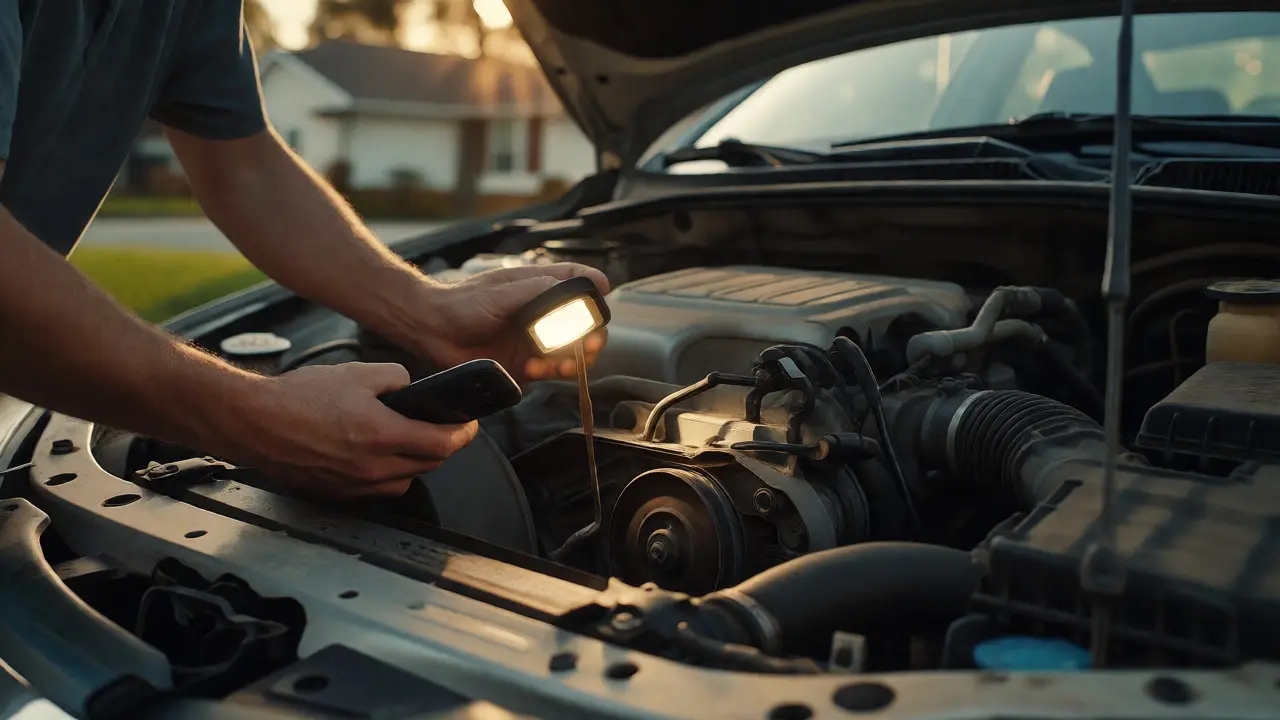
Most people jump straight into the driver’s seat. That’s a mistake. Start outside. Bring a flashlight (your phone torch works) and wear shoes you can feel pedals through-no flip-flops or heavy boots. If possible, bring a friend. Two sets of eyes and ears catch more issues than one.
Check the tires. Look for uneven wear patterns. If the inner edge is bald but the outer looks fine, you’ve got alignment or suspension issues waiting to happen. Check the tire dates too; tires older than six years can be dangerous regardless of tread depth. Look under the car for fresh fluid leaks. Oil, coolant, or transmission fluid on the ground tells you something is currently leaking. Don’t ignore small drips; they become big bills later.
Open the hood. You don’t need to be a mechanic, but look for obvious red flags. Is the oil milky? That could mean a blown head gasket. Are there signs of rust or welding around the chassis rails? That hints at previous accident repair. A quick visual scan here filters out the worst candidates before you waste time driving them.
The Cold Start: What Happens in the First Minute
Ask the seller not to warm up the car before you arrive. You want a cold start. Why? Because engines hide problems when they’re hot. A cold start reveals hard starting issues, unusual noises, and smoke from the exhaust.
Turn the key. Listen. Does it crank slowly? That could be a weak battery or starter motor. Once it fires, watch the exhaust. A puff of white vapor is normal condensation. Thick blue smoke means burning oil. Black smoke suggests running rich (too much fuel). Persistent white smoke that smells sweet indicates coolant entering the combustion chamber-a costly fix.
Let it idle for two minutes. Feel the steering wheel. Excessive vibration at idle often points to worn engine mounts or misfiring cylinders. Check the dashboard warning lights. They should all illuminate briefly and then turn off. If the check engine light stays on, ask why. If it’s been cleared recently, the underlying issue might still be lurking.
Driving Dynamics: City, Highway, and Hills
Don’t just circle the block. Your test drive needs variety. You need to stress the car in different conditions to see how it behaves under load.
Start in the city. Stop-and-go traffic tests the transmission, brakes, and low-speed handling. Drive over speed bumps. Do you hear clunks? That’s likely worn suspension components like bushings or ball joints. Accelerate gently from a stop. Does the car jerk or hesitate? Automatic transmissions should shift smoothly. Manual cars should engage without grinding gears or slipping clutch.
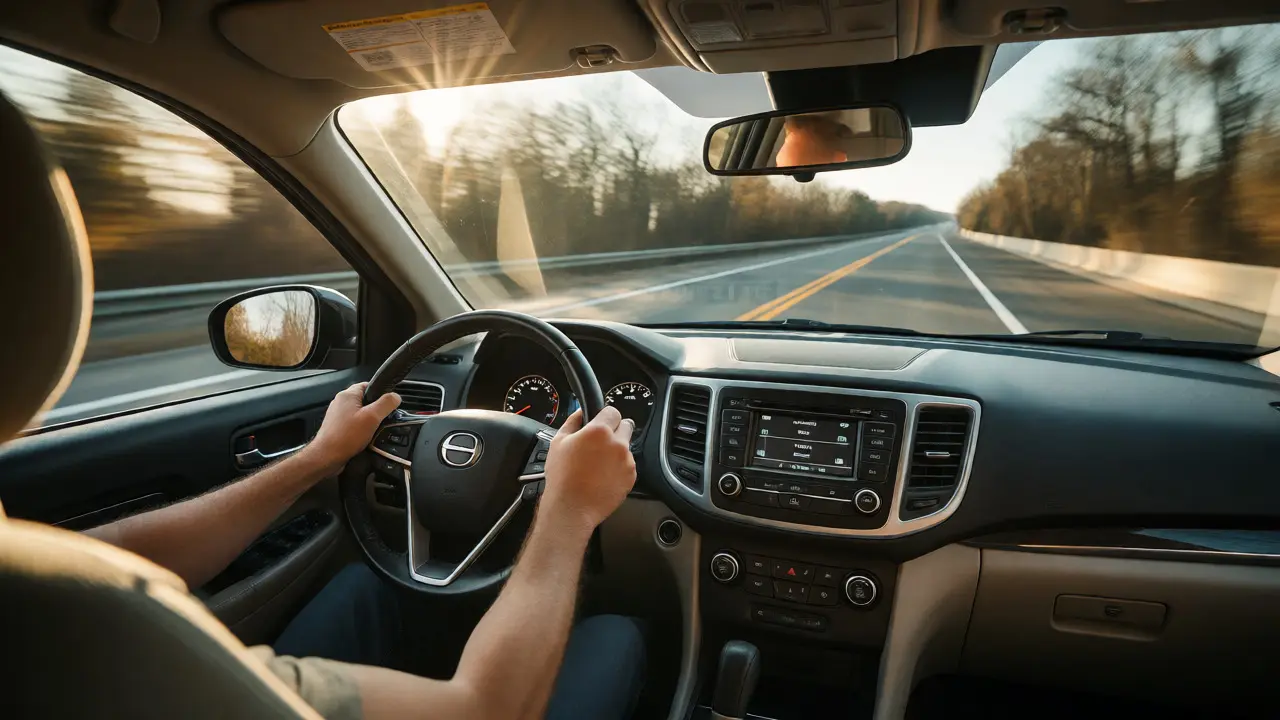
Get on the highway. This is where you test stability and noise. Pick a steady speed, say 70 mph. Take your hands off the wheel briefly (safely!). Does the car pull to one side? That’s alignment. Does it wander or require constant correction? That could be worn tie rods or suspension issues. Listen for wind noise. Excessive road noise might mean bad wheel bearings or poor sound insulation, which gets annoying on long trips.
Find a hill. Not every route has one, but try to find a steep incline. Accelerate uphill. Does the engine struggle? For automatics, does it hunt for gears? For manuals, do you have enough power in higher gears? Hill climbing exposes weak engines and slipping clutches better than flat roads ever will.
Braking and Steering Precision
Brakes are safety-critical. Test them progressively. Apply light pressure. Does the pedal feel spongy? Air in the lines or worn pads could be the culprit. Apply harder pressure. Does the car pull left or right? Uneven braking force usually means a stuck caliper or uneven pad wear. Vibration in the pedal during hard braking points to warped brake rotors.
Steering should feel direct and responsive. Turn the wheel fully left and right while moving slowly. Listen for clicking or popping sounds, especially from CV joints. At highway speeds, the steering should stay centered. If you have to fight the wheel to keep it straight, walk away or negotiate a significant discount for alignment and potential suspension work.
| Symptom | Potential Cause | Severity |
|---|---|---|
| Blue smoke from exhaust | Burning oil (worn piston rings/valve seals) | High |
| Vibration in steering wheel at high speed | Unbalanced wheels or worn wheel bearings | Medium |
| Jerking during gear shifts | Transmission fluid low or internal wear | High |
| Clunking over bumps | Worn suspension bushings or ball joints | Medium |
| Pulling to one side under braking | Stuck brake caliper or alignment issue | Medium |
Comfort, Features, and Ergonomics
Mechanics matter, but so does daily usability. Spend ten minutes adjusting everything. Can you get comfortable? Adjust the seat, mirrors, and steering column. Sit in the back seat. Is there enough legroom for your passengers? Check the trunk space with the rear seats up and down. Will it fit your stroller, golf clubs, or weekly groceries?
Test every electronic feature. Windows, sunroof, air conditioning, heating, infotainment system, Bluetooth pairing, USB ports, and reversing camera. Repairing a broken window regulator or AC compressor adds up quickly. If the touchscreen lags or resets randomly, that’s a software or hardware fault that frustrates users daily.
Smell the interior. Dampness or mustiness suggests water leaks from door seals or sunroofs. Moldy smells are hard to remove completely. Check for excessive wear on the driver’s seat bolster and steering wheel. High wear on these parts contradicts low mileage claims, suggesting odometer tampering or heavy usage.
The Post-Drive Inspection
Once you park, don’t rush off. Open the hood again. Did the temperature gauge stay in the normal range? Did any new warning lights appear? Check the oil level and color again after driving. Top up if necessary, but note if it was significantly low.
Walk around the car one last time. Look for new scratches or dents you might have missed initially. Check the tires again for heat buildup by carefully placing your hand near (not on) each tire. One tire significantly hotter than the others indicates a dragging brake caliper.
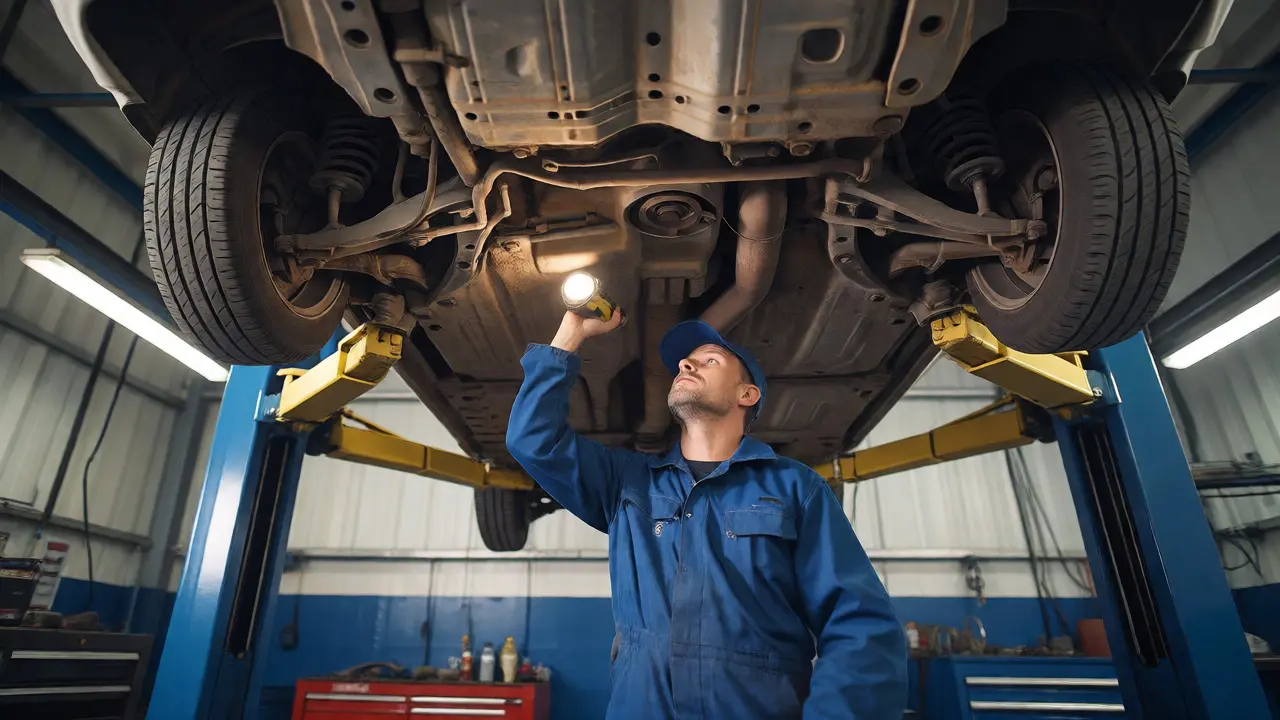
Finally, ask for a pre-purchase inspection (PPI) from an independent mechanic. Never rely solely on the dealer’s word or the MOT certificate (in the UK) or state inspection sticker (in the US). An independent expert puts the car on a lift and checks things you can’t see underneath, like exhaust integrity, underbody rust, and frame damage. This service typically costs £50-£100 ($60-$120) and pays for itself if it finds a major defect.
Final Verdict: Trust Your Gut
If something feels "off," even if you can’t pinpoint why, listen to that instinct. Cars are complex machines, and subtle vibrations or sounds can indicate developing faults. Don’t let sales pressure rush you. A good seller will welcome a thorough test drive because it shows you’re serious. A hesitant seller who refuses a PPI or rushes your drive is hiding something.
Buying a used vehicle is a balance of logic and intuition. Use the checklist above to gather data, but remember that comfort and confidence behind the wheel are equally important. If the car drives well, feels solid, and passes the inspection, you’re likely making a smart choice. If it fails any critical step, walk away. There is always another car.
How long should a test drive be?
Aim for at least 20 to 30 minutes. Short drives don't allow the engine, transmission, and brakes to reach operating temperatures, which is when many issues manifest. Include city streets, highways, and rough roads if possible.
Can I test drive a used car alone?
Yes, but it's safer and more effective with a companion. A passenger can listen for noises you might miss while focusing on driving, and they provide witness testimony if an accident occurs during the test drive. Always ensure you have valid insurance coverage.
What should I do if the check engine light is on?
Ask the seller for the diagnostic trouble code (DTC). If they don't know, insist on a scan tool check before proceeding. Some codes are minor (like a loose gas cap), but others signal expensive repairs. Never buy a car with an unresolved check engine light unless you are a mechanic willing to fix it yourself.
Is it okay to test drive in the rain?
Actually, yes. Rain reveals issues with wipers, defrosters, and traction control systems. It also highlights poor visibility due to fogging windows or cracked glass. However, avoid deep puddles if you suspect underbody damage, as water ingress can cause immediate electrical failures.
Who pays for the pre-purchase inspection?
Typically, the buyer pays for the independent inspection. It is considered part of your due diligence. However, if the inspection reveals major undisclosed defects, you can use those findings to negotiate a lower price or request the seller covers the cost as a gesture of goodwill.
Comments
Mithilesh Singh
People are too lazy to check the oil!!! They just want a shiny car and ignore the engine health. This is why so many get scammed by dealers who hide problems. You must be vigilant and not trust anyone blindly, especially if they rush you.
October 18, 2026 at 08:24