
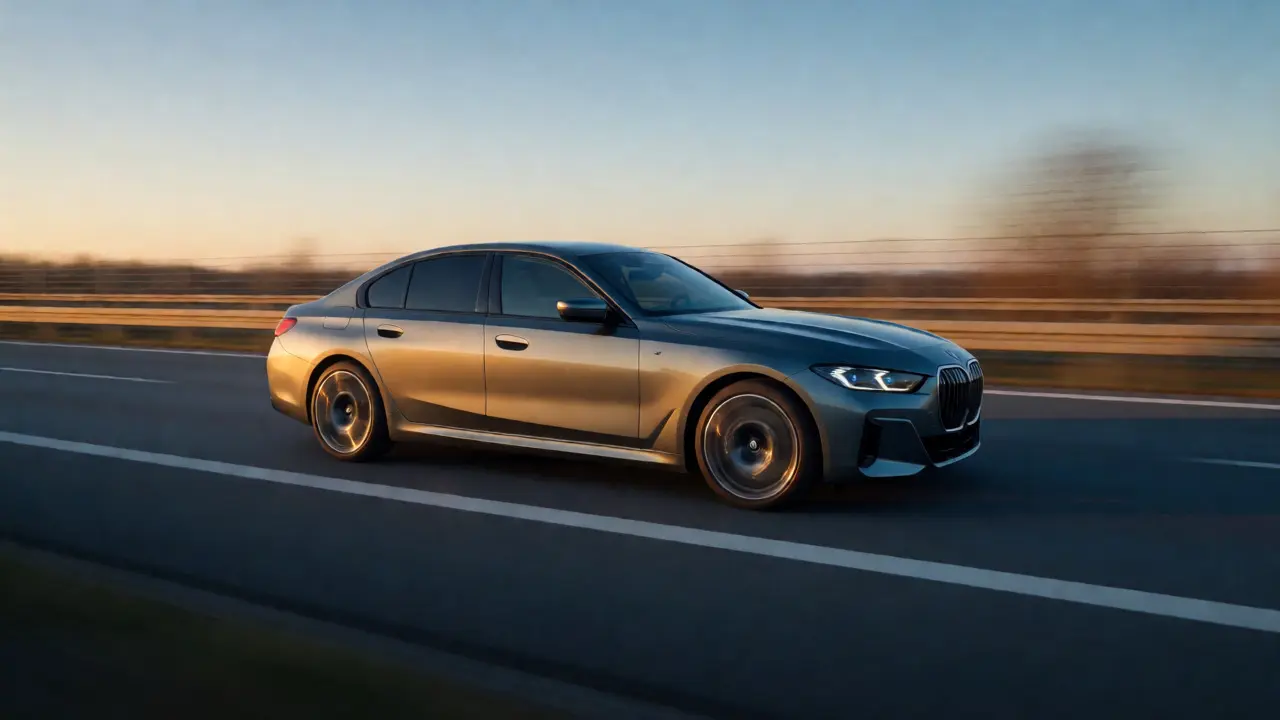
You know that feeling when you’re merging onto the M5 motorway in Germany or navigating the winding roads of the Cotswolds? You expect a car to do two things simultaneously: isolate you from the chaos outside with whisper-quiet comfort, and yet make you feel like you’re piloting a fighter jet. For decades, BMW has been the brand trying to solve this paradox. They call it "Ultimate Driving Machine," but what does that actually mean when you’re spending £60,000 on a sedan? It means they haven’t just built a fast car; they’ve engineered a system where luxury doesn’t kill the thrill.
If you’re looking at the used market or considering a new lease, you might be torn between a Mercedes-Benz S-Class for pure comfort or an Audi RS model for raw speed. But BMW sits in a unique middle ground. They prioritize driver engagement without sacrificing the plushness required for daily commutes. Let’s break down how they pull this off, which models actually deliver on the promise, and what you need to watch out for before signing the check.
The Engineering Behind the Balance
Most luxury cars are heavy. All that soundproofing, leather, and tech adds weight, which usually makes handling sluggish. BMW fights this with a philosophy called EfficientDynamics. This isn’t just marketing fluff; it’s a core engineering principle focused on reducing friction and optimizing power delivery. They use lightweight materials like carbon fiber reinforced plastic (CFRP) in their roof structures and aluminum in chassis components to keep the center of gravity low.
The result is a near-perfect 50:50 weight distribution. Why does this matter? Because when the front and rear wheels share the load equally, the car turns predictably. You don’t get that nose-heavy understeer common in many luxury cruisers. Instead, the steering feels connected. You can feel the road texture through the wheel, even if the tires are thick enough to absorb potholes. This balance is why a BMW 3 Series can still handle corners better than competitors twice its price.
Model Breakdown: Where Performance Meets Comfort
Not all BMWs are created equal. The lineup is vast, but three specific tiers highlight the blend of performance and luxury best. Understanding these distinctions helps you pick the right tool for your needs rather than just buying the badge.
| Model | Primary Strength | Engine Options | Best For |
|---|---|---|---|
| BMW 3 Series | Agile Handling | 2.0L Turbo 4-cyl, 3.0L Inline-6 | Daily drivers who enjoy back-road fun |
| BMW 5 Series | Balanced Luxury | Plug-in Hybrid, Diesel, Petrol | Executives needing long-distance comfort |
| BMW X5 | Versatility & Space | Mild-Hybrid, V8, PHEV | Families wanting SUV capability with sporty DNA |
The BMW 3 Series remains the benchmark. If you buy a 330i, you get a turbocharged four-cylinder that produces 255 horsepower. It’s not absurdly fast, but the transmission shifts so quickly you barely notice the gear changes. Inside, the iDrive system has evolved into a curved display setup that’s intuitive once you learn the menus. The seats offer lumbar support that keeps your back happy after two hours on the motorway, while the suspension stays firm enough to prevent body roll in tight turns.
Step up to the BMW 5 Series, and the focus shifts slightly toward isolation. The cabin noise drops significantly. You’ll find more soft-touch materials and optional features like massage seats. However, unlike the Mercedes E-Class, which often floats over bumps, the 5 Series retains feedback. You still know what the road is doing. This makes it ideal for people who drive themselves most days but occasionally carry passengers who demand comfort.
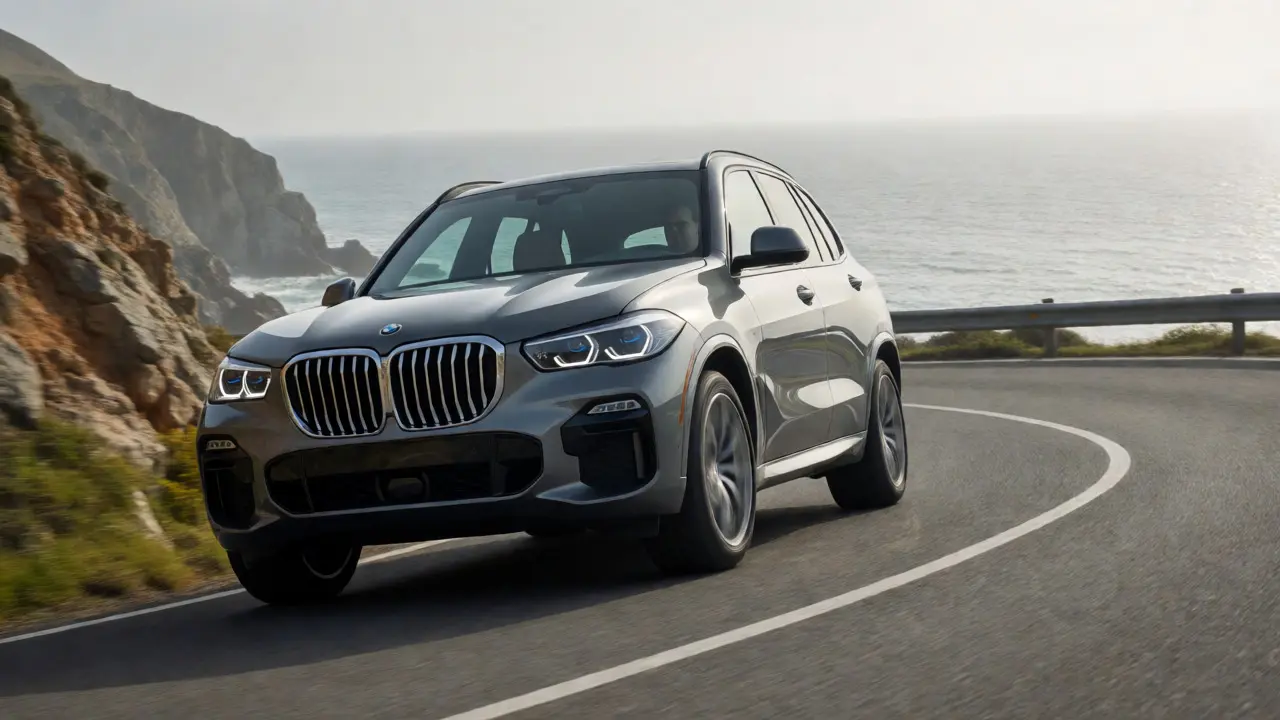
For those needing practicality, the BMW X5 proves SUVs can be fun. Thanks to adaptive air suspension, you can switch modes. In "Comfort," it glides over rough Bristol streets. Switch to "Sport," and the dampers stiffen, the throttle sharpens, and the steering gets heavier. It’s a party trick that works surprisingly well, allowing a 2.2-tonne vehicle to corner like something half its size.
The Interior Experience: Tech Without Distraction
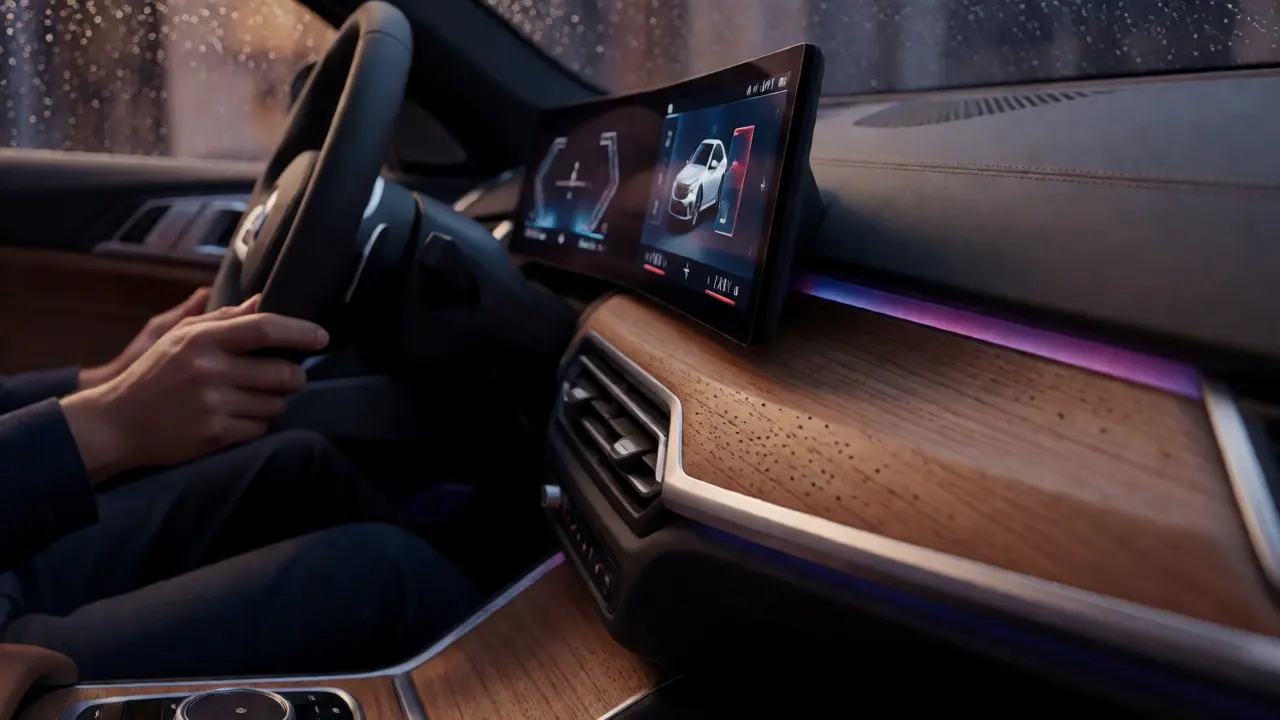
Luxury today is defined by technology, but bad tech is distracting. BMW’s approach with iDrive 8 (and newer versions) integrates the instrument cluster and infotainment screen into one glass panel. It looks sleek, but the real win is voice control. Saying "Hey BMW, I’m cold" adjusts the climate automatically. It sounds gimmicky until you realize how often you use it hands-free while driving.
Material quality has also improved. Gone are the hard plastics of the early 2010s. Current models use Sensatec synthetic leather that feels close to real hide but cleans easier. Wood trims are open-pore, letting you see the grain, which adds tactile warmth. Ambient lighting strips along the dashboard create a lounge-like atmosphere at night. These details matter because luxury isn’t just about speed; it’s about how the environment makes you feel when you’re stuck in traffic.
Common Pitfalls and Maintenance Realities
Here’s the catch: complexity costs money. BMW engines, particularly the inline-six B58 found in many modern models, are robust but require strict maintenance. If you skip oil changes every 10,000 miles, you risk timing chain issues. This isn’t rare; it’s documented across owner forums and service centers.
Another area to watch is electronics. Air suspension systems in models like the X5 or 7 Series can fail after eight years, costing upwards of £2,000 per corner to replace. Before buying used, always check the service history. A full BMW dealer stamp is worth paying extra for. Also, verify if the previous owner installed aftermarket parts. Non-OEM sensors often cause warning lights that are expensive to diagnose.
Tires wear faster on performance-oriented setups. Run-flat tires, standard on many BMWs, provide safety but reduce ride comfort and cost more to replace. Many owners swap to high-performance summer tires for better grip, accepting the trade-off of needing a spare kit. Factor this into your annual budget if you plan to drive aggressively.
Why Choose BMW Over Rivals?
Audi offers Quattro all-wheel drive, which provides superior traction in wet conditions. Mercedes delivers unmatched opulence. But BMW wins on driver connection. When you press the accelerator, the response is immediate. There’s no lag between your input and the car’s action. This transparency builds confidence. You trust the car’s limits because they are predictable.
Resale value also plays a role. While depreciation hits all luxury cars, popular models like the 3 Series hold value reasonably well due to consistent demand. Leasing options are abundant, making monthly payments manageable for those who prefer upgrading every three years. This aligns with the tech-focused nature of the brand, ensuring you always have the latest software updates and safety features.
Are BMWs reliable?
Modern BMWs are generally reliable if maintained correctly. The B48 and B58 engines are considered some of the best in the industry. However, electronic components and air suspensions can be costly to repair as the vehicle ages. Regular servicing at authorized centers is crucial.
Which BMW model is best for families?
The BMW X5 is widely regarded as the best family option. It offers ample cargo space, comfortable seating for five adults, and strong safety ratings. The plug-in hybrid variant allows for short electric-only commutes, saving fuel costs while retaining performance.
Is the BMW 3 Series too uncomfortable for daily driving?
No, unless you choose the M Sport package with large wheels and low-profile tires. The standard suspension setup provides a balanced ride that absorbs road imperfections well while maintaining handling precision. Adding adaptive suspension further enhances comfort.
How much does insurance cost for a BMW?
Insurance premiums vary based on model and driver profile. Generally, BMWs fall into higher insurance groups due to repair costs and theft rates. A 3 Series might be moderate, while an M3 or X5 M will be significantly higher. Always get quotes before purchasing.
What is the difference between xDrive and sDrive?
xDrive indicates all-wheel-drive capability, distributing power between front and rear axles for better traction. sDrive denotes rear-wheel drive, which offers purer steering feel and slightly better fuel economy. For UK climates with frequent rain, xDrive is often preferred for stability.
Comments
Art HND
Another breathless ode to German engineering. We get it they balance weight distribution. The real issue is the maintenance bill which this article conveniently glosses over until the very end.
September 5, 2026 at 22:52
Sabrina Newland
i totally feel that paradox you mentioned 🤔 its like wanting a hug and a punch at the same time? 😂 maybe we just need to accept that comfort and thrill arent opposites but partners in crime?? ✨ or maybe im overthinking it lol
September 5, 2026 at 23:56
Tamara Miller
The author fails to mention, critically, that 'luxury' is subjective. Furthermore, the reliance on run-flat tires is an abomination against physics and driver comfort. One must also consider the environmental impact of producing these heavy vehicles, not to mention the sheer waste of resources involved in their production. It is simply irresponsible to ignore these factors.
September 7, 2026 at 01:26
Elizabeth Brooks
Hey everyone! Just wanted to jump in here because I actually own a 2019 330i and can confirm the B48 engine is solid if you stick to the oil change schedule religiously. But yeah, the run-flats are harsh on potholes so many people swap them out for Michelin PS4Ss which makes a huge difference in ride quality. Also, if you're looking at used ones check for the water pump issues which were common in earlier models but seem better now. Hope that helps anyone shopping around!!
September 7, 2026 at 02:28
Art HND
Swapping run-flats voids some warranties and ignores the safety benefit of zero puncture risk. You're trading one headache for another.
September 8, 2026 at 05:48
Elizabeth Brooks
Thats true Art but honestly most dealers dont care about tire brand as long as its spec correct. And the safety thing is mostly marketing since modern cars have TPMS anyway. Plus the grip improvement is worth the slight risk imo.
September 9, 2026 at 14:56
Mark Harvey
love the breakdown here especially the part about the 50:50 weight distribution making such a big difference in handling feels great to see someone appreciate the engineering side rather than just the badges keep up the good work folks
September 11, 2026 at 12:14
Anthony Miller
You speak of "driver engagement" as if it is a virtue in itself. It is merely a distraction from the primary function of transportation which is efficiency. Your obsession with "feeling the road" is a childish desire for control in a world that offers none. You are paying sixty thousand pounds to be reminded that you are alive via vibration and noise. This is not luxury; it is masochism disguised as prestige. You do not drive the car; the car drives your ego.
September 12, 2026 at 17:53
Quintin Franzese
Wow Anthony really brought the existential dread to a car forum today. Maybe try a bicycle? Zero emissions and plenty of "masochism" for your soul.
September 13, 2026 at 09:15
Amara Akbar
I believe it is important to acknowledge that different drivers seek different experiences. For those who value connection with the vehicle, BMW offers a unique proposition. It is valid to prefer comfort over engagement, and vice versa. We should respect all choices.
September 14, 2026 at 13:30
Deb Kortyna, MBA
It is absolutely paramount to note that the depreciation curve on these vehicles is nothing short of catastrophic. To suggest otherwise is misleading at best and fraudulent at worst. One does not simply "lease" away the pain of losing forty percent of value in three years. The financial implications are severe and often ignored by enthusiasts who prioritize emotion over economics. Truly, this is a trap for the unwary consumer.
September 15, 2026 at 09:46
michelle veluz
Wait... wait... hold on!!! Did anyone else notice that they didn't mention the software updates?? They push these updates remotely and sometimes BRICK the infotainment system!!! I read somewhere that BMW is tracking our driving habits for insurance purposes too!! Are we sure this isn't all a big surveillance scheme?? The cameras inside the car aren't just for parking assistants they are watching us!!! 😱😱😱
September 16, 2026 at 05:58
alex kobri
the camera stuff is mostly optional and off by default i think
but yeah the tech can be buggy
still beats sitting in traffic in a silent box though
at least you know what's happening under the hood
September 16, 2026 at 07:40
Zach Loescher
I've been thinking about this a lot lately. Is the "Ultimate Driving Machine" slogan still relevant when most people spend 90% of their driving time in stop-and-go traffic where performance doesn't matter? Or is it just a nostalgic nod to a time when roads were emptier? I don't know. I guess it depends on whether you view a car as a tool or a hobby.
September 16, 2026 at 08:29
Savara Gunn
yeah i mean if you commute in LA it probably doesn't matter much. but for weekend trips it's nice to have that option. whatever works for you i guess.
September 17, 2026 at 04:03