
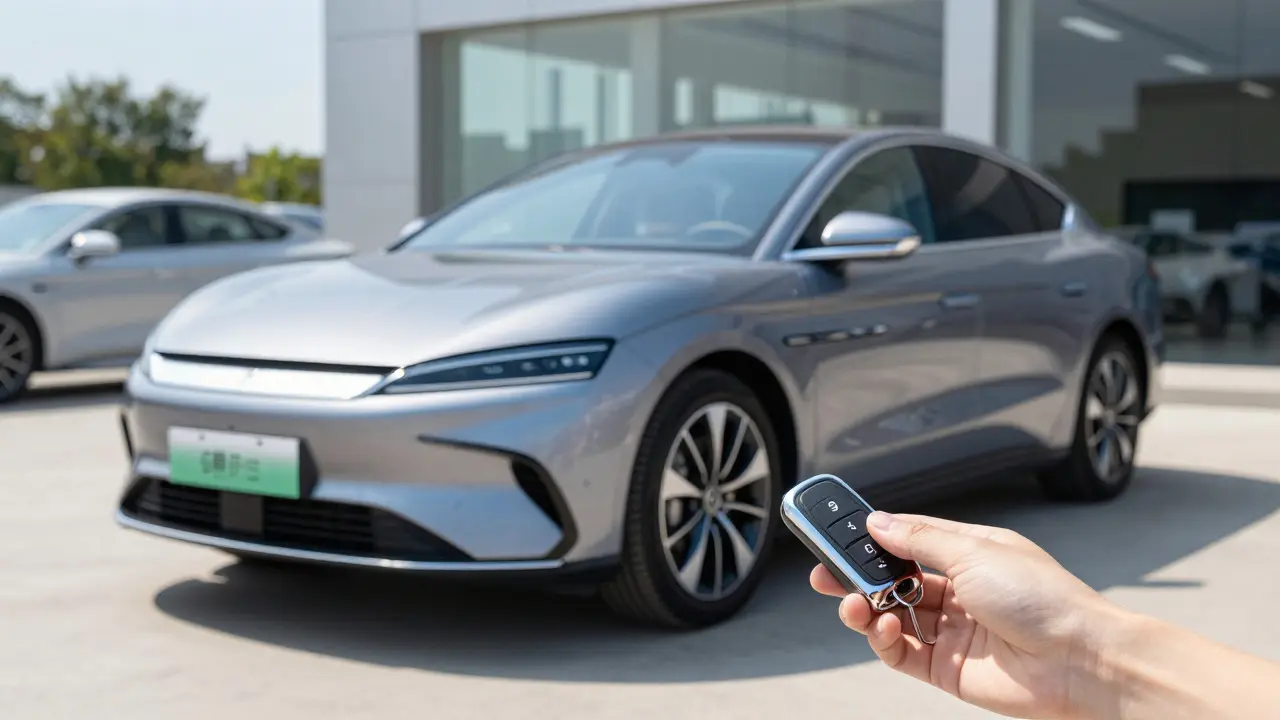
Quick Guide to New Car Coverage
- Covers most mechanical and electrical failures not caused by wear and tear.
- Typically lasts 3 years or 36,000 miles (though some brands offer more).
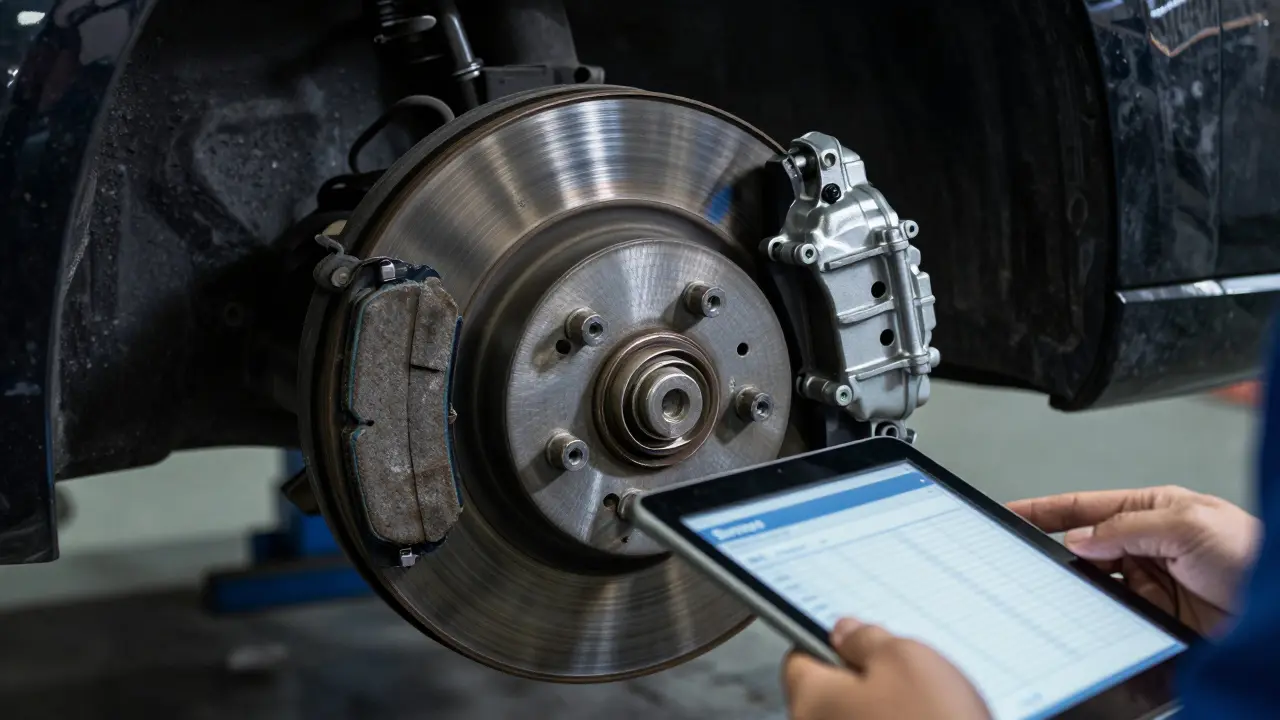
- Does not cover "consumables" like brake pads, wiper blades, or light bulbs.
- Maintenance is your responsibility; skipping oil changes can void your coverage.
What exactly is a Bumper-to-Bumper Warranty?
When you buy a new vehicle, you get a Bumper-to-Bumper Warranty is a comprehensive factory guarantee that covers the repair or replacement of most components in a vehicle that fail due to manufacturing defects. Also known as a Limited Warranty, this is the primary shield you have against "lemons" or early assembly errors. It's the most broad type of coverage provided by the manufacturer, designed to give you peace of mind for the first few years of ownership.
Unlike a powertrain warranty, which focuses on the "muscles" of the car, this coverage looks at the "brains" and the "skin." Think of it as the catch-all for everything that isn't the engine, transmission, or specific wear-and-tear items. If a sensor in your dashboard fails or the power locks stop working, this is the policy you'll be leaning on.
The Core Components Covered
To understand what's included, it helps to look at the car in systems. If a part was installed by the factory and it stops working through no fault of your own, it's likely covered. Here are the big ones:
- Electrical Systems: This includes the Infotainment System, power window switches, central locking mechanisms, and the sophisticated arrays of sensors used for parking and blind-spot monitoring.
- HVAC Systems: The Air Conditioning (AC) compressor, heating core, and blower motors are standard inclusions.
- Interior Fittings: If the stitching on your leather seats unravels or a plastic trim piece pops out of place due to a clip failure, the manufacturer usually steps in.
- Suspension and Steering: While shocks and struts are sometimes debated, most steering racks and control arm bushings are covered unless they've been beaten up by off-roading.
For example, if you own a 2026 model and the touchscreen freezes completely, that's a clear-cut manufacturing defect. The dealer replaces the unit, and you pay zero. However, if you spill coffee into that touchscreen, you're paying for the replacement yourself because that's considered "user abuse."

The "Fine Print": What's Not Covered
The biggest mistake new car owners make is assuming "bumper-to-bumper" means "everything." It doesn't. Manufacturers exclude "wear items"-parts that are designed to wear down over time. If they covered these, the warranty would be an open checkbook for the consumer.
| Category | Usually Covered | Almost Never Covered |
|---|---|---|
| Brakes | Master Cylinder, Brake Lines | Brake Pads, Rotors |
| Tires | Wheel Bearings | Tread Wear, Punctures |
| Visibility | Windshield Wiper Motor | Wiper Blades, Bulbs |
| Fluids | Leaks from Factory Seals | Oil, Coolant, Brake Fluid |
Take brake pads as a prime example. If you drive aggressively, your pads will wear out in 20,000 miles. If you drive gently, they might last 60,000. Because this varies by driver, pads are classified as consumables. You'll find this same logic applied to tires and windshield wipers.
Duration and the "Whichever Comes First" Rule
You'll usually see a warranty listed as "3 years / 36,000 miles." This is the golden rule of automotive warranties: The Whichever Comes First Clause. If you only drive 5,000 miles a year, your warranty expires after 3 years. If you drive 30,000 miles a year, your warranty expires in just over a year.
Some brands, like Hyundai or Kia, often push these limits to 5 years or 60,000 miles to attract buyers. This significantly lowers the risk for the second owner, which is why these brands often hold their value well in the used market. When looking at your contract, always check if the warranty is "transferable." Some warranties stay with the car; others expire the moment the original buyer sells it.
The Danger of Voiding Your Warranty
You don't have to use the dealership for every single oil change to keep your warranty, but you do need a paper trail. Under the Magnuson-Moss Warranty Act, a manufacturer cannot deny a warranty claim just because you used an aftermarket part, unless they can prove that the part actually caused the failure.
However, there are "hard lines" you shouldn't cross. If you install a performance tune to squeeze an extra 50 horsepower out of your engine or modify your suspension for drifting, the manufacturer will likely void the warranty on those specific systems. If your engine blows up and they find a chip in the ECU, you're on your own. To stay safe, keep every single receipt for maintenance, even if you do it at a local independent shop.
Bridging the Gap: Extended Warranties
Once that three-year window closes, you enter the "danger zone" where a single sensor failure can cost hundreds of dollars. This is when many people look into a Vehicle Service Contract, commonly called an extended warranty. These aren't actually warranties (which are promises from the maker) but insurance policies against repair costs.
There are two main types: manufacturer-backed extensions and third-party contracts. Manufacturer extensions are usually seamless-they just extend the existing Bumper-to-Bumper terms. Third-party contracts are often cheaper but can be a nightmare to claim. You might have to pay the mechanic first and then fight with the insurance company to get reimbursed. If you're going this route, check the "exclusions list" carefully. Some "gold" plans still exclude the battery or the infotainment screen.
Does bumper-to-bumper cover a cracked windshield?
Generally, no. Windshields are susceptible to road debris (rocks) and environmental damage, which are considered external factors rather than manufacturing defects. This is typically handled by your comprehensive auto insurance, not the factory warranty.
What happens if a part is repaired multiple times but still fails?
This is where Lemon Laws come in. If a manufacturer cannot fix a significant defect after a reasonable number of attempts (usually 3 or 4), the state may require them to buy the car back or replace the vehicle entirely.
Are tires covered under a bumper-to-bumper warranty?
The Bumper-to-Bumper warranty does not cover tire tread wear or punctures. However, tires usually have their own separate manufacturer warranty (e.g., Michelin or Goodyear) that covers defects in the rubber or sidewall for a specific mileage limit.
Can I lose my warranty if I use an independent mechanic for oil changes?
No, as long as you have receipts showing the work was done according to the manufacturer's specifications. The Magnuson-Moss Warranty Act protects you from being forced to use dealership services for basic maintenance.
What is the difference between a bumper-to-bumper and a powertrain warranty?
Bumper-to-bumper is broad and covers almost everything (electronics, trim, HVAC). A powertrain warranty is narrow but lasts longer, covering only the engine, transmission, and drive axles.
Next Steps for New Owners
If you've just bought a car, don't let the warranty handbook gather dust in the glove box. First, map out your "expiration dates." Mark your calendar for when the limited warranty ends so you aren't surprised by a $1,000 repair bill on the day after it expires. Second, create a digital folder for all your service records. A simple photo of your receipt uploaded to the cloud is enough to prove you've maintained the car.
For those with high-mileage habits, consider a powertrain-only extension. Since the engine and transmission are the most expensive parts to replace, protecting those for 100,000 miles is usually a smarter financial move than trying to insure every single plastic clip and button in the cabin.
Comments
John Fox
man the fine print is always where they get you
April 8, 2026 at 14:35
Jim Sonntag
yeah because dealerships are just so honest and trustworthy lol
April 8, 2026 at 20:17
chioma okwara
Actually the Magnuson-Moss Act is often misunderstood by the average consumer. Most people think the dealer can just say "oh you changed your oil at a shop so your warranty is gone" but that is literally illegal. However, you gotta be careful with the modz. If you install a cold air intake and your engine leans out and blows, don't act surprisd when they deny the claim. It is basic logic that a modified air flow can affect fuel trims and lead to catastrophic failure. Just keep your receipts and you're golden.
April 9, 2026 at 09:01
Anuj Kumar
The manufacturers basically trick you. They make these parts fail on purpose right after the warranty ends. It is called planned obsolescence. They don't want the car to last forever, they want you to buy a new one in five years. All these "guarantees" are just a way to make you feel safe while they steal your money.
April 9, 2026 at 16:05
Tasha Hernandez
Imagine actually believing a third-party extended warranty. It's basically a financial fairytale where you pay a premium for the privilege of arguing with a call center agent for three hours just to be told a $50 sensor isn't covered because it's "wear and tear." Truly a masterclass in wasting money if you're naive enough to sign up for one of those gold plans.
April 9, 2026 at 19:34
Henry Kelley
i agree with the part about keepin receipts. i once had a fuel pump go bad and the dealer tried to say it was my fault, but i had the papurs from my local shop to prove i was doin everything right. worked out in the end
April 9, 2026 at 20:18
Samar Omar
One must acknowledge that the sheer audacity of the automotive industry to classify a failing electronic component-which is clearly a systemic failure of quality control-as "wear and tear" is nothing short of a tragedy in corporate ethics. It is an exercise in linguistic gymnastics where the word "comprehensive" is used as a lure to entice the unsuspecting buyer into a contractual labyrinth of exclusions and limitations that would make a seasoned lawyer weep with frustration, yet we continue to succumb to the allure of a shiny new chassis and the false promise of reliability. The systemic failure of the modern consumer to demand higher standards of longevity is truly a fascinating study in societal complacency and the glorification of disposable commodities in an era where sustainability should be the primary directive of any manufacturing entity operating on a global scale.
April 9, 2026 at 20:36
Mbuyiselwa Cindi
Just a tip for anyone reading this: if you're dealing with a repeat failure, start a log. Write down every date you visited the dealer, the name of the advisor, and exactly what they told you. It makes the Lemon Law process way easier if you have a chronological history of the issues. Don't just rely on the dealer's internal notes, because sometimes those are... let's say, "incomplete."
April 10, 2026 at 15:06
Christina Morgan
It's so helpful to have this broken down. For anyone worried about their local mechanic, just make sure you're using OEM spec oil. That's usually the only thing dealerships try to nitpick about when they're looking for a reason to deny a claim.
April 12, 2026 at 03:58
Deepak Sungra
Honestly this whole process of tracking miles and dates is such a chore. I just want to drive my car without worrying about a spreadsheet. But yeah, the part about the infotainment system is too real. My screen flickered once and the dealer acted like I had performed surgery on it with a hammer.
April 12, 2026 at 05:46
Victoria Kingsbury
The delta between factory warranties and VSCs is huge. Most people don't realize that a Vehicle Service Contract is essentially an insurance policy with a high deductible and a lot of red tape. If you're looking at the TCO (Total Cost of Ownership), it's often better to self-insure by putting that monthly warranty payment into a high-yield savings account instead. That way, you have the liquidity for repairs and you aren't paying a premium for coverage that might be denied anyway based on a technicality in the exclusions list.
April 12, 2026 at 17:45
Krzysztof Lasocki
Oh sure, let's all just trust the "gold plan" and hope the dealership doesn't find a scratch on the chassis to void the whole thing. Absolute genius strategy!
April 13, 2026 at 11:52
amber hopman
I've always wondered if the transferability of the warranty affects the resale value significantly in the used market, especially with those 10-year powertrain options. It seems like a huge selling point for anyone terrified of engine failure.
April 13, 2026 at 16:57