

You are standing in the dealership lot, keys in hand, ready to drive away. The dealer slides a paper across the desk asking for your payment method. Do you swipe your debit card for the full amount, or do you sign up for a monthly plan? This single decision shapes your financial health for the next three to seven years.
Most people default to financing because it feels easier. You get the car now, and you pay later. But that 'later' comes with a price tag that often exceeds the vehicle's sticker price. On the flip side, paying cash ties up a huge chunk of your liquidity instantly. There is no universally 'right' answer, but there is a mathematically optimal one for your specific situation. Let’s break down the real costs, the hidden benefits, and the strategy that actually saves you money.
The True Cost of Paying Cash
When you pay cash for a car, the transaction is simple. You transfer funds, you get title, you leave. There is no interest, no monthly minimums, and no credit score check. For many, this simplicity is the biggest selling point. You own the asset outright from day one.
However, the downside is immediate and severe: opportunity cost. That £20,000 sitting in your bank account could be working for you. If you invest that money in a diversified portfolio, historically returning around 7-10% annually, you might earn more than you would save on interest payments. This concept is known as the opportunity cost. By spending your savings, you lose the potential growth of that capital.
Furthermore, paying cash reduces your financial buffer. Life happens. Cars break down, jobs end, medical bills arrive. If you drain your savings to buy a vehicle, you have zero emergency fund. One unexpected expense can force you into high-interest credit card debt, which is far more damaging than a structured car loan.
- Pros: No interest paid, lower total cost, faster negotiation (dealers love cash), psychological freedom of being debt-free.
- Cons: Loss of liquidity, missed investment returns, reduced emergency safety net, potential tax inefficiency (no interest deduction in most personal cases).
The Reality of Auto Financing
Auto financing involves borrowing money from a bank, credit union, or dealer to pay for the car, then repaying it with interest over time. In 2026, average APRs (Annual Percentage Rates) for new cars hover between 5% and 8%, while used cars often range from 7% to 12% depending on creditworthiness.
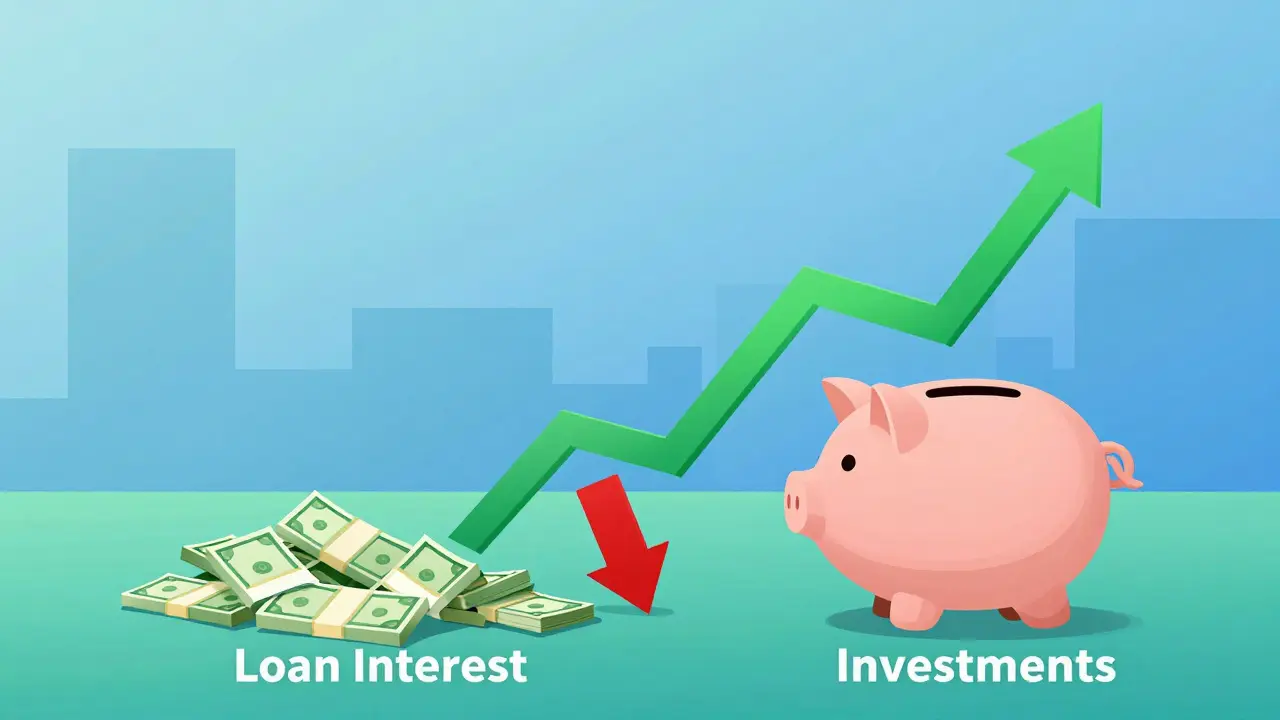
The primary benefit of financing is leverage. You keep your cash in the bank, maintaining your emergency fund and investing capability. If your investment returns exceed your loan interest rate, you come out ahead financially. For example, if you borrow at 6% but your investments grow at 9%, you are effectively making 3% on the deal.
Financing also offers flexibility. You can choose shorter terms (36 months) to build equity quickly or longer terms (72-84 months) to lower monthly payments. However, longer terms increase the risk of being 'upside down,' where you owe more on the loan than the car is worth. This is dangerous if you need to sell or trade in the vehicle early.
- Pros: Preserves cash reserves, builds credit history, allows for investment diversification, predictable monthly budgeting.
- Cons: Interest payments increase total cost, risk of negative equity, complex contracts with hidden fees, potential for predatory lending practices.
Key Factors Influencing Your Decision
Your choice shouldn't be based on habit or peer pressure. It should be driven by three key metrics: your interest rate differential, your risk tolerance, and your current liquidity position.
| Factor | Paying Cash | Financing |
|---|---|---|
| Total Cost | Sticker Price | Sticker Price + Interest + Fees |
| Liquidity Impact | High (Savings Depleted) | Low (Savings Preserved) |
| Credit Score Effect | Neutral | Positive (if paid on time) |
| Negotiation Power | High (Dealer prefers quick sale) | Medium (Dealer may push higher rates) |
| Risk Exposure | Low (No debt obligation) | High (Payment obligation regardless of income changes) |
If you have a low-interest loan offer (below 4%), financing is almost always the smarter move mathematically. Why pay 4% when you can earn 5-7% risk-free in high-yield savings accounts? Conversely, if you are offered a subprime rate above 10%, paying cash becomes attractive unless you have a guaranteed investment return higher than that rate.
Your liquidity position matters too. If you have less than six months of living expenses saved, taking on a car payment is risky. In that case, even if financing is cheaper, the cash flow strain could lead to default. Always prioritize survival over optimization.
Strategic Approaches for Different Buyers
Not everyone fits into the same box. Here are tailored strategies based on common financial profiles.
The Conservative Saver
You value peace of mind over maximum returns. You hate debt. For you, paying cash is the right call. The psychological relief of owning your car outright outweighs the potential extra $2,000 you might earn in investments. Stick to your values. Financial stress has a real cost that spreadsheets don’t capture.
The Aggressive Investor
You understand compound interest and market volatility. You have a robust emergency fund. You should finance. Keep your cash invested in index funds or retirement accounts. Use the lowest possible interest rate available. Treat the car loan as a tool to preserve capital, not a burden.
The Credit Builder
You are young or rebuilding your credit score. Financing is essential here. A car loan is an installment loan, which diversifies your credit mix. Making on-time payments boosts your FICO score significantly. Just ensure the monthly payment is manageable so you never miss a deadline.
The Negotiator
You want the best deal possible. Dealers make more profit on financing through markup on interest rates. Bringing cash removes their ability to profit from the loan. However, some dealerships are tied exclusively to specific lenders and may offer better discounts on the vehicle price if you finance through them. Always ask for the 'out-the-door' price for both scenarios before deciding.

Avoiding Common Pitfalls
Even with the right strategy, mistakes happen. Here are the traps to avoid.
- Ignoring the Total Cost: Focus on the monthly payment, not the total interest. A 72-month loan looks affordable monthly but costs thousands more than a 36-month loan.
- Skip Payments: Some lenders offer 'skip a month' options. These usually accrue interest and extend the loan term. Avoid them.
- GAP Insurance Confusion: If you finance, you likely need GAP insurance if you put less than 20% down. This covers the difference if the car is totaled. Don't buy this from the dealer; it’s cheaper elsewhere.
- Overlooking Pre-Approval: Never walk into a dealership without pre-approved financing from a bank or credit union. This gives you a baseline rate to compare against the dealer's offer.
Final Thoughts on Execution
Deciding between cash and financing isn't just about the car. It's about your broader financial architecture. Ask yourself: Can I afford this car without touching my emergency fund? If yes, consider financing to keep your options open. If no, either buy a cheaper car or save more before purchasing.
Remember, a car is a depreciating asset. It loses value every mile you drive. The goal is to minimize the friction between acquiring it and owning it. Whether you swipe your card or sign a contract, ensure the decision aligns with your long-term wealth goals, not just your short-term desire for convenience.
Is it better to pay cash or finance a car in 2026?
It depends on your interest rate and investment returns. If you can get a loan under 5% and invest your cash for higher returns, financing is better. If rates are high or you lack an emergency fund, paying cash is safer.
Does paying cash help negotiate a better price?
Yes, often. Dealers prefer cash because it closes the deal faster and eliminates financing paperwork. However, some dealers make more profit on loans, so they might discount the car price if you finance through them. Always compare the total out-the-door cost.
What is the ideal loan term for a car?
Aim for 36 to 60 months. Longer terms (72+ months) reduce monthly payments but increase total interest paid and raise the risk of negative equity. Shorter terms mean higher payments but faster ownership.
Should I use my retirement savings to buy a car?
Generally, no. Withdrawing from retirement accounts incurs taxes and penalties, and you lose decades of compound growth. It is rarely worth sacrificing long-term security for a depreciating asset like a car.
How does financing affect my credit score?
Financing can boost your score by adding an installment loan to your credit mix and demonstrating consistent on-time payments. However, applying for multiple loans in a short period can temporarily lower your score due to hard inquiries.