
Imagine starting your car after a long vacation or a harsh winter, only to hear that dreaded click-click-click of a dead battery. It’s frustrating, expensive, and completely preventable. The secret isn’t just buying a fancy new battery; it’s knowing how to store and maintain the one you have. Whether you’re keeping a classic Mustang in the garage or preparing your daily driver for a six-month overseas trip, understanding the difference between a battery maintainer and a standard charger is the single most important factor in extending battery life.
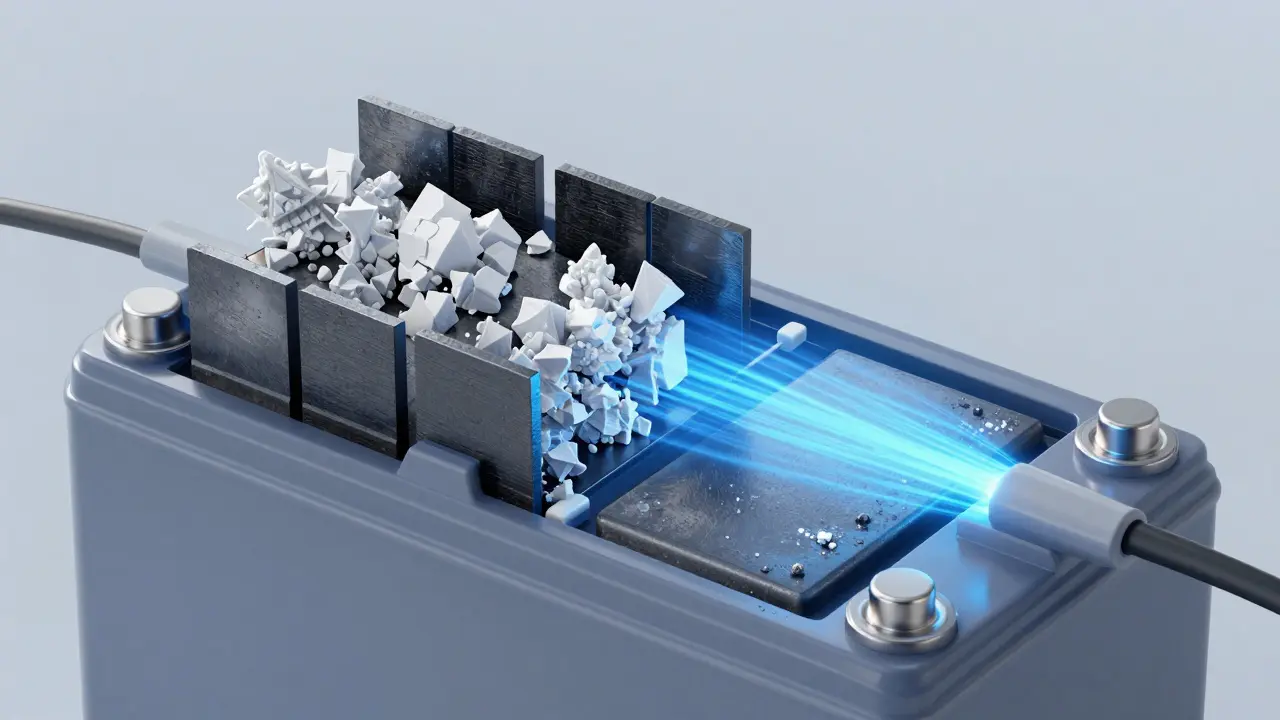
Most people treat batteries like black boxes: they work until they don’t. But inside that plastic casing is a delicate chemical balance involving lead plates and sulfuric acid. When a car sits idle, parasitic drains from alarm systems and keyless entry modules slowly sip away the charge. If the voltage drops too low, sulfate crystals form on the plates. This process, called sulfation, is permanent damage. Once those crystals harden, no amount of charging will bring the battery back to full capacity. That’s why proper storage practices matter more than you think.
Trickle Charger vs. Battery Maintainer: Know the Difference
You can’t protect what you don’t understand. The biggest mistake owners make is assuming all chargers are created equal. They aren’t. A standard trickle charger delivers a constant, low-amperage current regardless of the battery’s state. It’s like pouring water into a bucket with a hole in the bottom-you might keep the level up for a while, but eventually, you’ll overflow it or waste energy. In modern terms, this can lead to overcharging, which boils off electrolyte and warps the internal plates.
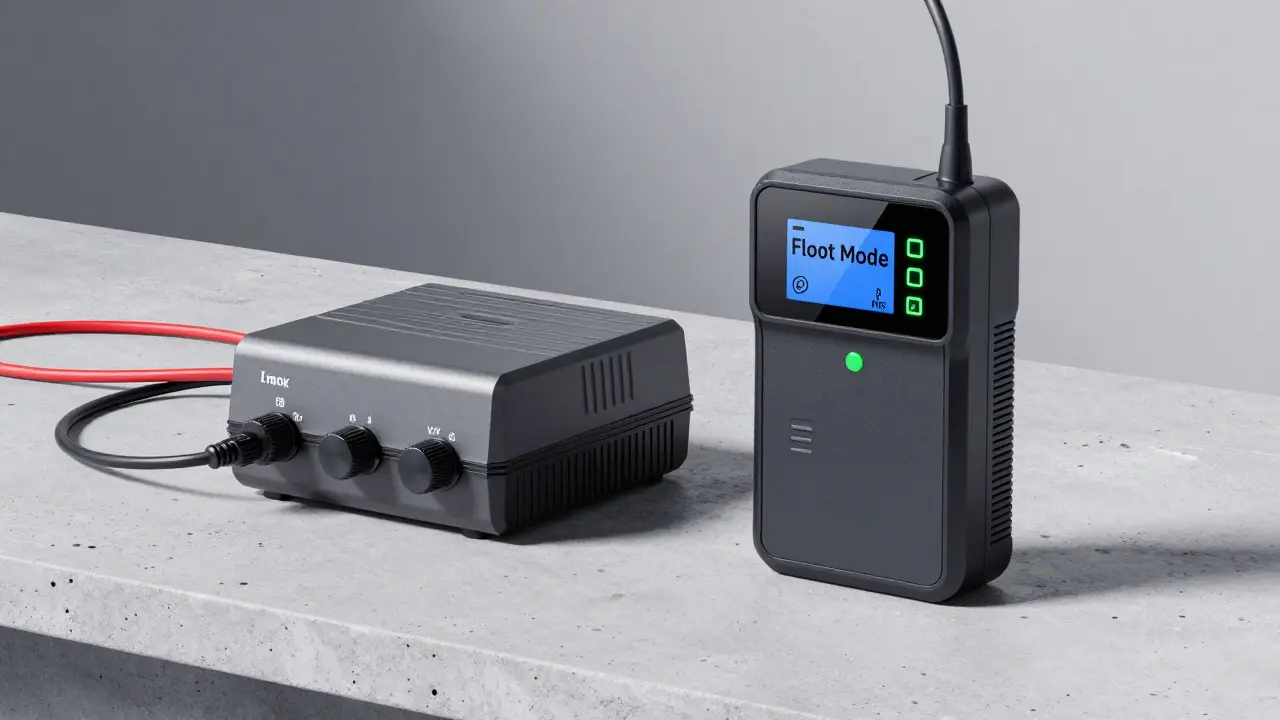
A battery maintainer, also known as a smart charger or trickle charger with float mode, is different. It uses microprocessors to monitor the battery’s voltage continuously. When the battery reaches 100% charge, the maintainer switches to a "float" or "pulse" mode. It sends tiny bursts of electricity just enough to counteract self-discharge without overcharging. Think of it as a drip irrigation system rather than a fire hose. For long-term storage-anything longer than two weeks-a maintainer is non-negotiable.
| Feature | Standard Trickle Charger | Smart Battery Maintainer |
|---|---|---|
| Output Control | Constant current (dumb) | Adaptive/Pulsed (smart) |
| Overcharge Risk | High if left connected | Negligible (auto-cuts off) |
| Best Use Case | Short-term top-ups (< 48 hours) | Long-term storage (weeks/months) |
| Sulfation Prevention | No | Yes (desulfation mode) |
| Price Range | $20 - $50 | $50 - $150+ |
The Chemistry of Decay: Why Batteries Die in Storage
To store a battery correctly, you need to respect its chemistry. Most cars use flooded lead-acid batteries, though AGM (Absorbent Glass Mat) and EFB (Enhanced Flooded Battery) types are becoming common in vehicles with start-stop technology. All these types suffer from self-discharge. Even when disconnected, a lead-acid battery loses about 5% of its charge per month at room temperature. Heat accelerates this; cold slows it down but increases internal resistance.
The real enemy is deep discharge. When a battery falls below 12.0 volts, the risk of sulfation spikes. Sulfate crystals are small and reversible initially, but given time, they grow large and dense. This reduces the surface area available for chemical reactions, effectively shrinking the battery’s capacity. A maintainer prevents this by keeping the voltage above 13.6 volts, ensuring the electrolyte remains active and the plates stay clean. If you’re storing a classic car with a vintage battery, check the specific gravity of the electrolyte monthly using a hydrometer. A reading below 1.260 indicates a weak cell that needs attention.
Step-by-Step Guide to Preparing Your Battery for Storage
Preparation is half the battle. You wouldn’t leave a house empty without securing it, so don’t leave your battery exposed either. Follow these steps to ensure your battery survives the downtime:
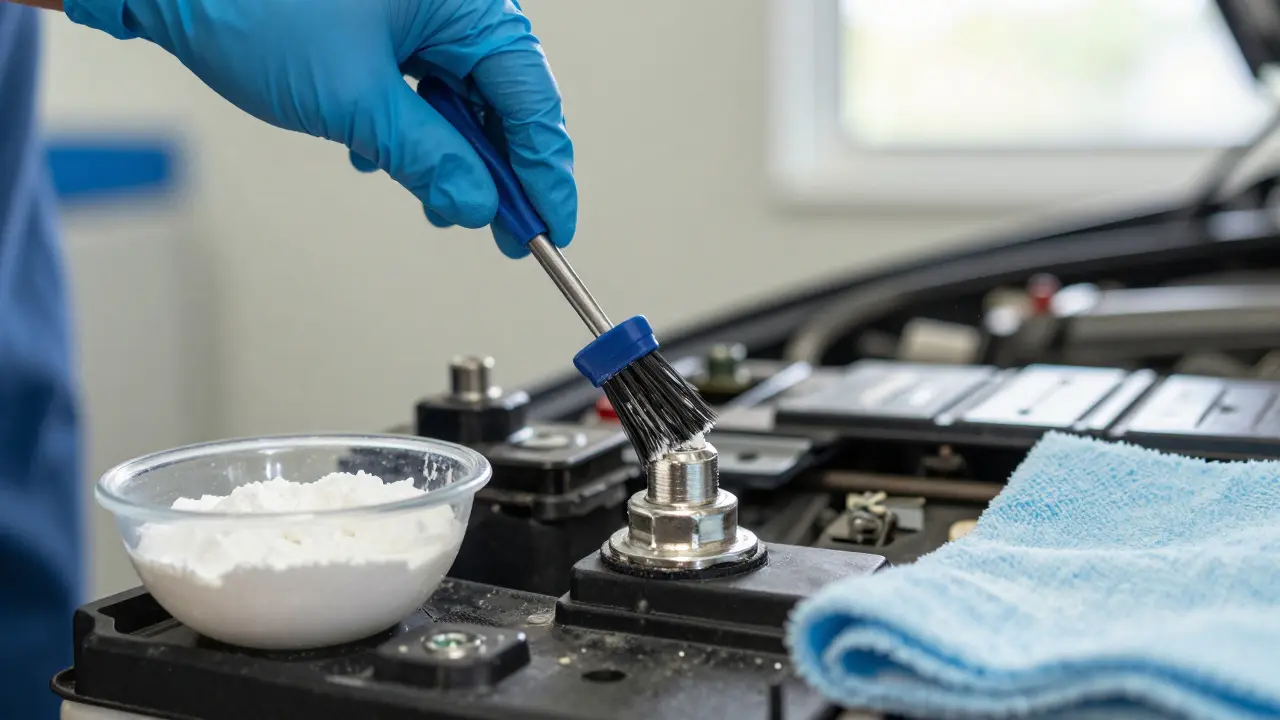
- Clean the Terminals: Corrosion acts as an insulator. Mix baking soda and water, scrub the terminals with a wire brush, and dry them thoroughly. Apply a thin layer of petroleum jelly or specialized terminal protector spray to prevent future oxidation.
- Fully Charge the Battery: Never store a partially charged battery. Use a smart charger to bring it to 100%. If the battery is old and holds a poor charge, consider replacing it before storage rather than risking failure later.
- Disconnect the Negative Cable: Unplug the negative (-) terminal first to avoid short circuits against the chassis. This cuts off parasitic drains from the car’s electronics. Some modern cars require re-pairing keys or resetting radio presets after disconnection, so check your manual.
- Choose the Right Location: Store the battery in a cool, dry place. Ideal temperatures are between 10°C and 20°C (50°F - 68°F). Avoid freezing conditions if the battery is not fully charged, as the electrolyte can freeze and crack the case.
- Connect the Maintainer: Attach the maintainer’s red clamp to the positive (+) terminal and the black clamp to the negative (-) terminal or a dedicated ground point. Plug it in. The LED indicator should show green or "maintaining" status.
Special Considerations for AGM and Lithium Batteries
If your car has a start-stop system, you likely have an AGM battery. These are sealed, vibration-resistant, and hold a charge better than flooded batteries, but they are more sensitive to overvoltage. Using a cheap, dumb trickle charger on an AGM battery can ruin it quickly because AGMs cannot vent excess gas as easily. Ensure your maintainer has a specific "AGM" or "Sensitive" setting. Most modern smart chargers detect the battery type automatically, but double-check the manual.
Lithium-ion batteries, found in some electric vehicles and high-end hybrids, operate differently. They rarely need external maintainers because their Battery Management System (BMS) handles balancing internally. However, if you’re storing a standalone lithium pack (like for golf carts or marine use), aim for a 50-60% state of charge. Storing lithium at 100% stresses the cells, while storing at 0% risks deep discharge protection kicking in permanently. Keep them in a cool environment and check voltage every three months.
Safety First: Handling Acid and Electricity
Batteries contain sulfuric acid and produce hydrogen gas during charging. Safety isn’t just a suggestion; it’s a necessity. Always wear safety goggles and gloves when handling terminals. Work in a well-ventilated area to dissipate any hydrogen buildup, which is highly explosive. Never smoke or create sparks near a charging battery.
When connecting cables, always attach positive first, then negative. When disconnecting, remove negative first, then positive. This sequence minimizes the risk of your wrench slipping and causing a short circuit between the tool and the car’s metal frame. If you spill electrolyte on your skin, rinse immediately with plenty of water and seek medical attention if irritation persists.
Troubleshooting Common Storage Issues
Even with the best practices, things can go wrong. Here’s how to handle common scenarios:
- Maintainer Won’t Turn On: Check the fuse in the charger unit. Inspect the clamps for corrosion. Ensure the battery voltage is within the charger’s operating range (usually above 6V). If the battery is deeply discharged, some smart chargers won’t recognize it. Try jump-starting the battery briefly to wake it up before reconnecting the maintainer.
- Battery Swelling: If the battery case bulges, stop charging immediately. This indicates overheating or gas buildup. The battery may be damaged beyond repair. Dispose of it properly at a recycling center.
- Intermittent Charging: Loose connections are the usual culprit. Tighten the terminal clamps. Check the power outlet with another device to rule out electrical issues.
Storing a car battery isn’t rocket science, but it does require discipline. By investing in a quality maintainer and following these simple steps, you save hundreds of dollars in replacements and countless headaches. Your battery is the heart of your vehicle’s electrical system; treat it with respect, and it will start reliably, year after year.
Can I leave a battery maintainer connected indefinitely?
Yes, that is the primary purpose of a smart battery maintainer. Unlike a standard charger, it monitors the battery voltage and only provides power when needed. You can safely leave it plugged in for months or even years, provided the unit is in good working order and the battery is healthy.
Do I need to disconnect the battery before using a maintainer?
It is recommended to disconnect the negative terminal if the car will be stored for more than a few weeks. This ensures the maintainer charges the battery directly without fighting against parasitic drains from the car's computer, alarms, or clocks. If you leave it connected, ensure your maintainer has enough amperage to overcome these drains.
What temperature is best for storing a car battery?
The ideal storage temperature is between 10°C and 20°C (50°F - 68°F). Extreme heat accelerates self-discharge and internal corrosion, while extreme cold increases internal resistance. Avoid freezing temperatures unless the battery is fully charged, as a partially charged battery can freeze and crack.
How often should I check a stored battery?
If you are using a smart maintainer, visual checks every month are sufficient. Look for secure connections, clean terminals, and normal LED indicators. If you are storing the battery without a maintainer, check the voltage every two weeks with a multimeter and recharge if it drops below 12.4V.
Can a battery maintainer revive a dead battery?
Some advanced maintainers have a "desulfation" or "repair" mode that can help revive slightly sulfated batteries. However, if the battery is deeply discharged (below 6V) or physically damaged, a maintainer likely won't fix it. In such cases, try a brief jump-start to raise the voltage before attempting to use the maintainer.