
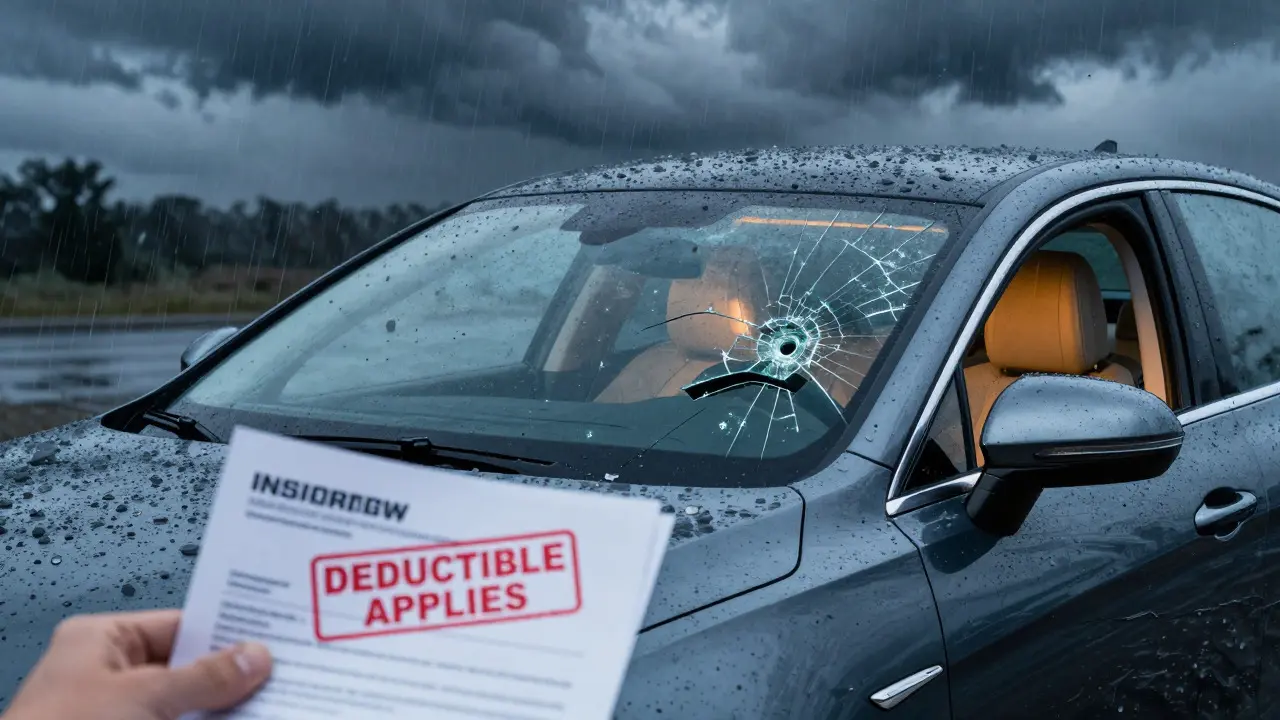
You just spent a fortune upgrading your car. Maybe it’s a set of lightweight alloy wheels, a high-end stereo system, or a panoramic sunroof that costs more than your first vehicle. Then, hail hits. Or a rock chips your windshield. You call your insurer, expecting full reimbursement. Instead, they hand you a check for $200 and tell you the rest is 'betterment' or 'non-standard equipment.'
This isn’t a scam. It’s how standard auto insurance policies work out of the box. Most base policies cover the factory-original state of your vehicle. Anything you add after leaving the dealership falls into a gray area unless you explicitly ask for it. That’s where car insurance endorsements come in. They are small, targeted additions to your policy that fill these specific gaps.
What Are Car Insurance Endorsements?
An endorsement is essentially a rider attached to your main insurance contract. Think of your base policy as a plain white T-shirt. It covers the basics, but it doesn’t have pockets, zippers, or logos. An endorsement adds those features. In the world of property and casualty insurance, an endorsement modifies the terms, conditions, or coverage limits of the original policy.
Why do insurers separate them? Because not everyone needs them. If you drive a ten-year-old sedan with stock tires and radio, you don’t need to pay extra for custom parts coverage. But if you drive a modified truck or a luxury EV with a fragile glass roof, skipping these endorsements is like driving without seatbelts-you’re exposed to risks you can easily mitigate.
The cost varies wildly. Some endorsements, like roadside assistance, might add $5 a month. Others, like agreed value coverage for classic cars, can double your premium. The key is knowing which ones actually protect your wallet.
Glass Coverage: More Than Just a Chip
Let’s talk about glass. Modern vehicles are essentially greenhouses on wheels. Windshields are laminated safety glass, side windows are tempered, and many new cars feature panoramic roofs. When this glass breaks, it’s expensive. A single windshield replacement can range from $300 to over $1,000 depending on whether it has sensors for automatic emergency braking or lane-keeping assist.
Standard comprehensive coverage usually includes glass repair, but there’s a catch: the deductible. If your deductible is $500 and the windshield costs $400 to replace, you pay nothing because the claim is below the threshold. But if the damage is $600, you pay the $500 deductible and get only $100 back. It’s often cheaper to pay out of pocket than to file a claim, which might raise your rates.
Glass coverage endorsements solve this by offering zero-deductible options. For a small fee-often between $10 and $30 per year-you can have windshields repaired or replaced without touching your deductible. This is crucial for drivers in areas prone to hail or road debris.
Consider this scenario: You live in a region with frequent summer storms. Hail takes out your windshield. Without the endorsement, you pay $500. With the endorsement, you pay nothing. Over five years, if you have one major glass incident, the endorsement pays for itself three times over. Plus, filing a small claim under a zero-deductible rider rarely triggers rate hikes, whereas a standard comprehensive claim might.
Custom Parts and Equipment: Protecting Your Modifications
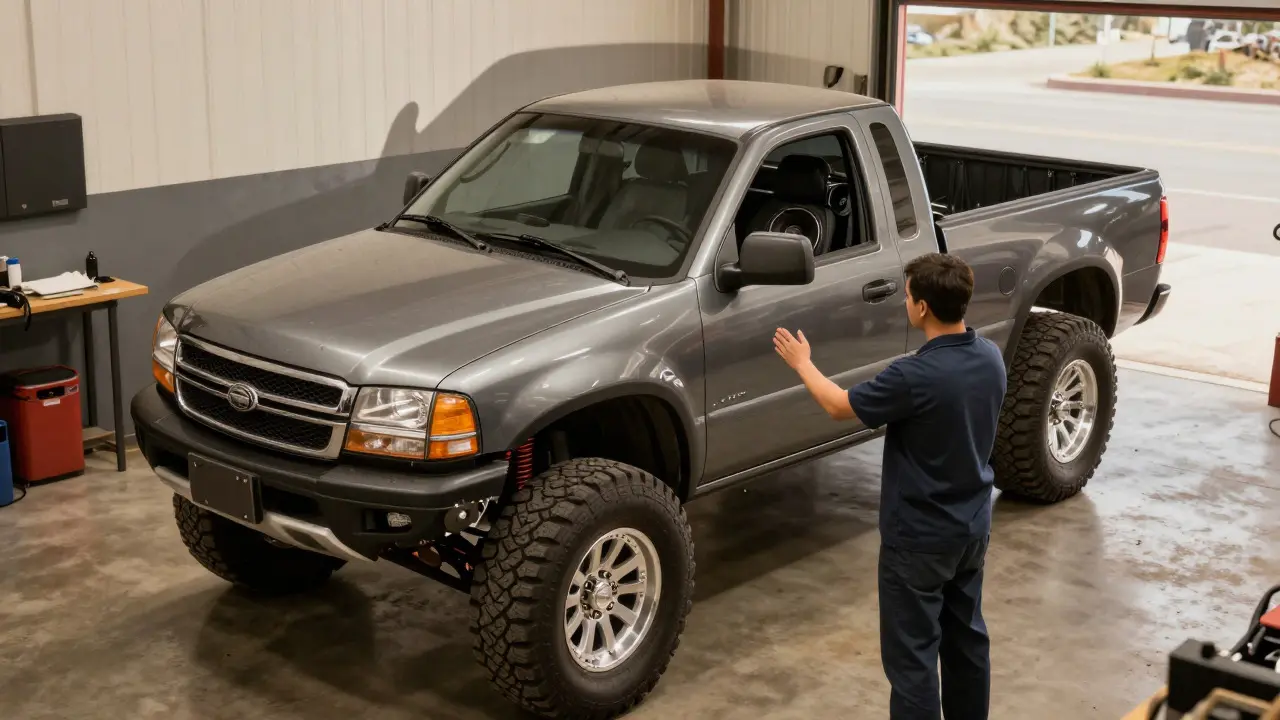
If you’ve ever lifted your suspension, added a turbo kit, or installed a custom sound system, you know that 'factory condition' is a myth for your car. Standard collision and comprehensive coverage typically reimburse you based on the actual cash value (ACV) of the vehicle *as originally manufactured*. They do not automatically account for the $2,000 subwoofer or the $800 off-road bumper you installed last month.
This is where custom parts and equipment coverage becomes non-negotiable. This endorsement allows you to list specific aftermarket additions and assign them a value. In the event of theft or total loss, the insurer reimburses you for these items up to the listed limit.
Here’s the tricky part: depreciation. Even with this endorsement, insurers may apply depreciation to older modifications. If you installed a stereo five years ago, they won’t pay you today’s market price for a brand-new equivalent. They’ll pay what that five-year-old stereo is worth now. To avoid this, some specialty insurers offer 'agreed value' policies for heavily modified vehicles, locking in the value at the start of the term.
Who needs this? Anyone who spends more than 10% of their car’s value on modifications. If your Honda Civic is worth $15,000 and you’ve spent $3,000 on mods, you have a significant exposure gap. Without the endorsement, a total loss leaves you holding the bag for those upgrades.
Accessories and Personal Property: The Forgotten Items
We often forget about the things we keep *in* the car, not just the things bolted *to* it. GPS units, laptop computers, expensive toolkits, or even golf clubs left in the trunk. Standard auto policies generally exclude personal property inside the vehicle, unless it’s stolen along with the entire car.
Some insurers offer personal effects coverage as an endorsement. This acts similarly to renters insurance but specifically for items inside your vehicle. However, be careful here. Many people assume their homeowners or renters policy covers these items. Often, it does, but with lower limits and higher deductibles than your auto policy.
Before buying this endorsement, check your homeowners policy. If you already have a floater for valuable electronics, you might be double-paying. But if you frequently transport high-value tools or equipment for work, a specialized accessory endorsement might offer broader protection against accidental damage, not just theft.
Other Critical Endorsements to Consider
Beyond glass and customs, there are other riders that can significantly alter your financial risk profile:
- Rental Reimbursement: Pays for a rental car while yours is being repaired after a covered loss. Standard policies don’t include this. If you rely on your car for commuting, this is essential.
- Gap Insurance: Technically often sold separately, but sometimes available as an endorsement. It covers the difference between what you owe on your loan and what the car is worth if it’s totaled. Crucial for new cars that depreciate quickly.
- Medical Payments (MedPay): Covers medical expenses for you and your passengers regardless of fault. This fills gaps in health insurance, especially if you have high deductibles or pre-existing conditions excluded by your health plan.
- Underinsured Motorist Bodily Injury: Protects you if you’re hit by someone with little or no insurance. In states with high uninsured driver rates, this is arguably more important than collision coverage.

How to Choose the Right Endorsements
Adding every available endorsement will skyrocket your premium. The goal is strategic protection. Follow this decision tree:
- Assess Your Vehicle’s Value vs. Modification Cost: If mods exceed 10% of the car’s value, get custom parts coverage.
- Evaluate Glass Risk: Do you park outdoors? Live in a hail zone? Drive a car with advanced driver-assistance systems (ADAS) embedded in the windshield? Get zero-deductible glass coverage.
- Check Your Deductibles: If your comprehensive deductible is high ($1,000+), consider lowering it via endorsements for specific high-frequency risks like glass.
- Review Existing Policies: Check your homeowners/renters policy for personal property coverage before buying auto accessories riders.
- Calculate Break-Even Points: Divide the annual cost of the endorsement by the potential savings. If a $20/year glass rider saves you a $500 deductible once every five years, it’s a no-brainer.
Common Pitfalls to Avoid
One major mistake drivers make is assuming 'comprehensive' means 'everything.' It doesn’t. It means 'everything except what’s explicitly excluded.' Another pitfall is failing to update your policy after major modifications. If you install a new engine or body kit, notify your insurer immediately. If you wait until after an accident, they may deny the claim for material misrepresentation.
Also, beware of 'betterment' clauses. If your old, worn-out part is replaced with a new one during a claim, some insurers deduct the value of the used part from the payout. Endorsements can sometimes waive betterment, ensuring you get a true replacement.
Does standard car insurance cover aftermarket parts?
Generally, no. Standard policies cover the vehicle in its factory-original condition. Aftermarket parts like custom wheels, spoilers, or audio systems are considered 'betterments' and are often excluded or depreciated heavily unless you purchase a specific custom parts endorsement.
Is glass coverage worth the extra cost?
Yes, especially if you have a high comprehensive deductible. Zero-deductible glass coverage typically costs between $10-$30 per year. Since windshield replacements often cost $300-$1,000+, this endorsement pays for itself with just one claim every few years.
Do I need to declare my car modifications to my insurer?
Absolutely. Failing to disclose significant modifications can lead to denied claims due to material misrepresentation. Always inform your insurer of structural, mechanical, or aesthetic changes to ensure proper valuation and coverage.
What is the difference between an endorsement and a rider?
They are essentially the same thing. Both terms refer to an addition or amendment to an insurance policy that changes its coverage terms. Insurers use the terms interchangeably, though 'endorsement' is more common in auto insurance.
Can I add endorsements to my policy mid-term?
Yes, most insurers allow you to add endorsements at any time. The coverage usually begins immediately upon payment, but the premium will be prorated for the remainder of your policy period.
Comments
Quintin Franzese
another article telling people to pay more money to insurance companies who already treat us like ATMs lol
July 27, 2026 at 17:54
alex kobri
i mean the logic holds up though if you actually think about it
most people drive stock cars and never touch them so why should they pay for coverage they will never use but then again life is full of variables and risks that we cannot predict with certainty so maybe paying a little extra peace of mind is worth it in the grand scheme of things
it really depends on your personal risk tolerance and how much you value convenience over savings which is a philosophical question in itself i suppose
July 28, 2026 at 22:49
Anthony Miller
You are all idiots for not reading the fine print.
I have been in this industry for twenty years and I can tell you that the average consumer is too stupid to understand basic contract law. You buy the car you modify it without telling anyone and then you cry when they deny the claim. It is your fault not theirs.
Stop whining and start reading.
July 30, 2026 at 16:08
Tamara Miller
Ugh, seriously? Another piece of corporate propaganda designed to make us feel guilty for not paying enough?
They want us to believe that we are responsible for their greed! It is absolutely disgusting how they manipulate language like 'betterment' to justify keeping our hard-earned money. We should be ashamed of ourselves for falling for these tricks every single time!
Wake up people! They are playing you!
July 31, 2026 at 07:35
Savara Gunn
thanks for breaking this down simply
i always get confused by the insurance jargon so seeing the difference between comprehensive and endorsements helps a lot
probably going to look into the glass coverage since my windshield has a few chips right now
July 31, 2026 at 22:00
michelle veluz
Don't trust ANYTHING they say!
The insurance industry is part of a global conspiracy to keep us poor and dependent! They know exactly what they are doing when they hide these clauses in small print because they want you to fail!
I told my husband we need to cancel all policies and just drive cash only cars hidden in underground bunkers to avoid the surveillance state embedded in those windshields!!!
WAKE UP SHEEPLE!!!
August 1, 2026 at 22:56
Zach Loescher
i wonder if this applies to electric vehicles as well since they have so many sensors in the glass
also does the custom parts coverage cover software modifications or just physical hardware changes
interesting topic
August 3, 2026 at 11:32
Susan Cole
just stick to the basics unless you really need it
August 4, 2026 at 07:52