
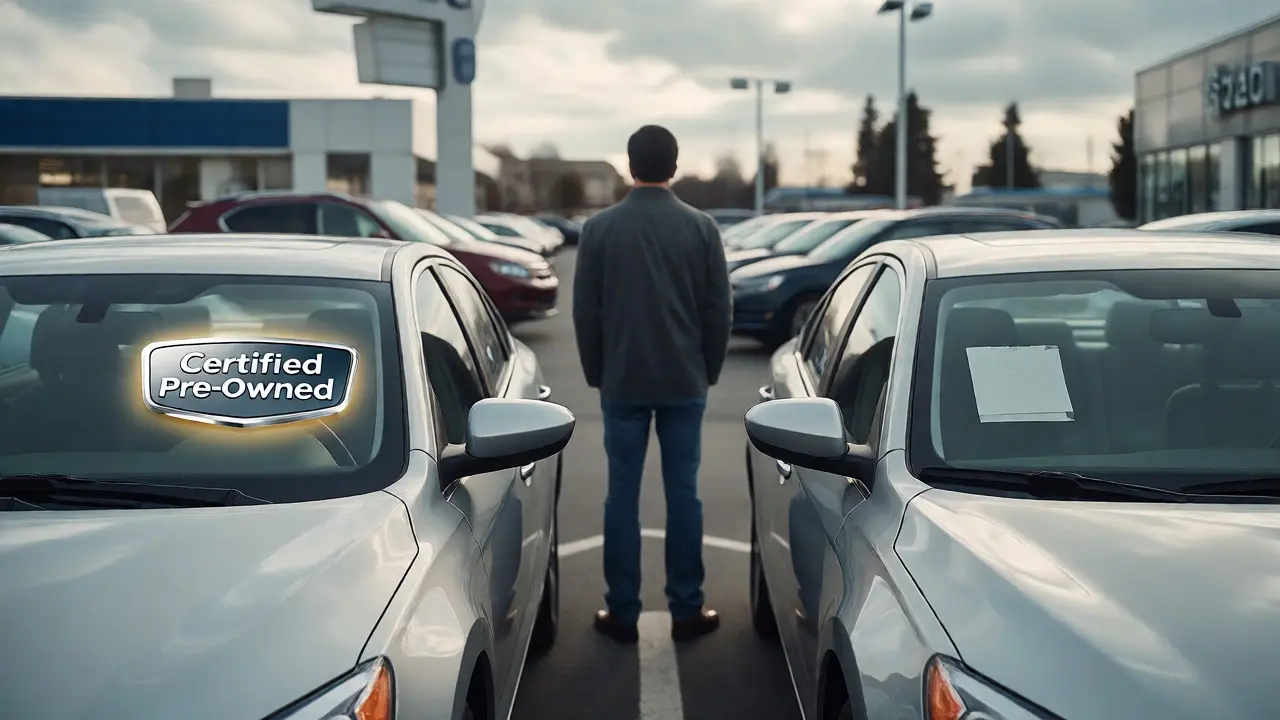
You’re standing in a dealership lot, looking at two identical-looking sedans. One is priced £2,000 higher than the other. The pricier one has a shiny badge on the window that says "Certified Pre-Owned" (CPO). The cheaper one just says "Used." Your gut tells you to save the money, but your brain whispers, "What if it breaks?" This is the classic dilemma for millions of buyers every year. Is the extra cost actually buying you something real, or is it just marketing fluff?
Here’s the truth: Certified Pre-Owned isn't just a fancy label. It’s a specific tier of vehicle inspection and warranty coverage that sits between a standard new car and a random second-hand sale. But does it pay off for everyone? Not necessarily. If you’re keeping a car for six months, you might be throwing money away. If you plan to drive it for five years, that badge could save you thousands in unexpected repairs.
Key Takeaways
- Inspection Rigor: CPO vehicles undergo a multi-point inspection (often 100+ points) by manufacturer-trained technicians, whereas standard used cars may only get a basic safety check.
- Warranty Coverage: CPO includes an extended powertrain warranty backed by the manufacturer, while standard used cars often have no warranty or a limited dealer-backed guarantee.
- Cost Premium: Expect to pay 5-10% more for a CPO vehicle compared to a similar non-certified used model.
- Resale Value: CPO status can help maintain resale value because the next buyer sees a documented history of care and remaining warranty.
- Who Should Buy CPO: Best for those who want low risk, long-term ownership, or lack mechanical knowledge. Standard used is better for budget-focused buyers with access to independent mechanics.
What Exactly Makes a Car "Certified"?
When you see a Certified Pre-Owned vehicle, it means the car didn’t just roll off a truck and onto the lot. It went through a rigorous vetting process defined by the manufacturer, not just the local dealer. For example, BMW’s "BMW Certified" program requires a 74-point inspection. Toyota’s "Toyota Certified" checks over 100 items. These aren’t casual glances; they are technical audits.
The criteria usually include strict age and mileage limits. Most manufacturers won’t certify a car older than five years or one with more than 60,000-80,000 miles on the odometer. They also require a clean title-no salvage, flood, or lemon law history. If a car fails even one critical item, like a worn timing belt or a minor oil leak, it gets rejected from the CPO program and sold as standard inventory instead.
This distinction matters because "used" is a broad term. A "used" car could be a 10-year-old hatchback with 120,000 miles bought from a private seller. A CPO car is typically 2-4 years old with moderate mileage, previously leased or traded in, and thoroughly checked. You’re paying for the certainty that the car was inspected against factory standards.
The Warranty Difference: Why It Matters
The biggest selling point of CPO is the warranty. When you buy a standard used car from a dealer, you might get a 3-month/3,000-mile guarantee, which barely covers the first week of ownership issues. Private sales offer "as-is" conditions, meaning if the transmission fails the day after you drive home, you pay for it.
In contrast, CPO programs come with manufacturer-backed warranties. These often extend beyond the original factory warranty. For instance, many brands offer a comprehensive bumper-to-bumper warranty for 12 months/12,000 miles from the date of purchase, plus a powertrain warranty that extends the original coverage by another year or up to 100,000 total miles. This is huge. Powertrain repairs (engine, transmission, drivetrain) are the most expensive things to fix on a modern car. A single turbocharger replacement can cost £1,500-£2,500. With a CPO warranty, that bill goes to the manufacturer.
| Feature | New Car | Certified Pre-Owned (CPO) | Standard Used |
|---|---|---|---|
| Price | Highest (depreciates fastest) | Moderate (+5-10% over used) | Lowest |
| Warranty | Full Factory (3-5 years) | Extended Manufacturer Backed | None or Short Dealer Guarantee |
| Inspection | N/A (Factory Fresh) | Manufacturer Standards (100+ pts) | Basic Safety Check |
| History | N/A | Verified Clean Title + Service Records | Variable (Check HPI/Carfax) |
| Risk Level | Very Low | Low | Moderate to High |
Is the Price Premium Worth It?
Let’s do the math. Say you find a three-year-old Audi A4 for £20,000 as a standard used car. The same car, CPO certified, costs £21,500. That’s a £1,500 premium. What are you buying?
You’re buying peace of mind and risk mitigation. If you keep the car for two years, and nothing breaks, you’ve effectively paid £750 per year for insurance against catastrophic failure. Is that worth it? For some, yes. For others, no.
Consider your financial situation. If you have £3,000 sitting in savings specifically for car repairs, you might skip the CPO premium. You can take that £1,500 saving and put it into a repair fund. However, if losing £2,000 unexpectedly would disrupt your life, the CPO warranty acts as a forced savings account for major repairs. Plus, CPO vehicles often qualify for lower interest rates on financing because lenders view them as lower-risk assets.
Common Pitfalls to Avoid
Not all "certifications" are created equal. Beware of third-party certifications. Some dealers create their own "Gold Standard" or "Premier Select" labels. These are not manufacturer-backed. They might include a cheap service contract from a third-party insurer, which often has exclusions and deductibles. Always ask: "Is this warranty backed by the manufacturer (e.g., Ford, Honda, Mercedes), or by a third party?" Manufacturer backing is gold-standard; third-party is often frustrating.
Another trap is assuming CPO means "perfect condition." It doesn’t. It means the car passed a checklist. Cosmetic flaws like small scratches or worn seats are often acceptable. Always inspect the car yourself or hire an independent mechanic for a pre-purchase inspection, even if it’s CPO. It costs £100-£150 but can reveal hidden issues like accident repairs that weren’t disclosed.
Also, check the transferability. Some CPO warranties are tied to the VIN and transfer automatically to the next owner. Others require paperwork. If you plan to sell the car in two years, knowing the warranty transfers can make your car easier to sell later.
When to Choose Standard Used Instead
CPO isn’t for everyone. If you’re buying a project car, a high-mileage workhorse, or a niche vehicle where parts are cheap and easy to find, standard used makes sense. Enthusiasts who know how to fix cars themselves rarely need CPO warranties. They’d rather spend the extra cash on upgrades or maintenance.
Similarly, if you’re leasing a new car soon, buying a CPO car might be redundant. Leasing gives you warranty coverage anyway. But if you’re planning to own the car for 5+ years, the extended powertrain warranty of a CPO vehicle becomes increasingly valuable as components age out of the original factory coverage.
Does a CPO warranty cover wear and tear items like brakes and tires?
Generally, no. Manufacturer warranties, including CPO extensions, typically cover defects in materials and workmanship, not normal wear and tear. Items like brake pads, wiper blades, tires, and batteries are usually excluded unless they fail due to a manufacturing defect within a very short timeframe. Always read the fine print of the specific warranty document.
Can I negotiate the price of a Certified Pre-Owned car?
Yes, absolutely. While CPO cars hold their value better, they are still negotiable. Dealers have margins on CPO vehicles just like any other stock. You can often negotiate down the price, especially if the car has been on the lot for a while. However, expect less aggressive discounts compared to standard used cars because the CPO certification adds perceived value.
What happens if I buy a CPO car and move to a different country?
Most major manufacturers offer nationwide or international warranty coverage, but policies vary. In the UK and EU, manufacturer warranties are generally valid across borders within the region. Outside these zones, you may need to rely on authorized dealerships in your new location. Always verify the geographic scope of the warranty before purchasing if you plan to relocate.
Are CPO cars always former lease vehicles?
Not always, but frequently. Many CPO vehicles are returned leases because they were maintained under corporate guidelines and driven within mileage limits. However, trade-ins from retail customers can also be certified if they meet the strict age, mileage, and condition criteria. Don’t assume it was a lease; check the service history for clarity.
Is a third-party extended warranty a good alternative to CPO?
It can be, but it comes with risks. Third-party warranties are often cheaper upfront but may have complex claim processes, deductibles, and exclusions. Manufacturer-backed CPO warranties are simpler to use-you take the car to any authorized dealer, and they handle it. If you choose a third-party plan, research the provider’s reputation extensively.
Final Verdict: Who Wins?
If you hate surprises and value convenience, CPO is the winner. It removes the anxiety of unknown mechanical histories and provides a safety net for expensive repairs. It’s ideal for first-time buyers, busy professionals, or anyone without a trusted mechanic.
If you are budget-conscious, mechanically inclined, or willing to take on some risk for a lower upfront cost, standard used is the smarter financial play. Just ensure you run a thorough history check and budget for immediate maintenance.
Ultimately, compare the total cost of ownership. Add the CPO premium to the standard used price, then subtract the potential repair savings. If the number feels right for your peace of mind, go for the badge. If not, keep shopping.