
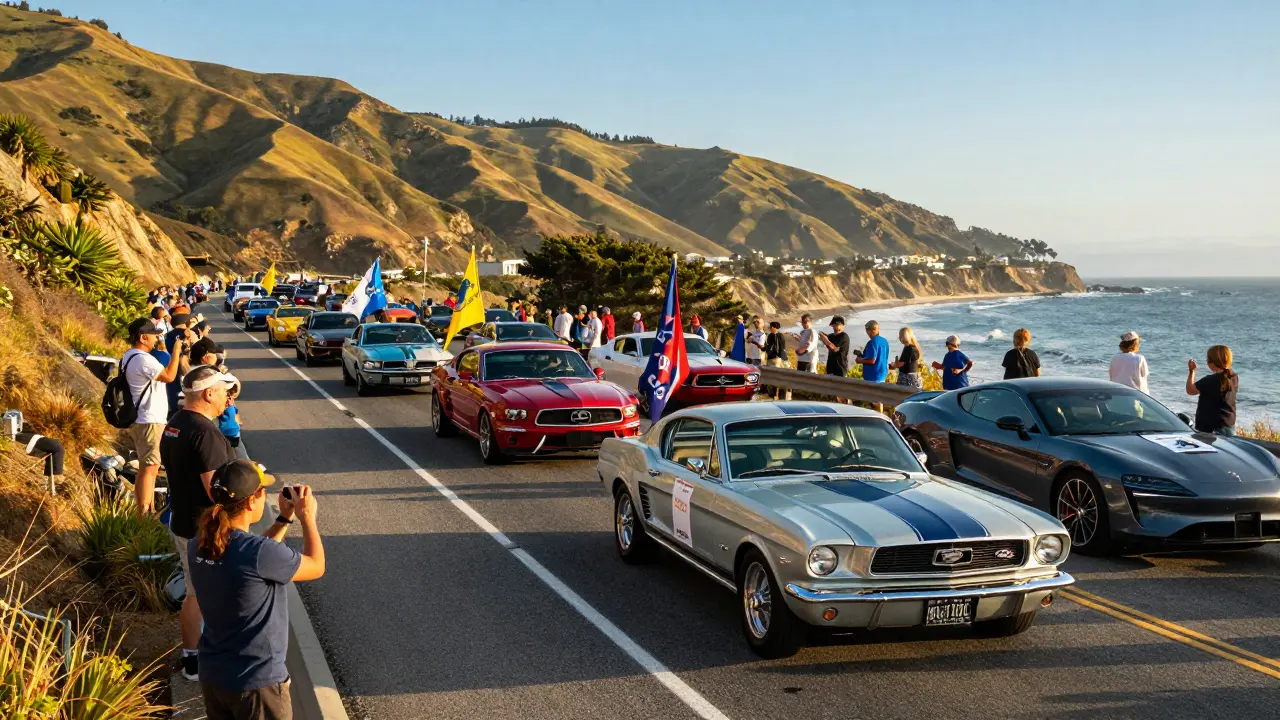
Imagine a convoy of vintage Mustangs or modified trucks rolling through your town. The engines rumble, flags wave, and every mile driven turns into cash for a local cause. This isn't just a car show; it's a charity car rally, a powerful blend of automotive passion and community giving. These events have become a staple in auto culture, turning fuel consumption into fundraising potential. But organizing one is not as simple as pointing drivers toward a finish line. It requires strict adherence to safety protocols, legal permits, and strategic planning to ensure the money raised actually reaches the beneficiaries.
The Anatomy of a Charity Car Rally
A charity car rally differs significantly from a standard car meet or a competitive race. In a race, speed wins. In a rally, participation and presentation win. The primary goal is visibility and fundraising. Participants usually pay an entry fee, which covers their registration and contributes directly to the chosen charity. Along the route, sponsors set up checkpoints where participants can stop for food, merchandise, or additional donations.
These events often fall under the broader category of fundraising road events. They leverage the emotional connection people have with their vehicles. Whether it’s a restored classic from the 1960s or a modern eco-friendly electric vehicle, the car serves as a mobile billboard for the cause. The atmosphere is festive, family-friendly, and highly social. This environment encourages higher spending on concessions and raffles compared to traditional static fundraisers like bake sales or silent auctions.
Key components include:
- Entry Fees: The baseline funding source.
- Sponsorships: Local businesses paying for logo placement on banners and shirts.
- Concessions: Food and drink sales at rest stops.
- Raffles: Prizes donated by participants or sponsors.
Essential Rules and Regulations
You cannot simply drive down the highway with a group of cars without permission. Public roads are regulated spaces, and large groups trigger immediate scrutiny from law enforcement. Understanding the rally rules is critical for keeping the event legal and safe. Ignorance of these regulations can lead to fines, shutdowns, or worse, accidents that ruin the charity’s reputation.
| Requirement | Description | Typing Authority |
|---|---|---|
| Traffic Permit | Official authorization to use public roads for a non-emergency procession. | Department of Transportation / Local Police |
| Speed Limits | Strict adherence to posted limits; no speeding contests allowed. | State Highway Patrol |
| Vehicle Inspection | Proof that all vehicles are road-legal (brakes, lights, tires). | Event Organizer / DMV |
| Insurance Coverage | Liability insurance covering the event, participants, and spectators. | Insurance Provider |
| Pilot/Escort Vehicles | Mandatory lead and tail vehicles to warn traffic and police. | Local Law Enforcement |
The most common pitfall organizers face is underestimating the need for escort vehicles. Most jurisdictions require a marked police escort or at least designated private pilot cars with flashing amber lights to lead the group. These vehicles signal to other drivers that a special procession is occurring, reducing the risk of cut-offs or collisions. Without them, you are essentially creating a moving traffic hazard.
Another critical rule involves vehicle roadworthiness. You might want to allow a project car that hasn’t run in years, but if it breaks down on a busy highway, it becomes a liability. Organizers must enforce a "road-legal" policy. This means working brakes, functioning headlights, and proper registration. Many successful rallies hold a pre-event inspection day where volunteers check fluids and tire pressure before issuing the official rally sticker.
Planning the Route and Logistics
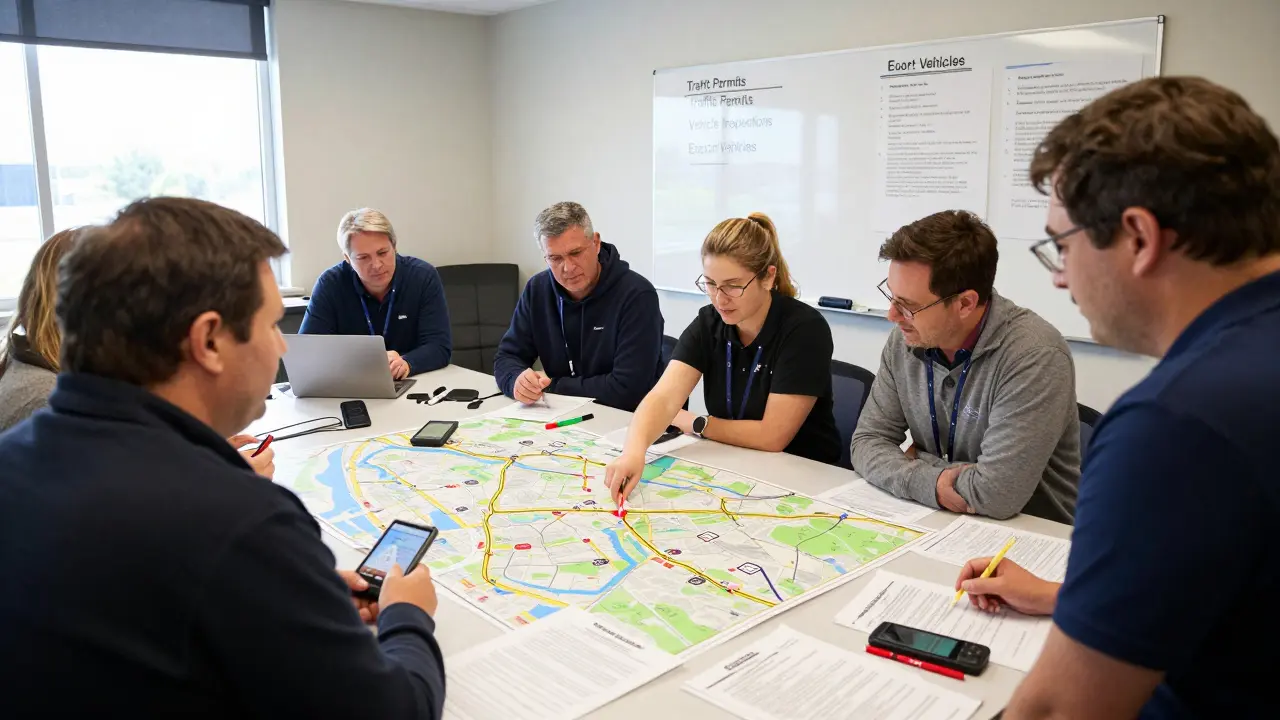
The route is the backbone of the event. A poorly planned route leads to congestion, frustrated participants, and angry locals. The ideal route balances scenic value with logistical ease. Avoid tight urban centers with heavy pedestrian traffic unless you have closed off the streets entirely. Instead, opt for rural highways, coastal roads, or mountain passes that offer open space and photo opportunities.
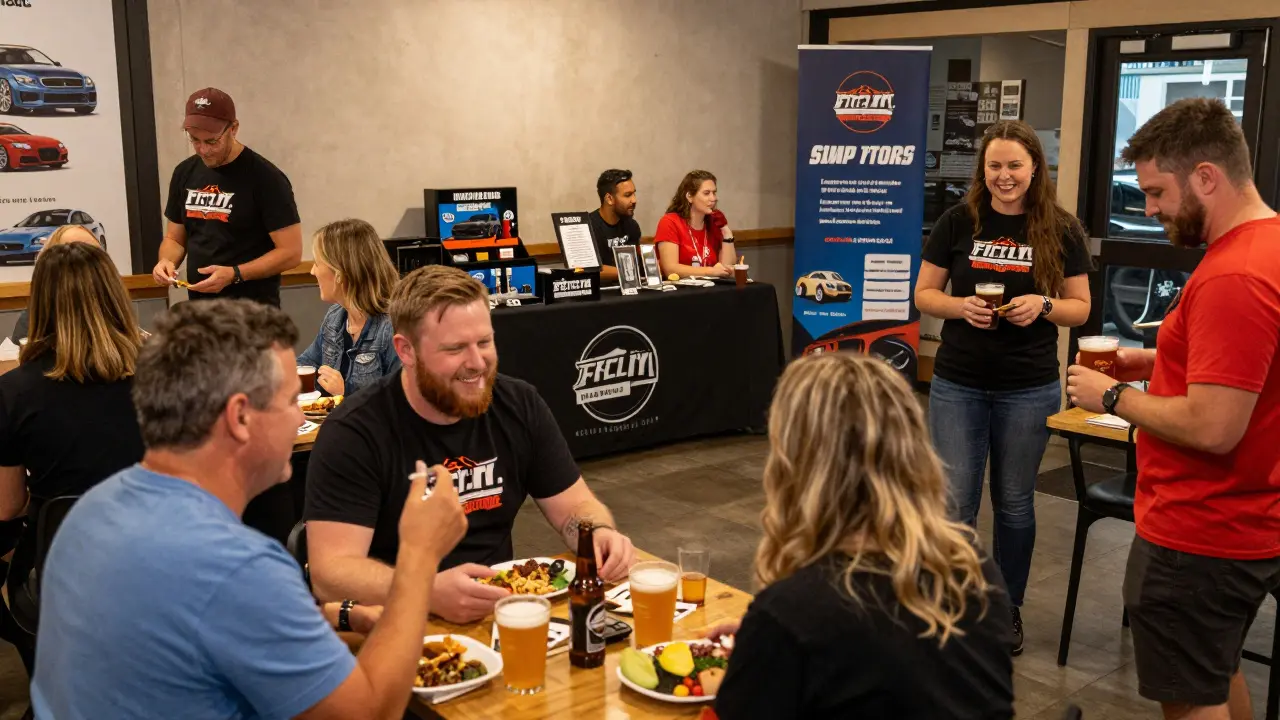
Logistics involve more than just drawing a line on a map. You need to coordinate rest stops every 60 to 90 minutes. Drivers need to use the restroom, stretch their legs, and refuel. These stops are also prime fundraising locations. Partner with local restaurants, breweries, or parks to host these breaks. Offer exclusive discounts to rally participants to incentivize spending.
Communication is vital. Provide participants with a detailed itinerary via email and a dedicated app or radio channel. Include GPS coordinates for each checkpoint. Weather plays a huge role too. Have a contingency plan for rain or severe storms. If safety is compromised, you must be ready to shorten the route or cancel the event. Safety always trumps fundraising goals.
Fundraising Strategies Beyond Entry Fees
Entry fees cover the basics, but they rarely maximize profit. To truly benefit the charity, you need layered fundraising strategies. Think about the entire ecosystem of the event. Every interaction should be a potential revenue stream.
First, consider sponsorship tiers. Create packages for local businesses. A "Gold Sponsor" might get their logo on the rally t-shirts, the website header, and a banner at every rest stop. A "Silver Sponsor" gets digital recognition only. Approach auto shops, parts suppliers, and local media outlets. They benefit from the exposure to a targeted audience of car enthusiasts.
Second, implement a mileage challenge. Some rallies charge per mile instead of a flat fee. This encourages participants to take longer routes or multiple laps. Alternatively, offer prizes for the "most creative decoration" or "best vintage restoration." Charge a small fee to vote for these categories. This adds engagement and extra income.
Third, leverage silent auctions. Ask participants to donate items related to their hobby-tools, memorabilia, signed photos from racing legends, or even driving experiences. Host this auction at the final destination during the awards ceremony. People are in a celebratory mood and more likely to bid generously.
Safety Protocols and Risk Management
Safety is non-negotiable. One accident can derail years of goodwill. Implement strict safety protocols starting from registration. Require proof of insurance for every vehicle. Mandate seatbelts for all occupants. Prohibit open containers of alcohol while driving. Designate a "party bus" or shuttle service if you want to serve alcohol at rest stops.
Hire professional security personnel for larger events. They manage crowd control at start/finish lines and prevent unauthorized vehicles from joining the convoy. Train your volunteers on basic first aid and emergency response. Have a clear protocol for medical emergencies, including designated hospitals along the route.
Communicate expectations clearly. Send a waiver to every participant that outlines the risks and rules. Make them acknowledge that they are responsible for their own driving behavior. This legal protection is essential for the organizing committee and the charity.
Marketing and Community Engagement
Word-of-mouth is powerful in auto culture, but it’s not enough. You need a robust marketing strategy. Use social media platforms popular with car enthusiasts, such as Instagram and Facebook Groups. Share high-quality photos from previous rallies. Highlight the charity’s impact-show exactly how last year’s funds helped the community. Transparency builds trust.
Partner with local car clubs. Reach out to hot rod associations, classic car clubs, and even EV enthusiast groups. Offer them discounted bulk registration rates. These clubs have established networks and can bring dozens of participants quickly. Engage local media by sending press releases about the unique aspect of your rally. Maybe it’s the largest gathering of muscle cars in the state, or the first eco-friendly rally in the region.
Create a sense of urgency. Offer early-bird pricing to encourage sign-ups months in advance. This helps with budgeting and logistics. As the date approaches, increase frequency of posts. Count down the days. Tease the route and the prizes. Make people feel like they would miss out if they didn’t join.
Post-Event Follow-Up
The event doesn’t end when the last car crosses the finish line. The follow-up is crucial for long-term success. Send thank-you emails to all participants, sponsors, and volunteers within 48 hours. Include a summary of the total amount raised and how it will be used. Share photos and videos from the event. Tag participants and sponsors to extend the reach on social media.
Gather feedback. Send a short survey asking what went well and what could be improved. Did the route work? Were the rest stops convenient? Was the communication clear? Use this data to refine next year’s event. Continuous improvement shows professionalism and respect for your community.
Finally, maintain relationships with sponsors throughout the year, not just during the rally season. Keep them updated on the charity’s progress. This ensures they are more likely to renew their sponsorship for the following year. Consistency and gratitude turn one-time supporters into lifelong partners.
How much does it cost to organize a charity car rally?
Costs vary widely depending on size and location. Small local rallies might cost $500-$2,000 for permits, insurance, and marketing. Large regional events can exceed $10,000 due to police escorts, extensive signage, and venue rentals. Always budget for unexpected expenses like medical supplies or additional security.
Do I need a permit for a charity car rally?
Yes, absolutely. You need traffic permits from local transportation authorities and possibly police coordination for escorts. Operating without these permits can result in heavy fines and immediate shutdown of the event. Start the application process at least 60-90 days in advance.
Can I allow non-road-legal cars in my rally?
It is highly discouraged. Non-road-legal vehicles pose significant safety risks on public highways. If you must include them, transport them on trailers between checkpoints or restrict them to private property segments only. Never allow broken-down or unsafe vehicles on active public roads.
What is the best way to find sponsors for a car rally?
Target local businesses that serve car enthusiasts, such as auto repair shops, parts stores, and detailing services. Also approach general community businesses like restaurants and banks. Offer clear value propositions, such as logo placement on promotional materials, social media mentions, and booth space at rest stops.
How do I handle insurance for a charity car rally?
Purchase a special event liability insurance policy that covers the organizer, volunteers, and potentially third-party injuries. Ensure participants carry their own auto insurance. Consider requiring participants to sign waivers acknowledging personal responsibility for their vehicles and actions.
Comments
Paritosh Bhagat
You really need to stop pretending that this is some grand moral imperative when it’s clearly just a bunch of people burning fuel for fun. The grammar in your post is acceptable, I suppose, but the underlying assumption that driving old cars around helps charity is deeply flawed. It’s selfish. You’re clogging up roads and creating hazards for everyone else who just wants to get to work safely. Why should we subsidize your hobby with our tax dollars and police resources? It’s not right. You should be ashamed. The world doesn’t need more noise pollution. It needs silence. And respect for the rules. Not these loopholes you’re trying to justify.
May 23, 2026 at 05:31
Ben De Keersmaecker
I find the perspective on regulatory compliance quite intriguing, especially regarding the distinction between road-legal requirements and the aesthetic appeal of project cars. In my experience, engaging with local DMV officials early in the process can clarify ambiguities that might otherwise halt an event. It is interesting how different regions interpret 'road-worthy' standards, which adds a layer of complexity to cross-state rallies.
May 23, 2026 at 06:55
Aaron Elliott
The notion that one can simply 'organize' a rally without understanding the profound philosophical implications of collective motion is laughable. One must question the very essence of why we gather. Is it for charity? Or is it for the ego of the organizer? The text suggests a linear path to success, yet life, like traffic, is non-linear. To ignore the chaotic variables is to invite disaster. One should read more Kant before touching a steering wheel.
May 23, 2026 at 09:52
Chris Heffron
Hey there! :D Just wanted to say that the part about escort vehicles was super helpful. I always wondered why those police cars were leading the pack. Thanks for clearing that up! :) Hope everyone stays safe out there!
May 23, 2026 at 22:18
Adrienne Temple
This is a great guide! I love how it breaks down the steps so clearly. It makes me feel like I could actually help organize something like this. The tips on sponsorship are really useful too. :) Let's keep helping each other out!
May 25, 2026 at 14:09
Sandy Dog
Oh my gosh, I am literally shaking reading this because I remember last year's rally where my friend's truck broke down right in the middle of a busy intersection and it was the most terrifying moment of my entire life!!! I couldn't breathe and I was crying and screaming for him to move the car but he couldn't start it and the cops were honking and everyone was yelling and it was just chaos and I swear I haven't slept since then because I keep dreaming about that brake fluid leaking everywhere and the smell of burnt rubber was so strong it made me nauseous and I still get nightmares about the look on his face when he realized he was stuck there with no way out and it was just awful and traumatic and I don't think I'll ever trust a car rally again because what if it happens to me next time??? :(
May 26, 2026 at 13:55
Nick Rios
I hear you, Sandy. That sounds incredibly stressful. It's important to acknowledge those fears. Safety protocols exist precisely to prevent those scenarios. Taking things one step at a time helps manage anxiety.
May 28, 2026 at 05:57
Amanda Harkins
The idea of charity is just a construct we use to feel better about consuming resources. We drive these metal boxes to prove we exist. The money raised is negligible compared to the carbon footprint. Think about it.
May 29, 2026 at 12:23
Jeanie Watson
Boring.
May 30, 2026 at 15:57
Tom Mikota
Look; if you're going to run a rally; make sure you check the brakes. Seriously. Don't be stupid. The insurance part? Crucial. Get it. Done. Right. Now. Stop whining about permits and just do the work. :)
May 31, 2026 at 20:07