
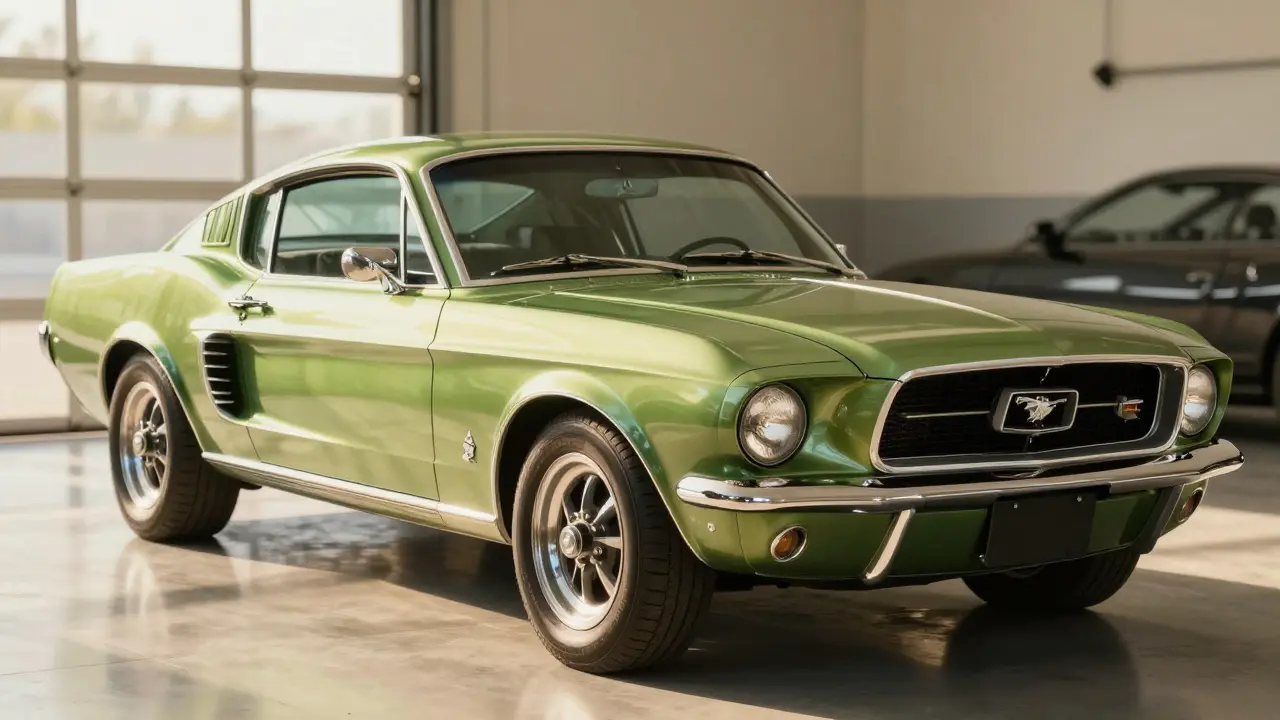
Picture this: you’ve spent years restoring a pristine 1967 Mustang or preserving a rare Jaguar E-Type. It’s not just a car; it’s a piece of history. But here is the problem-when you go to insure it or sell it, standard methods fail you. A regular mechanic’s quote isn’t enough, and an online estimator often guesses wildly. Without a professional classic car appraisal, you are either overpaying for coverage that won’t pay out correctly or leaving money on the table during a sale.
Getting your classic vehicle appraised is more than just getting a price tag. It is about establishing a documented truth regarding its condition, rarity, and market position. Whether you need to secure proper coverage from a specialist insurer or convince a buyer that your asking price is fair, the appraisal process is the bridge between passion and practicality. Let’s look at how to get this right without wasting time or cash.
Why Standard Valuations Fail Classic Cars
You might be tempted to use free online tools like Kelley Blue Book (KBB) or NADA Guides. For a daily driver, these work fine. They rely on average transaction data for mass-produced vehicles. But a classic car is rarely "average." Two identical 1955 Chevrolet Bel Airs can have vastly different values based on whether they are original, restored, or modified.
Standard algorithms cannot account for provenance, matching numbers, or specific restoration quality. If you rely on a generic estimate, an insurance company might undervalue your car in the event of a total loss. Conversely, if you list your car for sale using an inflated online figure, serious collectors will walk away immediately. Professional appraisals dig into the specifics that automated systems miss.
The Three Types of Value You Need to Know
Before you hire an appraiser, you must understand what kind of value you are seeking. Not all appraisals serve the same purpose. Confusing these terms can lead to significant financial errors.
- Fair Market Value: This is the price a willing buyer would pay a willing seller in an open market. This is what matters most when you are selling your car privately or trading it. It reflects current demand and supply dynamics.
- Agreed Value: This is crucial for insurance. You and the insurer agree on a specific dollar amount before the policy starts. If the car is totaled, stolen, or destroyed, you receive that exact amount, minus any deductible. There is no depreciation argument later.
- Replacement Cost: This estimates how much it would cost to buy another car of similar age, condition, and equipment today. This is less common for true classics but useful for older muscle cars that are still relatively accessible.
If you are preparing for insurance, focus on Agreed Value. If you are preparing for a sale, focus on Fair Market Value. An appraiser can provide both, but you need to specify which one drives your decision.
Choosing the Right Appraiser
Not everyone who looks at old cars is qualified to write a legal appraisal. You want someone with credentials, not just opinions. In the UK and US, look for members of recognized bodies like the International Society of Appraisers (ISA) or the American Society of Appraisers (ASA). These organizations require rigorous education, experience, and adherence to ethical standards.
A good appraiser works independently. Avoid anyone who offers to appraise your car for a percentage of its eventual sale price. That creates a conflict of interest-they have a motive to inflate the value. Instead, pay a flat fee or an hourly rate. This ensures their judgment remains objective and defensible.
Ask for samples of previous reports. A professional report should be detailed, well-organized, and include high-quality photographs. It should explain the methodology used to arrive at the value, citing comparable sales and market trends. If the report is vague or lacks supporting evidence, keep looking.

Preparing Your Car for Inspection
The condition of your car directly impacts its value. Before the appraiser arrives, take steps to present your vehicle in the best possible light. This doesn’t mean hiding flaws-it means making sure every detail is visible and documented.
- Clean Thoroughly: Wash the exterior, vacuum the interior, and clean the engine bay. Dirt hides rust, scratches, and mechanical issues. A clean car shows respect for the asset and allows for accurate inspection.
- Gather Documentation: Collect the title, registration, maintenance records, and any previous auction results or purchase receipts. Provenance adds immense value. If you know the original owner or have service logs from a dealership, bring them.
- Document Modifications: List every change made to the car. Did you install a modern alternator? Upgrade the brakes? Paint it a non-factory color? Be honest. While some modifications hurt value, others improve usability and safety. Transparency builds trust.
- Check Fluids and Tires: Ensure the car runs smoothly. Start it up, check for leaks, and verify tire pressure. A car that fails to start raises questions about neglect.
If there are known issues, such as a cracked windshield or a worn clutch, disclose them upfront. Surprises during the inspection can damage credibility. An appraiser respects honesty more than perfection.
Navigating Insurance Requirements
Specialist insurers like Hagerty, Grundy, or Adrian Flux often require a recent appraisal for high-value vehicles. They don’t want to guess your car’s worth. By providing a third-party appraisal, you lock in your coverage level.
When submitting your appraisal to an insurer, ensure it includes clear photos of the VIN plate, engine number, and overall condition. The insurer may ask for additional details, so keep copies of everything. Some policies allow you to update the value annually without a full re-appraisal, but major changes-like a complete restoration-usually trigger a new assessment.
Remember, insurance is about risk mitigation. The goal is to replace the financial loss, not profit from it. An accurate appraisal protects you from underinsurance, where the payout falls short of the car’s true worth.
Using Appraisals for Sales and Auctions
If you plan to sell your classic car, an appraisal serves as a powerful marketing tool. Buyers hesitate when prices seem arbitrary. A certified appraisal provides objective justification for your asking price.
Include key excerpts from the appraisal in your listing. Highlight unique features, originality, and recent maintenance. Mentioning that the value was determined by a certified ISA member adds credibility. Serious collectors appreciate transparency and are more likely to engage if they trust the pricing.
For auctions, some houses require pre-submission inspections. Having an appraisal ready speeds up the process and helps set realistic reserve prices. It also prevents the embarrassment of having a car pass unsold due to an overly optimistic starting bid.
| Purpose | Value Type Used | Key Audience | Critical Factor |
|---|---|---|---|
| Insurance Coverage | Agreed Value | Insurer | Defensibility & Accuracy |
| Private Sale | Fair Market Value | Potential Buyer | Market Comparables |
| Estate Planning | Fair Market Value | Tax Authorities | Legal Compliance |
| Loan Collateral | Liquidation Value | Lender | Conservative Estimate |
Common Pitfalls to Avoid
Even experienced owners make mistakes during the appraisal process. One common error is expecting the appraiser to fix the car’s problems. An appraisal assesses value; it does not include repair recommendations unless specifically requested. Another mistake is comparing apples to oranges. A concours-level Ferrari is not the same as a driver-grade example. Ensure your appraiser understands the specific segment of the market your car occupies.
Also, beware of outdated data. The classic car market fluctuates. A value from five years ago may be irrelevant today. Always request a current appraisal, ideally within the last 12 months, especially for insurance purposes. Market trends shift quickly, particularly for popular models like Porsche 911s or Mini Coopers.
How much does a professional classic car appraisal cost?
Costs vary widely depending on the appraiser’s expertise and location. Typically, you can expect to pay between £150 and £500 for a standard vehicle. High-end exotics or complex restorations may cost more due to the research required. Always ask for a quote upfront.
Do I need an appraisal if my car is already insured?
If your policy uses an agreed value clause, you likely already provided an appraisal or mutual agreement when signing up. However, if the car’s value has significantly increased due to market trends or restoration, updating your appraisal ensures you aren’t underinsured.
Can I appraise my own car for insurance purposes?
Most insurers do not accept self-appraisals for high-value classic cars because they lack objectivity. They prefer independent, certified appraisers to mitigate risk. Check your specific policy requirements, but assume third-party validation is necessary.
How long is a classic car appraisal valid?
Generally, an appraisal is considered valid for one year. After that, market conditions may have changed. For insurance renewals, many companies accept annual updates without a full new report, but significant changes in condition warrant a fresh appraisal.
What makes a classic car more valuable?
Originality is king. Matching numbers engines, factory paint, and documented provenance increase value. Condition matters too-a well-preserved original car often beats a poorly executed restoration. Rarity and historical significance also play major roles.
Comments
Eva Monhaut
I always find it fascinating how much history is packed into these machines. The idea of provenance adding value makes so much sense to me because it tells a story that numbers simply cannot convey. I have a friend who restored a Bel Air and he spent months tracking down original parts just to keep that narrative intact. It feels like preserving a piece of art rather than just maintaining a vehicle. The emotional connection people have with their classics is truly special and seeing it documented in an appraisal gives it that extra layer of legitimacy. I love how this guide emphasizes the bridge between passion and practicality because that is exactly what we need more of in the hobby. It keeps the dream alive while protecting the investment. Really inspiring stuff!
May 20, 2026 at 17:03
mark nine
just had my 68 camaro appraised last month. took about two hours and cost me three hundred bucks. worth every penny honestly. insurance company accepted it without any hassle. saved me from getting lowballed on coverage. dont skip this step folks.
May 22, 2026 at 04:01
Tony Smith
It is quite amusing how many enthusiasts believe their garage queen is a million-dollar find based on a single eBay listing from 2015. One must understand that market sentiment is fickle and often irrational. The distinction between Fair Market Value and Agreed Value is not merely semantic; it is the difference between financial ruin and peace of mind. I would suggest reading up on ISA credentials before hiring someone who offers to 'help' you sell your car for a commission. That is a conflict of interest so blatant it borders on criminal negligence. Do not be fooled by charm; demand rigor.
May 22, 2026 at 23:46
Rakesh Kumar
This is absolutely incredible information! I never realized how crucial the documentation part was until now. My heart races just thinking about all the papers I need to gather for my old Mercedes. It feels overwhelming but also exciting to know that every oil change record adds value. Who knew dusting off old receipts could be so powerful? This changes everything for me. I am going to start organizing my files immediately because I want to make sure I get every cent of value out of this project. Thank you for opening my eyes to this reality!
May 24, 2026 at 03:23
Bill Castanier
Great points here. Cleanliness matters. Docs matter. Honesty matters. Keep it simple.
May 26, 2026 at 02:59
Ronnie Kaye
Oh please, another guide telling us to pay hundreds for a piece of paper. I sold my Mustang for double the KBB value without a single professional appraisal. Buyers just want to see nice photos and hear a good story. These appraisers are just gatekeepers trying to make money off our passion. Don't let them scare you into paying fees you don't need. Just clean it up and list it high. The market will sort itself out eventually.
May 26, 2026 at 14:15
Priyank Panchal
You are completely wrong and frankly dangerous in your advice. Selling without proper valuation exposes both buyer and seller to significant legal and financial risks. Your anecdotal success does not negate the necessity of professional standards. Stop spreading misinformation and respect the process. Ignorance is not a strategy.
May 27, 2026 at 07:08
Ian Maggs
One must consider the philosophical implications of value itself. Is a car worth what someone says it is, or is its value inherent in its existence? The act of appraisal imposes an artificial order upon chaos. Yet, without this order, commerce collapses. We are caught between the subjective beauty of the machine and the objective coldness of the ledger. How do we reconcile these opposing forces? Perhaps the answer lies in transparency. Or perhaps it lies in accepting that value is merely a construct we agree to pretend is real. Interesting thoughts indeed.
May 27, 2026 at 07:57
Michael Gradwell
people who modify their classics are ruining the hobby. stick to factory specs or stay out of it. originality is the only thing that matters. anything else is trash. stop wasting everyone's time with franken-cars.
May 28, 2026 at 05:38
Flannery Smail
I disagree with the emphasis on ISA members. Many independent experts know more than those big organizations ever will. Credentials are just marketing tools. Trust your gut and local knowledge instead of some certificate hanging on a wall. The industry is full of snake oil salesmen regardless of their titles.
May 28, 2026 at 20:34
Emmanuel Sadi
Look at how naive these owners are. They think cleaning their car makes it valuable. Pathetic. You can wash rust away but you cannot wash away bad decisions. Most of you are driving depreciating assets that you refuse to acknowledge as such. The market doesn't care about your feelings or your stories. It cares about supply and demand. And right now supply is high. Wake up.
May 30, 2026 at 18:31
Nicholas Carpenter
I appreciate the balanced approach here. It is important to protect our investments but also enjoy the cars. I recently updated my policy with a new appraisal and it felt good to know I was covered properly. Let's keep supporting each other in making smart choices for our collections. Great resource for anyone looking to get serious about their hobby.
June 1, 2026 at 02:05