
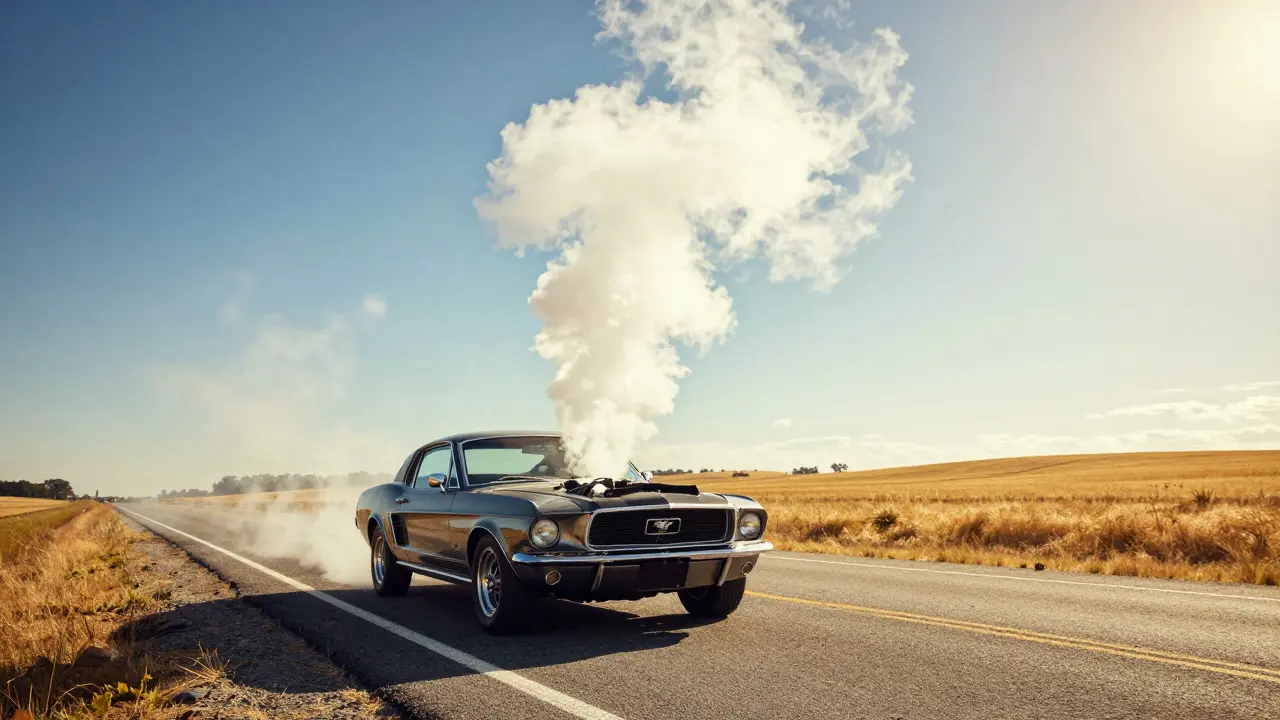
Quick Tips for Keeping Classic Engines Cool
- Switch to a high-flow aluminum radiator for better heat dissipation.
- Replace old mechanical fans with thermostatically controlled electric fans.
- Use a water wetter or specialized coolant to increase heat transfer.
- Check for internal radiator clogs using a flow test.
- Ensure your fan shroud is airtight to pull air through the core, not around it.
The Heart of the System: Choosing the Right Radiator
Most classic cars came from the factory with copper and brass radiators. While they look period-correct, they are prone to corrosion and simply can't move heat as fast as modern alternatives. When you're looking at classic car cooling, the first big decision is between staying stock or upgrading to aluminum.
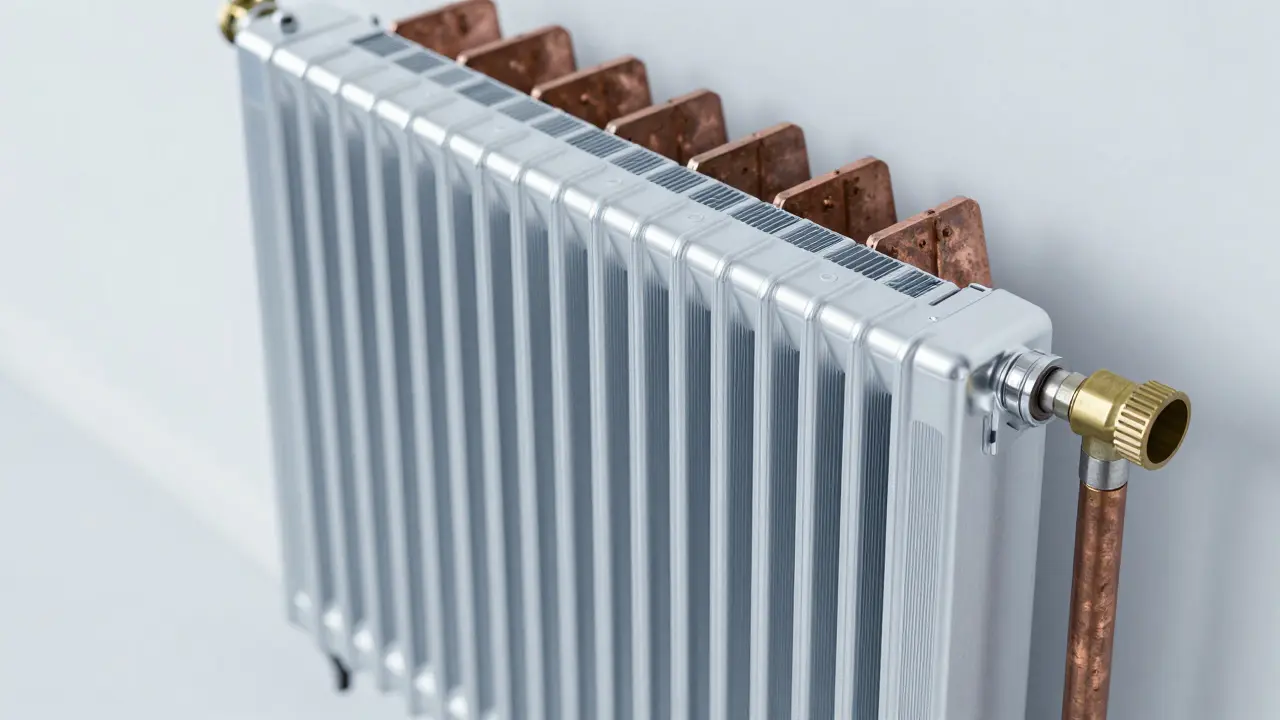
Aluminum Radiators are heat exchangers made from lightweight alloy that offer significantly higher thermal conductivity than copper. Because aluminum transfers heat faster, you can often get away with a smaller physical size while achieving better cooling. If you've added a high-performance camshaft or a bigger carburetor, a stock radiator just won't keep up.
However, not all aluminum radiators are created equal. You'll see "full flow" options that remove the internal baffles. This allows the coolant to move faster, but if the radiator is too thin, the liquid might pass through too quickly to actually release its heat. For a street-driven car, a dual-core aluminum radiator is usually the sweet spot. It provides the surface area needed for idling in traffic without requiring a massive, unsightly front end.
| Feature | Copper/Brass | Aluminum |
|---|---|---|
| Heat Dissipation | Moderate | High |
| Weight | Heavy | Light |
| Corrosion Resistance | Pitting common | High (if coated) |
| Repairability | Easy to solder | Requires specialized welding |
Mechanical Fans vs. Electric Conversions
The original setup in most classic cars is a mechanical fan bolted to a water pump. This fan is driven by the engine's crankshaft. The problem? It's inefficient. When you're stopped at a red light, a mechanical fan often just stirs the hot air around without actually pushing it through the radiator.
Electric Cooling Fans are DC-powered fans that can be triggered by a temperature switch to provide maximum airflow regardless of engine RPM. By switching to an electric setup, you remove the parasitic drag on the engine, which can actually give you a small bump in horsepower and slightly better fuel economy.
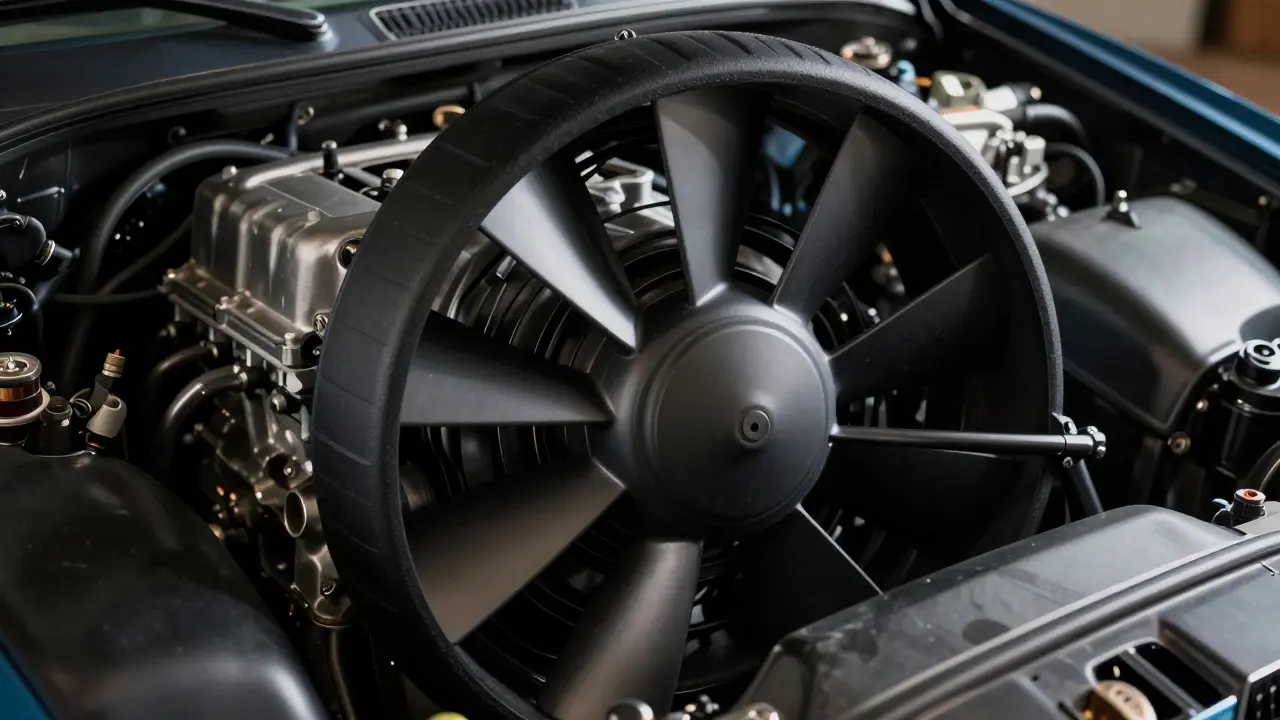
The secret to a successful electric fan conversion isn't the fan itself-it's the shroud. A fan without a shroud is almost useless because it pulls air from the easiest path (the sides of the radiator) rather than through the fins. You want a tight-fitting shroud that forces every cubic inch of air through the core. If you're installing a pusher fan (mounted behind the radiator), make sure it's rated for the correct CFM (Cubic Feet per Minute) to avoid starving the engine of air.
Dealing with the Dreaded Overheating
If your temperature needle is creeping up, don't just assume the radiator is bad. Overheating is often a symptom of a failure in the entire cooling loop. One of the most common culprits is a failing Thermostat, which is a valve that opens and closes to regulate the flow of coolant based on engine temperature. If a thermostat sticks closed, the coolant stays trapped in the engine block, and your car will overheat in minutes, even with a brand-new radiator.
Then there's the issue of "air pockets." If you've recently refilled your coolant and the car starts overheating, you likely have a bubble trapped in the cylinder head. This is why "burping" the system is critical. Park the car on an incline so the radiator neck is the highest point, leave the cap off, and let the engine reach operating temperature. As the air escapes, you'll see bubbles pop in the coolant; keep topping it off until it stops.
Don't overlook the Water Pump. Over time, the internal impellers can erode, especially if you've used the wrong type of coolant. A pump that looks fine on the outside might be spinning a worn-down blade on the inside, meaning it's not moving enough volume to keep the engine cool during a climb.
Coolant Chemistry and Additives
Many owners make the mistake of using only water. While water is actually a better heat conductor than glycol, it boils at a lower temperature and causes rust. On the other hand, too much Ethylene Glycol (standard antifreeze) can actually reduce the efficiency of heat transfer if the mixture is too thick.
For classic cars, a 50/50 mix is the standard, but if you live in a hot climate, consider a "water wetter" additive. These are surfactants that break the surface tension of the water, allowing the coolant to make better contact with the metal surfaces of the engine and radiator. This can drop your operating temperature by 5 to 10 degrees-which is often the difference between a safe cruise and a roadside breakdown.
The Role of Airflow and Vacuum
Cooling isn't just about the liquid; it's about the air. Many old cars suffer from "dead air" zones. This happens when the radiator isn't sitting flush against the grill or when the fan is too far away from the core. If air can leak around the sides of the radiator, it will take the path of least resistance and bypass the cooling fins entirely.
Check your belts. A loose fan belt on a mechanical system will slip precisely when you need it most-during a high-load, low-speed climb. If you're keeping the mechanical setup, consider a clutch fan. A Fan Clutch allows the fan to slip at high speeds (reducing noise and drag) and lock up at low speeds to maximize airflow.
Can I use modern green coolant in my old car?
It depends. Modern OAT (Organic Acid Technology) coolants can sometimes react poorly with old solder and gaskets found in vintage radiators. It is generally safer to use a traditional phosphate-based coolant or a specific classic car formula that prevents corrosion in copper and brass cores.
Why is my car overheating only when idling?
This is almost always an airflow problem. At highway speeds, the wind pushes air through the radiator. At a stop, you rely entirely on the fan. If your fan is worn, missing a shroud, or the radiator fins are clogged with debris, the engine will overheat until you start moving again.
Do I need to flush my radiator every year?
Not necessarily, but you should check the pH level of your coolant. Once coolant becomes acidic, it starts eating the metal from the inside out. A full flush and refill every 2-3 years is a good rule of thumb for vintage vehicles to prevent sludge buildup.
Will an electric fan conversion make my car less authentic?
If you are aiming for a 100% Concours restoration, yes. However, for a "driver's car," the reliability gains far outweigh the loss of authenticity. Many owners hide the electric fan behind a stock-looking grill to maintain the classic look while gaining modern reliability.
What is the best temperature for a classic engine to run at?
Most vintage V8s are happy between 180°F and 200°F. If you run the engine too cool (below 170°F), you may experience poor fuel vaporization and increased carbon buildup. If it stays above 215°F for long periods, you risk blowing a head gasket.
Next Steps for Your Cooling Project
If you're starting this project today, start with a pressure test. Rent a cooling system pressure tester from an auto parts store to see if you have any slow leaks in the hoses or the radiator seams. If the system holds pressure, move to a visual inspection of the radiator fins-use a garden hose (not a high-pressure washer, which can bend the fins) to clear out bugs and dirt.
For those with high-performance builds, consider a remote radiator mount or an oversized core. If you're sticking with a daily-driver setup, simply upgrading to a high-quality 180-degree thermostat and a fresh batch of coolant with a surfactant can solve 70% of overheating issues without spending thousands of dollars.
Comments
ANAND BHUSHAN
aluminum is definitely the way to go for these old cars.
April 5, 2026 at 08:35
Aditya Singh Bisht
This is exactly what I needed to read before starting my restoration!
The tip about the fan shroud is a total game changer and I bet so many people overlook it. Just imagine the feeling of finally cruising without worrying about the temp gauge climbing. Let's get these classics back on the road and running cool! Keep the great tips coming!
April 6, 2026 at 00:04
Aryan Jain
Sure, they say it is just a radiator but it is a bigger plot.
The big companies want us to buy these fancy aluminum parts so we keep spending money on 'upgrades' that they control. Why is the 'standard' changing now? It is all about making the old stuff obsolete so we just buy new cars. Wake up people!
April 6, 2026 at 00:32
Ajit Kumar
While I appreciate the technical breakdown provided in this discourse, I find it lamentable that some enthusiasts are so willing to sacrifice the historical integrity of a vehicle for the sake of mere convenience. It is a moral failing to strip a machine of its original mechanical soul in favor of modern electronic components, as the preservation of automotive history should be held as a higher virtue than the ease of idling in traffic, and we must hold ourselves to a stricter standard of authenticity if we wish to honor the engineers of the past.
April 6, 2026 at 01:10
Jitendra Singh
I can see both sides here. Some love the original look and others just want to drive without stress. Maybe there is a middle ground where we can keep the look but fix the internals.
April 6, 2026 at 01:58
Nalini Venugopal
The section on coolant chemistry is spot on.
I've noticed a lot of forums suggest different mixtures, but sticking to the phosphate-based ones for old solder is the only way to avoid ruining the core over time. It is all about the long-term chemistry here.
April 6, 2026 at 09:21
Pramod Usdadiya
tried a silar setup last year and it helpd a lot. the water pump was actualy the problem in my case, it was just weard out inside like the post says. laely it runs much bettter.
April 6, 2026 at 12:35
Agni Saucedo Medel
So helpful! 🌟 I love how clear the comparison table is! 🚗💨 It makes it so much easier to decide what to get for the project! ✨
April 8, 2026 at 07:33
Indi s
I totally get that feeling of panic when the steam starts coming out.
It is the worst part of owning a vintage car and it just makes you want to pull over and give up for the day. I have been there and it really sucks when you just want a peaceful drive.
April 10, 2026 at 06:36