
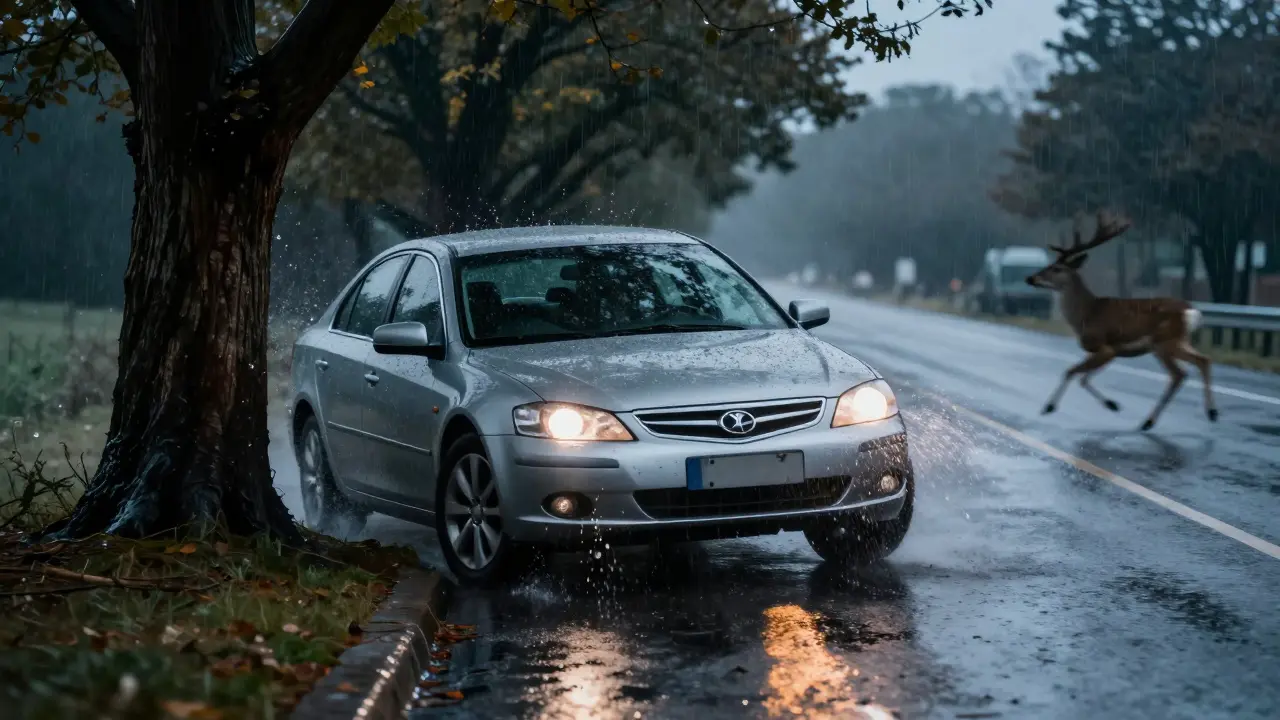
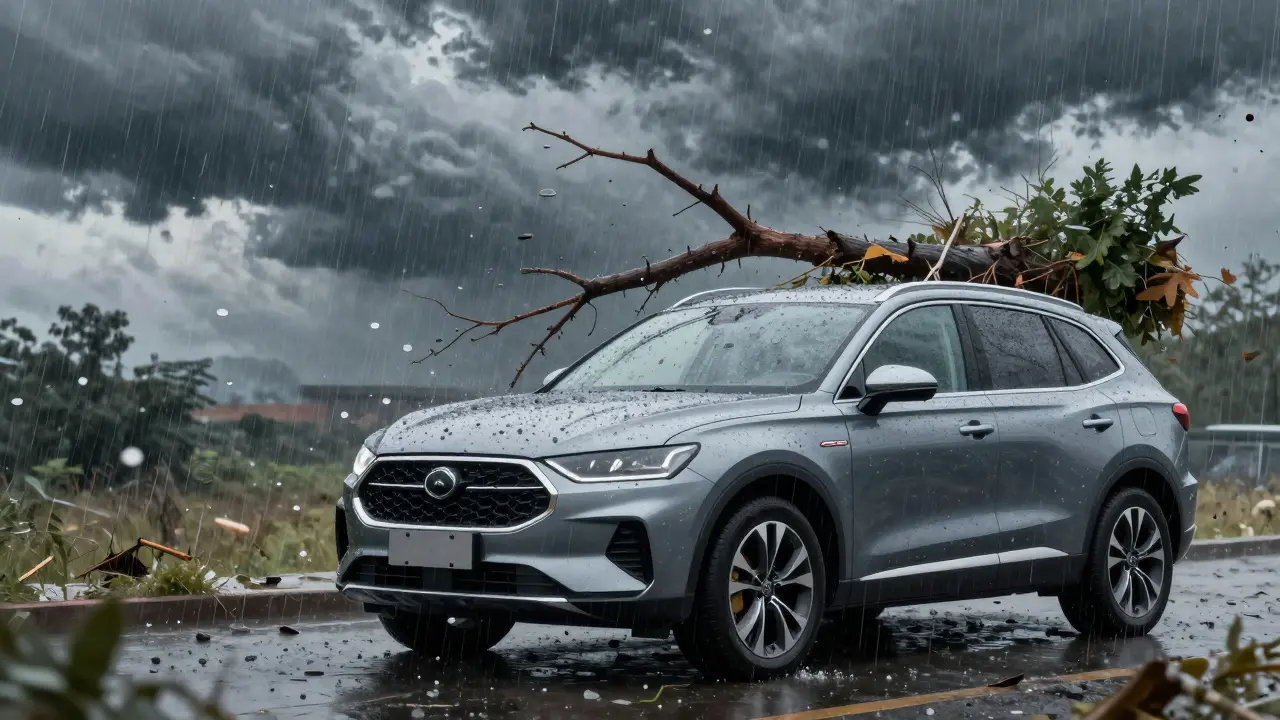
Imagine this: you’re driving home on a rainy Tuesday in Bristol. Suddenly, a deer darts across the road. You swerve to avoid it, but your car hits a tree. Or perhaps you park safely at home, only to wake up and find a fallen branch has crushed your windshield. In both cases, your car is damaged. But here’s the tricky part-your standard liability policy won’t pay for it. That’s where the confusion starts. Most drivers know they need insurance, but few understand the distinct roles of collision insurance and comprehensive auto insurance. Getting these two mixed up can leave you with a massive bill when you least expect it.
What Is Collision Insurance?
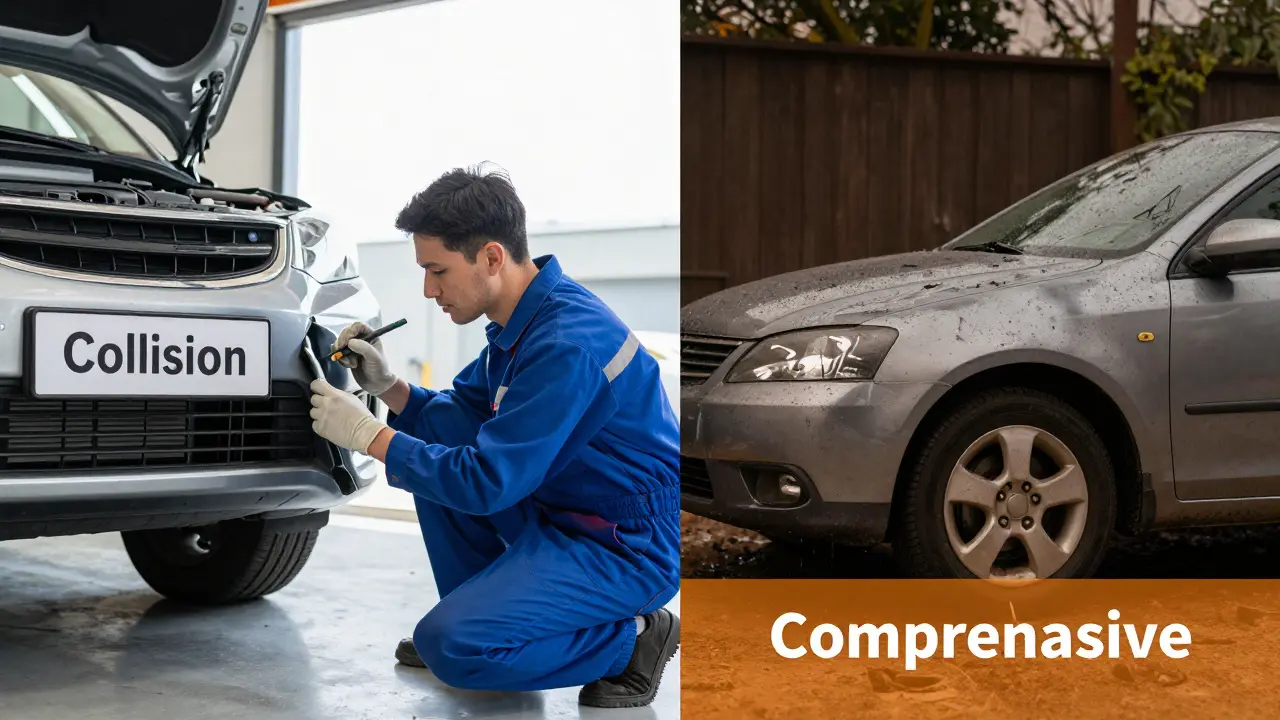
Collision insurance is a type of auto coverage that pays for damage to your vehicle resulting from a collision with another vehicle or object. Think of it as protection against impact. If you hit a car, a fence, a pole, or even flip your vehicle over during a loss of control, this is the coverage that steps in.
The key thing to remember is that collision insurance doesn’t care who is at fault. Even if you rear-ended someone because you were texting (please don’t text while driving), your collision coverage will help pay for repairs to your own car. Of course, your premiums might go up later, but the immediate repair costs are handled by this policy.
Here is how it works in practice:
- You crash into another driver’s bumper.
- You lose control on ice and slide into a guardrail.
- A shopping cart rolls into your parked car in a supermarket lot.
In all these scenarios, physical contact occurred. Collision insurance covers the cost to fix your car, minus your deductible. If your car is totaled-meaning the repair cost exceeds its actual cash value-the insurance company pays you the difference between the car’s value and your deductible.
What Is Comprehensive Auto Insurance?
Comprehensive auto insurance is coverage that pays for damage to your vehicle caused by events other than collisions. Despite the name, “comprehensive” doesn’t mean it covers everything. It specifically covers non-collision incidents. These are often referred to as “acts of God” or external forces beyond your control.
This coverage is essential for protecting your investment against unpredictable hazards. Here are common examples:
- Vandalism or theft.
- Natural disasters like hail, floods, or hurricanes.
- Falling objects, such as trees or debris from construction sites.
- Animal strikes, including hitting a deer or dog.
- Fires, whether from an electrical issue or arson.
If you park your car outside in a storm-prone area, comprehensive coverage is likely your best friend. If you live in an urban area with higher theft rates, this coverage becomes even more critical. Like collision, comprehensive claims are subject to a deductible. You pay the deductible, and the insurer covers the rest of the repair or replacement cost.
Key Differences Between Collision and Comprehensive
While both coverages protect your vehicle, they serve different purposes. Understanding the distinction helps you decide which one you truly need. Let’s break down the core differences.
| Feature | Collision Insurance | Comprehensive Insurance |
|---|---|---|
| Coverage Trigger | Impact with another object or vehicle | Non-collision events (theft, weather, animals) |
| At-Fault Requirement | Covers regardless of fault | No fault determination needed |
| Common Scenarios | Rear-end accidents, hitting poles | Hail damage, stolen cars, animal strikes |
| Deductible Applies | Yes | Yes |
| Typical Cost | Higher premium | Lower premium |
One major difference is cost. Collision insurance usually costs more than comprehensive because collisions are statistically more frequent than comprehensive claims. However, having both is what most lenders refer to as “full coverage.” Note that “full coverage” isn’t a legal term; it’s just industry shorthand for liability plus collision and comprehensive.
When Do You Need Both?
Do you really need both? The answer depends on your financial situation and your car’s value. If you drive a ten-year-old sedan worth £2,000, paying £500 a year for collision and comprehensive might not make sense. A single claim could wipe out the savings. In this case, relying on basic liability insurance might be smarter.
However, consider these scenarios where both are crucial:
- You have a loan or lease: Lenders require both coverages to protect their asset. If your car is totaled, they need to ensure they get paid off.
- Your car is newer or valuable: Replacing a modern vehicle with advanced safety tech and infotainment systems is expensive. Both coverages protect your significant investment.
- You live in high-risk areas: If you’re in a region prone to flooding, hail, or high theft rates, comprehensive is vital. If traffic is dense, collision is equally important.
Ask yourself: Can I afford to replace my car out of pocket if it’s destroyed? If the answer is no, then carrying both collision and comprehensive is a wise financial move.
How Deductibles Affect Your Claims
A deductible is the amount you pay out-of-pocket before insurance kicks in. You can choose different deductibles for collision and comprehensive. For example, you might select a £500 deductible for collision and a £1,000 deductible for comprehensive.
Why choose different amounts? Higher deductibles lower your monthly premiums. If you rarely file comprehensive claims, raising that deductible saves money. Conversely, if you drive in heavy traffic, keeping a lower collision deductible means less stress if you get into a minor fender bender.
Let’s say you hit a deer (comprehensive) and the repair costs £3,000. With a £1,000 deductible, you pay £1,000, and the insurer pays £2,000. If the repair was only £800, you wouldn’t file a claim because the cost is less than your deductible. This is why understanding your deductible thresholds is key to managing your insurance strategy.
Common Misconceptions About Car Insurance
Many drivers believe myths about what their policies cover. Clearing these up can prevent unpleasant surprises.
Myth 1: Liability covers my car. Liability insurance pays for damage you cause to others. It does not touch your own vehicle. If you crash into someone else, liability fixes their car, not yours. You need collision for your own repairs.
Myth 2: Comprehensive covers everything. As mentioned, comprehensive excludes collisions. It also typically excludes wear and tear, mechanical failures, and tire blowouts unless caused by a covered event. Routine maintenance is never covered by any auto insurance policy.
Myth 3: Older cars don’t need insurance. While you might drop collision and comprehensive on a very old car, you still need liability insurance by law. Plus, if that old car is your only mode of transport, losing it to theft or fire could be devastating. Evaluate the risk based on your ability to replace the vehicle, not just its age.
Making the Right Choice for Your Budget
Choosing the right balance of collision and comprehensive comes down to math and risk tolerance. Start by calculating your car’s actual cash value. Then, add up your annual premiums for both coverages. If the total premium exceeds 10% of your car’s value, it might be time to reconsider.
For instance, if your car is worth £5,000 and your combined collision and comprehensive premiums are £600 a year, you’re spending 12% of the car’s value on insurance. In this case, dropping one or both coverages and self-insuring (saving that money in a separate account) might be wiser.
However, if your car is worth £20,000 and premiums are £800, that’s only 4%. Here, the protection is well worth the cost. Always review your policy annually, especially after life changes like moving to a new neighborhood or buying a different car.
Does collision insurance cover hitting a deer?
No, hitting a deer is considered a comprehensive claim, not a collision claim. Since the deer is an animal and not a stationary object or another vehicle, it falls under non-collision events.
Which is cheaper: collision or comprehensive?
Comprehensive insurance is generally cheaper than collision insurance. Collisions are more frequent, leading to higher claim payouts and thus higher premiums for collision coverage.
Do I need both if I own my car outright?
It’s optional but recommended if you can’t afford to replace your car out of pocket. Lenders require both, but private owners should weigh the cost of premiums against the risk of total loss.
What happens if I only have liability insurance?
You are protected against damages you cause to others, but you pay for all repairs to your own vehicle. If you crash or your car is stolen, you bear the full financial burden.
Can I change my deductible after filing a claim?
Yes, you can adjust your deductible at any time, but the change applies to future claims. It does not affect the current open claim, which uses the deductible in place at the time of the incident.