
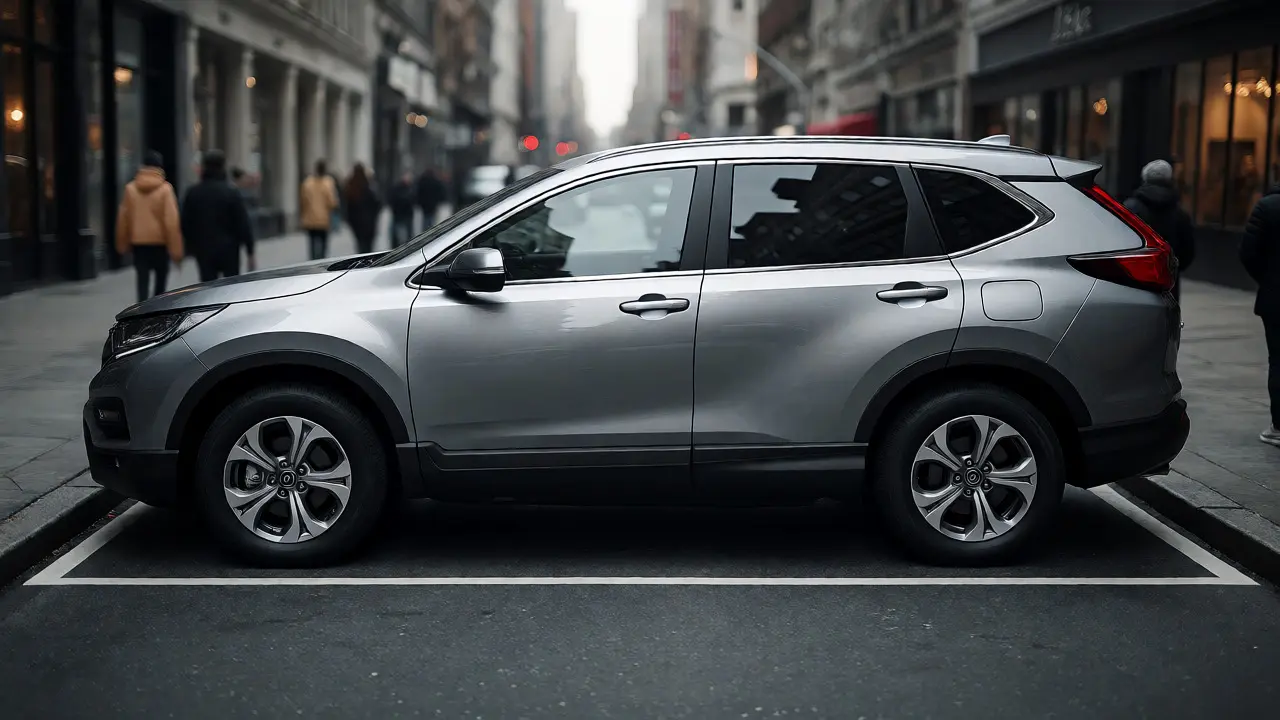
You’re standing in a parking lot, staring at two cars. One is a massive mid-size SUV that looks like it could swallow your house whole. The other is a Compact SUV, which feels just right-big enough for groceries, small enough to park without sweating. If you’ve ever felt torn between wanting space and hating the hassle of driving a tank, you’re not alone. Compact SUVs have exploded in popularity because they hit a specific sweet spot: they offer more utility than a hatchback but skip the bulk and gas-guzzling reputation of larger vehicles.
This isn’t just about trends; it’s about physics and economics. In an era where urban spaces are shrinking and fuel prices fluctuate wildly, the compact segment has become the default choice for millions of drivers worldwide. But what actually defines this category? Is it just marketing fluff, or are there real engineering reasons why these cars dominate sales charts from Bristol to Boston? Let’s break down the size, efficiency, and practical benefits that make compact SUVs the smartest buy for most people.
Defining the Modern Compact SUV
First, let’s clear up the confusion. A Compact SUV is a sport utility vehicle built on a unibody platform (like a car) rather than a body-on-frame chassis (like a truck). This distinction matters because it dictates how the vehicle drives, handles, and consumes fuel. Unlike their rugged off-road cousins, compact SUVs prioritize comfort and city maneuverability over rock-crawling capability.
The term "compact" refers primarily to the wheelbase and overall footprint. While definitions vary by region, in the US, the EPA classifies these vehicles based on interior volume. However, for the average buyer, the rule of thumb is simpler: if it seats five adults comfortably, has a cargo area larger than a sedan’s trunk, and fits easily into standard parallel parking spots, it’s likely a compact SUV. Popular examples include the Honda CR-V, Toyota RAV4, Mazda CX-5, and Nissan Rogue. These aren't tiny cars-they're substantial-but they avoid the excess weight and drag associated with three-row behemoths.
| Attribute | Hatchback/Sedan | Compact SUV | Mid-Size SUV |
|---|---|---|---|
| Average Length | 170-180 inches | 180-190 inches | 190-200+ inches |
| Fuel Economy (Combined MPG) | 30-40 MPG | 25-35 MPG | 20-28 MPG |
| Cargo Capacity | 15-20 cu ft | 30-40 cu ft | 40-60+ cu ft |
| Driving Position | Low | Elevated | High |
| Parking Ease | Excellent | Good | Challenging |
The Size Advantage: Maneuverability Without Compromise
Why does size matter so much? Because cities weren’t designed for trucks. Try navigating a tight roundabout in a Ford Explorer versus a Kia Sportage. The difference is night and day. Compact SUVs maintain a turning radius that allows for easy U-turns on narrow streets, a critical feature for UK drivers dealing with historic road layouts. The shorter rear overhang means you’re less likely to clip a curb when pulling out of a tight spot.
Yet, unlike subcompacts (which often feel cramped), compacts provide genuine breathing room. You get headroom that makes tall passengers comfortable and shoulder room that prevents elbow collisions during long drives. This balance is intentional. Engineers design these vehicles to maximize interior volume while minimizing exterior dimensions. It’s a packaging puzzle solved through clever use of materials and seating configurations. For families, this means you can fit child seats in the back without sacrificing front-seat legroom-a common complaint in smaller crossover models.
Fuel Efficiency: Real-World Savings
Let’s talk money. Fuel efficiency is often cited as a reason to buy a compact SUV, but many buyers misunderstand the math. Yes, a compact SUV generally gets better mileage than a large SUV. But compared to a hybrid sedan? Not always. However, the gap has narrowed significantly thanks to technological advancements.
Modern compact SUVs utilize turbocharged four-cylinder engines that deliver power only when needed, paired with continuously variable transmissions (CVTs) or efficient eight-speed automatics. Take the Toyota RAV4 Hybrid: it achieves upwards of 40 mpg in combined driving cycles. That’s comparable to many non-hybrid sedans from a decade ago. Meanwhile, pure electric compact SUVs like the Tesla Model Y or Hyundai Kona Electric eliminate fuel costs entirely, though range anxiety remains a factor for rural drivers.
The key takeaway? Don’t expect Prius-like economy from every compact SUV, especially those with all-wheel drive (AWD). AWD adds weight and mechanical friction, typically costing you 2-3 mpg. If you live in a mild climate like parts of Southern England, sticking to Front-Wheel Drive (FWD) models will save you hundreds of pounds annually at the pump.
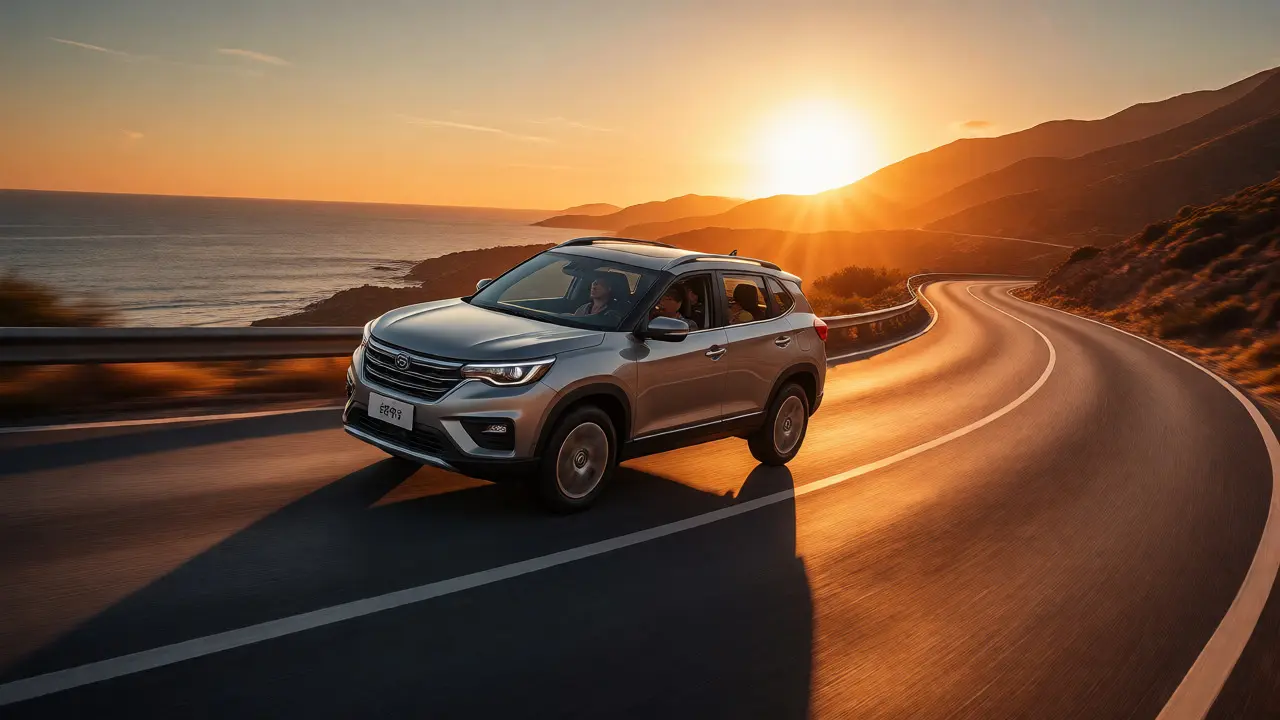
Practicality: Cargo and Versatility
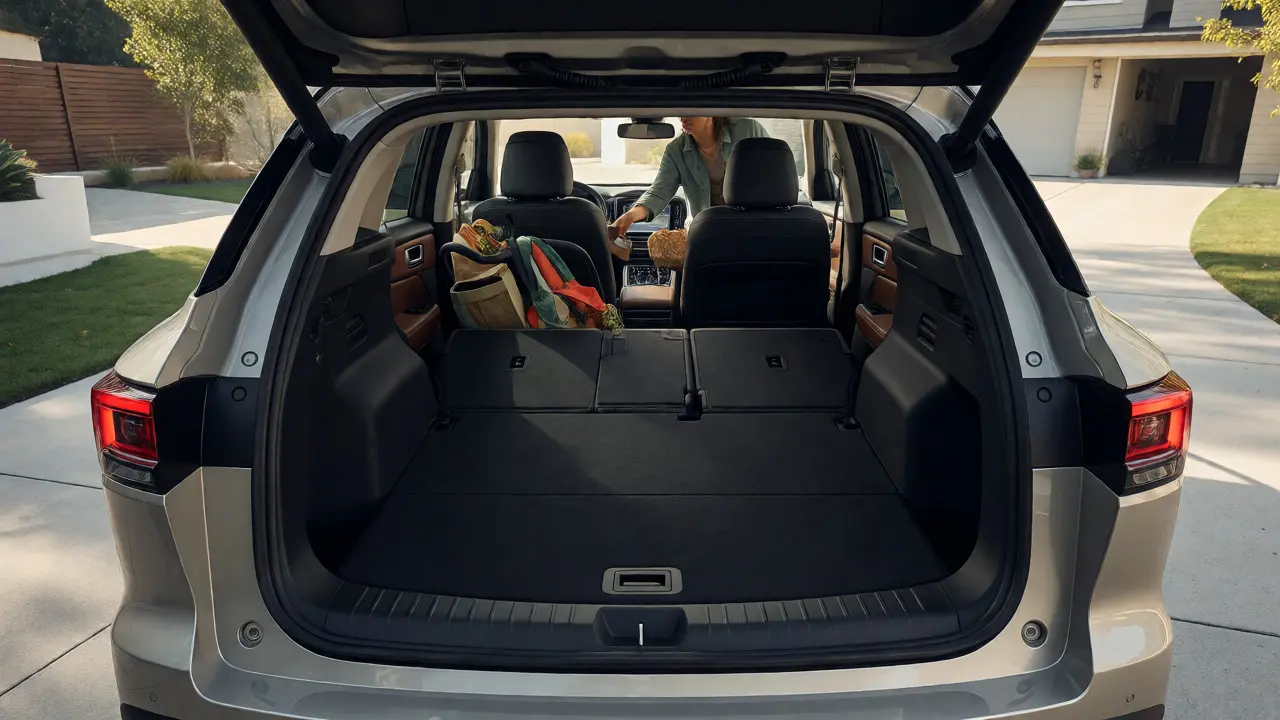
Utility is the primary selling point. When you open the tailgate of a compact SUV, you’re greeted by a wide, square cargo opening. This shape is crucial. It allows you to load bulky items like strollers, dog crates, or flat-pack furniture that simply won’t fit through a sedan’s narrow trunk lid. With the rear seats folded down, most compact SUVs offer between 30 and 40 cubic feet of space. That’s enough for a week’s worth of grocery shopping for a family of four, or camping gear for two.
Beyond raw volume, consider the flexibility. Many models feature split-folding rear seats (often 60/40 splits), allowing you to carry long items like skis or lumber while still seating three passengers. Some premium options even offer adjustable floor boards, creating hidden storage compartments underneath. This versatility transforms the vehicle from a commuter car into a mobile storage unit, reducing the need for a second vehicle solely for hauling duties.
Safety and Visibility: The Elevated Perspective
There’s a psychological comfort to sitting higher up. Drivers report feeling safer in SUVs because they have a better vantage point of traffic ahead. Statistically, modern compact SUVs perform exceptionally well in crash tests. They benefit from advanced driver-assistance systems (ADAS) that were once reserved for luxury brands. Features like automatic emergency braking, lane-keeping assist, and blind-spot monitoring are now standard on base models of popular compacts.
However, visibility isn’t just about height. The upright windshield and large side windows reduce blind spots compared to sleek, coupe-like designs. For parents, this means easier checking of children in the back seat via mirrors. For older drivers, the higher seating position makes entering and exiting the vehicle easier on the knees and hips, a significant ergonomic advantage over low-slung sports cars or sedans.
Cost of Ownership: Purchase Price vs. Long-Term Value
Buying a compact SUV usually costs more upfront than a comparable sedan. You’re paying for the added complexity of the suspension, the larger tires, and the brand premium attached to the SUV badge. However, resale value often offsets this initial cost. SUVs hold their value remarkably well because demand remains high. A three-year-old Honda CR-V might retain 60-65% of its original price, whereas a sedan might drop to 50%. Over a five-year ownership period, the total cost of ownership (TCO) for a compact SUV can be surprisingly competitive with cheaper alternatives.
Maintenance costs are another factor. Tires for SUVs are larger and wear faster due to increased weight, potentially adding £100-£200 per year to upkeep. Brake pads may also last slightly shorter intervals. Yet, insurance premiums have stabilized; insurers no longer penalize SUV drivers as heavily as they did ten years ago, recognizing that modern SUVs handle similarly to cars in emergencies.
Who Should Buy a Compact SUV?
If you fall into one of these categories, a compact SUV is likely your best bet:
- Small Families: You need space for kids and gear but don’t want the hassle of a minivan or large SUV.
- Urban Commuters: You need ground clearance for potholes and speed bumps but require a manageable footprint for city parking.
- Active Individuals: You regularly transport bikes, kayaks, or dogs and need a versatile cargo area.
- First-Time Buyers: You want a safe, forgiving vehicle that offers confidence-inspiring visibility.
Conversely, skip the compact SUV if you prioritize maximum fuel efficiency above all else (go for a hybrid sedan), if you rarely carry passengers or cargo (a hatchback is cheaper and nimbler), or if you need serious off-road capability (look for body-on-frame trucks instead).
Final Thoughts on Making the Choice
The compact SUV isn’t perfect. It’s heavier than a car, thirstier than a motorcycle, and pricier than a budget hatchback. But perfection is rare in automotive choices. What it offers is balance. It solves multiple problems simultaneously: space, safety, status, and ease of use. As we move toward electrification, this segment is evolving rapidly, with plug-in hybrids and EVs becoming mainstream options within the next few years. If you’re looking for a do-it-all vehicle that doesn’t scream for attention but delivers quietly and efficiently, the compact SUV remains the king of the hill.
What is the main difference between a compact SUV and a crossover?
In modern usage, the terms are often used interchangeably. Technically, a crossover is a type of SUV built on a unibody car platform. Most "SUVs" sold today, including compact ones, are actually crossovers. Traditional SUVs use truck-based body-on-frame construction, which is heavier and less fuel-efficient.
Are compact SUVs good for long-distance highway driving?
Yes, modern compact SUVs are engineered for highway comfort. They feature sound insulation, stable suspensions, and adaptive cruise control. However, they may generate more wind noise than aerodynamic sedans at speeds over 70 mph. Choosing a model with a refined cabin, such as the Mazda CX-5 or Subaru Forester, ensures a quiet ride.
Do compact SUVs have poor fuel economy?
Not anymore. While they consume more fuel than small hatchbacks, advances in engine technology mean many compact SUVs achieve 30+ mpg. Hybrids like the Toyota RAV4 Hybrid exceed 40 mpg. Compared to mid-size or full-size SUVs, compacts are highly efficient.
Is all-wheel drive necessary for a compact SUV?
It depends on your location. If you live in areas with heavy snow, mud, or steep unpaved roads, AWD provides better traction and peace of mind. In dry climates or cities with well-maintained roads, Front-Wheel Drive (FWD) is sufficient, cheaper to buy, and more fuel-efficient.
How much cargo space does a typical compact SUV offer?
Most compact SUVs offer between 30 and 40 cubic feet of cargo space behind the rear seats. With the rear seats folded, this expands to 60-70 cubic feet. This is significantly more than a sedan (typically 12-16 cubic feet) but less than a mid-size SUV.