
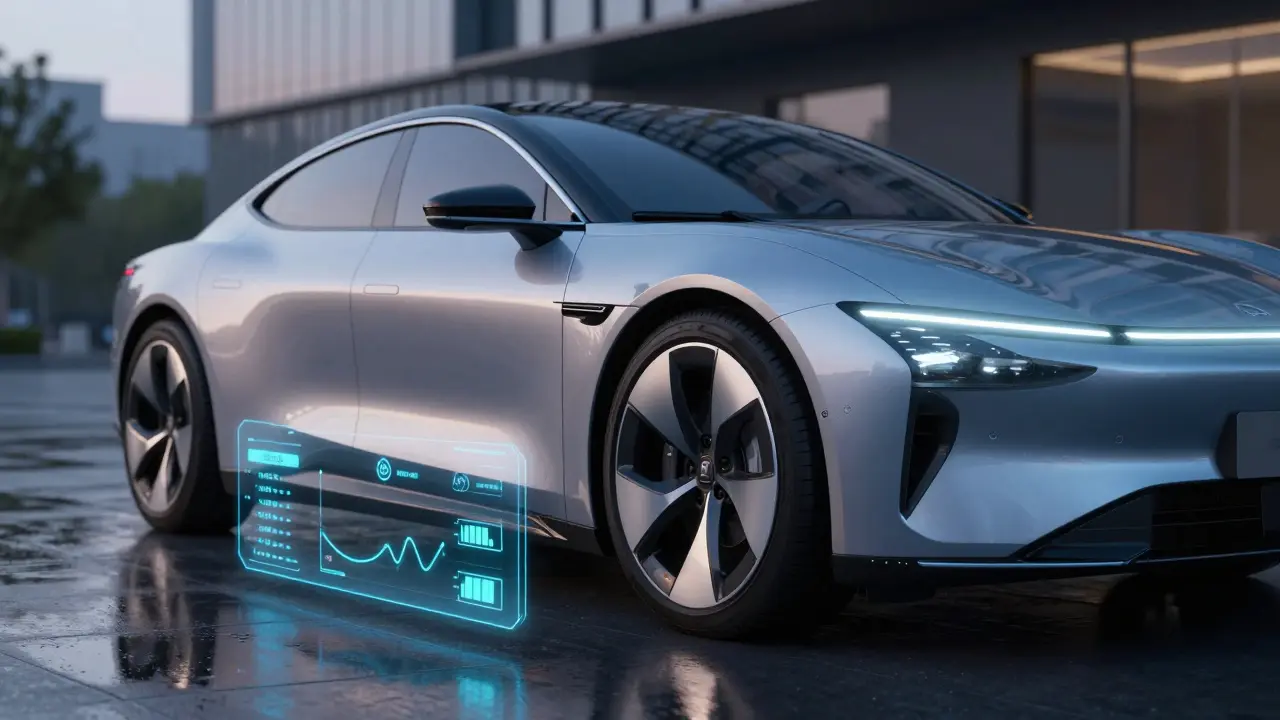
Walking into a dealership or scrolling through online listings in 2026 feels less like shopping for a machine and more like browsing high-end tech gadgets. Every new model promises smarter software, better range, and safer roads. But when every brochure claims to be the "best," how do you actually tell the difference between marketing fluff and genuine engineering improvements? The gap between what manufacturers advertise and what matters in your daily commute is wider than ever.
You don't need to be a mechanic to spot a good deal, but you do need a framework. Comparing cars isn't just about horsepower or trunk space anymore. It's about understanding how digital ecosystems, battery chemistry, and passive safety structures interact with your specific lifestyle. If you focus on the wrong specs, you'll end up paying for features you never use while missing out on reliability where it counts.
Decoding the Powertrain: Efficiency Over Raw Speed
The first thing most people look at is speed, but in 2026, the real conversation is about energy density and delivery. Whether you are looking at a hybrid vehicle that bridges the gap between gas and electric, or a fully electric battery-electric vehicle (BEV), the powertrain defines your running costs.
If you drive mostly in the city, torque matters more than top speed. Electric motors deliver instant torque from zero RPM, making them feel snappier in traffic than traditional internal combustion engines. However, you need to look closely at the battery capacity. A larger kilowatt-hour (kWh) rating doesn't always mean better range if the car is heavy or aerodynamically poor. Look for the official WLTP or EPA range estimates, but then deduct 15-20% for real-world winter driving. This buffer ensures you aren't stranded during cold snaps.
For those sticking with gasoline or diesel hybrids, check the thermal efficiency of the engine. Modern turbocharged four-cylinder engines often outperform older V6s in both power and fuel economy. Ask yourself: Do I charge at home? If not, a plug-in hybrid might sit in its electric mode rarely, turning it into a heavier, more expensive gas car. Be honest about your charging infrastructure before committing to an EV.
Safety Beyond the Crumple Zone
Safety used to mean thick steel and airbags. Today, it means sensors, cameras, and predictive algorithms. In 2026, advanced driver-assistance systems (ADAS) are no longer luxury add-ons; they are standard expectations. When comparing models, ignore the brand name of the safety suite and look at the underlying hardware.
| Feature | What It Does | Why It Matters |
|---|---|---|
| Automatic Emergency Braking (AEB) | Detects obstacles and applies brakes automatically | Reduces rear-end collision severity by up to 50% |
| Blind-Spot Monitoring | Warns of vehicles in unseen adjacent lanes | Critical for highway lane changes and merging |
| 360-Degree Camera | Provides a bird's-eye view of the car | Prevents curb damage and parking lot incidents |
| Driver Attention Monitor | Tracks eye movement and head position | Alerts you before fatigue causes accidents |
Pay special attention to how these systems behave in low light or bad weather. Some cheaper ADAS packages rely solely on cameras, which struggle in fog or rain. Higher-tier systems combine radar and LiDAR for redundancy. Test drive the car in the evening if possible. Does the lane-keeping assist jerk the wheel violently, or does it gently nudge you back? Smoothness indicates better calibration, which reduces driver fatigue over long trips.
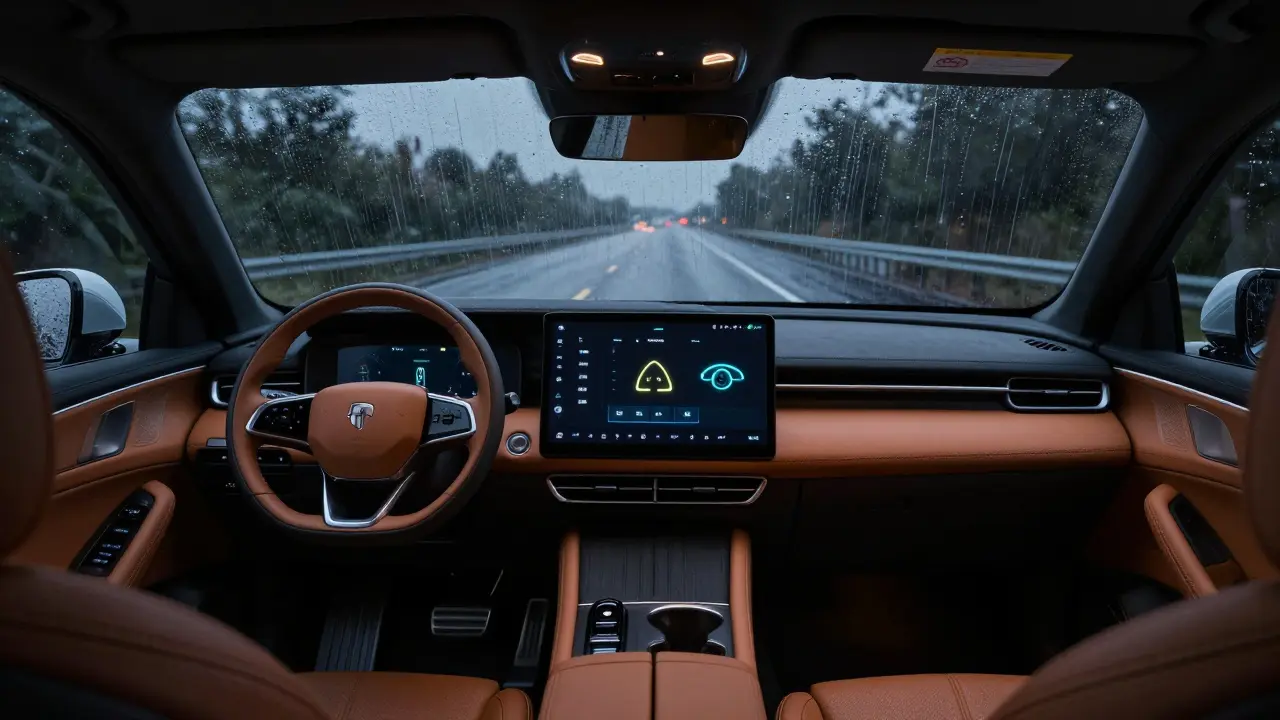
The Infotainment Ecosystem: Usability vs. Hype
We spend hours in our cars, so the interface needs to work as well as your smartphone. In 2026, the dashboard is essentially a tablet on wheels. The biggest mistake buyers make is judging an infotainment system by its screen size. A massive 14-inch display is useless if the menu hierarchy is buried under five taps.
Look for native support for Apple CarPlay and Android Auto. While some manufacturers push their own proprietary apps, third-party integration remains the most reliable way to get maps, music, and messages without distraction. Check if the connection is wireless. Wired connections clutter your cabin and degrade cables over time. Wireless projection saves space and keeps your phone charged via induction pads.
Also, consider the voice command capability. Can you say "navigate to my favorite coffee shop" or "call Mom" without touching the screen? Good voice recognition should understand natural language, not just rigid commands. Poor voice control forces you to take your eyes off the road, negating the safety benefits of hands-free operation. Sit in the driver’s seat and test the responsiveness. Laggy touchscreens are a sign of outdated processing power, which may mean the system won't receive major software updates in the future.
Interior Space and Material Quality
Spec sheets list dimensions in millimeters, but comfort is subjective. Legroom numbers can be misleading because they don't account for seat shape or floor humps. Always sit in the car with your preferred seating position. Then, have a passenger sit behind you. Is there enough knee room? Can they breathe comfortably?
Material quality affects longevity and resale value. Soft-touch plastics on the dashboard and door panels resist wear and feel premium. Hard plastics crack and fade under UV exposure. Check the stitching on the seats. Are the seams even? Do the buttons click with precision or feel mushy? These small details indicate the level of quality control in the manufacturing plant.
Storage solutions matter more than you think. Where do you put your sunglasses? Your wallet? Your water bottle? Many modern cars remove physical cup holders for sleek designs, forcing you to buy aftermarket accessories. Look for dedicated, accessible storage bins. A deep center console is invaluable for keeping essentials out of sight and organized.
Total Cost of Ownership: The Hidden Numbers
The sticker price is only the beginning. To truly compare cars, you must calculate the total cost of ownership (TCO) over five years. This includes insurance, maintenance, depreciation, and fuel or electricity costs.
- Insurance Rates: Sports cars and high-theft models cost significantly more to insure. Get quotes before you fall in love with a badge. Some insurers offer discounts for cars with advanced safety features.
- Maintenance Intervals: Electric vehicles have fewer moving parts, meaning no oil changes or transmission fluid flushes. However, tire wear can be faster due to higher torque and weight. Check the recommended tire replacement interval.
- Depreciation: Luxury brands often depreciate faster than mainstream ones. Research historical resale values. Cars with strong brand loyalty and proven reliability hold their value better.
- Warranty Coverage: A comprehensive warranty can save thousands. Look for coverage that includes the battery for EVs. Standard warranties typically last three years or 36,000 miles, but some competitors offer seven-year plans.
Don't forget tax incentives. In many regions, including the UK and US, there are grants or tax breaks for low-emission vehicles. These can offset the higher upfront cost of an EV or hybrid. Calculate the net price after incentives to get a true comparison.
Reliability and Long-Term Support
A beautiful car is frustrating if it spends half its life in the repair shop. Reliability data comes from sources like J.D. Power, Consumer Reports, and owner forums. Look for patterns. Is one model prone to electrical gremlins? Does another have issues with suspension components?
Software updates play a huge role in modern reliability. Cars that receive over-the-air (OTA) updates can fix bugs and improve performance without visiting a dealer. This extends the useful life of the vehicle. Ask the dealer about the update policy. Will the car receive security patches for five years? Ten? Indefinitely? Lack of long-term software support can leave your car vulnerable to cyber threats and incompatible with newer apps.
Finally, consider the dealer network. If you live in a rural area, having a nearby authorized service center is crucial. Waiting weeks for a specialist to fly in for a minor issue is a nightmare. Proximity to service centers impacts convenience and potential rental car costs during repairs.
Should I prioritize range or charging speed in an electric car?
If you have home charging, prioritize range because you can top up slowly overnight. Fast charging is mainly useful for road trips. However, if you cannot charge at home, a car with fast-charging capability (e.g., 150kW+) is more practical, as you will rely on public stations where saving time is critical.
Are advanced safety features worth the extra cost?
Yes. Advanced Driver-Assistance Systems (ADAS) like automatic emergency braking and blind-spot monitoring have been proven to reduce accident rates. They also often lower insurance premiums. In 2026, these features are becoming standard, so opting for a base model without them may limit resale value.
How important is wireless Apple CarPlay or Android Auto?
It is highly important for convenience. Wireless connectivity eliminates cable clutter and ensures your phone is always connected upon entering the car. It also allows your phone to charge wirelessly simultaneously. As phone interfaces become more integrated with car controls, wireless support is becoming a key differentiator in user experience.
What is the best way to test a car's interior comfort?
Take a test drive that mimics your daily routine. Drive on highways, city streets, and rough roads. Adjust the seats to your preferred position and check visibility. Have a passenger sit in the back to assess legroom and headroom. Pay attention to noise levels at speed and whether wind noise intrudes into the cabin.
Do electric vehicles really save money on maintenance?
Generally, yes. EVs lack complex mechanical components like transmissions, exhaust systems, and fuel injectors. They require fewer routine services such as oil changes. However, brake pads may last longer due to regenerative braking, but tires may wear faster due to the vehicle's weight and instant torque. Overall, maintenance costs are typically 30-40% lower than comparable gasoline cars.
Comments
Caitlin Donehue
That bit about deducting 15-20% for winter range is the only honest thing I've read all year. My neighbor bought a 'long-range' EV and spent three weeks in January trying to explain to his wife why they couldn't drive to the coast without stopping four times.
June 26, 2026 at 11:37
Saranya M.L.
The article is technically adequate but lacks the rigorous engineering scrutiny one expects from a professional analysis. In India, we do not rely on marketing fluff; we analyze the thermal management systems of the battery pack and the torque vectoring capabilities of the differential. If you are looking at BEVs, ensure the silicon carbide inverters are present, as this significantly reduces energy loss during high-load conditions. Your average commuter does not understand that WLTP ratings are largely irrelevant if the aerodynamic drag coefficient is above 0.25. It is imperative to look at the actual kWh per 100km under varying ambient temperatures, especially in tropical climates where cabin cooling consumes substantial power. Do not be fooled by screen size; focus on the latency of the ADAS radar fusion algorithms.
June 27, 2026 at 18:13
om gman
lol another generic listicle pretending to know what matters... nobody cares about your 'framework' when the dealership is just upselling you on window tinting anyway. i drove a car with lidar last week and it felt like being watched by a paranoid robot. also who has time to test drive in the evening? we have jobs. save your breath for something that actually affects the price tag
June 29, 2026 at 08:26
Jeanne Abrahams
In South Africa, we don't worry much about LiDAR because our biggest safety feature is learning to dodge potholes the size of small cars. The 360-degree camera is essential, not for parking, but to see if you've just driven over a landmine or a stray goat. Also, wireless CarPlay is useless if the network drops every time you pass a cell tower in the bush. Keep it simple, sturdy, and repairable by a guy named Dave with a wrench.
June 30, 2026 at 21:04
Andrea Alonzo
I really appreciate how this post breaks down the emotional side of buying a car, which is often overlooked in favor of cold hard numbers. When we talk about interior space, it's not just about millimeters; it's about the feeling of sanctuary you get when you close the door and the world falls away. For families, the ability to comfortably fit a child seat without cramping the driver is paramount, and that requires empathy in design, not just engineering prowess. We must consider the long-term impact of material choices on the environment and the people who manufacture them. A car should be a partner in your journey, reflecting your values and care for those around you. It is heartening to see discussions moving towards total cost of ownership, as financial stress is a major burden for many households. Let us support each other in making informed decisions that prioritize well-being over status symbols. The transition to electric vehicles is not just technological but deeply social, requiring us to adapt our infrastructure and mindsets collectively. I hope readers take the time to sit in these cars and feel if they resonate with their personal narrative. Every detail, from the stitching to the software update policy, tells a story about the manufacturer's commitment to their customers. We deserve transparency and honesty in an industry that has historically been opaque. Thank you for sharing this comprehensive guide that helps us navigate this complex landscape with confidence and compassion.
July 2, 2026 at 02:14
Oskar Falkenberg
hey guys i totally agree with the point about maintenance costs being lower for evs but i think people forget about tire wear which can be quite expensive if you dont buy the right ones. i had a friend who put cheap tires on his tesla and they lasted like six months which was pretty annoying. also the insurance part is super important because some companies charge way more for electric cars even though they are safer so you really need to shop around before you commit. i found that getting quotes online helped me save a lot of money in the end. its also worth checking if your local area has good charging infrastructure because if you live in a rural place it might be a pain to find a charger when you need one. overall though i think the convenience of not going to the gas station is worth the extra upfront cost for most people. just make sure you read the fine print on the warranty especially for the battery because that can be a huge expense if it goes bad.
July 3, 2026 at 04:18
Robert Barakat
The machine reflects the maker. A car is no longer merely transport; it is a mobile assertion of one's relationship with time and space. To ignore the software lifecycle is to invite obsolescence into one's daily existence.
July 4, 2026 at 16:25
Bineesh Mathew
We are but passengers in metal shells hurtling through the void, yet we obsess over cup holders and screen lag. The true moral failing is not the lack of wireless CarPlay but the collective amnesia regarding the finite nature of our resources. Buy the car that harms the least, or better yet, walk and let your legs remember the earth beneath them. The soul does not need fast charging.
July 5, 2026 at 22:00