
You bought the bike for the freedom, not the garage time. But here’s the cold truth: motorcycle maintenance is the only thing standing between you and a stranded ride on the shoulder of a highway at midnight. It’s not about being a mechanic; it’s about knowing exactly what to check and when so your machine stays reliable. Whether you’re riding a vintage Triumph or a modern Japanese sportbike, the principles are surprisingly similar. Ignore them, and you’ll pay double in repairs later. Follow them, and your bike will outlast your interest in keeping it.
The Pre-Ride Check: Your Daily Lifeline
Before you even turn the key, spend two minutes walking around your bike. This isn’t busywork; it’s the most critical part of your routine. The T-CLOCS system (Tires, Controls, Lights, Oil, Chassis, Stands) was developed by the Motorcycle Safety Foundation, and it works because it covers the basics that fail most often.
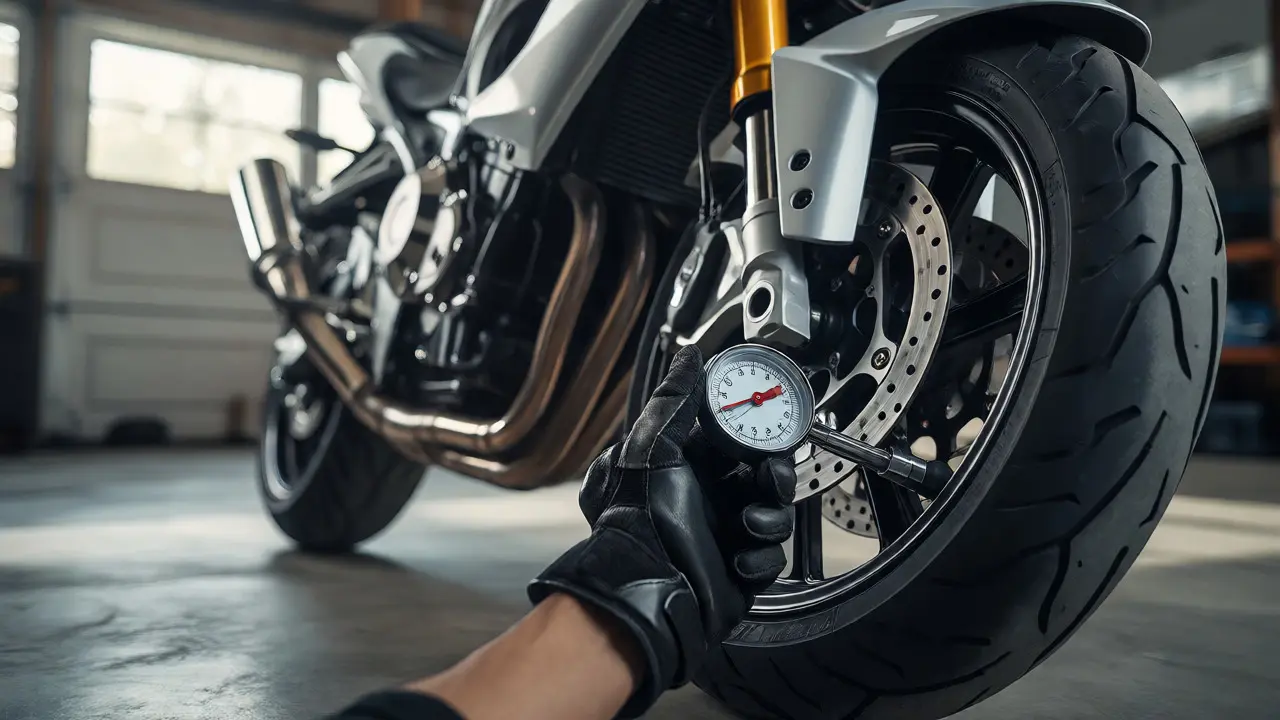
- Tires: Look for uneven wear, cracks, or embedded nails. Check pressure with a gauge, not just by kicking it. Cold pressure matters most.
- Controls: Squeeze the clutch and brake levers. Do they feel spongy? That’s air in the lines. Check throttle snap-back.
- Lights: Headlight high/low, tail light, brake light, and both blinkers. A burnt-out bulb is a ticket waiting to happen.
- Oil & Fluids: Peek at the sight glass or dipstick. Low oil kills engines faster than anything else. Check coolant levels if liquid-cooled.
- Chassis: Look for loose bolts, especially near the handlebars and footpegs. Check for fresh fluid leaks underneath.
- Stands: Make sure the side stand retracts fully and doesn’t drag.
If something feels off during this walk-around, don’t ride it. Fix it first. Your safety depends on this ritual.
Every 500-1,000 Miles: The Chain and Tire Deep Dive
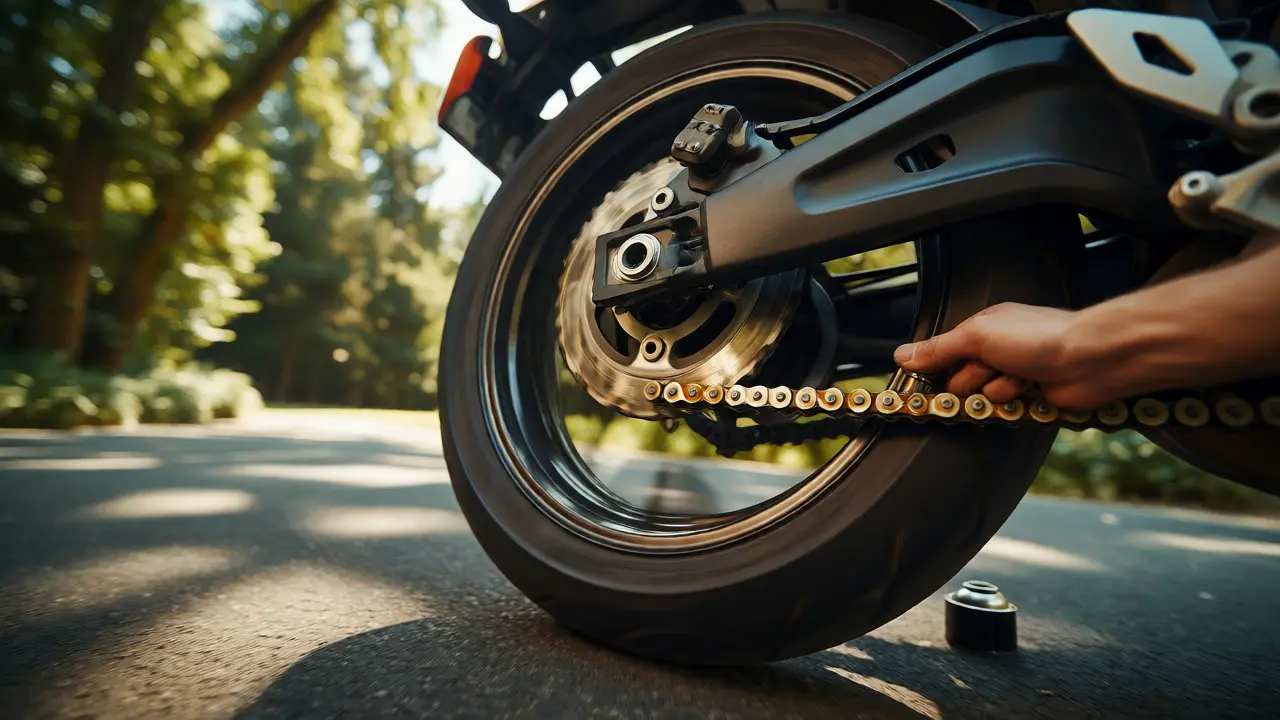
While the pre-ride check is visual, these tasks require hands-on work. Most manufacturers recommend checking your drive chain every 500 miles, but if you ride in rain or dirt, do it more often. A dry, tight chain snaps without warning. Lubrication isn’t optional; it’s survival.
Use a proper chain cleaner and lube, not WD-40 as a permanent fix. WD-40 displaces water but evaporates quickly, leaving metal-on-metal contact. Apply lube to the inside of the chain links while rotating the rear wheel. Wipe off excess to prevent flinging grease onto your rims.
Tire tread depth also needs measurement here. Insert a penny into the tread grooves. If you see the top of Lincoln’s head, replace the tire. Riding on bald tires reduces grip exponentially, especially in wet conditions. Also, inspect the sidewalls for cuts. A small cut can expand under heat and speed, leading to a blowout.
Every 3,000-6,000 Miles: The Oil Change Rhythm
This is where opinions clash. Old-school mechanics say change oil every 3,000 miles. Modern synthetic oils allow 5,000 to 6,000 miles for many bikes. However, your owner’s manual is the law. Why? Because motorcycle engines often share oil with the transmission. Clutch plates bathe in that same oil, which degrades its friction properties faster than in cars.
When changing oil, always replace the filter. It’s cheap insurance. While you’re there, check the drain plug washer. Reusing a crushed copper or aluminum washer causes leaks. Buy new washers in bulk-they cost pennies.
Pro tip: Run the engine for five minutes before draining. Warm oil flows better and carries away more contaminants. Just be careful not to burn yourself. Use an oil catch pan and a funnel. Cleanliness matters; dropping grit into your engine defeats the purpose of the change.
Every 6,000-12,000 Miles: Air Filter and Brake Service
Air filters get dirty slower than you think, but when they clog, performance drops noticeably. You might notice sluggish acceleration or poor fuel economy. Paper filters are usually replaced, while foam filters can be cleaned and re-oiled. Check your specific model. Riding in dusty areas halves the interval.
Brake pads wear differently depending on your style. Aggressive stoppers eat pads fast. Measure pad thickness through the caliper slots. If less than 2mm remains, replace them. Don’t wait until metal touches metal. That ruins rotors, turning a $50 job into a $200 one.
Brake fluid absorbs moisture over time. This lowers its boiling point. In heavy braking, old fluid can boil, causing a spongy lever and reduced stopping power. Most manufacturers suggest flushing brake fluid every two years, regardless of mileage. It’s a cheap procedure that keeps your brakes crisp.
Annually: Coolant, Spark Plugs, and Valve Checks
Coolant loses its anti-corrosion additives after about two years. Even if the level looks fine, flush it annually or biannually per your manual. Mix distilled water with the correct ratio of antifreeze. Never use tap water; minerals cause scale buildup in narrow radiator passages.
Spark plugs show the health of your combustion process. Remove them and look at the color. Light tan is good. Black soot means rich mixture or bad spark. White/blistered means lean or overheating. Replace plugs every 10,000-15,000 miles, or sooner if they look worn. Gap them correctly using a feeler gauge. Incorrect gaps cause hard starts and rough idling.
Valve clearance checks vary wildly. Some bikes need adjustment every 15,000 miles; others never. Skipping this leads to noisy engines and eventual valve damage. If you hear ticking from the cylinder head, consult a pro. This isn’t a DIY job for beginners unless you have torque wrenches and shims ready.
Seasonal Storage: Protecting Your Investment
If you live in a climate with winter, storing your bike incorrectly causes more damage than riding it all year. Fuel goes stale in 30 days. Add a stabilizer like Sta-Bil to fresh gas and run the engine for ten minutes to circulate it through the carburetor or injectors.
Battery care is critical. Connect a trickle charger or maintainer. Leaving a battery dead for months sulfates the plates, killing capacity permanently. Store the bike on a center stand if possible to take weight off the tires. This prevents flat-spotting, which creates a bumpy ride come spring.
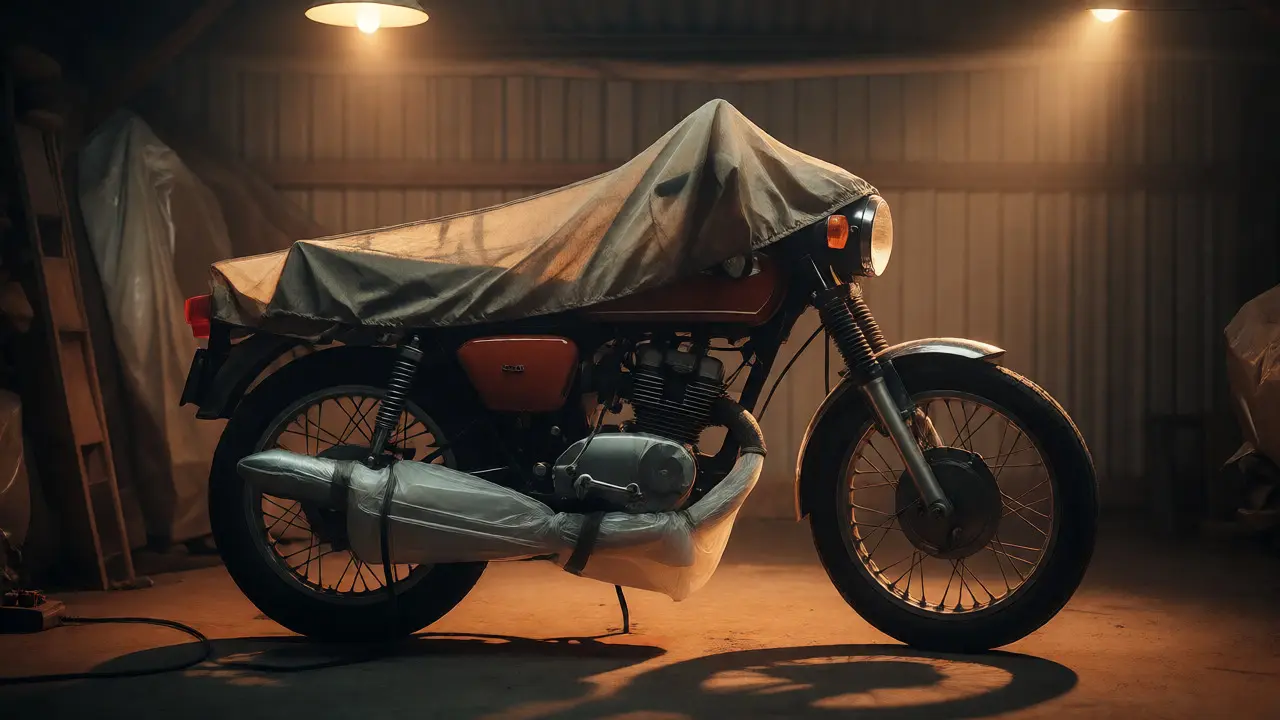
Cover the exhaust pipes with plastic bags to keep moisture out. Condensation inside the muffler causes internal rust. Use a breathable cover, not a tarp that traps humidity against the paint. Wash and wax the bike thoroughly before storage to remove road grime that eats clear coat over time.
| Task | Frequency | Why It Matters |
|---|---|---|
| Chain Lube/Tension | Every 500 miles | Prevents snapping and sprocket wear |
| Oil & Filter Change | 3,000-6,000 miles | Protects engine and transmission |
| Tire Pressure/Tread | Weekly | Safety and handling stability |
| Brake Pads | Inspect every 3,000 miles | Stopping power and rotor protection |
| Coolant Flush | Every 2 years | Prevents corrosion and overheating |
| Spark Plugs | 10,000-15,000 miles | Efficient combustion and easy starts |
Frequently Asked Questions
Can I use car oil in my motorcycle?
Generally, no. Many car oils contain friction modifiers designed for fuel economy. These can cause wet clutch slippage in motorcycles where the clutch shares the engine oil. Always use JASO MA or MA2 rated oil specifically formulated for motorcycles.
How do I know if my chain is too tight?
Check the slack at the midpoint between the front and rear sprockets. Push up and down. Most bikes specify 20-30mm of movement. Too tight accelerates wear on the countershaft bearing and can bind when the suspension compresses, potentially breaking the chain.
Is synthetic oil worth the extra cost?
For most modern bikes, yes. Synthetic oil handles high RPMs and heat better than conventional oil, providing superior protection during aggressive riding or hot weather. It also maintains viscosity longer, extending drain intervals safely.
What happens if I skip the annual coolant flush?
Coolant becomes acidic over time and loses its corrosion inhibitors. This leads to rust inside the radiator and water pump. Eventually, the water pump seal fails due to corrosion, leaking coolant and risking engine overheating.
Do I really need to check tire pressure weekly?
Yes. Tires lose about 1 PSI per month naturally, plus more with temperature changes. Under-inflated tires flex excessively, generating heat that damages the casing and ruins handling. Over-inflated tires reduce the contact patch, decreasing grip.