
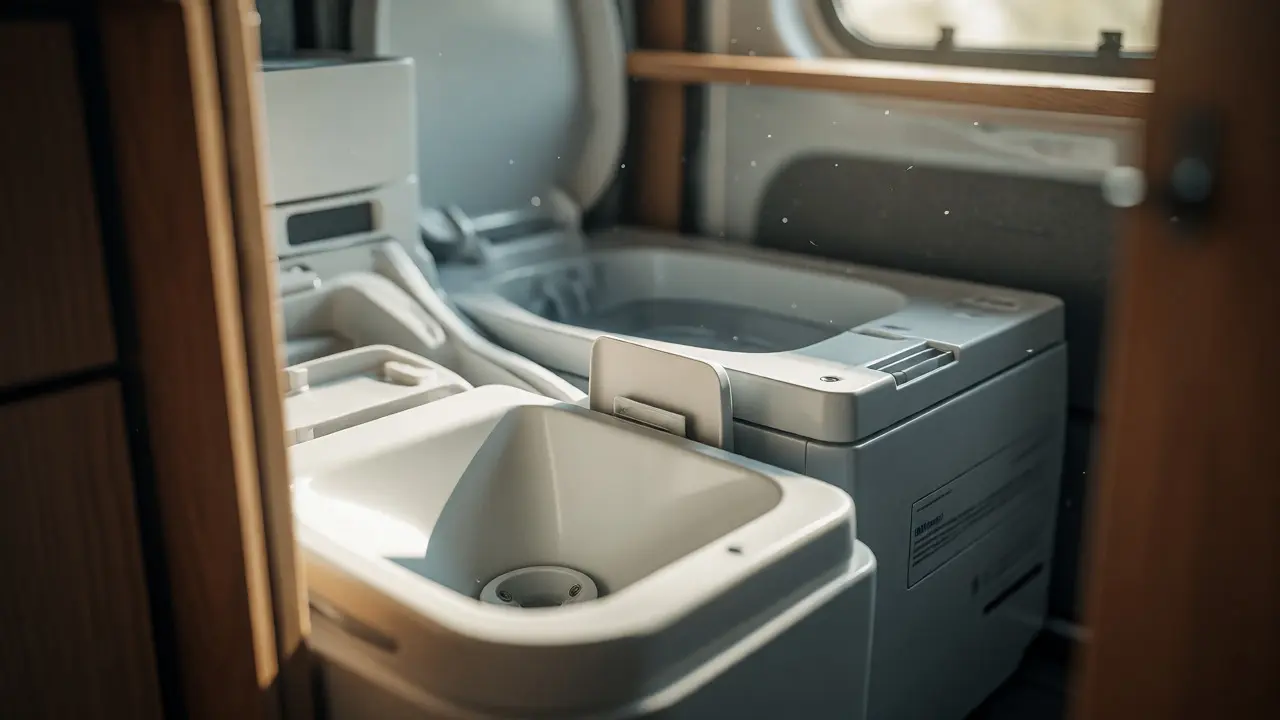
You know that smell. It hits you the second you open your camper door after a long weekend of boondocking, or worse, it lingers inside while you're trying to sleep. If you've ever considered swapping your chemical cassette for something more sustainable, you've probably looked at composting toilets. They promise freedom from dump stations and emptying black water tanks. But here's the reality check: a composting toilet isn't "install and forget." It's a biological system living in your bathroom cabinet. If you treat it like a regular loo, you'll have problems. If you understand how it works, it becomes one of the best upgrades for any van conversion.
The biggest misconception is that these toilets are dirty. They aren't, if you manage them right. The magic lies in separating liquids from solids. This process, known as urine diversion, is non-negotiable for odor control. Urine contains urea and salts; when it mixes with fecal matter and water, anaerobic bacteria take over, producing hydrogen sulfide-that rotten egg smell. Solids, on the other hand, need air and carbon-rich material to break down aerobically. That smells like earthy forest floor, not sewage.
How Separation Changes Everything
Let's look at why separation matters so much. Most modern units, like the Sanitation Science International (SSI) models or the popular Trelino, use a diverter mechanism. You sit, you pee into the front funnel, and you poop into the rear chamber. Simple physics prevents mixing. If you miss the mark even once, you risk contaminating the solid bin with liquid. A wet solid bin becomes anaerobic fast. Within hours, you'll notice a sour, ammonia-like scent.
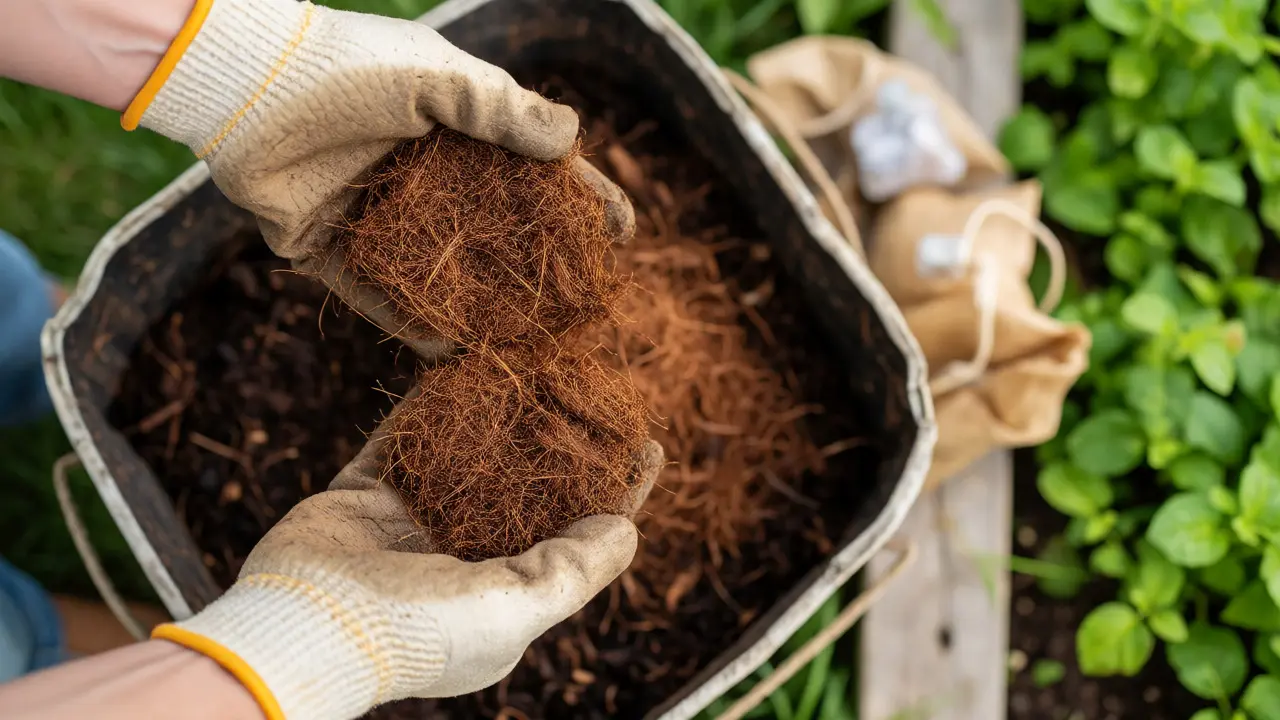
So, what do you actually put in the solid chamber? Not just anything. You need a bulking agent. Coconut coir is the gold standard because it holds moisture well without clumping too tightly. Peat moss works but can be acidic. Wood shavings are cheap but decompose slowly. The rule of thumb? Add a scoop of dry material every single time you use the toilet. Think of it as covering your waste. This layer acts as a biofilter, trapping odors before they escape into your living space.
Ventilation Is Your Best Friend
Airflow does two things: it dries out the solids and carries away volatile organic compounds. Without good ventilation, even the best setup will fail. Most vans rely on passive venting through a roof fan or an active 12V exhaust fan installed near the toilet compartment. Passive vents work if you park in breezy spots, but in humid climates or during winter condensation, they struggle.
Active fans consume power-usually between 0.5 and 2 amps per hour depending on the model. If you're off-grid with limited solar capacity, this adds up. However, the trade-off is worth it. Running the fan continuously keeps humidity low. Dry solids decompose slower but smell significantly less than damp ones. Some users run their fans only when the toilet is in use, but consistent airflow yields better results. Check your manufacturer’s manual; some brands recommend running the fan 24/7 for optimal performance.
| Feature | Cassette Toilet | Self-Contained Composting | Split System (e.g., Trelino) |
|---|---|---|---|
| Odor Risk | High if seals leak or chemicals fail | Low if maintained daily | Very Low due to frequent emptying |
| Maintenance Effort | Medium (emptying every 3-5 days) | High (daily stirring/additives) | Medium (weekly bottle swap) |
| Power Needs | None | Low (fan) or None (passive) | None (manual agitation) |
| Best For | Campgrounds with facilities | Long-term stationary stays | Frequent travelers / Boondockers |

Managing Humidity and Condensation
In a van, space is tight, and insulation traps moisture. Winter brings condensation, which drips onto surfaces. If your toilet compartment lacks proper sealing, humid air migrates into the solid chamber. Wet conditions slow down decomposition and encourage mold growth on your coconut coir. Mold looks like white fuzz but usually doesn't smell bad unless it's extensive. Black mold, however, signals trouble.
To combat this, ensure your toilet box has a vapor barrier. Use silicone sealant around all penetrations where pipes enter the wall. Also, consider adding a small desiccant pack or silica gel container inside the solid bin area (not touching the waste directly). These absorb excess ambient moisture. In summer, heat accelerates decomposition, which can sometimes release stronger gases initially. Keeping the lid closed when not in use helps contain these bursts.
The Human Factor: Diet and Hydration
Your body chemistry affects your toilet. High-protein diets produce more nitrogen-rich waste, which can create sharper ammonia smells if not balanced with enough carbon material. Vegetarians often find composting easier because their waste breaks down faster and smells milder. Hydration plays a role too. Drinking plenty of water dilutes urine, reducing its potency when stored in bottles. Concentrated urine left in a sealed bottle for a week develops a pungent aroma. Diluted urine smells faintly of hay or dried grass.
If you drink alcohol frequently, expect slightly different breakdown patterns. Alcohol metabolites can alter gut bacteria output, potentially changing stool consistency. Loose stools are harder to compost effectively because they introduce too much moisture into the solid chamber. Aim for formed solids by eating fiber-rich foods. If you get sick with diarrhea, add extra absorbent material immediately to prevent flooding the bin.
Emptying and Disposal Etiquette
Eventually, you have to deal with the end product. Liquid waste is straightforward: pour it out. Where? Into a designated dump station, a public restroom urinal, or onto bare soil away from water sources. Never pour urine into streams or lakes; it alters local nutrient balances. Solid waste takes longer. Depending on usage, a full solid bin might last 3 to 6 weeks for a couple. When it's time to empty, wear gloves. Dump the contents into a garden compost pile or a dedicated hot compost bin. Home compost piles rarely reach the temperatures needed to kill pathogens completely, so let it cure for at least six months before using it on edible plants.
For those who prefer convenience, there are biodegradable bags designed for split systems. You pull out a bag tied shut and toss it in a general waste bin. Yes, this creates landfill waste, but it eliminates handling mess entirely. Many van lifers adopt a hybrid approach: use bags for travel days, then switch to direct composting when parked long-term.
Troubleshooting Common Issues
Here is a quick diagnostic guide for common complaints:
- Ammonia Smell: Too much urine contamination in the solid bin. Check your seating position. Ensure the diverter flap closes fully after use.
- Sewage/Rotten Egg Smell: Anaerobic conditions. Add more dry carbon material and increase ventilation. Stir the contents gently to introduce oxygen.
- Flies: Fruit flies love exposed waste. Always cover solids immediately. Install fine mesh screens on vent outlets to keep bugs out.
- Sticking Mechanism: Crystals or residue buildup. Clean moving parts with vinegar solution weekly. Avoid harsh bleach-based cleaners that kill beneficial microbes.
Remember, patience pays off. New users often panic after the first few uses because the process feels unfamiliar. Give it two weeks. Once you establish a routine-pee, poop, cover, ventilate-the system becomes invisible. You stop thinking about it until it's time to empty. That invisibility is the goal. A well-maintained composting toilet enhances your van life experience by removing dependency on infrastructure. You gain flexibility to park anywhere, stay longer, and leave no trace behind.
Do composting toilets smell?
Properly maintained composting toilets should smell like earth or sawdust, not sewage. Bad odors indicate issues with ventilation, moisture balance, or urine contamination. Regular addition of carbon material and adequate airflow eliminate most smells.
Can I flush toilet paper in a composting toilet?
Yes, but only single-ply or septic-safe paper. Thick, quilted papers take too long to break down and can clog the mechanism. Many users prefer keeping a small trash bin nearby for used paper to speed up the composting process and reduce volume.
How often do I need to empty the urine bottle?
Typically every 2 to 4 days for a single person, depending on hydration levels and bottle size. Larger bottles extend intervals but may develop stronger odors if left too long. Pouring out regularly prevents crystallization and maintains hygiene.
Is it safe to use compost from human waste on vegetables?
Only if the compost reaches sustained high temperatures (above 55°C/131°F) for several days to kill pathogens. In small home bins, this is hard to achieve. It is safer to use finished compost on ornamental plants, fruit trees, or lawns rather than root vegetables eaten raw.
What happens if I get diarrhea?
Add extra absorbent material like coconut coir or peat moss immediately to soak up the excess liquid. Diarrhea introduces too much moisture, which can disrupt aerobic decomposition. Increase ventilation temporarily to help dry out the chamber.
Comments
Kevin Ching
Just wanted to say this is such a helpful guide for anyone on the fence about switching from cassette toilets. I made the jump last year and honestly once you get the routine down it's totally manageable. The tip about coconut coir being better than peat moss saved me so much hassle with acidity issues. Keep up the great work sharing these insights!
November 14, 2026 at 12:31
Adam Fenech
I must respectfully dissent from the prevailing enthusiasm surrounding composting toilets in mobile applications. While the ecological merits are undeniable, one cannot overlook the inherent inefficiencies introduced by biological decomposition processes within confined spaces. The assertion that urine diversion is non-negotiable ignores the practical realities of user error which inevitably leads to anaerobic conditions regardless of design intent. Furthermore the reliance on active ventilation systems introduces an unnecessary dependency on electrical infrastructure thereby complicating the very freedom van life purports to offer. It seems rather contradictory to advocate for sustainability while simultaneously increasing energy consumption through continuous fan operation. Perhaps a return to simpler mechanical solutions would be more prudent for those who value reliability over ideological purity.
November 14, 2026 at 21:36