
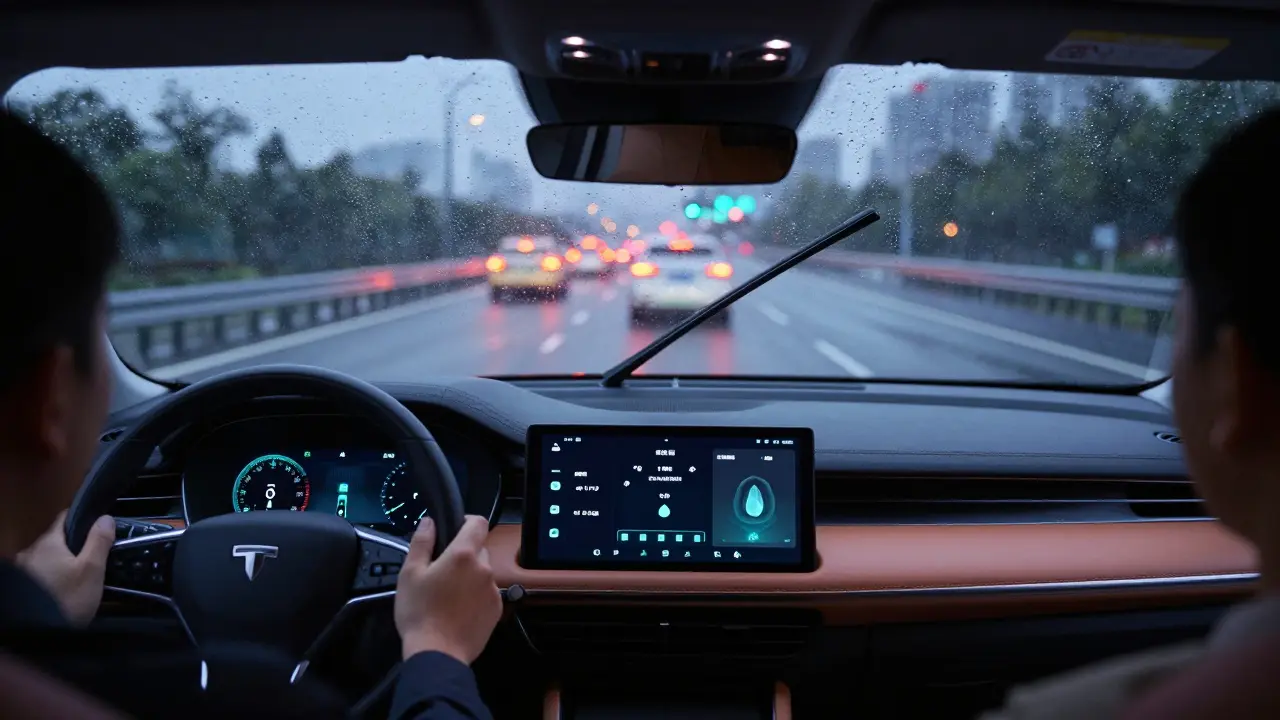
Picture this: your car knows it’s about to rain before the first drop hits. It adjusts your wipers automatically, suggests a route that avoids flooding, and even alerts you that your tire pressure is slightly low because of the temperature drop. This isn’t science fiction anymore. It’s what we call connected vehicles, and it’s changing how we drive, maintain, and interact with our cars.
If you’ve ever wondered how your car talks to the internet, or why your insurance company wants access to your driving habits, you’re looking at the intersection of two major technologies: connectivity and telematics. These systems are the backbone of modern ADAS technology (Advanced Driver Assistance Systems), turning your vehicle from a simple machine into a smart, responsive partner on the road.
What Exactly Is a Connected Vehicle?
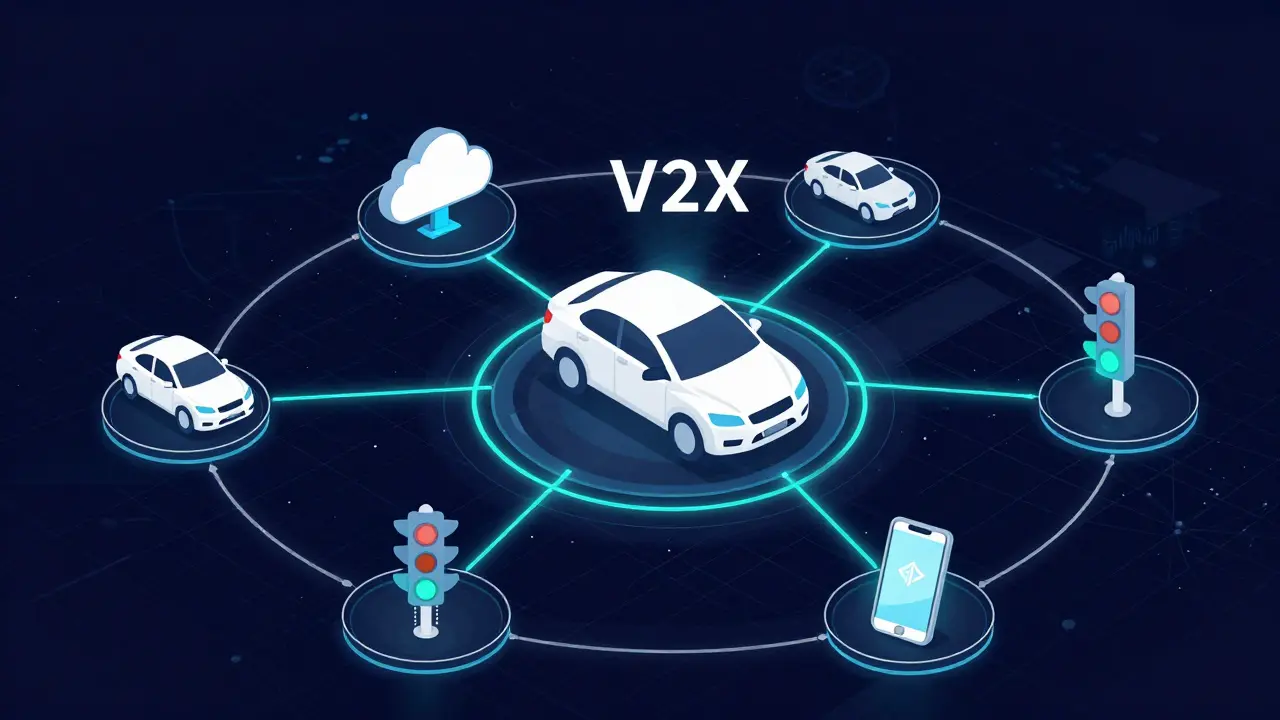
A connected vehicle is simply a car equipped with technology that allows it to communicate with other devices. Think of it like your smartphone, but for transportation. It connects to the cloud, to other cars (V2V), to traffic lights and infrastructure (V2I), and even to pedestrians’ phones (V2P). This network of communication is often referred to as V2X (Vehicle-to-Everything).
The core component enabling this is an embedded modem, usually using 4G LTE or the newer 5G networks. When you buy a new car today, especially models from 2023 onwards, this connectivity is baked in. You don’t need to plug in a dongle or rely on Bluetooth tethering to your phone. The car has its own IP address, its own data plan, and its own ability to send and receive information independently.
Why does this matter? Because connectivity unlocks features that were previously impossible. Over-the-air (OTA) updates mean your car can get software improvements without visiting a dealership. Remote diagnostics allow manufacturers to spot issues before they break down. And real-time navigation uses live traffic data rather than outdated maps stored locally.
Telematics: The Data Behind the Scenes
If connectivity is the nervous system, telematics (the integration of telecommunications and informatics) is the brain processing the signals. Telematics involves collecting data from various sensors within the vehicle-speed, location, fuel consumption, engine health, braking patterns-and transmitting that data to external servers for analysis.
You might have seen telematics in action if you’ve used a fleet management service or a usage-based insurance program. Companies like Geotab or Samsara provide platforms where businesses can track their entire fleet’s location, idle time, and driver behavior in real-time. For individual drivers, telematics powers features like stolen vehicle recovery, emergency assistance (eCall), and personalized maintenance reminders.
The data collected is vast. A single modern car can generate terabytes of data per day. This includes GPS coordinates every few seconds, battery voltage levels, cabin temperature, and even how hard you press the accelerator. This granular data allows for precise insights. For example, instead of just telling you "check engine," telematics can pinpoint that the oxygen sensor is failing and schedule a repair appointment automatically.
How Connectivity Powers ADAS Technology
Advanced Driver Assistance Systems (ADAS) are the safety features that help prevent accidents. Lane departure warning, automatic emergency braking, adaptive cruise control-these are all part of ADAS. While many of these systems rely on local sensors like cameras and radar, connectivity supercharges them.
Imagine you’re approaching a curve. Your car’s camera sees the road ahead, but a connected vehicle receives data from other cars that have already passed through that curve. If those cars reported slippery conditions due to black ice, your car can pre-adjust its traction control and warn you before you even enter the curve. This is called cooperative perception, and it extends the car’s "vision" beyond line-of-sight.
Connectivity also enables predictive maintenance for ADAS components. If a camera lens gets dirty or misaligned, the system can detect reduced performance and alert you. In some cases, it can even guide you through cleaning steps via the infotainment screen. Without connectivity, these systems would operate in isolation, limiting their effectiveness and safety potential.
| Feature | Local Sensors Only | Connected + Local Sensors |
|---|---|---|
| Blind Spot Monitoring | Detects vehicles in immediate blind spot | Warns of fast-approaching vehicles from further back |
| Collision Warning | Reacts to obstacles in direct path | Predicts collisions based on traffic flow and weather data |
| Navigate Safety | Uses static map data for speed limits | Adjusts for temporary road work, accidents, or school zones |
| Maintenance Alerts | Generic check-engine light | Specific diagnostic codes sent to manufacturer for analysis |
Real-World Applications Beyond Safety
Safety is the most obvious benefit, but connected vehicles offer much more. Convenience is a huge driver for adoption. With remote keyless entry, you can unlock your car from miles away. Pre-conditioning allows you to heat or cool the cabin before you get in, which is particularly useful for electric vehicles (EVs) to preserve battery range.
For EV owners, connectivity is crucial for charging. Apps can locate nearby chargers, check availability, and even start the charging session remotely. Some systems integrate with home energy management, scheduling charging during off-peak hours when electricity rates are lower. This saves money and reduces strain on the power grid.
Fleet operators use telematics to optimize routes, reduce fuel consumption, and ensure compliance with regulations. By analyzing driving behavior, companies can identify aggressive drivers and provide targeted training. This not only improves safety but also lowers insurance premiums and vehicle wear-and-tear.
Privacy and Security Concerns
With great data comes great responsibility. Connected vehicles raise significant privacy concerns. Who owns your driving data? Can insurers use it to hike up your rates? Can hackers access your car’s systems? These are valid questions that regulators and manufacturers are grappling with.
In the UK and EU, GDPR provides strong protections for personal data. Manufacturers must obtain explicit consent for data collection and allow users to delete their data upon request. However, the complexity of supply chains means that third-party vendors may also access data, creating potential vulnerabilities.
Cybersecurity is another critical issue. As cars become more connected, they become more susceptible to hacking. Attacks could range from stealing personal information to taking control of steering or braking systems. To combat this, manufacturers implement multiple layers of security, including encryption, secure boot processes, and regular software patches. Yet, no system is entirely immune, making ongoing vigilance essential.
The Future: What’s Next for Connected Cars?
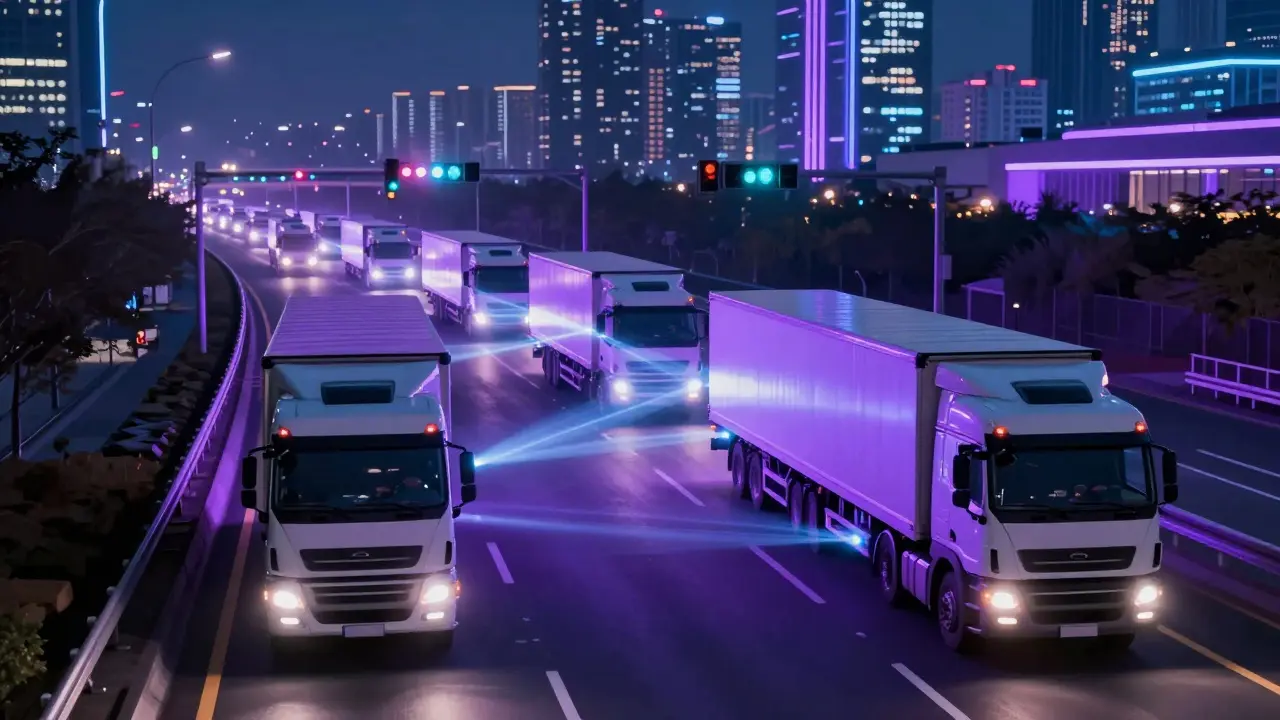
We’re only scratching the surface. The next phase involves autonomous driving, where connectivity plays a pivotal role. Level 4 and Level 5 autonomy require cars to make complex decisions in real-time, relying heavily on data from other vehicles and infrastructure. Imagine a convoy of trucks driving closely together, communicating millisecond-by-millisecond to maintain safe distances and improve aerodynamics.
Smart cities will also evolve alongside connected vehicles. Traffic lights could adjust timing based on real-time traffic flow, reducing congestion and emissions. Parking spots could be reserved and paid for automatically as you approach. The integration of AI and machine learning will enable cars to learn from collective experiences, becoming smarter with every mile driven.
By 2030, it’s estimated that over 75% of new cars sold globally will have advanced connectivity features. This shift will transform not just how we drive, but how we think about mobility itself. Ownership may give way to subscription models, where you pay for access to features rather than buying hardware upfront.
Is my current car a connected vehicle?
If your car was manufactured after 2018 and has built-in Wi-Fi, Apple CarPlay, or Android Auto, it likely has some level of connectivity. Check your owner’s manual for terms like "embedded SIM" or "cellular connection." Older cars can be retrofitted with aftermarket telematics devices, though these lack full integration with factory systems.
Do I need a separate data plan for my connected car?
Most new cars come with a free trial period (usually 1-3 years) for basic connectivity services. After that, manufacturers often charge a monthly fee for premium features like high-speed hotspot access or advanced navigation updates. Basic safety features like emergency calling typically remain free indefinitely.
Can telematics really lower my insurance premiums?
Yes, many insurers offer usage-based insurance (UBI) programs that monitor driving behavior. Safe drivers who avoid harsh braking, rapid acceleration, and late-night driving can see discounts ranging from 10% to 30%. However, poor driving habits can lead to higher rates, so consider whether you’re comfortable sharing this data.
How secure is my data in a connected vehicle?
Manufacturers use end-to-end encryption and multi-factor authentication to protect data. However, no system is completely hack-proof. Keep your car’s software updated, disable unnecessary permissions in companion apps, and review privacy settings regularly. In the UK, you have the right to request deletion of your personal driving data under GDPR.
Will connected vehicles replace human drivers soon?
Not anytime soon. While Level 2 and Level 3 automation are common, full autonomy (Level 5) faces technical, legal, and ethical hurdles. Connectivity enhances safety and efficiency, but human oversight remains essential for handling edge cases and unpredictable scenarios. Expect gradual improvement rather than sudden replacement.