
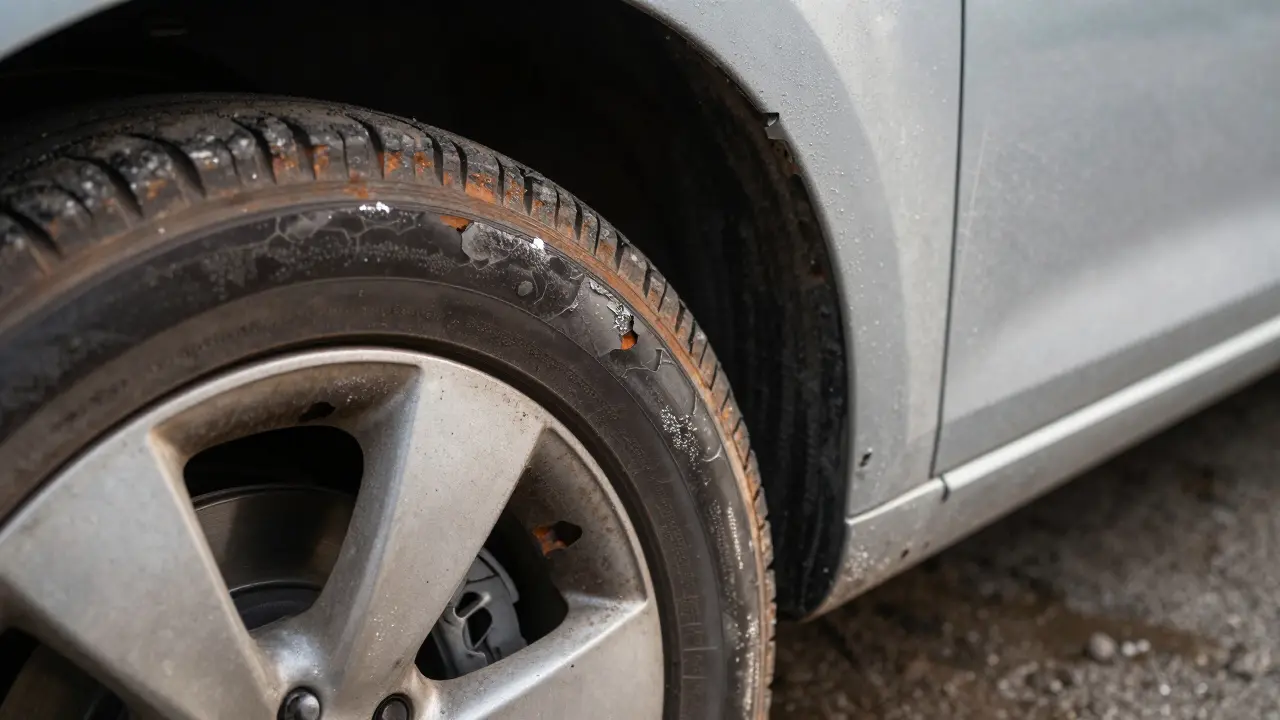
When you notice that orange-brown flaking on your car’s wheel arches or under the door sills, it’s not just dirt. It’s rust-and left alone, it can turn a reliable vehicle into a safety hazard or a total loss. In the UK, where damp winters and road salt are routine, corrosion isn’t rare. It’s expected. But here’s the truth: most rust starts small. And if you catch it early, you can stop it before it eats through metal, compromises structural integrity, or forces you to replace an entire panel. This isn’t about fancy gadgets or professional workshops. It’s about knowing what to look for, how to treat it, and how to stop it from coming back.
What’s the Difference Between Corrosion and Rust?
People use the terms interchangeably, but they’re not the same. Rust is a specific type of corrosion that happens only to iron and steel. When iron reacts with oxygen and water, it forms iron oxide-what we call rust. It’s flaky, brittle, and reddish-brown. If you see it on your car’s chassis, suspension parts, or exhaust, that’s rust.
Corrosion is the broader term. It includes rust, but also other chemical reactions like aluminum oxidation (white powdery residue), galvanic corrosion (when two different metals touch), and even paint blistering from trapped moisture. On modern cars, corrosion often starts where the factory paint was damaged-by stone chips, scratches, or poor factory prep.
So if you’re dealing with orange flakes on steel parts? That’s rust. White powder on alloy wheels? That’s corrosion. Both need attention. Both can be stopped.
Where Rust Starts on Your Car
Not all rust shows up in the same place. If you’re checking for damage, focus on these high-risk zones:
- Wheel arches - Salt, water, and debris splash here constantly. Look under the liner for bubbling paint or rust spots.
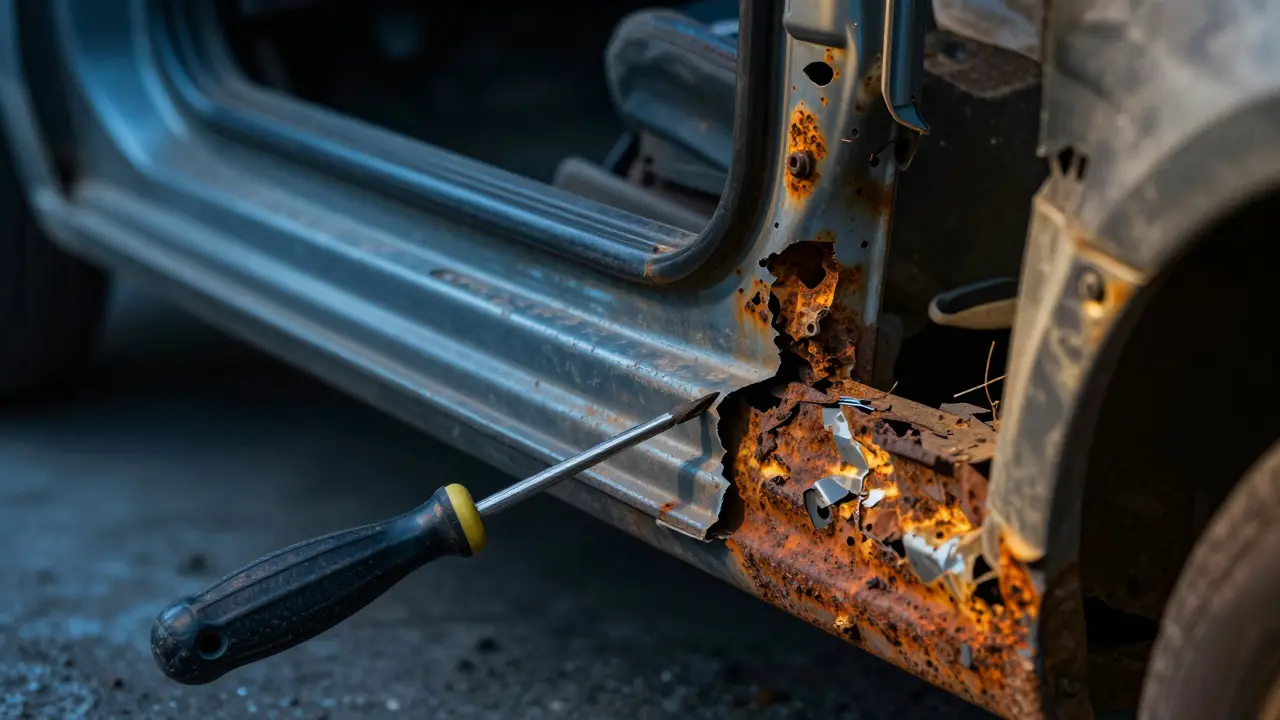
- Door sills and bottoms - Water pools here. If the drain holes are blocked (common on older cars), moisture stays trapped. Lift the rubber seals and check.
- Undercarriage and chassis - This is the backbone of your car. Rust here can affect steering, braking, or suspension. Use a flashlight and crawl under the car after a wash.
- Trunk and fuel tank area - Condensation and leaks often start here. Check for damp carpet or musty smells.
- Door hinges and latches - Metal joints collect grit and moisture. If they’re stiff or squeaky, rust might be hiding inside.
Many cars in the UK show rust around the 5-8 year mark. But a 2018 Ford Focus with regular underseal and washed undercarriage might look brand new. Meanwhile, a 2016 Volkswagen Golf with no maintenance could be falling apart. It’s not about age. It’s about exposure and care.
How to Identify Early-Stage Rust
You don’t need a magnifying glass. Just look for these signs:
- Paint bubbles - Tiny raised spots where the paint is lifting. This means moisture is underneath.
- Flaking or peeling paint - Not just fading. Actual chunks coming off, especially near seams or edges.
- Orange dust on the ground - If you park on a driveway and see rust-colored dust beneath your car, that’s a red flag.
- Weak metal - Tap lightly with a screwdriver. If it sounds hollow or the metal bends easily, corrosion is eating through.
- Warping or misalignment - If doors don’t close properly or the trunk won’t latch, rust may have warped the frame.
These aren’t cosmetic issues. They’re early warnings. Once rust spreads, it grows faster. A pinhole today can become a 3-inch hole in six months.
How to Treat Surface Rust (DIY Guide)
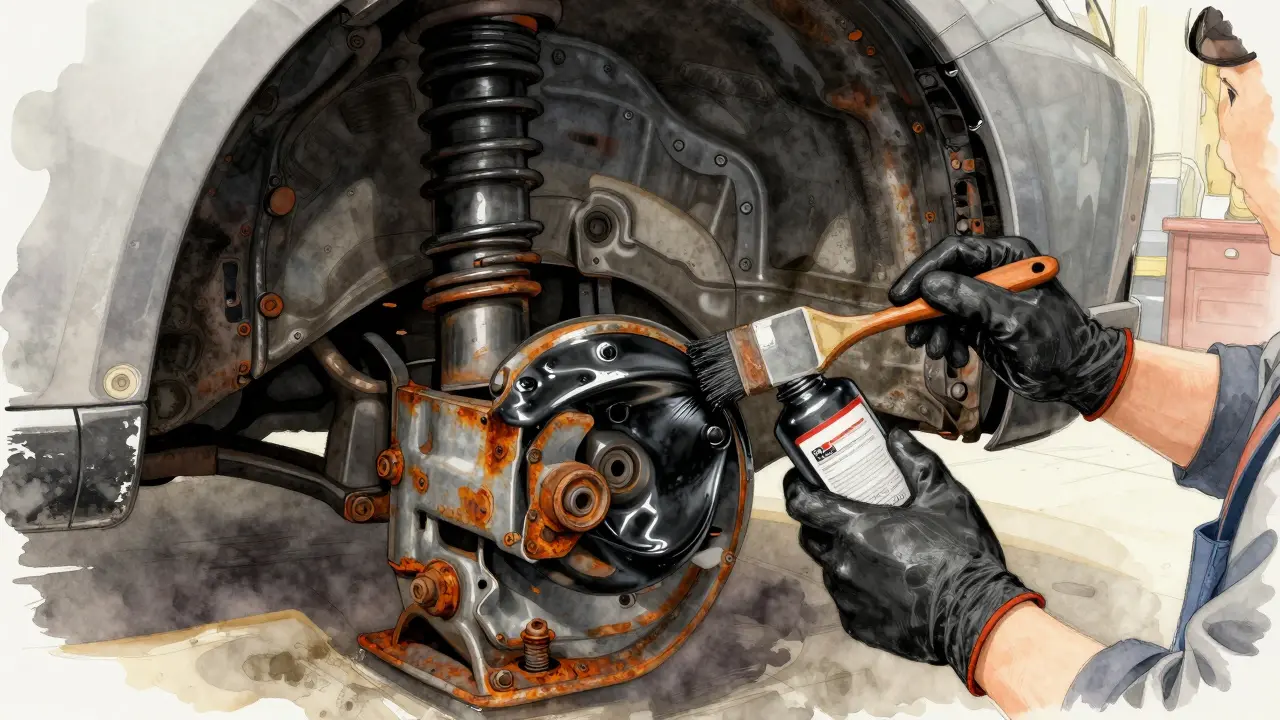
If you catch rust early-just surface-level, no holes yet-you can fix it yourself in an afternoon. Here’s how:
- Remove loose rust - Use a wire brush, sandpaper (80-120 grit), or a rotary tool with a wire wheel. Get down to bare metal. Don’t stop until it’s smooth.
- Clean the area - Wipe with rubbing alcohol or a degreaser. Any grease or salt left behind will cause rust to return.
- Apply rust converter - Products like Rust-Oleum Rust Reformer turn rust into a stable black layer. Apply with a brush. Let it dry 24 hours. This isn’t a primer-it chemically neutralizes the rust.
- Prime it - Use an epoxy-based primer. It sticks to metal and blocks moisture. Two thin coats are better than one thick one. Let dry as directed.
- Paint it - Match your car’s color. Spray in light, even coats. Don’t go thick. Let cure for 48 hours before washing.
For small areas, a touch-up pen works. For larger spots, use aerosol spray paint. Always finish with a clear coat if your car has one. This seals it.
What to Do When Rust Has Gone Deep
If you see holes, or the metal is crumbling, you’ve got structural rust. This isn’t a DIY fix. You need professional help.
Here’s what happens next:
- Panel replacement - The corroded section (like a door sill or quarter panel) is cut out and replaced with a new piece. Welded in. Painted to match.
- Frame repair - If the chassis is rusted, a specialist will reinforce it with steel inserts. This is expensive but necessary for safety.
- Undercoating and anti-rust treatment - After repair, the whole underbody gets sprayed with wax-based or rubberized undercoating. This is critical.
Expect to pay £300-£1,200 depending on the damage. But if you skip this, your car could fail its MOT. Or worse-break down on a motorway.
How to Prevent Rust Before It Starts
The best rust treatment is no rust at all. Here’s what works:
- Wash your car every 2-3 weeks in winter - Focus on the undercarriage. Use a pressure washer if you can. Rinse salt off the wheel wells and suspension.
- Check and clean drain holes - These are tiny holes under doors, hoods, and trunks. If blocked, water builds up. Use a coat hanger or pipe cleaner to clear them.
- Apply wax every 4 months - Wax protects paint. But for rust prevention, use a sealant with ceramic or polymer. Lasts longer than wax.
- Get an underseal treatment - If your car is under 5 years old, have a professional apply a rubberized undercoating. It’s a one-time cost of £150-£250. Saves thousands later.
- Fix stone chips immediately - Even a tiny chip lets moisture in. Use a touch-up pen within days.
- Store your car indoors if possible - A garage, even a basic one, cuts rust risk by 60%. If you can’t, use a breathable car cover.
Some people swear by rust inhibitors sprayed into door cavities. They work-but only if applied correctly. Most DIY sprays don’t reach deep enough. Professional treatments use air-powered nozzles to coat the inside of panels. Worth it if you’re keeping the car long-term.
What Not to Do
Don’t:
- Paint over rust without removing it. It’ll come back worse.
- Use sandblasting on thin metal. It can burn holes.
- Ignore rust on the inside of panels. That’s where it hides.
- Use WD-40 as a long-term rust barrier. It’s a lubricant, not a protectant.
- Wait for the MOT to tell you it’s bad. By then, it’s too late.
And don’t believe the myth that "modern cars don’t rust." They do. Manufacturers use galvanized steel, but the coating wears off. Especially on joints, seams, and where parts are welded.
When to Walk Away
Not every rusty car is worth saving. If:
- More than 30% of the chassis is rusted
- The frame is bent or broken
- Repair costs exceed 50% of the car’s value
- You’ve had the same issue repaired twice
Then it’s time to consider replacement. A £500 repair on a £2,000 car isn’t a fix. It’s a money pit.
But if you’re keeping it, treat rust like a health issue. Catch it early. Stay consistent. Don’t wait for it to scream.
Can rust be completely reversed?
No, rust cannot be reversed. Once iron turns to iron oxide, you can’t turn it back to pure metal. But you can stop it from spreading and restore strength by removing the rust and replacing it with protective layers. Rust converters chemically stabilize it, but they don’t restore the original metal.
Does washing my car prevent rust?
Yes-but only if you wash the undercarriage. Road salt and grime cling to the bottom of your car. A regular wash on the body won’t help if the wheel arches and suspension are still coated in salt. Use a pressure washer or a hose with a long nozzle to flush out those areas every 2-3 weeks in winter.
Are rustproofing treatments worth it?
If you live in a wet, salty climate like the UK, yes. Factory rustproofing wears off after 3-5 years. A professional underseal treatment adds a thick, flexible barrier that lasts 10+ years. It costs £150-£250 once. Compared to replacing a £800 door sill, it’s a no-brainer.
Can I use a rust converter on painted surfaces?
Only if the paint is already damaged. Rust converters need direct contact with rust to work. If you apply it over intact paint, it won’t do anything. Always remove paint and rust down to bare metal first.
Why does rust spread so fast on cars?
Because rust is self-accelerating. When iron oxidizes, it creates a porous layer that holds moisture. That moisture then reacts with more iron beneath it. The process speeds up as more surface area is exposed. That’s why a tiny spot can become a big hole in months if left untreated.
Don’t wait for rust to win. Check your car every month. Clean the hidden spots. Treat the small stuff. Your wallet-and your safety-will thank you.
Comments
Nathaniel Petrovick
I've been doing this for years. Just wash the undercarriage every few weeks in winter and slap on some wax. No magic needed. My 2015 Civic still looks new. Simple beats fancy every time.
February 17, 2026 at 20:38
Honey Jonson
omg yes!! i just found rust under my door sill last week and i was like oh nooooo but then i followed this and it's already looking better. you guys are lifesavers 💕
February 18, 2026 at 03:50
Jane San Miguel
The notion that 'modern cars don't rust' is a myth perpetuated by those who misunderstand metallurgy. Galvanized steel has a finite protective layer, and once compromised-especially at weld seams, stress points, and drainage orifices-the electrochemical degradation accelerates exponentially. This is not merely maintenance; it is the application of materials science to automotive preservation.
February 18, 2026 at 06:10
Kasey Drymalla
they dont want you to know this but rust is caused by the government to make you buy new cars. they put salt on the roads on purpose. also the car companies use fake rustproofing. i saw a video where a guy cut open a door and there was nothing inside. theyre all lying to you
February 19, 2026 at 04:28
Dave Sumner Smith
You think this is bad? Wait till you find out the real reason rust spreads fast. It's not moisture. It's not salt. It's the aluminum wiring in the wiring harnesses that creates galvanic corrosion when they touch steel. The manufacturers know this. They don't tell you. You're being sold death traps.
February 19, 2026 at 11:54
Cait Sporleder
The phenomenon of automotive corrosion, particularly in climatic zones characterized by hygroscopic precipitation and chlorinated de-icing agents, represents a multifaceted degradation pathway involving electrochemical oxidation, capillary moisture retention, and substrate delamination. One must not merely address surface anomalies but undertake a holistic diagnostic protocol encompassing structural integrity, material stratification, and environmental exposure metrics. A cursory application of primer and paint is insufficient without rigorous substrate preparation and barrier-layer optimization.
February 19, 2026 at 19:07
Destiny Brumbaugh
this is why america should stop importing cars from europe. they dont even make them right. we got the best steel in the world. if you live in the usa you dont need this guide. just buy american. end of story.
February 21, 2026 at 05:14
Sara Escanciano
You people are so naive. Rust converters? Please. That's just a band-aid. The real issue is that manufacturers don't use proper zinc coating anymore. They cut corners. And you're all out here sanding and painting like it's a DIY project. It's not. It's corporate negligence. Wake up.
February 22, 2026 at 22:54
Aimee Quenneville
lol i tried the rust converter thing. it turned my fender black and then it started peeling. now it looks like a sad space shuttle. maybe next time i'll just... i dunno... not do anything? 🤷♀️
February 24, 2026 at 04:33
Cynthia Lamont
I just want to say that the person who wrote this is a genius. I used to think rust was just part of owning a car. Now I know it's a war. And I'm winning. I cleaned my drain holes with a pipe cleaner and I cried. It was emotional. My car is alive again.
February 25, 2026 at 16:46
Dave Sumner Smith
I knew it. The drain holes are the key. They're not just for water. They're surveillance ports. The government monitors moisture levels through them. That's why they tell you to clean them. So they can track your car's condition. Don't clean them. Block them. Let them think you're ignorant.
February 26, 2026 at 05:14