
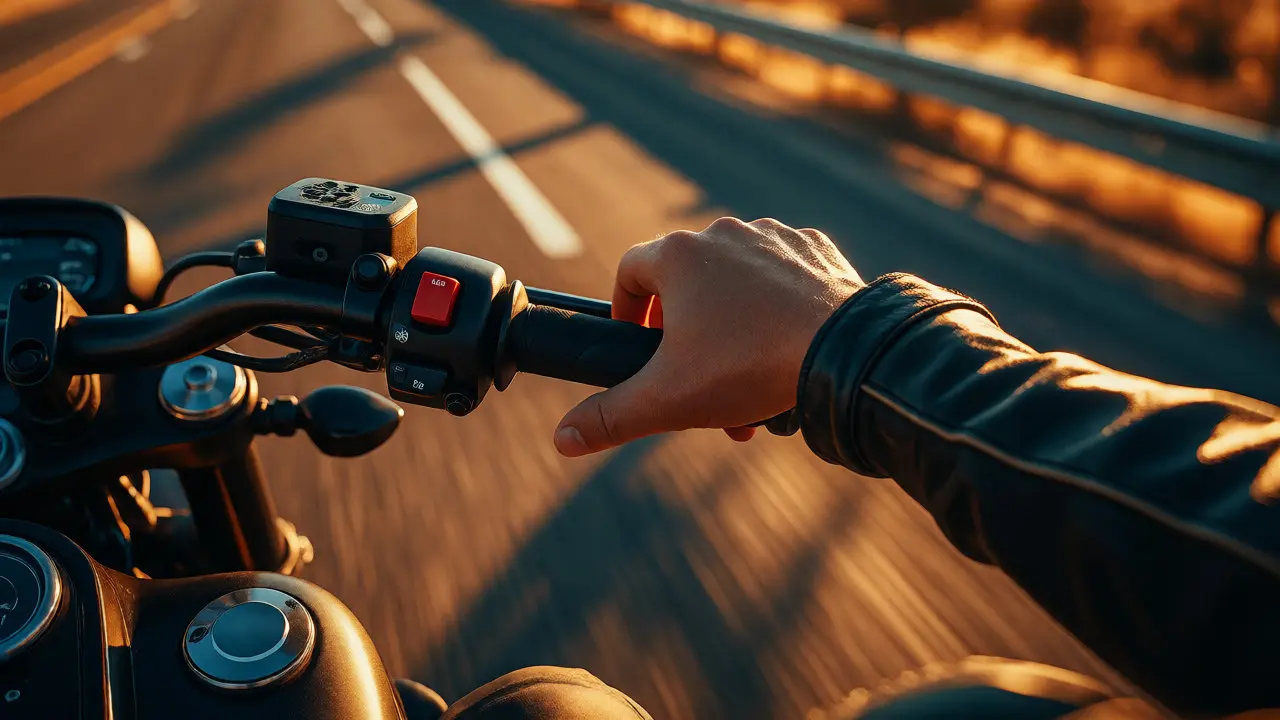
Ever tried holding a throttle steady at 70 mph for three hours straight? Your right wrist starts screaming before your mind even registers the pain. That constant tension is why cruise control is an electronic system that automatically maintains a set speed without rider input on the throttle isn't just a luxury add-on-it's a game-changer for anyone who puts serious miles on two wheels. It frees up your hand, reduces muscle fatigue, and honestly, lets you enjoy the ride instead of fighting the machine.
Why Your Wrist Hates Highway Riding
Riding a motorcycle is physically demanding in ways car drivers rarely understand. In a sedan, you tap the gas pedal once and forget about it. On a bike, you’re balancing weight, steering with subtle handlebar inputs, and maintaining throttle position all at once. This static load on the forearm muscles leads to "arm pump," a condition where blood flow gets restricted, causing numbness and loss of fine motor control. Cruise control eliminates this specific stressor by taking over the mechanical task of speed maintenance. You still steer, brake, and shift, but your right hand rests lightly on the grip or bar end, completely relaxed.
How Motorcycle Cruise Control Actually Works
Unlike the simple vacuum-driven systems in older cars, modern motorcycle cruise control relies on complex electronic engine management. The system uses sensors to monitor wheel speed and compares it against the target speed you’ve set via buttons on the handlebars. If the bike slows down due to wind resistance or a slight incline, the Electronic Control Unit (ECU) adjusts the throttle body opening or fuel injection timing to compensate. This happens instantly and invisibly. Most systems disengage immediately when you pull the clutch lever or apply the front or rear brake, ensuring you retain full manual control during emergencies or technical sections.
Fixed vs. Adaptive: Choosing Your Tech Level
Not all cruise controls are created equal. As of 2026, the market splits into two distinct categories: fixed-speed and adaptive. Fixed-speed systems do exactly what they say-they hold one number. They’re cheaper, simpler, and great for flat highways. Adaptive Cruise Control (ACC), however, is a different beast entirely. Using radar or laser sensors mounted near the headlight, ACC detects vehicles ahead and automatically slows your bike down to maintain a safe following distance. When the lane clears, it accelerates back to your preset speed. This tech, pioneered by brands like BMW and now available on select Ducati and Honda models, transforms traffic-heavy stretches from stressful ordeals into manageable commutes.
| Feature | Fixed-Speed Cruise | Adaptive Cruise (ACC) |
|---|---|---|
| Primary Function | Maintains set speed | Maintains speed and following distance |
| Sensor Type | Wheel speed sensor | Radar/Laser + Wheel speed |
| Cost Impact | $150-$400 (aftermarket) | $800+ (OEM package) |
| Best For | Open highways, solo touring | Traffic, group rides, variable terrain |
The Aftermarket Dilemma: Plug-and-Play vs. Hardwired
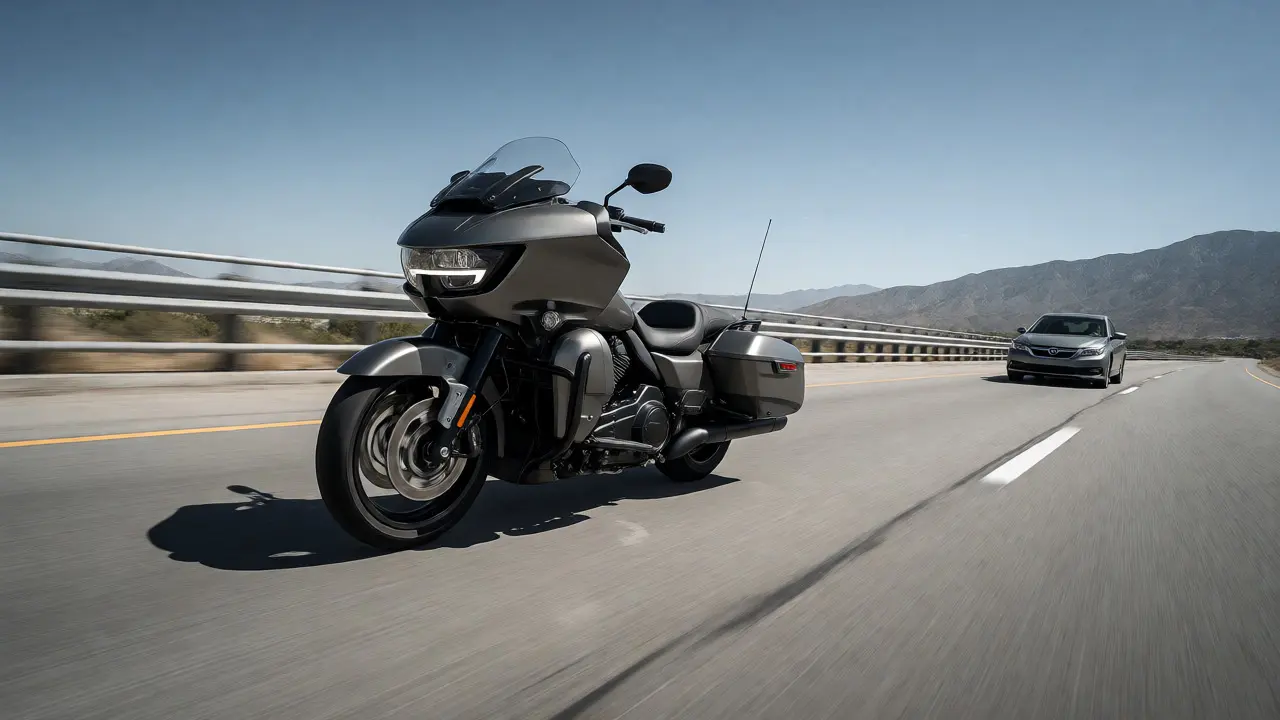
If your bike didn’t come with cruise control, you have options. Aftermarket units like those from GIVI or generic universal kits connect directly to the throttle cable or use electronic actuators. Cable-based systems are easier to install but can feel clunky; they literally pull the cable to hold speed. Electronic actuator systems integrate more smoothly with the bike’s ECU but require professional tuning. A critical pitfall here is warranty voiding. Always check if modifying the throttle assembly affects your manufacturer’s powertrain warranty. Many riders opt for OEM accessory packages because they retain factory calibration and resale value, even if they cost more upfront.
Safety Implications You Can’t Ignore
Critics often argue that cruise control encourages complacency. There’s truth to that. When the bike handles speed, riders sometimes zone out, missing road hazards until the last second. To counter this, treat cruise control as a tool, not autopilot. Keep your eyes scanning far down the road, not just at the taillights of the car ahead. Also, never engage cruise control in rain, heavy wind, or curvy mountain roads. Sudden gusts can push a lightweight sportbike off course, and the system’s attempt to correct speed might conflict with your steering corrections. Use it only on straight, dry, multi-lane highways where conditions are predictable.
Installation and Maintenance Tips
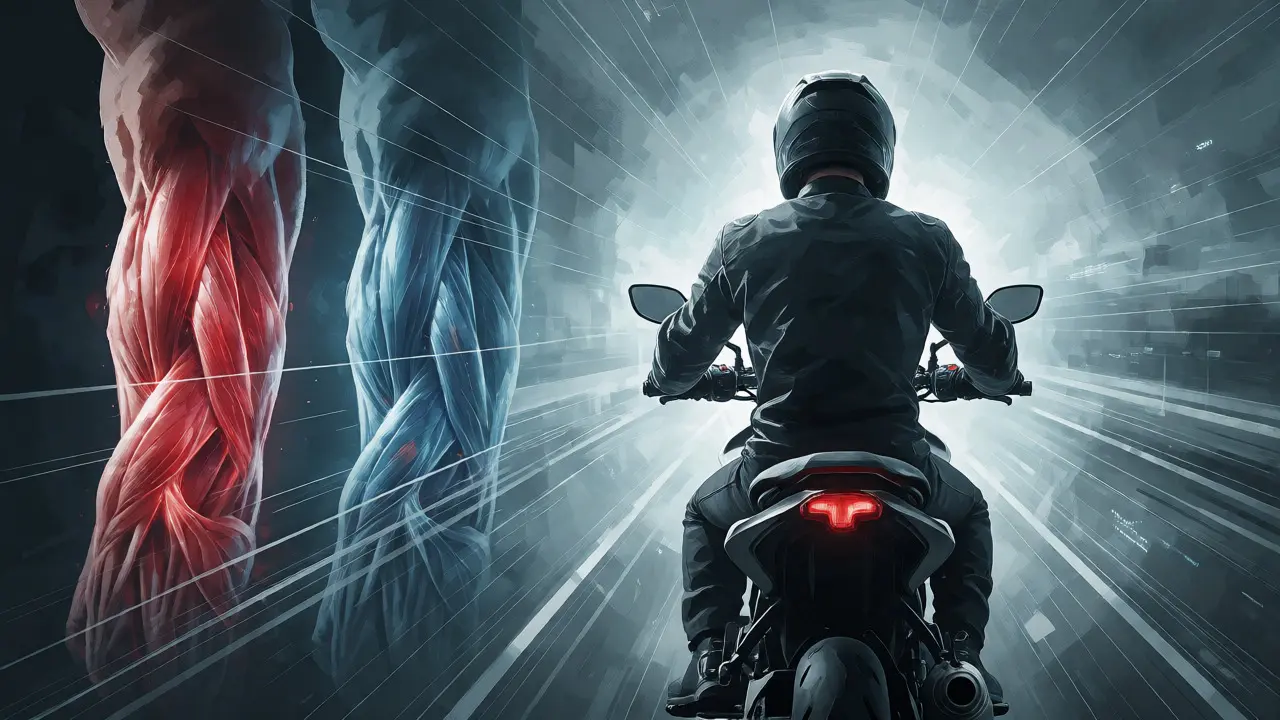
For those going the aftermarket route, installation is straightforward but demands precision. You’ll need basic tools, electrical tape, and possibly a multimeter to verify connections. Route wires away from moving parts and hot exhaust pipes-heat kills electronics faster than anything else. Once installed, test the system at low speeds first. Ensure the cancel function works reliably every time. Regularly clean the radar lens (if equipped) with a microfiber cloth; dirt and bug splatter can blind the sensors, causing erratic behavior. Software updates, especially for newer bikes, may improve ACC responsiveness, so keep your dealer informed about firmware patches.
Is It Worth the Investment?
Ask any long-distance tourer. The ability to relax your right hand after hour four is priceless. It reduces overall physical exhaustion, meaning you arrive at your destination fresher and ready to explore rather than needing a nap. For daily commuters stuck in stop-and-go traffic, adaptive systems save mental energy. For weekend warriors hitting open roads, fixed systems offer pure freedom. The return on investment isn’t financial-it’s physiological. Your wrists, shoulders, and focus will thank you on the next 300-mile day.
Can I install cruise control on any motorcycle?
Most modern motorcycles with electronic fuel injection (EFI) can accept aftermarket cruise control. Older carbureted bikes can too, using cable-pull systems, though integration is less seamless. Check compatibility with your specific model year and throttle type before buying.
Does cruise control drain the battery?
The power draw is minimal, typically under 1 amp. Unless your bike has a weak charging system or existing electrical issues, you won’t notice any impact on battery life during normal riding.
Is adaptive cruise control safe for group rides?
Yes, but with caution. ACC helps maintain consistent spacing, which aids group cohesion. However, riders must still communicate intentions. Sudden braking by the lead rider triggers ACC reactions in followers, which can cause chain-reaction slowdowns if not anticipated.
What happens if I shift gears while cruise control is on?
On most systems, pulling the clutch lever automatically disengages cruise control. You’ll need to press the 'resume' button after shifting to re-engage the set speed. This safety feature prevents unexpected acceleration during gear changes.
Can cruise control be used in the rain?
Technically yes, but it’s not recommended. Wet roads reduce traction, and sudden throttle adjustments by the system could destabilize the bike. Manual throttle control allows for finer modulation in slippery conditions, making it safer to turn off cruise control when it’s raining.