

You just bought that aftermarket steering wheel. It looks incredible in the photos-deep dish, suede leather, maybe some carbon fiber accents. You install it, hop in, and take it for a spin. It feels amazing until you hit a rough patch of road or need to make a quick emergency turn. Suddenly, your hands are slipping, or worse, you realize the horn is dead because you forgot to wire it properly. Customizing your steering wheel isn't just about aesthetics; it's a critical interface between you and the road. If you get the steering wheel diameter wrong or ignore how the airbag interacts with the new shape, you're not just buying a cool accessory-you're potentially compromising your control and safety.
Why Size Matters More Than Looks
Most drivers never think about the size of their steering wheel until they change it. Stock wheels are usually between 14 and 15 inches in diameter. This size is a compromise. It’s large enough to provide mechanical advantage when turning at low speeds (like parking) but small enough to allow full lock-to-lock turns without your arms crossing over each other awkwardly.
When you switch to a smaller wheel, say 13 inches, you lose that mechanical advantage. Turning the wheel requires more physical effort. In a modern car with power steering, this might feel like a minor annoyance at first. But in an emergency maneuver, that extra resistance can slow down your reaction time. Conversely, going too big-like 17 inches on a compact car-means you have to rotate the wheel further to achieve the same turn angle. Your hands end up in weird positions, and you might find yourself "shuffling" your grip instead of making smooth inputs.
The key here is matching the diameter to your driving style and the car's intended use. If you’re building a track car, a smaller diameter improves response speed. If you’re cruising on highways, sticking closer to the stock size reduces fatigue. Don’t let the "racing look" dictate function unless you’re actually racing.
Grip Texture and Ergonomics
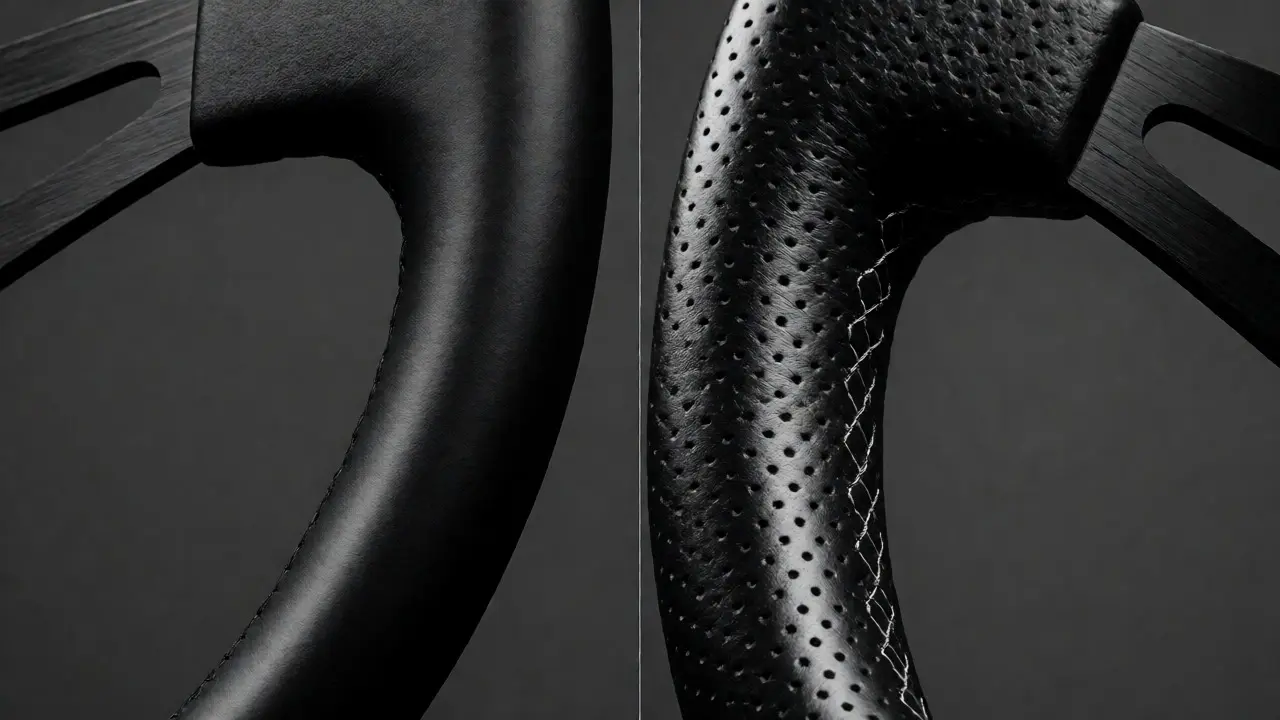
Once you’ve nailed the diameter, the next thing your hands notice is the surface. Factory wheels often use basic polyurethane foam or vinyl. They’re durable but slippery, especially if your palms sweat or if you’re wearing thin gloves. Aftermarket options offer a world of textures, but not all grips are created equal.
Suede or Alcantara provides excellent friction, even in wet conditions. It’s the go-to for performance enthusiasts because it holds firm during aggressive cornering. However, suede wears out faster than leather and requires maintenance to keep its nap clean. Leather offers a classic feel and ages well, developing a patina that many owners love. Perforated leather adds breathability, reducing hand sweat during long drives.
Consider the thickness of the rim, too. A slim rim might look sleek, but it forces you to maintain a tighter grip, leading to hand cramps on longer trips. A thicker, ergonomic rim supports the natural curve of your palm. Some high-end custom wheels feature flat-bottomed designs. These improve legroom and give a sporty visual cue, but they can feel disorienting if you’re used to a round wheel. Test drive any wheel with a non-standard shape before committing.
The Airbag Dilemma
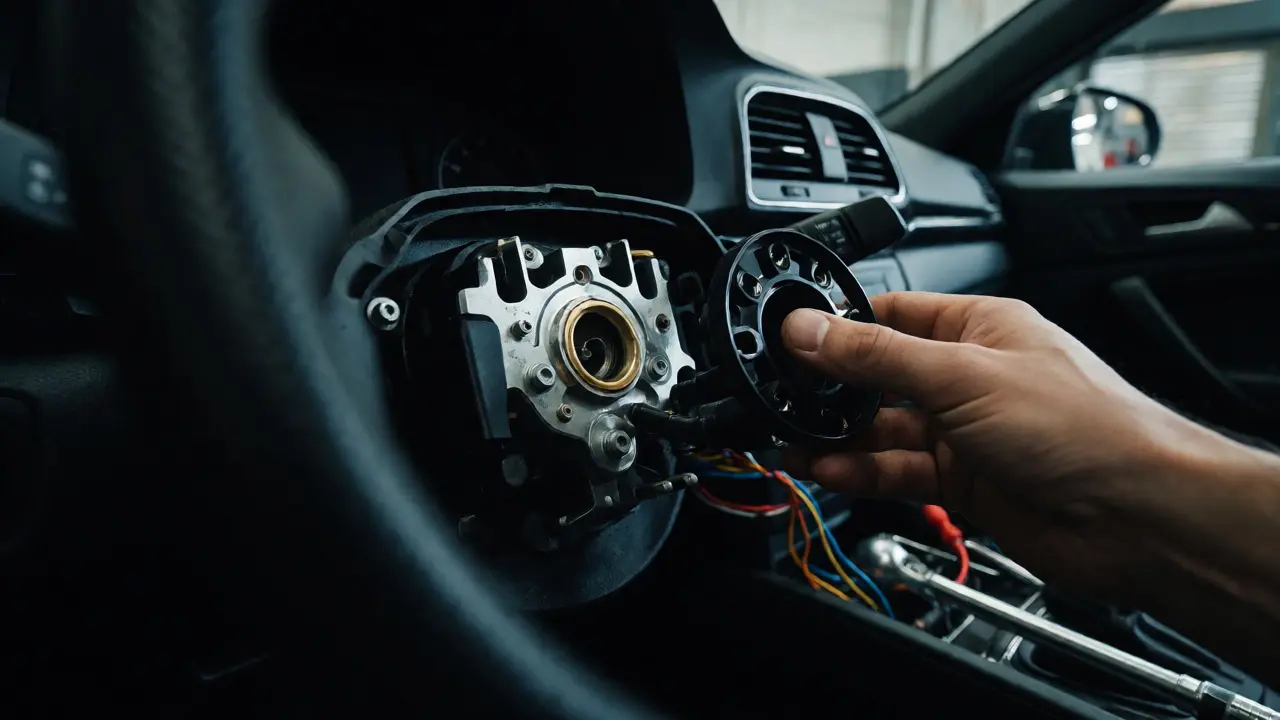
This is where things get tricky. Modern cars rely heavily on driver-side airbags for crash protection. When you replace the steering wheel, you’re dealing with the airbag module housed inside the center hub. Most aftermarket wheels don’t come with integrated airbags. This leaves you with three choices:
- Reuse the factory airbag: You transfer the original airbag module into the new wheel. This maintains your safety rating but limits your design options. The new wheel must have a compatible hub opening.
- Delete the airbag: You remove the airbag entirely. This saves money and allows for universal fitment, but you lose that layer of protection. Plus, your dashboard will likely throw a permanent airbag warning light, requiring a resistor pack to trick the system.
- Use a custom airbag kit: Some premium manufacturers sell wheels with pre-installed airbags. These are expensive and rare, but they offer the best of both worlds.
If you choose to delete the airbag, be aware of the legal implications. In some jurisdictions, operating a vehicle without functional safety equipment can affect insurance claims after an accident. Always check local regulations before removing safety features.
| Material | Grip Level | Durability | Maintenance | Best For |
|---|---|---|---|---|
| Alcantara/Suede | High | Moderate | Requires brushing | Track days, summer drives |
| Leather | Medium | High | Conditioning needed | Daily drivers, luxury builds |
| Vinyl/Urethane | Low-Medium | Very High | Wipe clean | Budget builds, work trucks |
| Carbon Fiber | Low (unless textured) | High | Easy | Aesthetic focus, dry climates |
Installation Pitfalls to Avoid
Installing a custom steering wheel isn’t always plug-and-play. Even if the bolt pattern matches, other components might interfere. Start by checking the wiring harness. Modern steering wheels house controls for audio, cruise control, and sometimes paddle shifters. If your new wheel doesn’t support these buttons, you’ll either lose functionality or need complex adapter kits. These adapters can fail over time, leading to intermittent glitches.
Horn placement is another common headache. On many cars, the horn button is part of the airbag assembly. If you delete the airbag, you might lose the horn. Some people install a secondary horn button on the spokes, but this changes the muscle memory you’ve built over years of driving. Make sure the horn is accessible and intuitive.
Don’t forget about clearance. A deep-dish wheel might rub against your knees or legs, especially if you sit low. Sit in the driver’s seat with the new wheel held in place before bolting it down. Check your range of motion. Can you turn the wheel fully without hitting your thighs? Can you reach the ignition and gear shifter comfortably?
Legal and Insurance Considerations
Modifying your steering wheel can impact your vehicle’s compliance with safety standards. While most regions don’t explicitly ban aftermarket wheels, they do require that the vehicle remains safe to operate. If an accident occurs and the police determine that your modified steering wheel contributed to the loss of control-or if the lack of an airbag worsened your injuries-your insurance company might scrutinize the claim.
Document your installation. Keep receipts for the wheel and any professional labor. If you hired a shop to install it, ask for a certification that the work meets manufacturer specifications. This paper trail can be invaluable if you ever need to prove that the modification was done correctly and didn’t compromise safety.
Making the Right Choice
Choosing a custom steering wheel is a balance between form and function. Prioritize ergonomics over aesthetics. Measure twice, buy once. And never underestimate the importance of the airbag. If you value safety above all else, stick with a wheel that accommodates the factory airbag. If you’re chasing a specific look, accept the trade-offs and compensate with better driving habits.
Your steering wheel is the one part of the car you touch every second you’re behind the wheel. It should feel like an extension of your body, not a distraction. Take the time to research, test different sizes, and understand the technical requirements. Your future self will thank you when you’re navigating a tight corner or a sudden hazard with confidence.
Can I install a custom steering wheel myself?
Yes, if you have basic mechanical skills. However, working with airbags requires caution. Disconnect the battery and wait at least 10-15 minutes to allow the capacitor in the airbag system to discharge. Improper handling can cause accidental deployment, which is dangerous and costly.
Will deleting the airbag void my warranty?
It depends on the warranty terms and local laws. Generally, modifications that affect safety systems can complicate warranty claims related to the steering column or electrical system. Dealerships may argue that the modification caused subsequent issues. Always consult your dealer before making irreversible changes.
What is the ideal steering wheel diameter for daily driving?
For most passenger cars, staying within 1 inch of the factory diameter (usually 14-15 inches) is ideal. This preserves the steering ratio and leverage designed by the engineers. Going significantly smaller increases steering effort, while going larger reduces precision.
Do custom steering wheels improve resale value?
Rarely. Most buyers prefer stock interiors. Unless you’re selling to a niche enthusiast who specifically wants that brand or style, a custom wheel is often seen as a personal preference rather than a value-add. Keep the original wheel so you can reinstall it before selling.
How do I fix the airbag warning light after installation?
If you deleted the airbag, you need an OBDII scanner capable of clearing SRS codes, or you must install a resistor pack to simulate the airbag circuit. Simply disconnecting the battery usually won't clear the code permanently. Professional shops can also recalibrate the system if necessary.