

Imagine you are sitting in a showroom, eyeing a shiny new SUV. You love the price, but then your phone buzzes. A quick search reveals three recent one-star reviews complaining about hidden fees and rude staff. Do you buy the car? Most people don't. In the automotive industry, trust is the currency that matters more than inventory.
For car dealerships in 2026, managing customer testimonials and handling online reviews is no longer just a nice-to-have marketing tactic. It is the backbone of your sales funnel. Buyers research everything before they ever step foot on your lot. If your digital reputation is messy, your doors might as well be locked. This guide breaks down how to turn reviews into revenue and protect your brand from bad actors.
The Power of Social Proof in Auto Sales
Why do we trust strangers on the internet more than the salesman shaking our hand? Psychology tells us it's about risk mitigation. Buying a vehicle is expensive and complex. Customers look for evidence that others have had a smooth experience. This is where social proof comes in.
A study by BrightLocal found that 87% of consumers read online reviews for local businesses in 2025. For high-ticket items like cars, this number jumps even higher. When a potential buyer sees a five-star rating with detailed comments about a transparent buying process, their anxiety drops. They feel safer walking through your door.
But here is the catch: generic praise doesn't cut it anymore. "Great service" is forgettable. "John helped me finance my truck in under an hour without any pressure" is powerful. Specificity builds credibility. Your goal is not just to collect stars; it is to capture stories that resonate with other buyers' fears and desires.
Do customer reviews actually impact car sales?
Yes, significantly. Research shows that a one-star increase in rating can lead to a 5-9% increase in revenue for small businesses. For dealerships, positive reviews directly correlate with higher foot traffic and conversion rates because they reduce buyer hesitation.
Where Reviews Live: The Digital Landscape
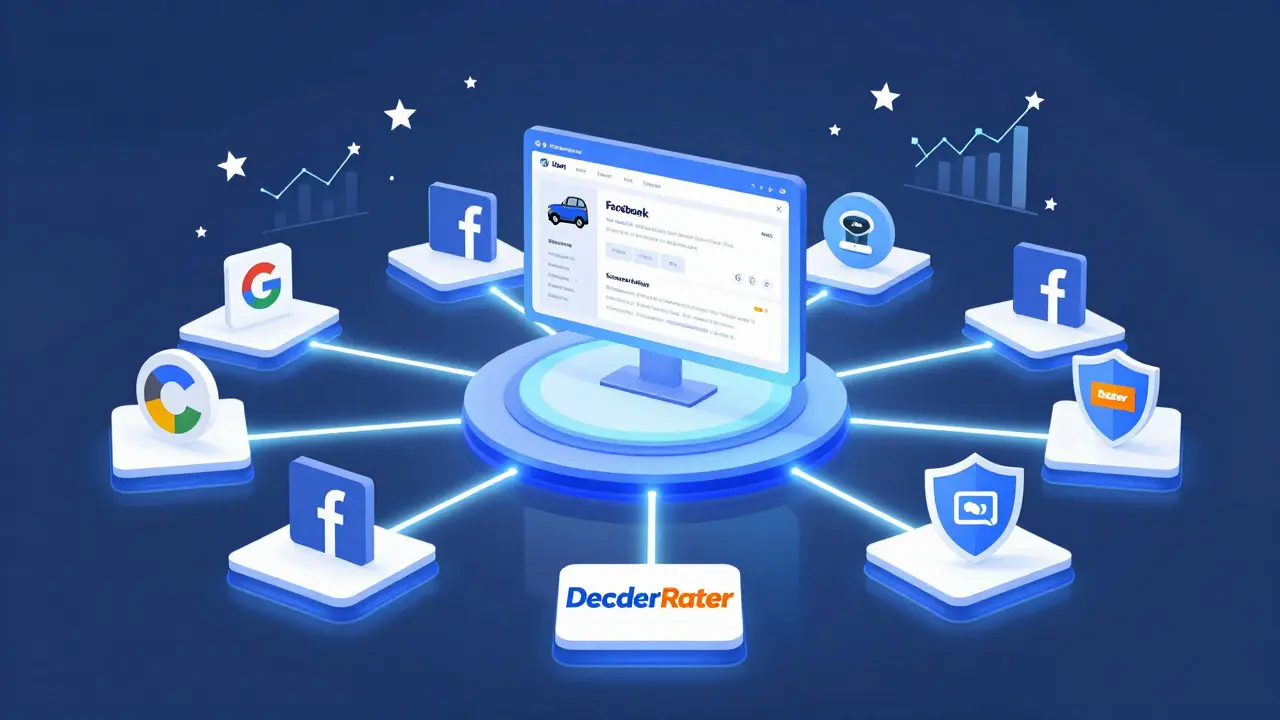
You need to know where your customers are looking. While Google Business Profile (formerly Google My Business) is the king of local SEO, it is not the only player. Different platforms serve different purposes in the car buying journey.
- Google Business Profile: The first place most people look. It affects your map pack ranking. Reviews here signal trust to both users and Google's algorithm.
- DealerRater and Cars.com: Industry-specific sites. Serious car shoppers often check these because they understand the nuances of dealership operations.
- Facebook and Instagram: Great for visual storytelling and community building. Reviews here are less formal but highly influential among younger demographics.
- Yelp: Still relevant for local discovery, though its impact varies by region.
Ignoring any major platform is a mistake. Each one acts as a touchpoint. A customer might find you on Facebook, verify your legitimacy on Google, and read detailed experiences on DealerRater. Your reputation must be consistent across all channels.
How to Ask for Reviews Without Being Annoying
The biggest hurdle for many dealerships is timing. Asking too early feels pushy. Asking too late means the moment has passed. The key is to integrate the request into the natural flow of the customer journey.
Start with the delivery process. The moment a customer drives off the lot in their new vehicle, they are usually excited. This is the peak of positive emotion. Send a personalized text or email within 24 hours. Keep it simple. "Hi [Name], hope you're enjoying the new ride! Could you share your experience with us? Here is a direct link."
Make it frictionless. Do not make them hunt for your profile. Use deep links that take them straight to the review box. If you use a CRM system, automate this workflow. Personalization adds value. Mentioning their specific model or salesperson shows you care about them as a person, not just a data point.
Also, train your staff. Salespeople and finance managers should verbally encourage reviews at the end of the transaction. A simple, "If you're happy with how we handled things, I'd really appreciate a quick review online," goes a long way.
Handling Negative Reviews: A Crisis Opportunity
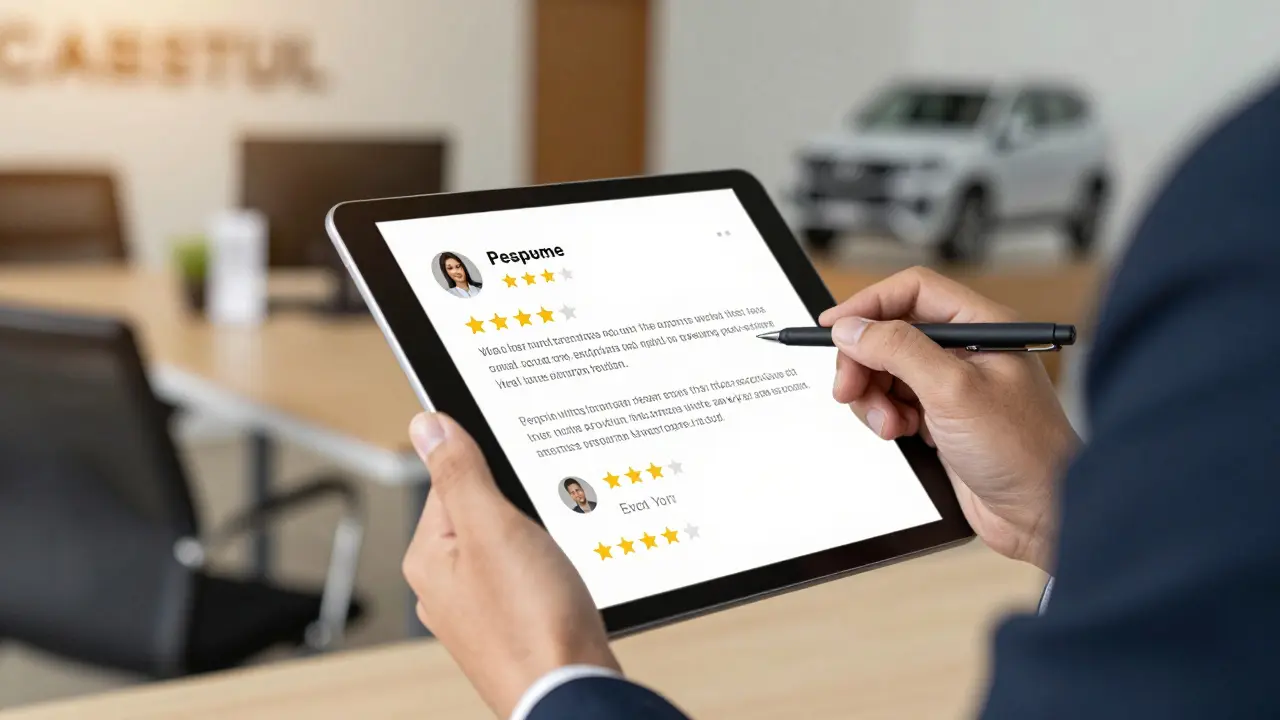
Let's address the elephant in the room: negative reviews happen. Even the best dealerships get criticized. How you respond matters more than the review itself. A poorly handled complaint can damage your reputation far more than the original issue.
First, never ignore a negative review. Silence looks like guilt or indifference. Respond promptly, ideally within 24 hours. Acknowledge the customer's frustration. Apologize sincerely, even if you think you did nothing wrong. Empathy disarms anger.
Take the conversation offline. Public responses should be brief and professional. "I'm sorry to hear about your experience, [Name]. We take this seriously. Please contact me directly at [phone/email] so we can resolve this." Then, follow up privately. Offer solutions. If you fix the problem, ask if they would consider updating their review. Many will.
Remember, future customers are reading your responses. They want to see that you stand behind your service and handle issues with grace. A thoughtful response to a one-star review can sometimes win over more prospects than ten five-star reviews.
| Review Type | Response Strategy | Tone |
|---|---|---|
| Positive | Thank them specifically, mention details | Grateful, enthusiastic |
| Negative | Apologize, acknowledge, move offline | Empathetic, professional |
| Fake/Malicious | Report to platform, state facts calmly | Firm, factual |
Leveraging Testimonials in Marketing Materials
Collecting reviews is only half the battle. You need to put them to work. Static star ratings on a website homepage are boring. Integrate testimonials into your active marketing campaigns.
Use real quotes in your email newsletters. Highlight a customer story in your monthly update. "Meet Sarah, who found her dream family van with our help." Include photos if possible. Visuals increase engagement. Share these stories on social media. Video testimonials are gold. A short clip of a happy customer talking about their purchase experience builds immense trust.
Create case studies for complex transactions. Did you help a first-time buyer navigate financing? Write a blog post about it. Link to the original review. This content helps with SEO and provides valuable information to similar customers. It shows expertise and empathy.
Display reviews on product pages. When someone is browsing a specific car model on your site, show reviews related to that model or the sales team that handles it. Contextual social proof reduces bounce rates and increases inquiries.
Tools and Technology for Review Management
Manual review management does not scale. As your dealership grows, you need technology to keep up. Several tools specialize in automotive reputation management.
Consider platforms like Podium, Birdeye, or ReviewTrackers. These tools aggregate reviews from multiple sources into one dashboard. They allow you to monitor mentions, respond quickly, and analyze sentiment trends. Integration with your CRM is crucial. It ensures that every customer interaction is tracked and that review requests are automated based on triggers.
Look for features like AI-driven sentiment analysis. This helps you identify emerging issues before they become crises. If several reviews mention "long wait times" in a week, you know there is a staffing problem. Data-driven insights help you improve operations, not just manage perception.
Budget for these tools. They pay for themselves by increasing conversion rates and reducing churn. A better reputation leads to lower advertising costs because organic trust does more heavy lifting.
Common Mistakes to Avoid
Even experienced marketers make errors in review management. Avoid these pitfalls to keep your strategy effective.
- Incentivizing Reviews: Offering discounts for positive reviews violates Google's policies and can get your listing suspended. Never do this. Encourage honest feedback, not paid praise.
- Copying Responses: Using template replies for every review feels robotic. Customize each response. Show you read the comment.
- Ignoring Neutral Reviews: Three-star reviews are opportunities. Ask what could have been better. Improving average satisfaction prevents future negatives.
- Focusing Only on Quantity: One hundred generic five-star reviews are less valuable than fifty detailed, authentic ones. Quality outweighs quantity.
Stay compliant with local regulations. In some regions, soliciting reviews has legal guidelines. Consult with legal counsel if unsure. Transparency builds long-term trust.
Measuring Success: Key Metrics
How do you know if your review management strategy is working? Track specific metrics. Vanity metrics like total review count are less important than actionable data.
- Average Rating Trend: Is your overall score improving month over month?
- Response Rate: What percentage of reviews do you reply to? Aim for 100%.
- Response Time: How quickly do you engage? Under 24 hours is ideal.
- Review Volume Growth: Are you getting more reviews as you sell more cars?
- Sentiment Analysis: What keywords appear most often? Positive terms like "easy," "fair," "helpful" indicate success.
Correlate review performance with sales data. Do months with higher review volumes correspond with increased foot traffic? Use this data to refine your approach. Continuous improvement is the only way to stay ahead in a competitive market.
Can I remove a fake negative review?
You cannot directly delete reviews, but you can flag them for removal if they violate platform guidelines (e.g., hate speech, conflict of interest). Provide evidence to support your claim. Platforms like Google and Yelp have moderation teams that evaluate these reports.
How often should I post testimonials?
Aim for consistency rather than frequency. Posting one high-quality testimonial per week on social media and featuring two in your monthly newsletter is sufficient. Quality and relevance matter more than volume.
Is it better to have many reviews or few?
Both matter. A high volume signals activity and popularity, while a high average rating signals quality. Ideally, aim for a steady stream of reviews that maintains a 4.5+ star average. Consistency builds trust over time.