
Last year, 40% of car dealerships faced data breaches, costing an average of $250k each. Customer data like Social Security numbers, financial records, and contact details are prime targets for hackers. Without proper security and compliance measures, dealerships risk fines, lawsuits, and lost trust. This guide covers actionable steps to protect your dealership data security and stay compliant with current regulations.
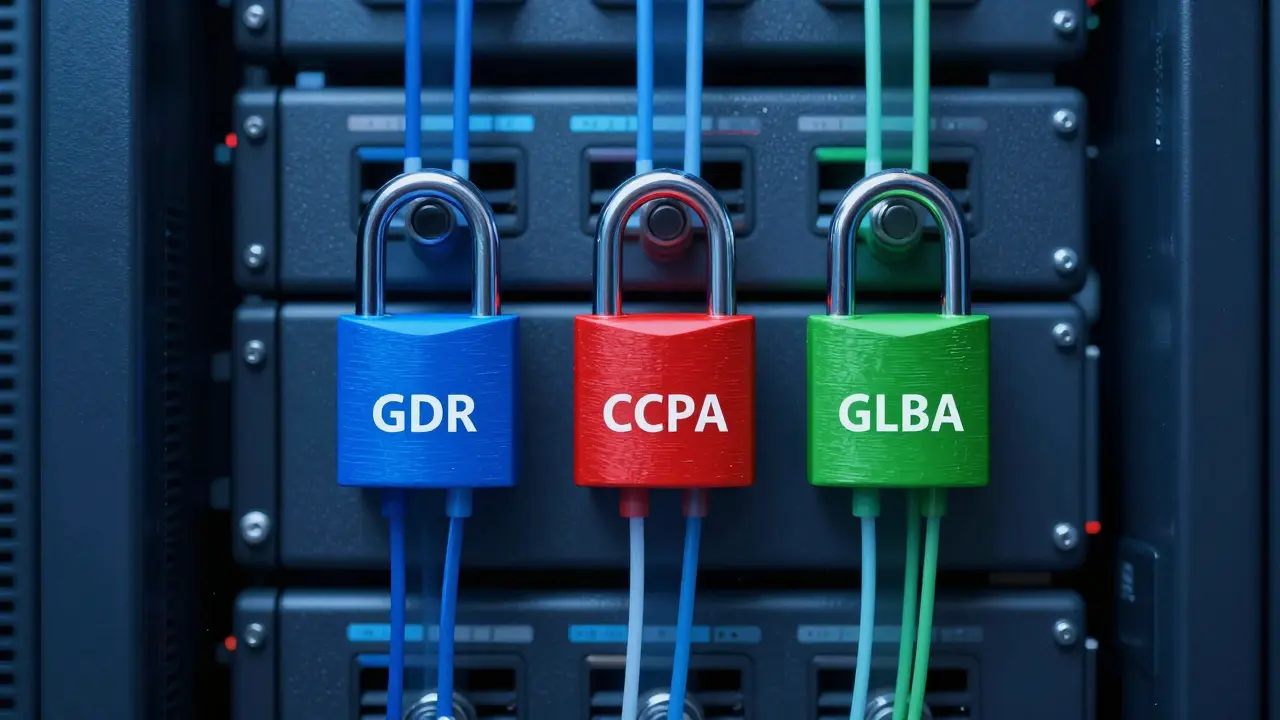
Key Regulations Every Dealership Must Follow
Dealerships handle sensitive customer information, making compliance with data protection laws critical. Here are the major regulations you need to know:
GDPR is a regulation in the European Union that governs data privacy and protection. For dealerships, it applies when handling data from EU residents, requiring explicit consent for data collection, the right to access or delete personal information, and breach notifications within 72 hours. A dealership in New York recently paid $180k in fines after failing to secure EU customer data properly.
CCPA gives California residents rights over their personal data. Dealerships must allow customers to delete their information, opt out of data sales, and provide transparency about data usage. A Los Angeles dealership was fined $250k for ignoring a customer's data deletion request under CCPA.
GLBA requires financial institutions, including dealerships handling loan applications, to protect customer financial data. This includes securing Social Security numbers and credit histories. A Texas dealership lost $120k in legal fees after a data leak exposed customer loan details.
Top Security Best Practices to Implement Now
Security isn't just about software-it's a process. Start with these foundational steps:
- Encryption is essential for protecting data at rest and in transit. Use AES-256 encryption for customer records stored on servers and during transmission. For example, encrypting your CRM database ensures that even if a hacker steals the server, the data remains unreadable.
- Access controls limit employee access to only necessary data. Implement role-based permissions so sales staff can't view financial records and finance staff can't access customer contact lists. One dealership reduced internal breaches by 60% after tightening access controls.
- Cybersecurity training should happen monthly. Conduct phishing simulations and teach staff to spot suspicious emails. A Michigan dealership saw a 75% drop in phishing click rates after regular training.
Common Mistakes That Lead to Data Breaches
Many dealerships unknowingly create security gaps. Avoid these pitfalls:
Using outdated software is a major risk. A Texas dealership had a breach when unpatched Windows servers were exploited. Always apply security updates within 48 hours. Another common mistake is skipping vendor security checks. A Florida dealership's breach originated from a third-party service provider with weak security, costing $200k in recovery. Also, sharing passwords or using simple ones like "dealer123" is a recipe for disaster. Enforce strong password policies and multi-factor authentication for all accounts.
Third-party vendors are a frequent weak link. Always audit their security practices before allowing access to your data. Include security requirements in contracts and monitor their compliance regularly.
Tools and Technologies for Compliance
Modern tools can simplify compliance efforts. CRM systems like CDK Global or Reynolds and Reynolds include built-in encryption, access logs, and audit trails. These systems automatically track who accesses customer data and when, making it easier to meet regulatory requirements. For smaller dealerships, cloud-based solutions like Salesforce Automotive Cloud offer scalable security features without heavy IT costs. Always choose tools that provide real-time monitoring and automated compliance reports.

What to Do After a Data Breach
Even with precautions, breaches can happen. Have a clear response plan:
- Isolate affected systems immediately to stop further damage.
- Notify law enforcement and relevant authorities within 72 hours as required by GDPR and CCPA.
- Inform affected customers transparently, explaining what happened and what you're doing to fix it.
- Conduct a thorough investigation to identify the cause and prevent recurrence.
Data breach response plans are critical for minimizing damage. A well-prepared dealership can contain a breach within hours, reducing costs by up to 50%. Regularly test your response plan with simulated scenarios.
Frequently Asked Questions
What's the most common data breach at car dealerships?
Phishing attacks are the top cause, accounting for over 60% of breaches. For example, a dealership employee clicked a malicious link in an email, giving hackers access to customer records. Regular training and simulated phishing tests can reduce this risk significantly.
How often should dealerships conduct security audits?
Conduct full security audits at least once a year. For high-risk areas like financial data, do quarterly reviews. A Colorado dealership found critical vulnerabilities in their CRM during a routine audit, preventing a potential $500k breach.
Do I need to encrypt all customer data?
Yes, encryption is mandatory for sensitive data under GDPR, CCPA, and GLBA. This includes Social Security numbers, financial records, and contact information. Use AES-256 encryption for data at rest and TLS 1.3 for data in transit. Unencrypted data is a major compliance violation.
What are the penalties for non-compliance?
Penalties vary by regulation. GDPR fines can reach 4% of global revenue, while CCPA violations cost $2,500 per incident. GLBA non-compliance may lead to legal action and loss of lending licenses. A Florida dealership paid $300k in fines after failing to protect customer financial data.
How do I handle customer data deletion requests?
Under CCPA and GDPR, customers have the right to request data deletion. Your CRM system should have a one-click deletion feature for all customer records. Ensure backups are also purged. A California dealership automated this process, reducing response time from weeks to hours and avoiding compliance fines.
Comments
Kendall Storey
Alright team, let's cut through the fluff. Encryption isn't optional-it's mandatory. AES-256 for data at rest, TLS 1.3 for transit. Without it, you're leaving customer data exposed. GDPR and CCPA fines can wipe out profits. We've seen $250k per breach. Plus, trust is lost. Start encrypting your CRM. Audit access controls. Implement role-based permissions. Train staff monthly on phishing. Don't wait-act now.
February 6, 2026 at 09:34
Robert Byrne
Okay, first off, you're right about encryption, but you missed GLBA requirements for financial data. Dealerships handling loans must secure SSNs and credit histories. A Texas dealership lost $120k in legal fees. And your grammar is off-'you're' needs an apostrophe. Fix your facts before giving advice.
February 7, 2026 at 17:07
Tia Muzdalifah
Hey, great points! I work with international clients and GDPR is super important for EU data. But also, in some cultures, people are more comfortable sharing data if they know its secure. Maybe add a section on how to explain encryption to customers? Like, 'your data is locked with military-grade encryption'-that makes people feel safe. Anyway, good stuff!
February 8, 2026 at 03:52
Zoe Hill
Great advice! I've seen how encryption and access controls really work. But don't forget training-phishing is the biggest threat. A Michigan dealership cut phishing clicks by 75% with regular training. Keep up the good work! 😊
February 9, 2026 at 07:19
Albert Navat
Encryption is great, but you're missing the bigger picture. Zero Trust Architecture is the future. Every access request must be verified. No more 'trust but verify'-it's 'verify every time'. Plus, you need to monitor user behavior analytics. If someone logs in from a new location, flag it immediately. This is how you stop insider threats. Stop thinking in silos and go full Zero Trust. #cybersecurity
February 10, 2026 at 07:59
King Medoo
Let me tell you something, folks. Data security isn't just about technology-it's about ethics. Every dealership has a moral obligation to protect customer data. Imagine if your own personal information was leaked-wouldn't you want it secured? 😔 GDPR and CCPA exist for a reason. Fines aren't just numbers; they're lessons. A dealership in Florida lost $300k because they ignored compliance. 🚨 But here's the thing: it's not about avoiding fines-it's about doing what's right. Treat customer data like your own. Encrypt everything. Audit access controls. Train staff. Have a breach response plan. 🛡️ This isn't optional. It's the right thing to do. Period. 🙏 Also, third-party vendors are a huge risk. They're often the weakest link. Always check their security protocols. Don't just trust them-verify. 🔒
February 10, 2026 at 08:37
Rae Blackburn
THEY'RE WATCHING YOU EVERYTHING IS BEING TRACKED YOUR CRM IS A BACKDOOR FOR GOVERNMENT AGENTS THEY'RE SELLING YOUR DATA TO THE ILLUMINATI NO ONE TRUSTS ANYTHING
February 12, 2026 at 02:05
LeVar Trotter
Hey all, great discussion here. Let's break it down. Encryption is step one, but access controls are equally crucial. Role-based permissions ensure staff only see what they need. For example, sales can't access financial records, finance can't see contact lists. This minimizes insider threats. Also, third-party vendor audits are a must. Always check their security practices. And don't forget training-phishing simulations reduce click rates by 75%. Stay proactive, stay secure. 💪
February 12, 2026 at 17:45
Tyler Durden
Encryption is key! But access controls-don't forget them. Training? Yes! Phishing simulations work. Third-party vendors-check them. Backup-test them. Response plan-have it. All these steps-critical. But wait-what about encryption standards? AES-256, yes! TLS 1.3, yes! But-why not mention GLBA? It's important. Financial data must be secured. Example-Texas dealership lost $120k. So-let's do this right. Every detail matters. Yes!
February 13, 2026 at 10:22
Aafreen Khan
lol this is so basic. Everyone knows encryption is needed. But they're ignoring the real issue-third-party vendors. Like, duh! Your CRM is useless if the vendor is insecure. And GDPR? It's a joke. Fines are tiny compared to the real problem. Plus, why not just use blockchain? It's the future. Anyway, just saying. 😂
February 15, 2026 at 06:10
Pamela Watson
Encrypt everything. Now. 🔒
February 17, 2026 at 03:40
michael T
Oh my god, this is a disaster waiting to happen. The way dealerships handle data is absolutely reckless. Every single day, people's lives are being ruined because of careless security practices. It's like they don't care about their customers at all. I've seen the aftermath-families losing everything. This isn't just business; it's human lives. We need to do better. Now.
February 18, 2026 at 09:20
Christina Kooiman
Okay, so let me explain this step by step because I think a lot of people are missing the point here. Data security isn't just about having fancy software-it's about every single detail being handled correctly. First off, encryption is absolutely essential. Without AES-256 encryption for data at rest and TLS 1.3 for data in transit, you're basically leaving your customer's information wide open. Think about it: if your CRM system isn't encrypted, a hacker could steal the entire database and sell all that personal data on the dark web. Then there's access controls. You need to make sure that only the right people can access the right information. Salespeople shouldn't be able to see financial records, and finance staff shouldn't be able to see personal contact info. That way, even if someone gets hacked, they can't get everything. And don't forget about training. Employees need to know how to spot phishing emails. A lot of breaches start with someone clicking a bad link. Regular training sessions can cut down on those mistakes. Also, third-party vendors can be a huge risk. If you're using a service provider that doesn't have strong security, they could be the weak link. Always check their security protocols before letting them access your data. And what about backups? You need to have secure backups in case of a ransomware attack. But backups alone aren't enough-you have to test them regularly to make sure they work. Plus, you need a clear response plan for when a breach happens. Isolate the affected systems immediately, notify authorities within 72 hours, and tell customers what happened. Don't try to hide it-transparency is key. And don't forget about password policies. Simple passwords like 'dealer123' are a disaster waiting to happen. Enforce strong passwords and multi-factor authentication everywhere. All these steps together create a solid defense. It's not just about one thing; it's about doing everything right. Take it from someone who's seen the damage of poor security: this is serious business. Your customers' trust is on the line, and so is your dealership's future. Don't wait until it's too late. Start securing your data today.
February 20, 2026 at 07:54
Stephanie Serblowski
Wow, this guide is actually pretty solid! 🌟 But let's be real-compliance is boring, right? But hey, it's the price of doing business. Encrypt everything, train staff, audit vendors. It's not rocket science. Just do it. And don't forget, GDPR is for EU data, CCPA for California. GLBA for financial stuff. Simple! 😎
February 20, 2026 at 22:17
Renea Maxima
Is data security really about protecting data? Or is it about control? Who decides what's 'sensitive'? The regulations are just tools for the powerful. Maybe we should question why we're collecting so much data in the first place. 🤔
February 22, 2026 at 03:14