
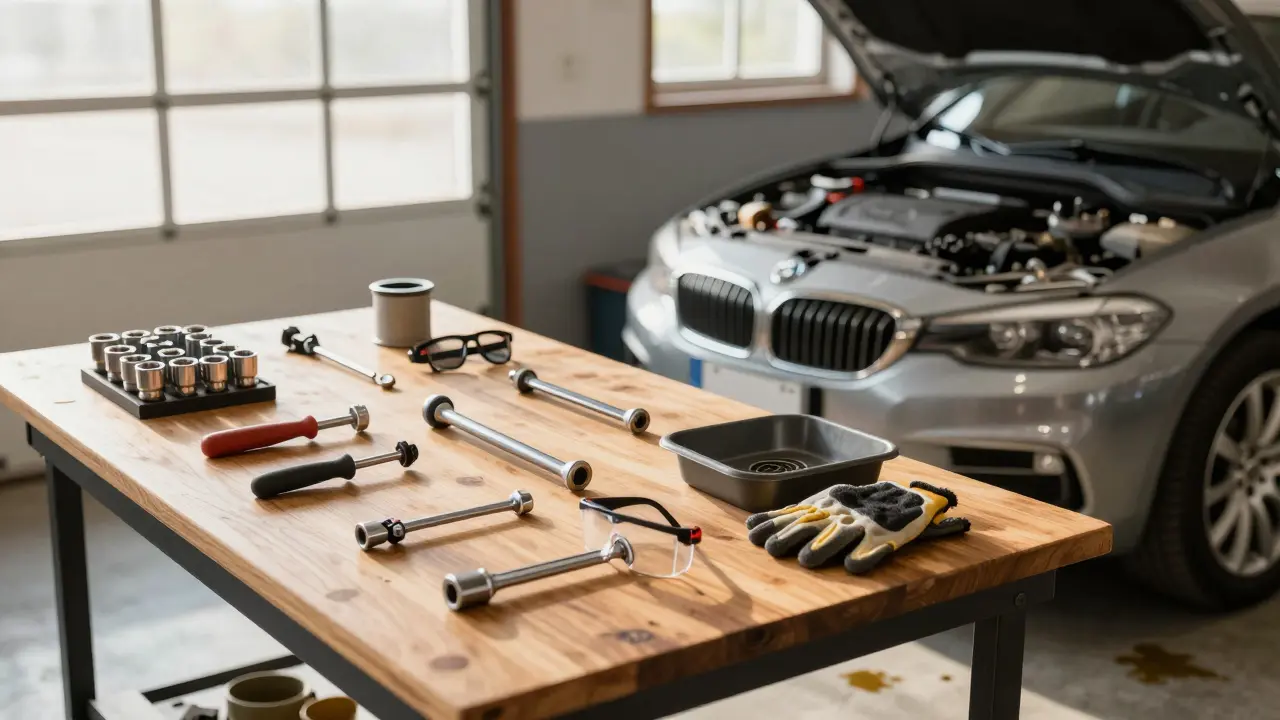
Most people think car maintenance means taking the keys to a garage and handing over a stack of cash. But the truth? You don’t need a degree in mechanical engineering to keep your car running smoothly. With the right tools and a little know-how, you can handle half the stuff that costs hundreds at a shop - right in your driveway or garage. This isn’t about becoming a professional mechanic. It’s about saving money, knowing your car, and not getting blindsided by breakdowns.
Why DIY Car Maintenance Makes Sense
According to the AA, the average UK driver spends over £800 a year on car repairs and servicing. A lot of that is for simple tasks that you can do yourself: changing oil, replacing brake pads, swapping air filters, or checking fluid levels. These aren’t complex jobs. They’re routine. And they don’t require fancy equipment.
Think about it: if you can change a lightbulb in your house, you can change an oil filter. If you can tighten a screw on a shelf, you can torque a wheel nut. The barrier isn’t skill - it’s having the right tools and knowing where to start.
DIY maintenance also gives you control. You know exactly what was done, what parts were used, and when it was done. No more guessing if that £300 service was really needed. You’re not just fixing your car - you’re learning it.
Must-Have Tools for Every Home Workshop
You don’t need a full garage full of gear. Start with these eight essentials. These tools cover 80% of common maintenance tasks on most modern cars, including popular UK models like the Ford Focus, Vauxhall Astra, and Toyota Corolla.
- Socket set (1/4" and 1/2" drive) - You’ll use this for everything from oil changes to spark plug replacements. A 10-piece metric socket set with a ratchet and extension bars is enough to start. Make sure it includes deep sockets for oil filters.
- Torque wrench - This isn’t optional if you’re tightening wheels or cylinder head bolts. Over-tightening can strip threads. Under-tightening can lead to dangerous failures. A 1/2" drive torque wrench with a range of 20-150 Nm covers most needs. Brands like GearWrench and Tekton offer reliable ones under £60.
- Jack and jack stands - Never rely on just a jack. Always use jack stands when working under a car. A 2-ton hydraulic jack and two matching jack stands cost around £80. Look for ones with safety locks and wide bases. Brands like Torin or Powerbuilt are common in UK garages.
- Oil filter wrench - Some filters are too tight to turn by hand. A strap-style or cap-style wrench makes removal easy. Keep one that fits common sizes like 62mm or 70mm.
- Funnel and oil catch pan - A 1-litre plastic funnel with a long spout prevents spills. Pair it with a 5-litre drain pan. You’ll use these every time you change oil. Skip the cheap plastic ones - they crack. Look for reinforced polypropylene.
- Wheel lug nut socket - Most cars use 17mm, 19mm, or 21mm lug nuts. Get a socket that matches your car’s size. Some cars need a thin-wall socket for alloy wheels. Check your manual.
- Flashlight or headlamp - You’ll be working in dark corners. A rechargeable headlamp with 300+ lumens frees up your hands. The Fenix HM50R is a popular choice for its brightness and battery life.
- Basic hand tools: pliers, screwdrivers, and a hammer - A set of flathead and Phillips screwdrivers, needle-nose pliers, and a 16oz ball-peen hammer handle everything from battery terminal cleaning to clip removal.
That’s it. That’s your starter kit. You can buy this entire set for under £250. Most of it lasts a decade or more with basic care.
Tools That Save You Time (But Aren’t Strictly Essential)
Once you’ve done a few jobs, you’ll notice what slows you down. Here are the next tools worth adding - not because you need them, but because they make your life easier.
- Breaker bar - If your lug nuts are stuck (common on older cars), a 1/2" breaker bar gives you more leverage than a ratchet. Get one with a 12-inch bar and a 1/2" drive. Costs about £25.
- Compression tester - If your engine is misfiring or losing power, a compression test tells you if it’s a head gasket, piston, or valve issue. A basic kit costs £40 and takes 15 minutes to use.
- Diagnostic OBD2 scanner - Modern cars throw error codes when something’s wrong. A simple Bluetooth OBD2 scanner (like the BlueDriver or Launch CRP123) connects to your phone and reads codes for free. It’s cheaper than a garage diagnostic fee - and you get the same info.
- Brake bleeder kit - Changing brake fluid is messy without one. A vacuum bleeder kit (like the MityVac) lets you pull fluid out without a second person. Saves hours and avoids air bubbles.
These tools aren’t for beginners. But if you’re doing maintenance more than twice a year, they pay for themselves.

What You Don’t Need
There’s a lot of gear sold as “essential” that’s just noise. Don’t waste money on these:
- Impact wrench - You don’t need one unless you’re changing tyres every week. A breaker bar and torque wrench are enough.
- Engine hoist - You’re not rebuilding a V8 in your living room. Leave engine swaps to the pros.
- Paint sprayer - Touch-up paint and a small brush work fine for scratches. A sprayer is overkill and messy.
- Hydraulic press - You won’t be pressing bearings or bushings at home. Buy replacement parts instead.
Focus on tools that solve real problems, not ones that look cool in a garage photo.
Where to Buy and What to Avoid
There are three places to get tools in the UK: auto parts stores, online retailers, and secondhand markets.
Auto parts stores like Halfords or Euro Car Parts have decent quality tools. They’re expensive, but you can return them if they break. Good for beginners who want warranty support.
Online retailers like Amazon, Toolstation, or Screwfix offer better prices. Look for brands like GearWrench, Tekton, or Stanley. Avoid no-name brands with no reviews. A £15 socket set from an unknown brand will bend or strip the first time you use it.
Secondhand tools from eBay or local Facebook groups can be a goldmine. Many mechanics sell old tools in good condition. Just check for damage: cracked handles, rounded sockets, or worn threads. Clean them with degreaser and oil before use.
Avoid cheap tools from discount stores. They’re dangerous. A broken jack or a stripped bolt can cost you more than a good tool ever will.
Basic Maintenance Tasks You Can Do Yourself
Here’s what you can realistically do with the tools listed above:
- Change engine oil and filter - Every 10,000 miles or once a year. Takes 30 minutes.
- Replace air filter - Every 15,000 miles. Pop the hood, remove the old one, snap in the new one. Done.
- Check and top up fluids - Brake fluid, coolant, power steering, and windshield washer. Do this monthly.
- Replace brake pads - If you hear squealing, it’s time. With a jack, torque wrench, and C-clamp, you can do it in 90 minutes.
- Swap spark plugs - Every 30,000-60,000 miles. Use a socket with a rubber insert to avoid dropping them.
- Change cabin air filter - Often overlooked. Found behind the glovebox. Takes 10 minutes.
- Rotate tyres - Every 10,000 miles. Use the jack and torque wrench. Helps tyres last longer.
YouTube has great step-by-step videos for your exact car model. Search “2020 Ford Focus oil change” and you’ll find a video made by someone with the same car as you.
Stay Safe - Always
Car maintenance isn’t dangerous if you follow basic rules:
- Always use jack stands. Never trust a jack alone.
- Wear safety glasses. Metal shavings and fluid splashes happen.
- Let the engine cool before changing oil. Hot oil burns.
- Disconnect the battery before working on electrical parts.
- Use gloves. Oil and grease are hard to wash off.
- Keep a fire extinguisher nearby. Even if you don’t think you need one.
One mistake can cost you more than a lifetime of tools. Take your time. Read your manual. Don’t rush.
Build Your Kit Over Time
You don’t need to buy everything at once. Start with the eight essentials. Do one job - say, an oil change. Then buy the next tool you needed during that job. Maybe you struggled with the oil filter? Get the wrench. Found it hard to turn the lug nuts? Get the breaker bar.
Each tool you add makes the next job easier. You’ll start noticing small things: a slow leak, a weird noise, a flickering light. You’ll know what to check. You’ll feel more in control.
And that’s the real win. Not saving £50 on an oil change. It’s knowing your car. Knowing you can fix it. Knowing you’re not at the mercy of someone else’s schedule or quote.
What are the most important DIY car maintenance tools for beginners?
Start with a socket set (1/4" and 1/2" drive), torque wrench, jack and jack stands, oil filter wrench, funnel, oil drain pan, lug nut socket, and a basic set of screwdrivers and pliers. These cover oil changes, tyre rotations, brake pad replacements, and fluid checks - the most common tasks.
Can I use regular tools instead of automotive-specific ones?
Sometimes, but not always. Standard sockets can strip metric fasteners. Regular wrenches won’t fit in tight spaces. Automotive tools are designed for car-specific shapes and torque limits. A torque wrench, for example, is non-negotiable for wheel nuts. Don’t risk damage by using the wrong tool.
How often should I replace my car maintenance tools?
Quality tools last 10-20 years if maintained. Clean them after use, store them dry, and oil moving parts. Replace only if they’re damaged - bent sockets, cracked handles, or worn ratchets. Cheap tools fail fast; good ones outlast your car.
Is a diagnostic scanner worth buying for a DIYer?
Yes, if you drive a car made after 1996. A basic OBD2 scanner costs under £50 and tells you why your check engine light is on. It saves you from guessing and from paying £80 for a diagnostic fee at a garage. You’ll know if it’s a loose gas cap or something serious.
What should I do if I can’t get a bolt loose?
Don’t force it. Spray penetrating oil (like WD-40 Specialist or PB Blaster) on the bolt and let it sit for 15-30 minutes. Tap the bolt gently with a hammer to break rust. Then use a breaker bar for extra leverage. If it still won’t budge, heat it with a heat gun or propane torch - but only if you’ve removed nearby plastic or fuel lines.
Next Steps: Start Small, Stay Consistent
Don’t try to overhaul your entire maintenance routine in one weekend. Pick one task - oil change, air filter, or tyre rotation - and do it right. Then do it again next time. You’ll build confidence. You’ll learn your car’s rhythm. And you’ll save hundreds a year.
The goal isn’t to become a mechanic. It’s to become the kind of person who doesn’t panic when something goes wrong. You’ll know what’s normal. You’ll spot problems early. You’ll fix them before they cost you more.
That’s the real value of DIY car maintenance. Not the tools. Not the money saved. It’s the peace of mind.
Comments
Anand Pandit
Just did my first oil change last weekend with a $40 socket set from Amazon. Didn't spill a drop thanks to the funnel and drain pan. Feels amazing to know I saved £60 and didn't have to wait for a garage slot.
Also learned to check my brake fluid monthly - never knew it was that easy.
December 17, 2025 at 08:59
Reshma Jose
I started with just a jack and torque wrench and now I'm changing my own spark plugs. You don't need to be a genius - just patient and willing to watch a 10-minute YouTube video.
My 2018 Corolla runs smoother than ever. And no, I didn't break anything. Yet.
December 18, 2025 at 13:36
rahul shrimali
Buy the torque wrench first. Seriously. Skip everything else. I stripped a bolt once because I didn't and now I have to replace the whole hub. Don't be me.
Also jack stands not jack. Always. Always. Always.
December 20, 2025 at 07:22
Eka Prabha
This post is dangerously misleading. You're encouraging laypeople to handle hydraulic systems without proper training. Brake fluid contamination can cause catastrophic failure. OBD2 scanners often misinterpret codes. And jack stands? Most are Chinese-made and fail under 1.5 tons.
Let professionals handle what you don't understand. Your life isn't worth £50 in saved labor.
Also, why are you promoting Amazon? Who funds this? The automotive-industrial complex?
December 20, 2025 at 16:29
pk Pk
You don't need to be rich to own good tools. I bought my entire starter kit secondhand from a mechanic on Facebook for £120. Cleaned it all with degreaser, oiled the ratchets, and now it's better than new.
Start small. Do one thing. Then do it again. You'll be shocked how fast you learn.
And yes - your car will thank you.
December 22, 2025 at 07:35
NIKHIL TRIPATHI
For real though - the OBD2 scanner is the real MVP. Mine cost me £35 on eBay. Connected it to my phone, found out my check engine light was because the gas cap was loose. I tightened it. Light went off in two drives.
£80 diagnostic fee? Gone.
Also, don't buy the cheapest brake bleeder. The cheap ones leak and make a mess. Get the MityVac. Worth every penny.
December 22, 2025 at 21:48
Shivani Vaidya
The psychological benefits of self-reliance in automotive maintenance are profound. One observes a shift in agency - from passive consumer to active steward of mechanical systems.
Moreover, the ritualistic nature of routine servicing fosters a contemplative relationship with the machine, transforming utility into symbiosis.
One must, however, remain vigilant regarding the ethical procurement of tools and the environmental impact of fluid disposal.
December 24, 2025 at 10:06
Rubina Jadhav
I was scared to try anything. Then I changed my air filter. Took five minutes. Car ran better. Now I do it every time I fill up.
It's not hard. Just don't rush.
December 24, 2025 at 15:22
sumraa hussain
OMG I just did my first brake pad swap and I thought I was gonna die 😭
But I did it. With the C-clamp. And the torque wrench. And the jack stands. And I didn't cry. Much.
Now I feel like a car wizard. Like a mechanic from a movie. Except I'm in my pajamas. And my garage smells like burnt brake dust.
Also my dog is impressed. He sat there the whole time. Like a tiny furry mechanic assistant. 🐶🔧
December 25, 2025 at 11:52
Raji viji
LMAO this post is so basic it hurts. You think torque wrenches are the pinnacle of DIY? Bro I changed my clutch in a parking lot with a crescent wrench and duct tape. You need to level up.
Also OBD2 scanners are for peasants. Real men use a multimeter and a gut feeling.
And jack stands? Please. I use a wooden block and a prayer. Works every time. Mostly.
Also your 'must-have' list is sponsored by GearWrench. I know their ads. I see them on Instagram. I'm not fooled.
December 27, 2025 at 01:31
Rajashree Iyer
Every tool we buy is a silent prayer to the gods of motion - a covenant between man and machine.
When we torque a bolt, we are not just securing a wheel - we are aligning the chaos of friction with the order of intention.
The jack stand is not metal - it is a metaphor for humility. For the knowledge that we are not above the laws of gravity, only its temporary negotiator.
And the OBD2 scanner? It is the modern oracle - whispering secrets of the car's soul through blinking lights and error codes.
Do not rush this. Do not treat it as labor. Treat it as ritual. As meditation. As love.
Because in the end, the car is not a machine.
It is a companion that carries us through the storm.
And we owe it more than a cheap socket set.
We owe it our attention.
December 28, 2025 at 15:43