
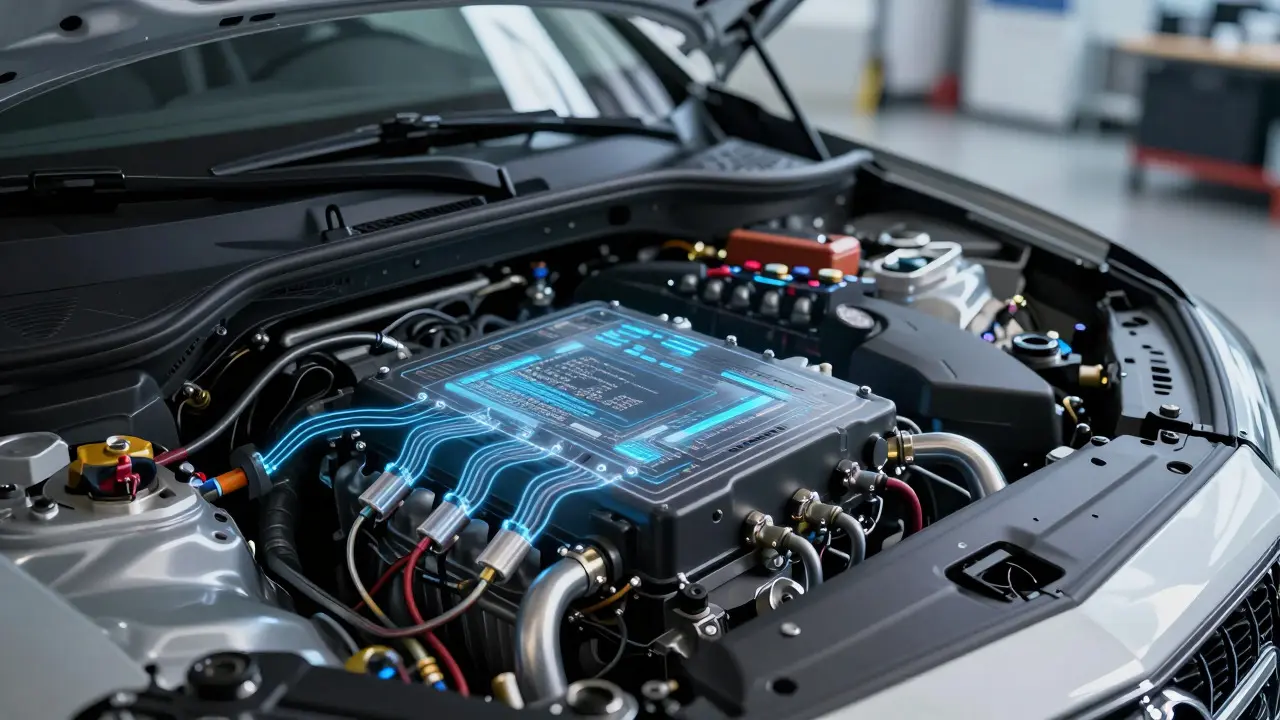
Ever wondered why two identical cars can feel so different to drive? One might pull away from traffic lights with effortless power, while the other feels sluggish and hesitant. The secret often lies not in the hardware, but in the software controlling it. This is where ECU remapping, also known as chip tuning or engine management tuning, comes into play. It’s one of the most cost-effective ways to unlock hidden potential in your vehicle without wrenching on a single bolt.
But before you rush to a tuner, you need to know what actually happens under the hood-or rather, inside the computer. Is it just marketing hype, or does it deliver real-world results? Let’s break down exactly how ECU remapping works, what kind of performance gains you can realistically expect, and whether it’s right for your daily driver.
What Is an ECU and Why Does It Matter?
To understand remapping, you first need to understand the brain of your car: the Engine Control Unit (ECU). Think of the ECU as the conductor of an orchestra. It receives data from dozens of sensors-measuring air temperature, throttle position, engine speed, and exhaust oxygen levels-and then decides how much fuel to inject and when to spark the plugs.
When manufacturers build cars, they program the ECU with conservative maps. Why? Because that same engine model might be sold in freezing Norway, humid Thailand, and high-altitude Denver. The factory settings are designed to work perfectly everywhere, comply with strict emissions laws, and ensure reliability over hundreds of thousands of miles. This means your engine is likely running far below its maximum potential capability right out of the showroom.
Remapping involves rewriting this software. A tuner reads the original file, analyzes the data points, and creates a new map that optimizes parameters like fuel delivery, ignition timing, and turbo boost pressure (if applicable). The goal isn’t to break the engine, but to push it closer to its physical limits safely.
How Much Power Can You Actually Gain?
This is the question everyone asks. The answer depends heavily on your engine type. There is no magic number, but there are realistic expectations based on technology.
| Engine Type | Horsepower Gain | Torque Gain | Primary Mechanism |
|---|---|---|---|
| Naturally Aspirated Petrol | 5-10% | 5-10% | Ignition timing optimization |
| Turbocharged Petrol | 15-30% | 20-40% | Increased boost pressure & fuel mapping |
| Diesel (Turbocharged) | 20-40% | 30-60% | Boost increase & torque limiter removal |
For example, a modern 2.0-liter turbo petrol engine might produce 200 horsepower stock. A Stage 1 remap could easily add 30-40 horsepower, bringing it to around 230-240 bhp. More importantly, the torque curve flattens out. This means you get more pull at lower RPMs, making overtaking on highways significantly easier and safer.
Diesel engines see even more dramatic changes because they operate with excess air. By increasing boost and optimizing fuel injection duration, you can unlock massive low-end torque. However, keep in mind that these figures assume the engine is in good health and using high-quality fuel.
Fuel Economy: Myth or Reality?
Many people believe remapping will drastically improve their miles per gallon (MPG) or kilometers per liter. The truth is more nuanced. In theory, yes, you can gain better efficiency. If the factory map was overly rich (injecting more fuel than necessary), a leaner, optimized map can reduce consumption during steady-state cruising.
In practice, most drivers don’t see significant MPG improvements. Why? Because power makes you press harder. When acceleration becomes effortless, you tend to use it more often. The net result is usually neutral fuel economy, or sometimes slightly worse if you enjoy the newfound responsiveness.
If your primary goal is saving money on fuel, remapping is probably not the best route. Focus on driving habits, tire pressure, and aerodynamics instead. But if you want a car that feels lighter and more agile, the psychological benefit alone is worth it for many owners.

Stages of Remapping: What’s the Difference?
You’ll often hear terms like Stage 1, Stage 2, and Stage 3. These refer to the level of modification involved.
- Stage 1: Software-only change. No physical parts are replaced. This is the safest and most common option for daily drivers. It typically requires only a remap and possibly an oil change afterward.
- Stage 2: Requires hardware upgrades alongside the software. Common additions include a high-flow air filter, a downpipe or sports exhaust, and sometimes intercooler upgrades. These parts remove restrictions, allowing the ECU to run higher boost safely.
- Stage 3: Major internal engine work. This includes forged pistons, stronger connecting rods, and upgraded turbos. This is for enthusiasts who want serious track-day performance and accept higher maintenance costs.
For most people, Stage 1 is the sweet spot. It offers noticeable improvements without compromising reliability or voiding too many warranties.
Risks and Considerations Before You Map
While ECU remapping is generally safe when done correctly, it’s not risk-free. Here’s what you need to watch out for:
- Warranty Voidance: Most manufacturers will deny warranty claims related to the engine if they detect modified software. Some tuners offer “reversibility” services, but dealer diagnostics can sometimes flag previous modifications.
- Component Stress: Increased power puts more strain on the transmission, clutch, brakes, and suspension. If your car wasn’t built to handle extra torque, these components may wear out faster.
- Poor Quality Tunes: Not all tuners are created equal. A bad tune can cause knocking, overheating, or even catastrophic engine failure. Always choose a reputable tuner who uses dynamometer testing and provides a log file analysis.
- Emissions Compliance: While Stage 1 tunes rarely fail standard MOTs or inspections, aggressive diesel tunes might trigger AdBlue or DPF issues. Ensure your tuner understands local regulations.

Who Should Get Their Car Remapped?
Remapping isn’t for everyone. It’s ideal for drivers who:
- Own a turbocharged vehicle (petrol or diesel) and want more responsive acceleration.
- Drive older cars that have lost some pep due to aging components, provided the engine is mechanically sound.
- Enjoy spirited driving but still want a reliable daily commuter.
- Are planning to sell the car later and want to enhance its appeal (though check buyer preferences).
It’s less suitable for:
- Drivers who prioritize absolute lowest operating costs above all else.
- Vehicles with existing mechanical issues like worn turbochargers or leaking injectors.
- Those who plan to keep the car for 10+ years and want zero deviation from factory specs.
The Process: What to Expect on Tuning Day
A professional remap usually takes 1-3 hours. Here’s how it typically goes:
- Diagnostic Scan: The tuner checks for any error codes or underlying issues. A clean bill of health is essential.
- Baseline Dyno Run: Your car is placed on a rolling road (dynamometer) to measure current power and torque. This provides a benchmark.
- File Extraction: The original ECU file is downloaded via the OBDII port.
- Mapping & Flashing: The tuner modifies the file and uploads the new version to your ECU.
- Test Drive & Final Dyno: The car is driven to ensure smooth operation, then tested again to confirm gains and safety margins.
Afterward, you’ll receive a copy of your new map and often advice on recommended service intervals. Many tuners suggest changing the oil sooner after a remap to clear out any initial combustion byproducts.
Final Thoughts on Unlocking Your Engine’s Potential
ECU remapping is a powerful tool in the automotive enthusiast’s toolkit. It transforms a bland, factory-tuned experience into something engaging and responsive. For turbocharged cars especially, the gains are substantial and immediate. Just remember: it’s about optimization, not miracle cures. Do your research, pick a trusted professional, and enjoy the drive.
Does ECU remapping void my car warranty?
In most cases, yes. Manufacturers consider software changes a modification. However, some independent tuners offer reversible tunes or insurance-backed warranties. Check with your dealer and insurer before proceeding.
How long does an ECU remap last?
The remap lasts indefinitely until you choose to revert it or update it. It doesn’t degrade over time. However, if you perform major engine repairs or replace the ECU, you’ll need to reflash the tune.
Is remapping safe for my engine?
Yes, if done by a qualified professional who respects safety margins. They will adjust ignition timing and fuel ratios to prevent knocking and overheating. Poorly executed tunes, however, can cause damage.
Can I remap a hybrid or electric vehicle?
Hybrids with internal combustion engines can sometimes be remapped, but it’s complex due to multiple control units. Pure electric vehicles don’t have traditional ECUs to remap for power gains, though battery management tweaks exist in niche markets.
Will remapping increase my insurance premium?
Likely, yes. Insurers view remapping as a performance modification. You must declare it to avoid invalidating your policy. Premiums may rise depending on the power increase and your driving history.