
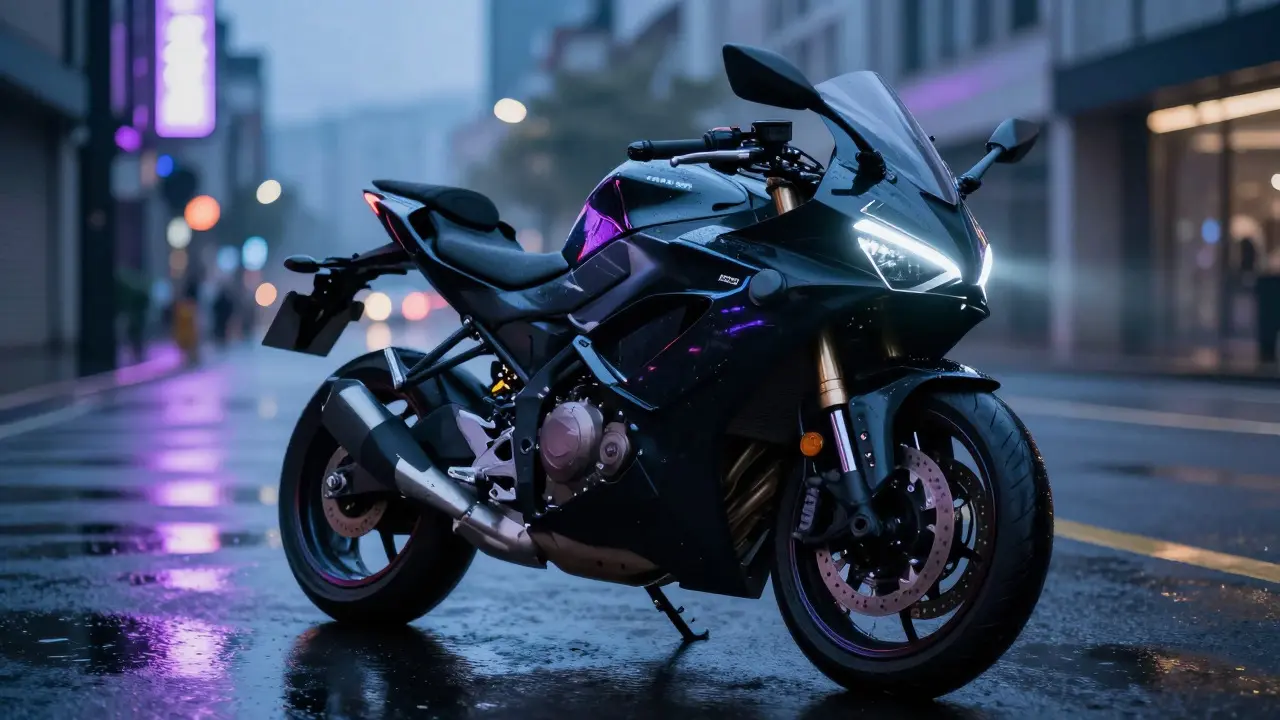
There is a distinct moment when you twist the throttle on an electric motorcycle is a two-wheeled vehicle powered by an electric motor and battery pack instead of an internal combustion engine, and the world changes. There is no roar, no vibration shaking your teeth, just a violent, instant surge of torque that pins you to the seat. It feels less like driving a machine and more like being launched by it. For years, skeptics argued that these bikes were glorified scooters with range anxiety written all over them. That argument died somewhere between 2020 and 2024.
Today, we are standing in July 2026, looking at a market that has matured rapidly. The novelty has worn off, replaced by genuine utility and serious performance credentials. Whether you are a commuter tired of gas prices or a weekend warrior chasing apexes, understanding the landscape of EV bikes is no longer optional-it is essential for anyone buying a motorcycle today.
The Main Types of Electric Motorcycles
Not all electric motorcycles are created equal. Just like gasoline bikes, they fall into distinct categories based on their intended use, power output, and design philosophy. Knowing which type fits your life is the first step in making the right choice.
Urban Commuters
These are the workhorses of the city. Think of brands like NIU, Segway-Ninebot, or the entry-level models from Super Soco. They prioritize efficiency, compact size, and ease of parking. Most have top speeds capped around 45-55 mph (70-90 km/h) to meet moped regulations in many regions, allowing you to skip full licensing requirements in places like the UK or EU. Their ranges typically sit between 60 and 100 miles on a single charge. If your daily ride is under 30 miles round-trip, this is your sweet spot. They are lightweight, often featuring swappable batteries so you can pop one out and plug it in without moving the bike.
Street-Legal Sport Tourers
This category includes the heavy hitters like the Zero SR/F and the Energica Ego+. These bikes look and feel like traditional sport-touring motorcycles. They offer highway-capable speeds exceeding 120 mph (190 km/h) and ranges that stretch beyond 150 miles. They come equipped with advanced electronics: traction control, multiple riding modes, and smartphone connectivity. You buy these when you want to replace a Kawasaki Ninja or a BMW S1000RR but refuse to compromise on comfort or distance. The trade-off? Weight. A Zero SR/F weighs nearly 500 pounds (227 kg), mostly due to the massive lithium-ion battery pack.
Dual-Sport and Off-Road
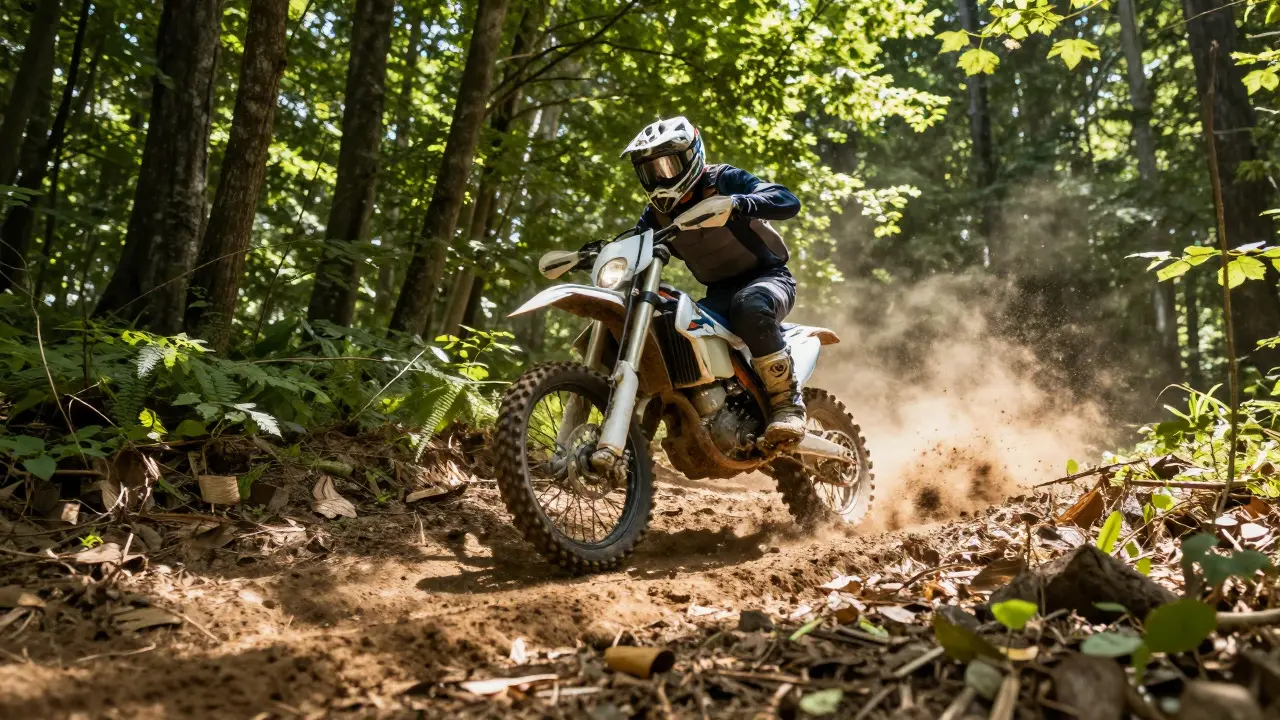
Off-road riding was initially slow to adopt electric tech due to weight concerns, but that is changing. Models like the Sur-Ron Light Bee X or the Talaria Sting dominate this space. They are incredibly light, agile, and perfect for trails, dirt jumps, and enduro practice. Because they lack complex transmissions, maintenance is minimal-no oil changes, no spark plugs, no air filters clogging up with mud. However, range drops significantly off-road compared to paved surfaces due to inconsistent terrain and lower tire pressure.
| Type | Top Speed | Range (EPA Est.) | Weight | Best For |
|---|---|---|---|---|
| Urban Commuter | 45-55 mph | 60-100 miles | 150-250 lbs | City commuting, short trips |
| Sport Tourer | 120+ mph | 150-200+ miles | 450-550 lbs | Highway touring, sport riding |
| Dual-Sport | 50-70 mph | 40-80 miles | 100-150 lbs | Trails, off-road recreation |
Performance Metrics: What Really Matters?
If you grew up with internal combustion engines (ICE), you might be looking for horsepower figures. While still relevant, horsepower tells only half the story with electric motorcycles. The real metric here is torque is the rotational force produced by the motor, available instantly from zero RPM.
In a gas bike, you need to rev the engine to access peak power. In an electric bike, 100% of the torque is available the millisecond you touch the throttle. This creates a sensation of acceleration that feels unnatural if you aren't prepared for it. A mid-range electric bike might produce 100 lb-ft of torque, rivaling supercars costing ten times as much. This makes low-speed maneuvering incredibly easy but requires disciplined throttle control to avoid snapping the front wheel up during hard launches.
Acceleration times are another key differentiator. Many modern electric motorcycles hit 0-60 mph in under three seconds. The Energica Viva RR, for instance, claims a 0-60 time of roughly 2.9 seconds. Compare that to a standard liter-class sportbike, which usually hovers around 3.0 to 3.2 seconds. The difference seems small on paper, but on the track, that immediate delivery means you exit corners faster because you don't wait for turbo lag or gear shifts.
Braking performance also gets a boost through regenerative braking systems. When you let off the throttle, the motor acts as a generator, converting kinetic energy back into electricity to recharge the battery slightly. This provides significant deceleration power, reducing wear on your physical brake pads. Riders often adjust regen settings to match their style-high regen for one-finger riding in traffic, low regen for long downhill stretches where you want smooth, progressive stopping.
Battery Technology and Charging Realities
The heart of any electric motorcycle is its battery pack. As of 2026, most manufacturers rely on lithium-ion chemistry, specifically NMC (Nickel Manganese Cobalt) cells. These offer a good balance of energy density, cost, and safety. Some newer models are experimenting with LFP (Lithium Iron Phosphate) batteries, which last longer and are safer but weigh more for the same capacity.
Charging speed varies wildly depending on the model and infrastructure. Here is the breakdown:
- Level 1 Charging (Standard Household Outlet): Using a basic 120V outlet in the US or 230V in the UK/EU. This is slow. Expect 8-12 hours for a full charge. Suitable for overnight charging if you commute less than 50 miles a day.
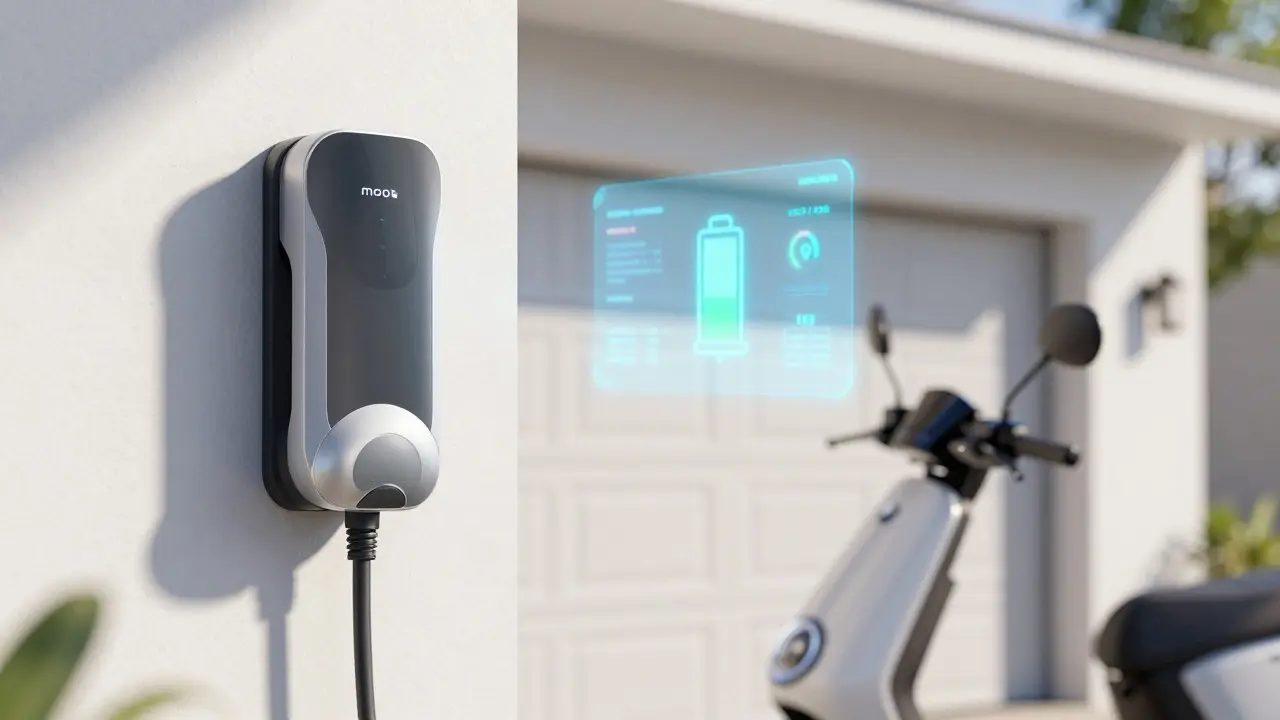
- Level 2 Charging (Home Wallbox): Installing a dedicated 240V charger cuts charging time dramatically. Most high-end electric motorcycles can go from 0-80% in 4-6 hours. This is the recommended setup for daily riders.
- DC Fast Charging: Available on premium models like the Zero SR/S and Energica. These can add 80 miles of range in 20 minutes at compatible public stations. Essential for long-distance touring, though not yet ubiquitous in rural areas.
Range anxiety is still a psychological hurdle, even if the technology has improved. The EPA estimates for electric motorcycles are generally conservative. Real-world range depends heavily on riding style. Aggressive throttle use, high speeds, and cold weather can reduce range by 30-40%. Conversely, gentle riding and moderate temperatures can extend it. Always plan routes with a buffer; never aim to arrive with 0% battery left.
Cost of Ownership: Is It Worth It?
The upfront cost of an electric motorcycle is higher than comparable gas bikes. A base-model Zero SR/F starts around $18,000, while a Ducati Panigale V2 might start closer to $25,000 but offers similar performance. However, the total cost of ownership tells a different story.
Fuel costs plummet. Electricity is significantly cheaper per mile than gasoline. Depending on your local rates, you might spend $0.05 per mile versus $0.15-$0.20 for gas. Over 10,000 miles a year, that saves hundreds of dollars annually.
Maintenance is drastically reduced. Electric motors have fewer moving parts. No oil changes, no filter replacements, no clutch adjustments, no spark plugs. You mainly worry about tires, brakes, chain/belt lubrication, and software updates. Insurance premiums can vary; some insurers offer discounts for electric vehicles due to lower theft rates and repair costs, while others view the specialized batteries as expensive replacement risks.
Resale value remains a concern. Battery degradation over time affects long-term value. However, as the used market matures and battery warranties become standard (often 5-8 years), this gap is narrowing. Buying a certified pre-owned electric motorcycle from a reputable dealer with a remaining battery warranty is a smart financial move in 2026.
The Future of EV Bikes: What’s Next?
We are currently in the transition phase. The next five years will see several critical advancements. Solid-state batteries are the holy grail. They promise higher energy density, faster charging, and improved safety without the fire risk associated with liquid electrolytes. If commercialized successfully by 2028, they could double current ranges without increasing weight.
Infrastructure expansion is accelerating. Governments worldwide are investing in charging networks specifically designed for two-wheelers. Dedicated bays at supermarkets, workplaces, and street-side curbside chargers are becoming common in major cities. The goal is seamless integration: plug in while you shop, work, or run errands.
Connectivity and AI will play larger roles. Future models will likely feature predictive energy management, using GPS data and traffic patterns to optimize power delivery and regeneration automatically. Over-the-air (OTA) updates will continue to improve performance and add features post-purchase, keeping the bike feeling new for years.
Regulations will tighten. Cities are increasingly banning ICE vehicles from certain zones. London, Paris, and parts of California already have strict low-emission zones. Owning an electric motorcycle ensures compliance and access to perks like bus lane usage and free parking in many jurisdictions.
Who Should Buy an Electric Motorcycle?
Electric motorcycles are not for everyone, but they are ideal for specific profiles:
- The Daily Commuter: You ride 20-40 miles a day in traffic. You value silence, low running costs, and simplicity. An urban commuter or mid-range tourer fits perfectly.
- The Tech Enthusiast: You enjoy cutting-edge technology, app integration, and data analytics. You appreciate the clean lines and minimalist design of EVs.
- The Environmentally Conscious Rider: You want to reduce your carbon footprint without giving up the freedom of two wheels. Even accounting for electricity generation, EVs have a lower lifetime emission profile than gas bikes.
- The Track Day Regular: Instant torque and consistent lap times make electric bikes formidable on closed circuits. Regenerative braking helps manage tire wear and heat.
They are less suitable for:
- Long-Distance Tourers Without Planning: If you prefer spontaneous cross-country trips without checking charging stops, a gas bike or hybrid might still be easier until DC fast charging becomes truly ubiquitous.
- Budget-Conscious Buyers: If upfront cost is your primary constraint, used gas bikes remain cheaper. Though financing options and government incentives are improving accessibility.
Final Thoughts on Making the Switch
Switching to an electric motorcycle is more than a purchase; it’s a shift in mindset. You stop thinking about fuel stops and start thinking about energy management. You trade mechanical complexity for digital precision. The learning curve is steep initially-especially mastering regen braking and throttle sensitivity-but once you adapt, it’s hard to go back.
Test ride multiple models. Feel the difference between a lightweight dual-sport and a heavy sport-tourer. Check your home charging setup. Calculate your typical weekly mileage against the battery capacity. Talk to other owners online; communities are vibrant and helpful.
The future of motorcycling is electric, and it’s here now. It’s quieter, cleaner, and surprisingly thrilling. Don’t let outdated perceptions hold you back. Experience the instant torque, the silent glide, and the simplicity for yourself. Your wallet, your ears, and the planet will thank you.
How far can an electric motorcycle go on a single charge?
Range varies significantly by model and riding conditions. Urban commuters typically offer 60-100 miles. High-performance sport-touring models like the Zero SR/F or Energica Ego+ can achieve 150-200+ miles under EPA testing conditions. Real-world range decreases with aggressive riding, high speeds, wind resistance, and cold temperatures. Always plan with a 20% buffer for safety.
Is it expensive to maintain an electric motorcycle?
No, maintenance is generally much cheaper than gas motorcycles. You eliminate oil changes, filter replacements, spark plugs, and clutch adjustments. Primary maintenance involves tires, brakes, chain/belt care, and occasional software updates. Brake pad wear is reduced due to regenerative braking. Annual service costs can be 50-70% lower than comparable ICE bikes.
Can I charge my electric motorcycle at home?
Yes, most electric motorcycles come with a Level 1 charger for standard household outlets. For faster charging, installing a Level 2 wallbox (240V in US, 230V in UK/EU) is highly recommended. This reduces charging time from overnight to 4-6 hours for a full charge. Ensure your electrical panel can handle the additional load before installation.
Are electric motorcycles safe in wet conditions?
Yes, electric motorcycles are designed to be water-resistant and safe in rain. Electrical components are sealed to IP67 or higher standards, protecting against dust and temporary immersion. However, extreme flooding should be avoided. Riding dynamics change slightly in wet conditions due to increased weight distribution from batteries, so adjust speed and braking accordingly.
What happens when the battery dies on the road?
If your battery depletes completely, the bike will lose propulsion. Unlike gas bikes, you cannot push-start an electric motorcycle. Most models provide warning alerts well before depletion. If stranded, call roadside assistance. Many manufacturers offer subscription-based rescue services. Carrying a portable power bank for your phone is essential for calling help.
Do electric motorcycles require special insurance?
Insurance policies are evolving to cover electric motorcycles specifically. Premiums may vary; some insurers offer discounts due to lower theft rates and reduced mechanical failure risks. Others may charge more due to expensive battery replacement costs. Shop around and disclose the exact model and battery specifications. Look for providers with experience in EV coverage.
How does regenerative braking work?
Regenerative braking converts kinetic energy from slowing down back into electrical energy stored in the battery. When you release the throttle, the motor reverses role, acting as a generator. This provides deceleration force and extends range slightly. Riders can often adjust the intensity of regen via onboard controls, influencing how quickly the bike slows without touching the brake levers.
Which electric motorcycle brands are reliable in 2026?
Leading brands include Zero Motorcycles (known for reliability and extensive dealer network), Energica (premium Italian performance), LiveWire (Harley-Davidson's electric division), and NIU (urban commuters). Chinese brands like Talaria and Sur-Ron dominate the off-road segment. Research recent owner reviews and check warranty terms, as build quality has improved significantly across all major manufacturers since 2023.
Comments
Elizabeth Brooks
hey guys, i just got my zero srf last month and honestly the regen braking is a game changer if you set it right. most people complain about it but once you get used to one finger riding in traffic it saves so much on brake pads. also make sure you install a level 2 charger at home because waiting 10 hours for a full charge on a wall outlet is painful lol. the app integration lets me see exactly how much range i have left based on my riding style which is super helpful for planning weekend trips.
August 2, 2026 at 06:39
Art HND
another article praising these glorified scooters. nobody cares about torque delivery when the battery dies after 40 miles of actual riding. typical marketing fluff.
August 3, 2026 at 09:02
alex kobri
art you are missing the point entirely. its not about going cross country without planning. its about daily utility and silence. i ride a sur ron for trails and it never breaks down. no oil changes no spark plugs. just pure mechanical simplicity that actually works better than old gas engines in many ways. why do we cling to combustion when electric is objectively superior for most use cases?
August 3, 2026 at 19:49
Art HND
silence is boring. vibration is soul. you dont understand motorcycles.
August 3, 2026 at 22:20
Quintin Franzese
sure art keep telling yourself that while paying $5 for gas every other day. i like my quiet mornings and saving money more than your imaginary soul.
August 4, 2026 at 12:19
Tamara Miller
It is absolutely disgraceful; how can anyone justify the environmental cost of mining lithium for batteries? The carbon footprint of production alone negates any supposed benefits during usage. We are trading tailpipe emissions for industrial pollution in developing nations. It is a moral failing of our generation to prioritize convenience over planetary health. One must question the integrity of manufacturers who push this technology without addressing the supply chain ethics. Truly, it is a shallow solution to a deep problem.
August 5, 2026 at 21:12
michelle veluz
They want us all plugged in! Think about it. Every time you charge, they track your location via the app. It is not just a bike; it is a surveillance device disguised as transportation. The government is slowly banning gas bikes to control our movement. Wake up people! The charging stations are just checkpoints for the coming dystopia. They know where you live, where you work, and where you ride. It is all part of the great reset agenda!
August 7, 2026 at 00:54
Deb Kortyna, MBA
The assertion regarding surveillance is somewhat hyperbolic, yet data privacy remains a legitimate concern with connected vehicles. However, dismissing the technological advancement solely on conspiracy theories undermines valid discourse. Furthermore, the argument against lithium mining ignores the fact that internal combustion engines require extensive resource extraction for steel, rubber, and fossil fuels. A balanced perspective acknowledges both the infrastructural challenges and the operational efficiencies of electric mobility. We must engage with nuance rather than emotional rhetoric.
August 8, 2026 at 20:45
Anthony Miller
you idiots think you are free. you are slaves to the grid. i told my wife she could buy whatever she wanted and she bought an ev scooter now she complains about range anxiety constantly. pathetic. real men ride heavy iron machines that roar. you are all weak. submit to the machine or be crushed by it. i will come to your house and tow your toy away if i see it parked wrong.
August 9, 2026 at 10:02
Susan Cole
anthony please calm down. nobody asked for your opinion. we are just discussing specs here.
August 10, 2026 at 08:37
Zach Loescher
i was thinking about getting a niu for commuting but i am worried about the weight of the battery pack making it hard to lift if i fall. has anyone here had experience with lighter models? i mostly ride around 15 miles each way so range is not a huge issue for me but i want something reliable. also curious if the swappable batteries are actually convenient or if they are just another hassle to manage.
August 10, 2026 at 21:06
Savara Gunn
zack you should definitely try test riding one before buying. the newer models are surprisingly light for their size. i found that once you get used to the instant torque it feels very natural. dont worry too much about the swap system unless you have a specific need for it. just focus on finding a dealer near you so you can feel the difference yourself.
August 11, 2026 at 21:59