
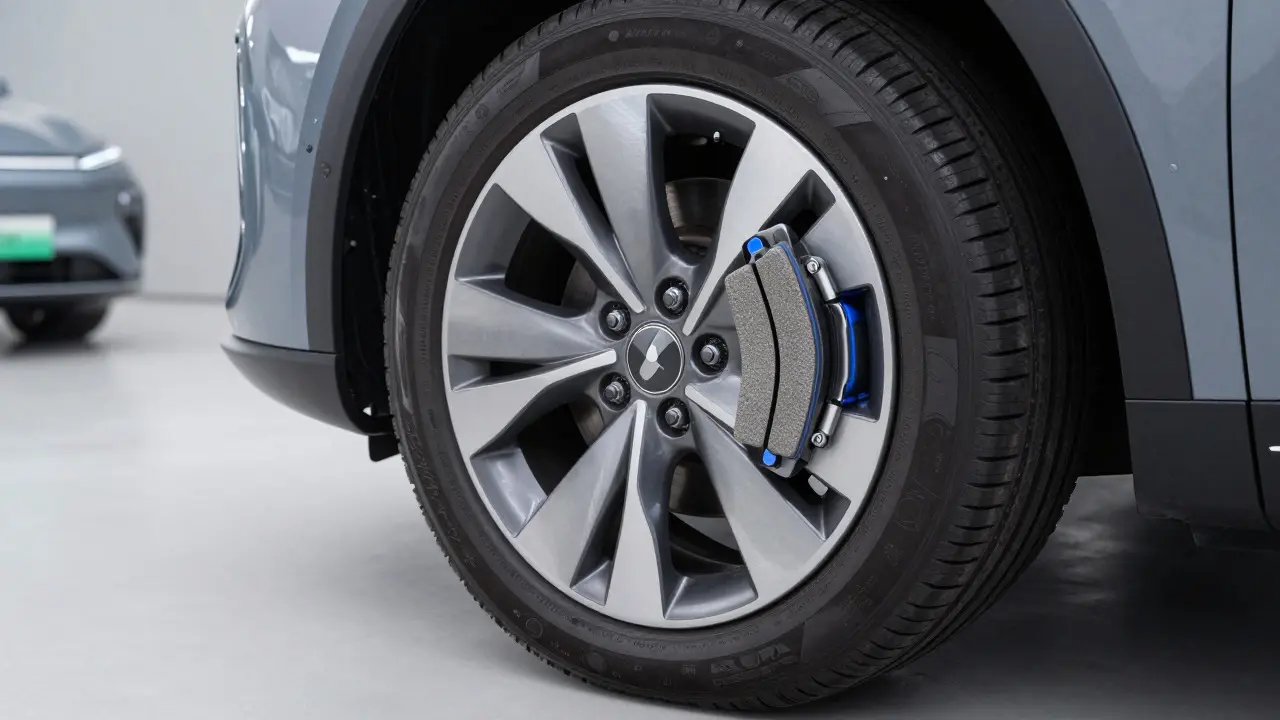
There is a persistent myth that owning an electric vehicle is more expensive to maintain than a petrol car. In reality, the numbers tell a different story. Because EVs have roughly 20% fewer moving parts than internal combustion engines, you skip oil changes, timing belts, and complex exhaust systems. The result? Lower annual servicing bills and less time spent in the workshop.
However, "low maintenance" does not mean "no maintenance." It just means the work is different. You are no longer fixing mechanical failures; you are managing thermal performance, software integrity, and battery longevity. Understanding this shift is the key to keeping your car running smoothly for years while saving money on every service visit.
The Core Difference: Fewer Parts, Less Wear
To understand why EV maintenance is cheaper, look at what is missing from the engine bay. A traditional car has a combustion engine with hundreds of small components that wear down due to friction and heat. An EV replaces this with an electric motor and a power electronics unit. These components are sealed, quiet, and incredibly durable.
- No Oil Changes: Since there is no engine burning fuel, you never need synthetic oil or filters. This saves approximately £150-£300 per year.
- Simpler Braking System: Thanks to regenerative braking, the electric motor slows the car down by acting as a generator. This reduces the physical workload on brake pads by up to 70%, meaning they last significantly longer.
- No Exhaust System: No catalytic converters, mufflers, or pipes to corrode or fail.
The only major component that requires regular attention is the high-voltage battery pack. Unlike the lead-acid batteries in older cars, the lithium-ion packs in modern EVs are designed to last the life of the vehicle, often exceeding 200,000 miles. They do not require routine fluid checks like coolant (in most designs) or electrolyte top-ups.
What Actually Needs Servicing?
If you aren't changing oil or belts, what are you paying for during a service? The focus shifts to safety-critical systems and comfort features. Here is what a typical EV service includes:
- Tyres and Wheels: EVs are heavier due to the battery weight and produce instant torque. This puts extra stress on tyres. Check tread depth and alignment regularly. Many drivers find they need new tyres slightly sooner than petrol car owners, but this is still a standard cost.
- Cabin Air Filter: Just like any car, the HVAC system needs a clean filter to keep air quality high. This is a cheap part that should be replaced every 1-2 years.
- Battery Thermal Management: Technicians will inspect the cooling loops that keep the battery at optimal temperature. While rare, leaks here can affect range and charging speed.
- Software Updates: Modern EVs receive over-the-air (OTA) updates. During a service, technicians may install critical firmware patches that improve efficiency or fix bugs.
- Brake Fluid Flush: Even with regenerative braking, the hydraulic system needs fresh fluid every 2-3 years to prevent corrosion inside the lines.
You will notice that none of these tasks involve disassembling an engine. Most services can be completed in under two hours, compared to four or five hours for a major petrol service.
Battery Health: The Only Major Cost Driver
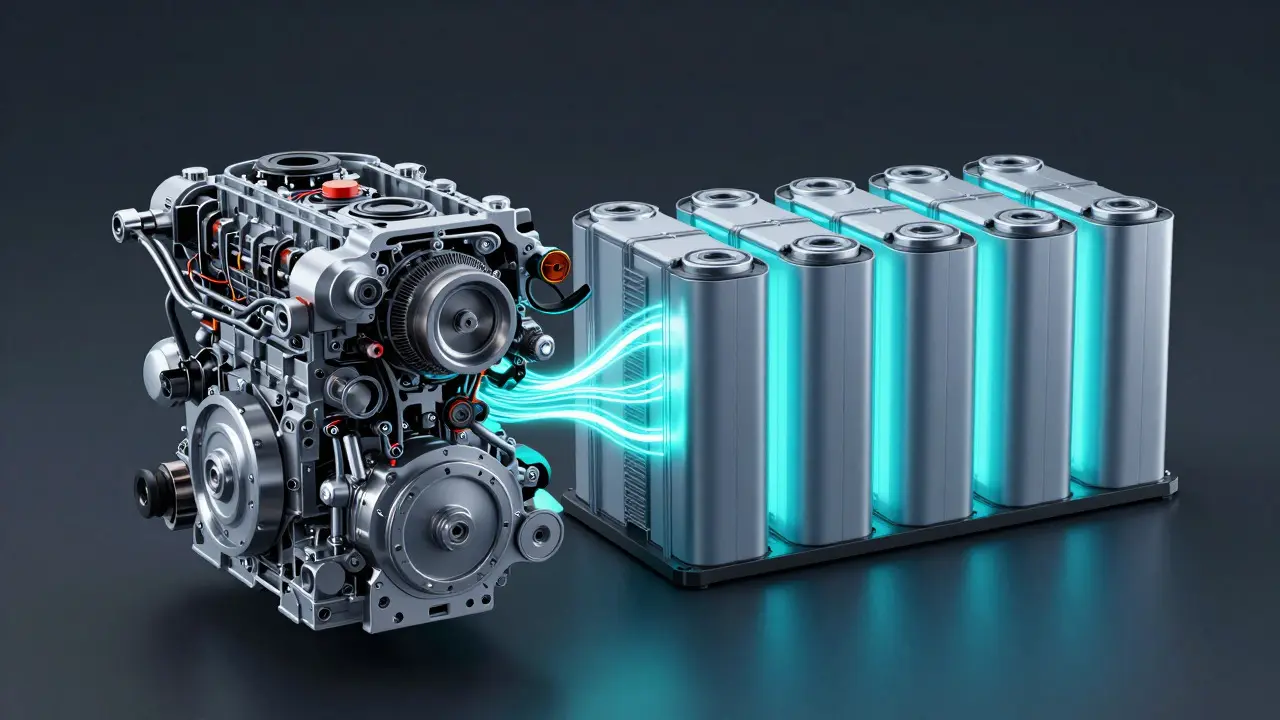
The biggest fear among EV owners is the battery degrading quickly. Let’s put some real data into perspective. A typical warranty covers 80% state-of-health (SoH) for 8 years or 100,000 miles. Independent studies show that after 150,000 miles, most batteries retain between 85% and 90% of their original capacity. That is enough range for daily commuting for decades.
To maximize battery lifespan, follow these simple habits:
- Avoid Extreme Charging States: Try to keep your charge between 20% and 80% for daily use. Full charges (100%) are fine for long trips but shouldn’t be your daily habit.
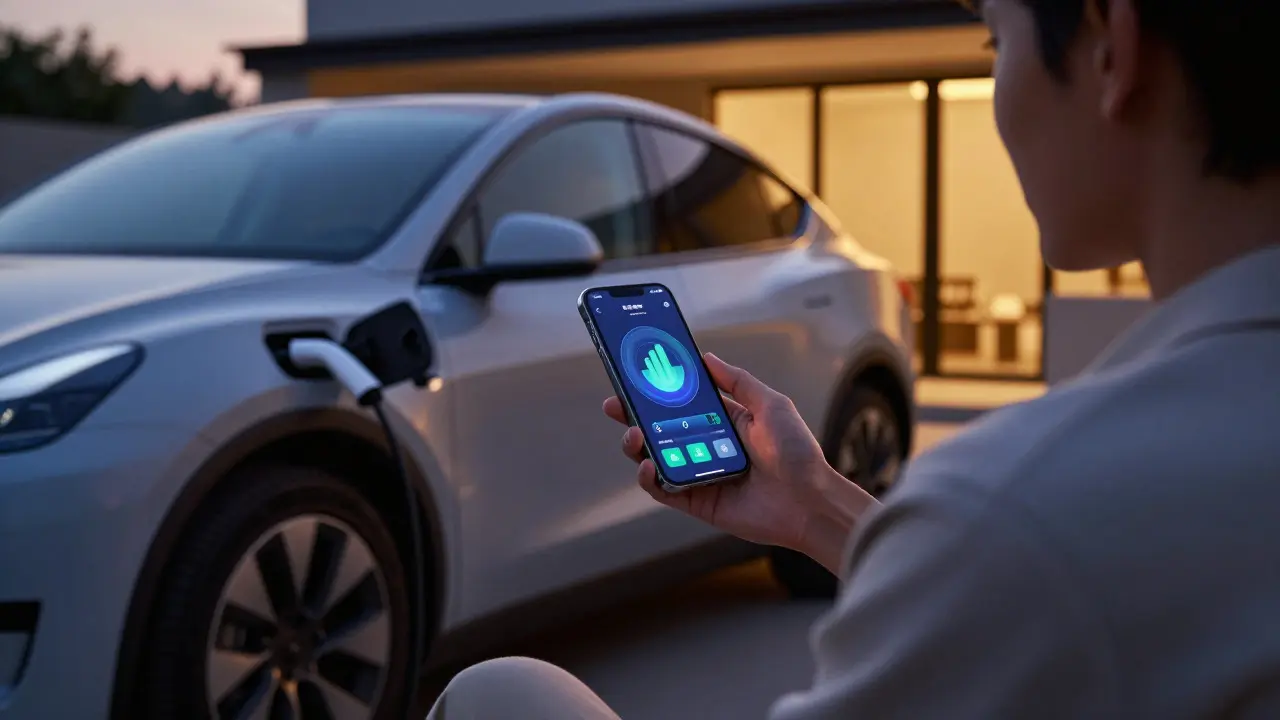
- Manage Temperature: Extreme cold or heat accelerates degradation. Pre-conditioning your battery via the app before plugging in helps the charger work efficiently without stressing the cells.
- Use DC Fast Charging Sparingly: Frequent high-power DC charging generates more heat. Use it for road trips, but stick to AC home or workplace charging for daily needs.
If you do need a battery replacement outside of warranty, costs vary widely. However, modular battery designs allow for cell-level repairs rather than full pack replacements, which can reduce costs by 50% or more.
Comparing Annual Maintenance Costs
Let’s look at the hard numbers. Based on average UK pricing for 2026, here is how an EV compares to a similar-sized petrol SUV.
| Service Item | Electric Vehicle (EV) | Petrol SUV | Estimated Annual Savings (EV) |
|---|---|---|---|
| Engine Oil & Filters | £0 | £200 - £300 | £200 - £300 |
| Brake Pads | £0 (lasts 2x longer) | £150 - £250 | £75 - £125 (amortized) |
| Tyres (4 tires) | £400 - £500 | £350 - £450 | -£50 (slightly higher wear) |
| General Service (Labor/Parts) | £100 - £150 | £300 - £400 | £200 - £250 |
| Total Estimated Annual Cost | £500 - £650 | £1,000 - £1,400 | £500 - £750 |
This table shows that while tyre costs might be slightly higher due to vehicle weight, the elimination of engine-related services creates a massive gap. Over a five-year ownership period, you could save upwards of £3,000 to £4,000 purely on maintenance.
Pro Tips for Keeping Your EV Healthy
You don’t need a degree in engineering to take care of your electric car. A few consistent habits will protect your investment and keep your range predictable.
1. Keep Software Up to Date Most manufacturers push OTA updates that tweak battery management algorithms. These updates can sometimes add a few miles of range or improve charging efficiency. Make sure your phone is connected to the car’s Wi-Fi when parked so updates can download automatically.
2. Monitor Tyre Pressure Monthly Because EVs are heavy, even a slight drop in tyre pressure increases rolling resistance, which directly eats into your range. Use the TPMS (Tyre Pressure Monitoring System) alerts, but also check manually once a month, especially before long journeys.
3. Don’t Ignore Warning Lights While EVs are reliable, warning lights for high-voltage system faults should be taken seriously. Unlike a check engine light on a petrol car, which might indicate a minor sensor issue, an EV warning light often points to thermal or electrical components that need professional diagnosis.
4. Use the Right Charger For daily driving, Level 2 AC chargers (7kW or 11kW) are ideal. They charge slower but generate less heat in the battery cells. Save the fast DC chargers (50kW+) for when you actually need to fill the battery quickly on a highway trip.
Frequently Asked Questions
Do electric vehicles need regular servicing?
Yes, but less frequently than petrol cars. Most manufacturers recommend a service every 12 months or 10,000-15,000 miles, whichever comes first. The service focuses on tyres, brakes, cabin filters, and software updates rather than engine fluids.
How long does an EV battery last?
Modern lithium-ion batteries are designed to last the lifetime of the vehicle. Industry data suggests they typically retain 80-90% of their original capacity after 150,000 to 200,000 miles. Most come with an 8-year warranty covering at least 80% state-of-health.
Are EV brakes really better?
Not necessarily 'better' in terms of stopping power, but much more efficient. Regenerative braking uses the motor to slow the car, reducing the physical wear on brake pads. This means brake pads often last twice as long as in comparable petrol vehicles.
Does cold weather affect EV maintenance?
Cold weather doesn't damage the battery permanently, but it temporarily reduces range because the battery needs energy to stay warm. To mitigate this, use pre-conditioning features to heat the battery before charging. This ensures the charger operates efficiently without stressing the cells.
Is it cheaper to insure an EV?
Insurance premiums for EVs are generally similar to or slightly higher than petrol equivalents, depending on the model and driver profile. However, the lower maintenance costs often offset any premium difference over the life of the vehicle. Always compare quotes from multiple providers.