
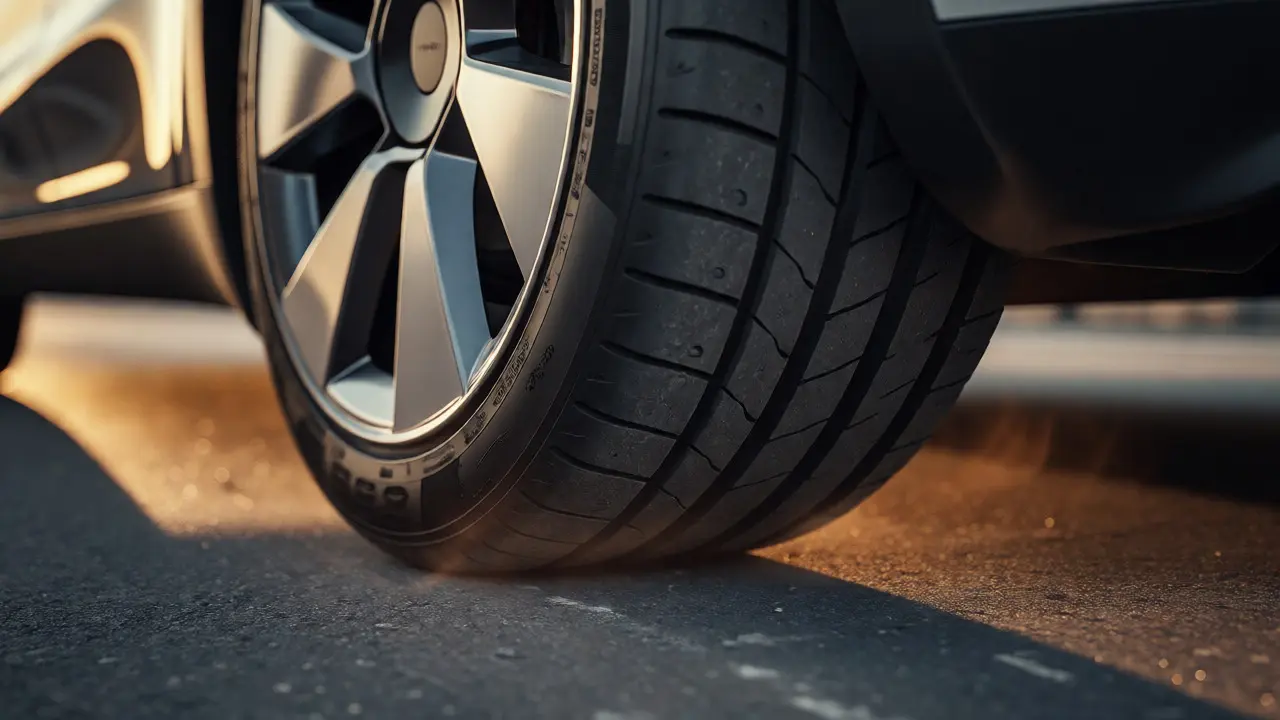
You just bought a sleek new electric vehicle and the range numbers look great. But have you checked your tire pressure lately? If you are driving an EV, your tires are under attack from forces that internal combustion cars simply do not experience. It is not just about getting from point A to point B anymore; it is about managing physics.
Here is the hard truth: EV tires wear out faster than traditional ones. We are talking about 20% to 30% quicker degradation in many cases. Why? Because your car is heavier, and it hits the gas harder. This article breaks down exactly how instant torque and battery weight destroy rubber, and what you can do to stretch those miles before you need a new set.
The Heavy Burden of Battery Packs
Let’s talk about mass. Physics does not care if your engine runs on gasoline or electrons; gravity still pulls. An average mid-size sedan might weigh around 3,500 pounds. Compare that to a Tesla Model Y, which tips the scales at roughly 4,400 pounds. That extra 900 pounds isn’t sitting idle. It presses down on every square inch of contact patch between your tire and the road.
This constant pressure generates heat. Heat is the enemy of rubber compounds. When a tire gets too hot, the material softens and wears away faster. You might notice this most on the outer shoulders of the tires during cornering. The weight shifts, loads up the outside tire, and because that tire is already carrying the massive battery pack, it scrubs off rubber at an alarming rate.
- Static Load: The sheer weight of the battery pack increases rolling resistance.
- Dynamic Load: Acceleration and braking shift weight forward and backward, stressing specific tire zones.
- Heat Buildup: Higher loads generate more friction heat, accelerating chemical breakdown of the tread.
Instant Torque vs. Rubber Longevity
If you have ever driven an EV, you know the feeling. You press the pedal, and the car launches. There is no gear hunting, no revving up. Just immediate, brutal acceleration. This is instant torque. While it is fun for passing on the highway, it is murder on your front tires.
In a gas car, you gradually apply power. The tires grip, slip slightly, and then engage fully. In an EV, the motor delivers maximum torque instantly. If you are not careful, the tires spin against the pavement. This phenomenon, known as wheel spin, shaves millimeters of tread off in seconds. Even without full spin, the high traction demand causes micro-slippage that grinds down the tread blocks.
Consider the Ford Mustang Mach-E. It has over 300 horsepower available instantly. Drivers who enjoy quick starts often find themselves replacing tires every 15,000 to 20,000 miles, whereas a similar-sized gas SUV might last 40,000 miles. Your right foot is directly linked to your wallet here.
Regenerative Braking: A Double-Edged Sword
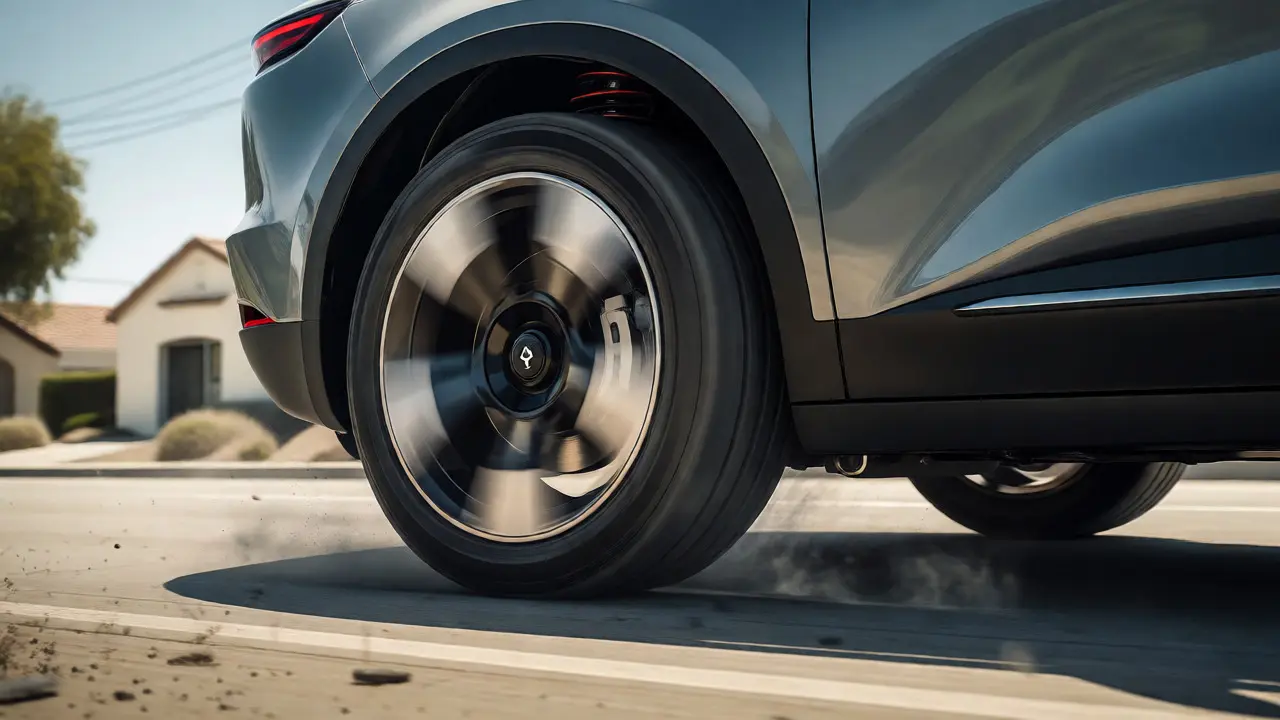
One common myth is that EVs save brakes and therefore save tires. Partially true. Regenerative braking recovers energy and slows the car without using the friction pads. This saves brake rotors and pads significantly. However, it changes how the tires behave.
When you lift off the accelerator in an EV, the motors act as generators, creating drag. This drag applies a consistent decelerating force through the wheels. While this reduces the need for hard stops, it keeps the tires under load for longer periods during normal driving. Instead of coasting freely, the tires are constantly working to slow the car down. This sustained engagement prevents the rubber from cooling down, leading to uneven wear patterns over time.
Choosing the Right Tires for Electric Vehicles
You cannot just buy any tire for an EV. Using standard passenger tires will lead to premature failure and poor efficiency. You need tires specifically engineered for electric vehicles. These are often marked with "EV" logos or codes like "HL" (High Load) or "XL" (Extra Load).
What makes them different? First, they have stiffer sidewalls. This supports the heavy battery pack without bulging, which improves handling and reduces heat buildup. Second, they use specialized rubber compounds designed to handle higher torque without excessive scrubbing. Third, they are optimized for low rolling resistance to maximize your range.
| Feature | Standard Passenger Tire | EV-Specific Tire |
|---|---|---|
| Load Index | Lower capacity; may struggle with battery weight | Higher capacity (HL/XL rated); supports heavy packs |
| Sidewall Stiffness | Softer for comfort | Stiffer for stability and heat reduction |
| Compound | General purpose durability | Torque-resistant, low rolling resistance |
| Noise Level | Engine noise masks tire hum | Sound-absorbing foam layers for quiet ride |
Brands like Michelin and Continental have dedicated lines such as the Michelin e·Primacy or Continental EcoContact 6. These are not marketing gimmicks; they are necessary adaptations to the unique stresses of electric drivetrains.
Extending Your Tire Life: Practical Tips
So, how do you stop wearing out tires every six months? It comes down to maintenance and driving habits. You cannot change the laws of physics, but you can mitigate their effects.
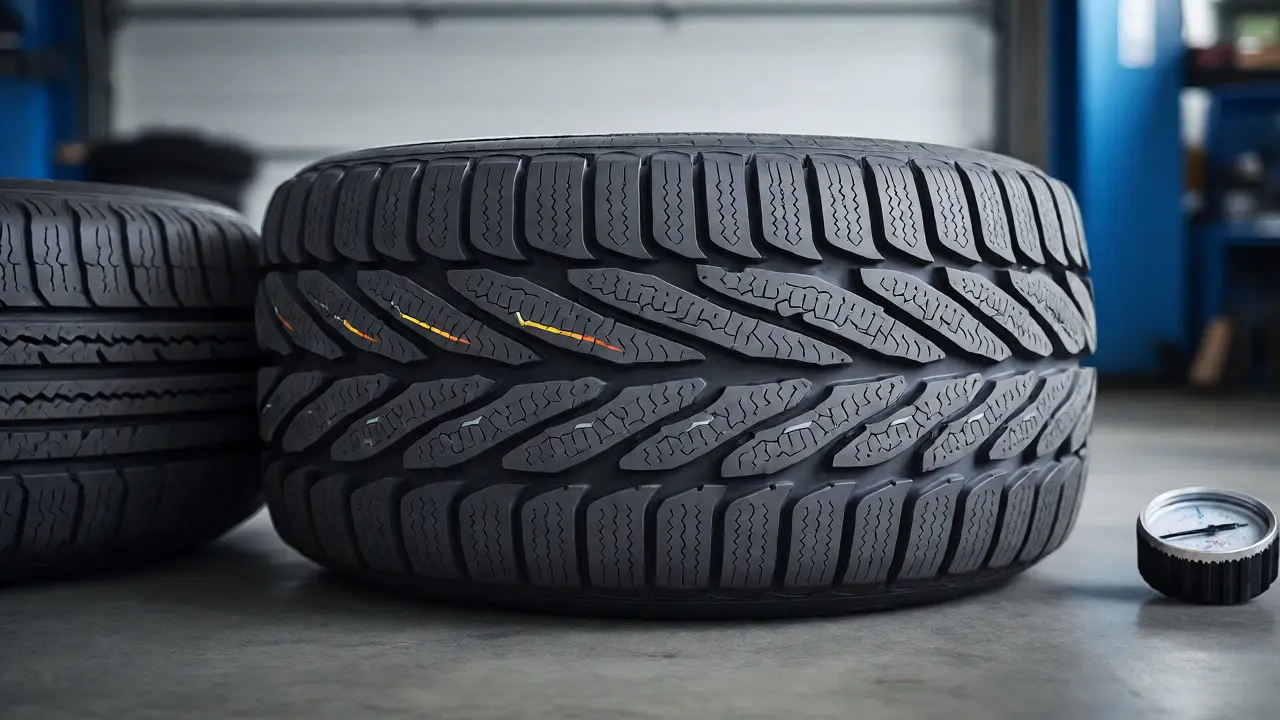
- Maintain Correct Pressure: This is critical. Under-inflated tires flex more, generating excessive heat. Over-inflated tires reduce the contact patch, causing center wear. Check your door jamb sticker for the manufacturer’s recommended PSI, not the max pressure on the tire sidewall. EVs often require higher pressures, sometimes 40-50 PSI, to support the weight.
- Rotate Regularly: Don’t wait for signs of wear. Rotate your tires every 5,000 to 7,500 miles. Since EVs are rear-wheel drive or all-wheel drive, the rear tires often take the brunt of acceleration torque. Rotating ensures even wear across all four corners.
- Smooth Inputs: Avoid aggressive launches. Use eco-mode or lower regenerative braking settings if you want to preserve tread. Think of your accelerator pedal as a dimmer switch, not an on/off button.
- Check Alignment: Heavier cars put more stress on suspension components. Misalignment causes rapid, one-sided wear. Get your alignment checked annually or whenever you hit a significant pothole.
When to Replace: Signs of Excessive Wear
How do you know when it is time to swap them out? Do not rely solely on the mileage counter. Inspect the tread depth visually. Most states require a minimum of 2/32 of an inch, but for EVs, performance drops significantly below 4/32. At this point, wet traction decreases, and hydroplaning risk increases.
Look for these red flags: * Shoulder Wear: Rounded edges indicate cornering stress or under-inflation. * Center Wear: Indicates over-inflation or aggressive acceleration. * Scalloping: Uneven dips in the tread, often caused by worn suspension parts struggling with the heavy chassis.
Replacing tires on an EV is more expensive than on a gas car. Expect to pay $150 to $300 per tire for quality EV-rated models. Factor this into your total cost of ownership. Skipping rotation or ignoring pressure warnings will cost you far more in the long run.
Why do EV tires wear out faster than gas car tires?
EV tires wear faster primarily due to two factors: increased vehicle weight from the battery pack and instant torque delivery. The added weight increases friction and heat generation, while instant torque causes greater shear force on the rubber compound during acceleration, leading to accelerated tread degradation.
Can I use regular tires on my electric vehicle?
While you physically can, it is not recommended. Standard tires may not support the higher load index required by EVs, leading to overheating and blowout risks. They also lack the specialized compounds needed to handle high torque without excessive wear, potentially reducing your vehicle's range and safety.
How often should I rotate my EV tires?
Manufacturers typically recommend rotating EV tires every 5,000 to 7,500 miles. Due to the uneven wear patterns caused by torque distribution and weight bias, frequent rotation helps extend the overall lifespan of the tire set and maintains balanced handling characteristics.
Does regenerative braking help or hurt tire life?
It is mixed. Regenerative braking saves mechanical brake components, but it keeps the tires under constant load during deceleration. This sustained engagement can prevent tires from cooling effectively, potentially contributing to heat-related wear if combined with heavy vehicle weight.
Are EV-specific tires worth the extra cost?
Yes. EV-specific tires offer higher load ratings, better heat management, and improved rolling resistance. Although they cost more upfront, they often last longer under EV conditions and improve driving range, offsetting the initial price difference over the tire's lifetime.