
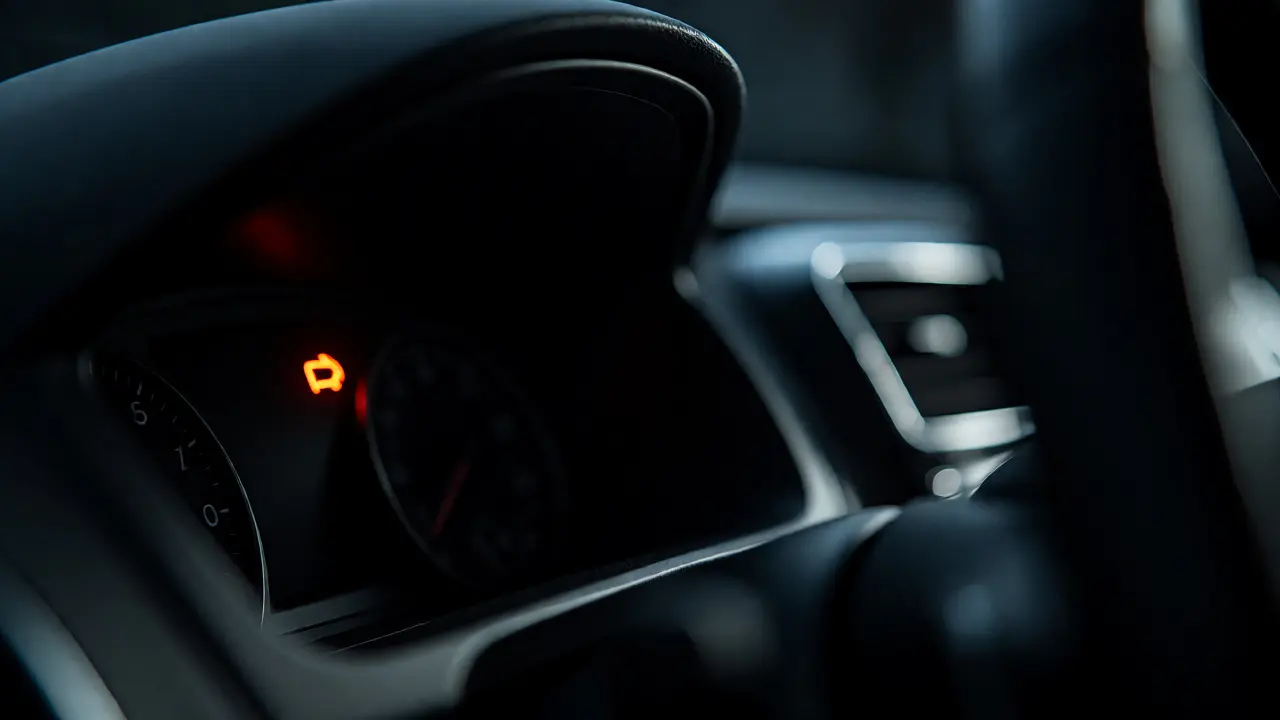
There is nothing quite as annoying as that little orange engine light popping on your dashboard right after you’ve just filled up the tank. You didn’t do anything wrong, yet the car is screaming for attention. More often than not, this isn’t a catastrophic engine failure or a dying alternator. It’s likely an EVAP system leak. The Evaporative Emission Control System (EVAP) is designed to keep fuel vapors from escaping into the atmosphere. When it leaks, your car fails its emissions test, and you get a check engine light. But don’t panic. Most EVAP issues are minor, cheap to fix, and something you can diagnose yourself with basic tools.
The problem is that "EVAP leak" is a catch-all term for a wide range of potential failures. Is it the gas cap? A cracked hose? A stuck valve? Or is it the expensive charcoal canister? This guide breaks down exactly how the system works, what symptoms to look for, which diagnostic trouble codes (DTCs) matter, and how to fix them without spending a fortune at the dealership.
Key Takeaways
- Check the Gas Cap First: A loose or damaged fuel cap causes roughly 30% of all EVAP-related check engine lights. Tighten it until it clicks; if the light persists after three drive cycles, replace the cap.
- Understand the Codes: P0440 through P0457 indicate large or small leaks. P0456 specifically points to a very small leak, often a faulty purge valve or a tiny crack in a vacuum line.
- Smoke Testing is Essential: You cannot visually find most EVAP leaks. A professional smoke test is the only reliable way to locate the exact breach in the system.
- Purge Valve Failures are Common: On many modern vehicles (VW, Audi, Toyota), the purge valve sticks open or closed. Replacing this part costs $20-$80 for the part itself, though labor may vary.
- Don't Ignore It: While the car will still run, a failed EVAP system means you’re venting raw fuel vapor into the air and failing emissions inspections.
How the EVAP System Actually Works
To fix a leak, you need to understand what you’re fixing. The EVAP system captures fuel vapors from the fuel tank before they escape into the atmosphere. Instead of letting these volatile organic compounds (VOCs) drift away, the system routes them to a storage unit called the charcoal canister. Inside this canister, activated carbon absorbs the gasoline fumes.
When the engine reaches optimal operating temperature, the computer opens the purge valve. This allows fresh air to enter the canister, sweeping the stored fuel vapors into the intake manifold where they are burned off during combustion. It’s a closed-loop recycling system. If any part of this loop develops a hole, crack, or seal failure, the system loses pressure, triggering a diagnostic code.
The system relies on several critical components working in harmony:
- Fuel Tank & Cap: The primary source of vapors. The cap must seal perfectly to maintain pressure.
- Charcoal Canister: Stores the vapors. Located usually under the car near the fuel tank.
- Purge Valve/Solenoid: Controls the flow of vapors to the engine.
- Vent Valve/Solenoid: Allows fresh air into the canister when purging.
- Hoses and Lines: Connect all these parts. These are often rubber and prone to cracking over time.
Common Symptoms of an EVAP Leak
Unlike a blown head gasket or a bad transmission, an EVAP leak rarely makes your car drive poorly. In fact, you might notice absolutely nothing except the warning light. However, there are subtle signs that point specifically to evaporative emission issues rather than general engine trouble.
The most obvious symptom is the Check Engine Light (CEL). Modern cars monitor the EVAP system constantly. If the computer detects a pressure drop when the system should be sealed, it triggers the light. Sometimes, the light flashes briefly during startup but stays solid while driving. Other times, it comes on intermittently, disappearing after a few days only to return later. This intermittent behavior often suggests a marginal seal failure, like a drying-out O-ring on the fuel filler neck.
You might also smell raw gasoline. This is more common if the leak is external-such as a cracked hose near the wheels or a damaged charcoal canister exposed to road debris. If you park in a hot garage and smell fuel fumes lingering long after the engine has cooled, suspect an EVAP issue. Internal leaks (into the engine) won’t produce a smell because the vapors are being burned, but they can cause rough idling or stalling shortly after refueling.
Another telltale sign is difficulty starting the engine immediately after filling up the tank. If the purge valve is stuck open, fuel vapors flood the intake manifold while the engine is off. When you try to start the car, the mixture becomes too rich, causing hesitation or a no-start condition until the excess fuel clears out.
Decoding Your Trouble Codes
If you have an OBD-II scanner (or access to one at an auto parts store), reading the specific code saves hours of guessing. Not all EVAP codes mean the same thing. Here is a breakdown of the most frequent ones and what they actually imply for your repair strategy.
| Code | Description | Likely Cause | Difficulty |
|---|---|---|---|
| P0440 | General EVAP System Malfunction | System communication error or generic leak detection failure. | Medium |
| P0441 | Incorrect Purge Flow | Purge valve stuck open/closed or blocked hoses. | Easy/Medium |
| P0442 | Small Leak Detected | Faulty gas cap, cracked hose, or leaking purge valve. | Easy |
| P0443 | Purge Control Circuit Error | Electrical fault in the purge valve wiring or solenoid. | Medium |
| P0455 | Large Leak Detected | Missing/loose gas cap, disconnected hose, or broken canister. | Easy |
| P0456 | Very Small Leak Detected | Micro-crack in a hose, faulty seal, or stuck purge valve diaphragm. | Hard (requires smoke test) |
| P0497 | Low Purge Flow | Blocked charcoal canister or clogged purge lines. | Medium/Hard |
Notice the distinction between "Large Leak" (P0455) and "Very Small Leak" (P0456). A large leak is usually obvious-like a missing cap. A very small leak is insidious. It’s often a pinhole in a rubber line or a degrading seal inside the purge valve. You cannot see these with the naked eye. This is why DIYers often struggle with P0456; they replace the cap, clear the code, and the light returns two weeks later.
The Diagnostic Process: Finding the Leak
Before buying parts, confirm the source. Replacing the purge valve when the problem was actually a cracked hose wastes money and time. Follow this logical sequence to isolate the culprit.
Step 1: The Fuel Cap Test
Tighten your fuel cap until it clicks at least three times. Clear the codes using your OBD-II scanner. Drive the car for a complete "drive cycle" (usually 20-30 minutes of mixed city/highway driving). If the light stays off, the problem was simply a loose cap. If it returns, inspect the rubber O-ring on the cap. If it’s cracked, brittle, or flattened, replace the cap. They cost $5-$15 and are available everywhere.
Step 2: Visual Inspection
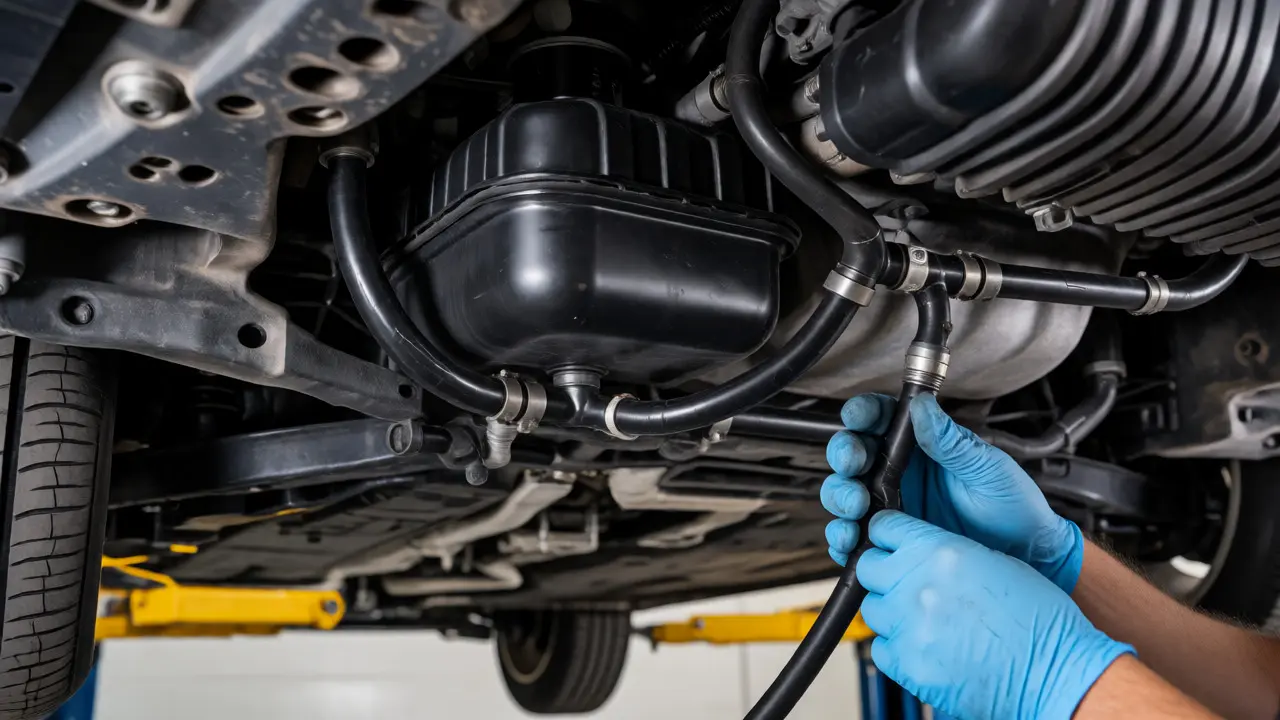
Lift the car safely and look underneath. Check the charcoal canister (usually a black plastic box mounted near the rear wheel well or fuel tank). Look for:
- Cracked or disconnected vacuum hoses.
- Rusted metal lines (common on older trucks).
- Physical damage to the canister from road debris.
- Signs of wetness around connections, indicating a liquid fuel leak rather than just vapor.
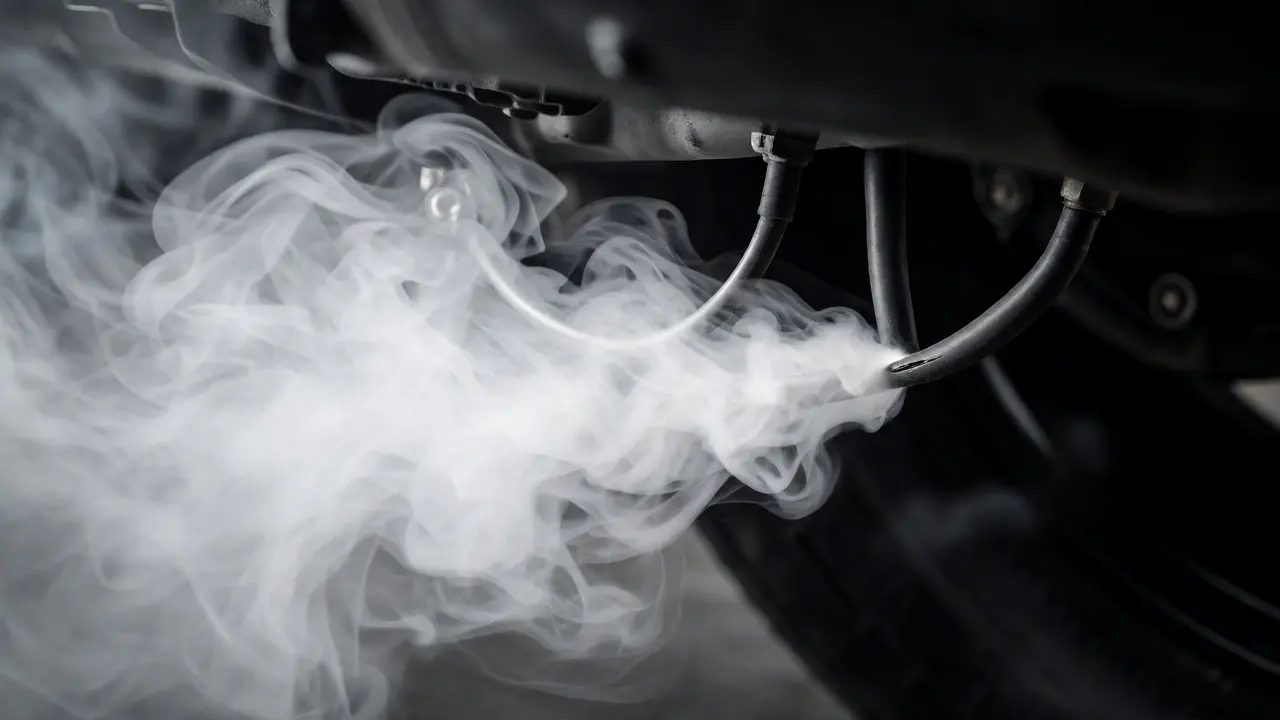
Step 3: The Smoke Test (The Gold Standard)
If visual inspection yields nothing, you need a smoke machine. This is the only way to reliably find P0456-type micro-leaks. The process involves sealing the EVAP system and pumping non-toxic smoke into it. Wherever smoke escapes, you have a leak. Auto repair shops typically charge $50-$100 for this service. Some auto parts stores offer free smoke tests if you buy parts from them, though availability varies by location.
Step 4: Electrical Testing
If the smoke test shows no leaks but you have codes like P0443 or P0441, the issue is electrical or mechanical within the valves. Use a multimeter to check the resistance of the purge and vent solenoids. Compare readings to manufacturer specs (usually 20-30 ohms). Infinite resistance means a broken coil; zero resistance means a short circuit.
Top 3 Most Common Fixes
Based on repair data across millions of vehicles, these three components account for the vast majority of EVAP failures.
1. Faulty Fuel Cap Seal
This is the cheapest and most frequent fix. Over time, heat and UV exposure degrade the rubber seal on the gas cap. Even if the cap looks fine, the seal may not hold pressure. Always start here. Pro tip: Don’t buy universal caps. Buy the OEM-specific cap for your vehicle model to ensure the internal spring tension matches the filler neck design.
2. Stuck Purge Valve
The purge valve is a solenoid that opens and closes thousands of times. Eventually, the internal diaphragm tears or carbon buildup prevents it from sealing completely. Symptoms include rough idle after refueling and codes P0441 or P0456. Replacement is straightforward on most cars-it’s usually located in the engine bay, attached to a single vacuum line and an electrical connector. Part cost ranges from $20 to $100 depending on the brand. Labor is minimal, often under an hour even at a shop.
3. Cracked Vacuum Hoses
Modern engines are packed with rubber tubing. Heat cycles make these hoses brittle. A small crack in a hose connecting the canister to the intake manifold can cause a significant leak. Inspect every inch of accessible hose. If you find cracks, replace the entire section. Do not use tape or glue as a permanent fix; the heat and vibration will cause it to fail again quickly. Use silicone vacuum hose rated for automotive use.
When to Seek Professional Help
While many EVAP fixes are DIY-friendly, some scenarios require a pro. If the charcoal canister itself is saturated with liquid fuel (often caused by frequently topping off the gas tank after the pump clicks off), replacement is necessary. Canisters are complex, often integrated with other sensors, and can cost $200-$500 plus labor. Additionally, if the leak is deep within the fuel tank assembly (like a faulty sender unit seal), dropping the tank is required, which is a job best left to professionals unless you have specialized equipment.
Also, consider local regulations. In the UK, for example, an active check engine light due to an EVAP fault will cause your MOT test to fail. Since the MOT checks emissions, ensuring the system is fully functional is mandatory for legal road use. In the US, states with emissions testing will reject your vehicle until the readiness monitors are set and no pending codes exist.
Preventing Future EVAP Issues
You can extend the life of your EVAP system with simple habits. First, stop topping off the fuel tank. When the pump nozzle clicks off, stop. Adding more fuel forces liquid gasoline into the vapor recovery lines, potentially flooding the charcoal canister. Once the carbon is saturated with liquid instead of vapor, it stops absorbing properly and may need replacement.
Second, always tighten your gas cap firmly. A loose cap is the number one cause of false alarms. Third, avoid driving with a nearly empty tank for extended periods. Running the tank dry exposes the fuel pump and associated seals to excessive heat, accelerating wear on the EVAP components located near the tank.
Finally, address check engine lights promptly. Ignoring a small leak can lead to larger problems. For instance, a stuck-open purge valve can draw raw fuel into the engine continuously, fouling spark plugs and damaging catalytic converters over time. A $50 fix today prevents a $500 repair next year.
Can I drive my car with an EVAP leak?
Yes, generally speaking. An EVAP leak does not affect the mechanical performance of the engine. The car will run, accelerate, and brake normally. However, you are releasing unburned hydrocarbons into the atmosphere, which is bad for the environment. More importantly, you will likely fail your state or national emissions inspection, making the car illegal to register or renew in many jurisdictions. Also, if the leak is severe enough to cause a rich fuel mixture, you might experience poor fuel economy.
How much does it cost to fix an EVAP leak?
Costs vary widely based on the root cause. A new gas cap costs $5-$15. Replacing a purge valve typically runs $100-$250 including labor. If the charcoal canister needs replacement, expect to pay $300-$600. The diagnostic fee alone (smoke test) is usually $50-$100. If you perform the diagnosis and minor repairs yourself, you can often resolve the issue for under $50.
Will replacing the gas cap reset the check engine light?
Not immediately. After tightening or replacing the cap, the light will remain on until the vehicle's computer runs a self-test and confirms the system is holding pressure. This usually takes 3 to 5 "drive cycles." A drive cycle involves starting the car cold, driving it to operating temperature, and then turning it off. You can speed this up by using an OBD-II scanner to manually clear the code, but the underlying issue must be fixed first, or the code will return.
What does a P0456 code mean specifically?
P0456 indicates a "very small leak" detected in the EVAP system. This is defined as a leak smaller than 0.020 inches in diameter. Because the leak is so tiny, it is invisible to the naked eye. Common causes include a degraded seal on the fuel filler neck, a microscopic crack in a vacuum hose, or a slightly leaking purge valve diaphragm. A smoke test is almost always required to pinpoint the exact location of a P0456 code.
Is the EVAP system related to the catalytic converter?
Indirectly, yes. Both systems deal with emissions. The EVAP system captures vapors before they reach the engine, while the catalytic converter cleans exhaust gases after combustion. A malfunctioning EVAP system (specifically a stuck-open purge valve) can send excessive fuel vapors into the intake, leading to a rich air-fuel mixture. Over time, this unburned fuel can overheat and damage the catalytic converter. So, fixing EVAP issues protects your catalytic converter investment.
Comments
Ian Mason-Laurence
The distinction between P0455 and P0456 is frequently misunderstood by amateur mechanics. A large leak (P0455) typically indicates a gross failure such as a missing cap or disconnected hose whereas a very small leak (P0456) often stems from micro-fractures in vacuum lines or degraded seals within the purge valve assembly. It is imperative to utilize a smoke test for P0456 codes because visual inspection is insufficient for detecting leaks smaller than 0.020 inches.
October 26, 2026 at 14:16
william mcstay
Stop buying universal parts. They are garbage. Buy OEM only. American cars need American parts. Don't let some cheap junk fix ruin your engine.
October 27, 2026 at 06:28
LoriBeth Blair
You people always blame the gas cap but it's usually the purge valve on these newer Toyotas. I've seen this a hundred times. If you don't know how to check resistance with a multimeter you shouldn't be touching the car at all. It's basic knowledge really.
October 28, 2026 at 12:32
Liam Whelan
hey guys... just wanted to say thanks for the info! :) i had p0456 on my civic last month. turned out to be a tiny crack in the hose near the canister. super annoying to find but the smoke test worked great!! :D hope everyone stays safe on the road!
October 28, 2026 at 17:05
Sabrina Silvani
we must consider the environmental ethics here. every liter of fuel vapor released is a violation of our duty to the atmosphere. the system is not merely a mechanical constraint but a moral one. when we ignore the light we prioritize convenience over collective responsibility. it is a small act but it reflects a larger societal decay regarding stewardship of the natural world.
October 29, 2026 at 03:27
Mithilesh Singh
This article is correct, but incomplete. In India, we face extreme heat which accelerates rubber degradation significantly more than in temperate climates. Therefore, preventive maintenance intervals should be halved. One must also respect the environment strictly; ignoring emission norms is a sign of poor character and lack of discipline. We should not waste resources. Clean air is a right, not a privilege.
October 30, 2026 at 05:41
Shaina Silver-Baird
I suspect that manufacturers intentionally design these systems with fragile components to drive up maintenance costs. The charcoal canister is positioned directly under the vehicle where it is susceptible to road debris and water intrusion, which seems like planned obsolescence rather than an engineering oversight. Furthermore, the diagnostic trouble codes are deliberately vague to force consumers into dealership service centers where they are charged exorbitant labor rates for simple repairs.
October 31, 2026 at 06:37
Lauren Martin
If you're still relying on OBD-II generic scanners for EVAP diagnostics you are wasting your time. You need bi-directional scan tools that can command the purge and vent solenoids to verify functionality dynamically. Static resistance checks are archaic and fail to detect intermittent solenoid sticking under load. Most DIYers miss the nuanced difference between a circuit fault and a flow restriction without live data streaming.
November 2, 2026 at 00:06
evelyn starcher
It makes me so angry seeing people ignore this stuff. 🙄 It’s like they don’t care about their country’s air quality or their own wallets. Just fix it already! 😤
November 2, 2026 at 19:54
Elizabeth Calwell
Great guide! Really helpful breakdown. For anyone feeling overwhelmed, remember that starting with the gas cap is a low-stress way to tackle this. You’ve got this! 💪 Keep positive and take it step by step. Every little bit helps keep our roads cleaner and our engines running smoother. Stay optimistic!
November 3, 2026 at 08:20
Tommy Cahyadi
Oh wow, another article telling me to spend money I don't have. Can't wait to pay $200 for a valve that cost $20 online. Truly thrilling experience. /s
November 4, 2026 at 03:12
Anthony .
Hey folks! 👋 Just sharing some thoughts here. 🌍 It’s cool to see everyone coming together to understand this tech. 🛠️ Whether you’re a pro or just learning, we’re all on the same journey. 🚗 Let’s support each other and keep those emissions down! 🌱💚
November 5, 2026 at 08:02
Marisa Marroquin
The prose is quite illuminating. One appreciates the clarity with which the technical minutiae are delineated. It serves as a fine exemplar of instructional literature.
November 6, 2026 at 18:41