
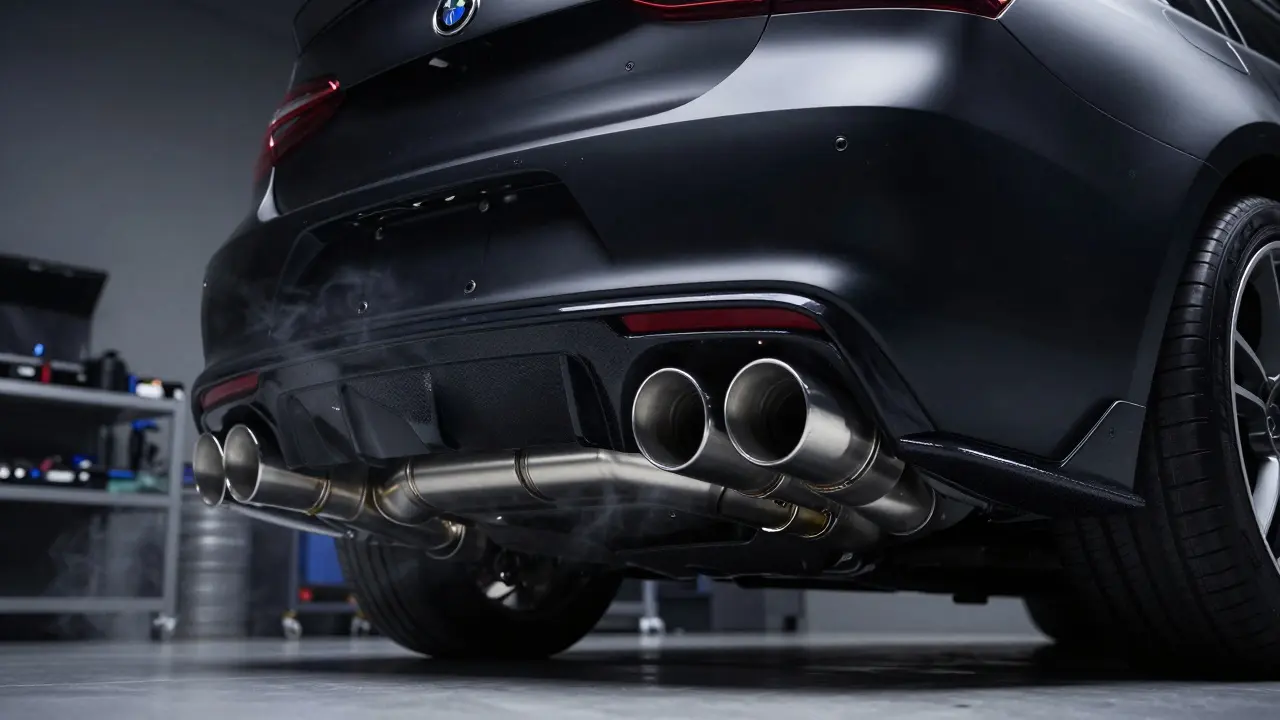
There is a specific feeling you get when you first start your car after an exhaust system upgrade is the process of replacing stock exhaust components with aftermarket parts to improve engine efficiency, power output, and acoustic profile. It is more than just noise. It is the visceral connection between you and the machine. You feel the vibration in the seat, hear the deeper tone from the cabin, and sense that the engine is breathing easier. But here is the catch: most people buy the wrong part for their needs. They chase loudness without understanding airflow, or they sacrifice reliability for a decibel count that gets them fined on the way home.
Upgrading your exhaust isn't just about making your car sound like a motorcycle. It is about reducing backpressure, improving fuel efficiency, and unlocking horsepower that was trapped by restrictive factory components. Whether you drive a daily commuter, a track-focused sports car, or a heavy-duty truck, the right upgrade changes how the vehicle performs. This guide breaks down exactly what works, what doesn't, and how to choose the system that fits your goals without breaking the bank or failing your next inspection.
How Exhaust Systems Actually Work
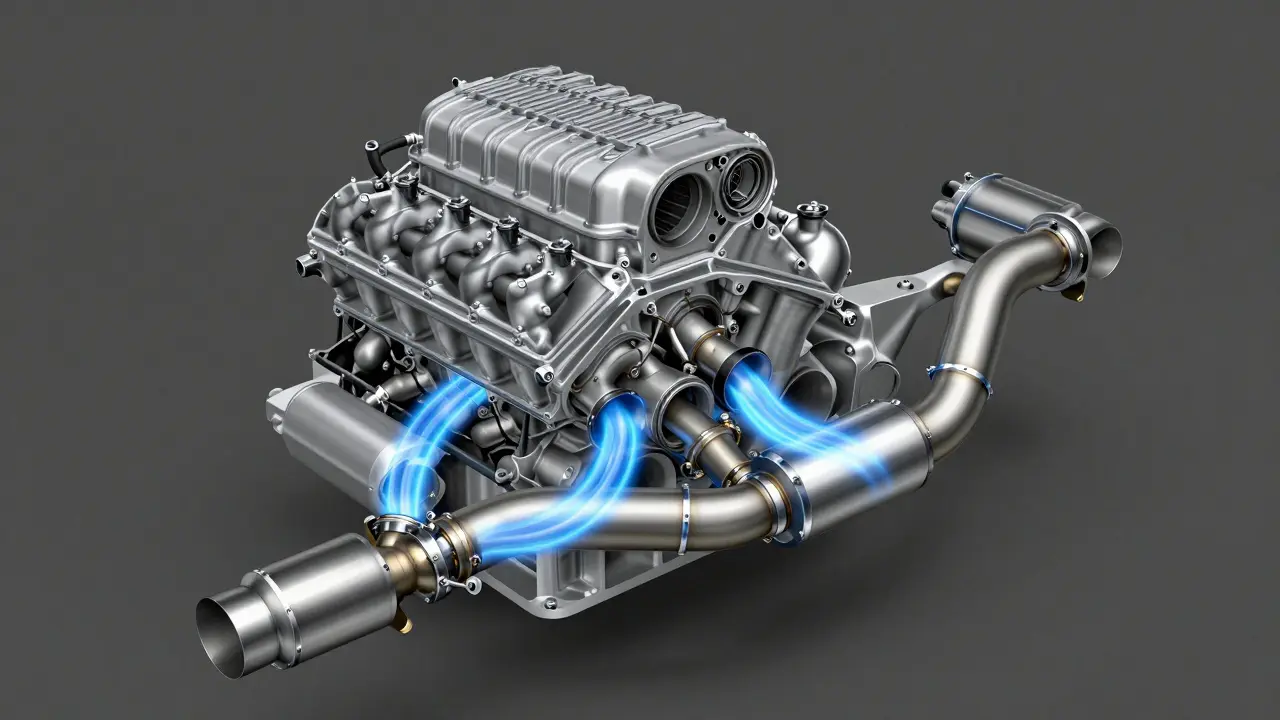
To understand why an upgrade helps, you need to know what the stock system is doing. The factory exhaust system is a network of pipes and chambers designed to expel combustion gases from the engine while minimizing noise and emissions. It consists of several key parts working together. First, the exhaust manifold collects gases from each cylinder. Then, the gases pass through the catalytic converter, which reduces harmful pollutants. Next comes the resonator, which cancels out low-frequency droning sounds. Finally, the muffler dampens the remaining noise before the gas exits through the tailpipe.
The problem with many stock systems is restriction. Manufacturers prioritize quiet operation and strict emission compliance over performance. This means narrower pipes and heavily baffled mufflers. These restrictions create backpressure. Backpressure forces the engine to work harder to push out spent gases. When the engine struggles to breathe out, it cannot breathe in as efficiently. By upgrading to larger diameter pipes and less restrictive mufflers, you reduce this resistance. The result is smoother airflow, which allows the engine to produce more power, especially at higher RPMs.
Types of Exhaust Upgrades Explained
Not all upgrades are created equal. The type of system you choose depends on how much of the original setup you want to replace. Here are the three most common categories you will encounter.
- Cat-Back Exhaust: This replaces everything from the rear catalytic converter back to the tailpipe. It is the easiest upgrade to install and usually retains the factory catalytic converters. This makes it legal in most regions, including the UK and US states with strict emissions laws. It offers a noticeable improvement in sound and a modest gain in horsepower, typically 5 to 10 HP.
- H-Pipe or X-Pipe Mid-Pipe: This connects the front and rear sections of the exhaust. An H-pipe balances pressure between the two banks of the engine, providing a deeper tone. An X-pipe merges the flows earlier, often resulting in a sportier, sharper sound and slightly better high-RPM power. This is a popular choice for V8 engines and modern V6s.
- Turbo-Back Exhaust: This replaces everything from the turbocharger (or exhaust manifold) back. It includes new downpipes, mid-pipes, and a cat-back system. This is the most aggressive option. It significantly reduces backpressure but often requires removing or replacing the catalytic converter. In many jurisdictions, this is illegal for street use due to emissions regulations.
| Type | Power Gain | Sound Level | Legality | Cost Range |
|---|---|---|---|---|
| Cat-Back | Low (5-10 HP) | Moderate | High (Mostly Legal) | £300 - £800 |
| H/X-Pipe | Medium (10-15 HP) | Deep/Sporty | Medium (Check Local Laws) | £400 - £900 |
| Turbo-Back | High (15-30+ HP) | Loud/Aggressive | Low (Often Illegal) | £800 - £2,000+ |
Performance vs. Sound: Finding the Balance
Many buyers make the mistake of equating volume with performance. A louder exhaust does not always mean a faster car. In fact, too much noise can be a sign of poor engineering. If the muffler is just a straight pipe with no baffles, you lose low-end torque because the exhaust pulses are not managed correctly. The best performance exhausts use active valve technology or carefully tuned baffles to optimize flow at different RPM ranges.
Consider the material. Stainless steel is the gold standard. It resists rust, lasts longer, and maintains its shape under heat. Aluminized steel is cheaper but prone to corrosion over time. Titanium is lightweight and strong but expensive. For most drivers, 304 stainless steel offers the best balance of durability and cost. Look for mandrel-bent pipes. These bends keep the internal diameter consistent, ensuring smooth airflow. Crushed bends restrict flow and negate the benefits of a larger pipe.
Legal Considerations and Emissions
In the United Kingdom, where I live, and in many other countries, exhaust modifications are strictly regulated. You cannot simply delete your catalytic converter. Doing so violates emissions laws and can lead to failed MOT tests, hefty fines, and insurance voidance. Always check if the system is TUV approved or meets local EPA standards if you are in the US.
Even if a system is legal, consider your neighbors. A "sporty" burble at idle might seem exciting to you, but it becomes annoying quickly. Many modern systems offer adjustable valves. These allow you to switch between a quiet mode for city driving and an aggressive mode for open roads or tracks. This flexibility lets you enjoy the performance without causing complaints or legal issues.
Installation Tips and Pitfalls
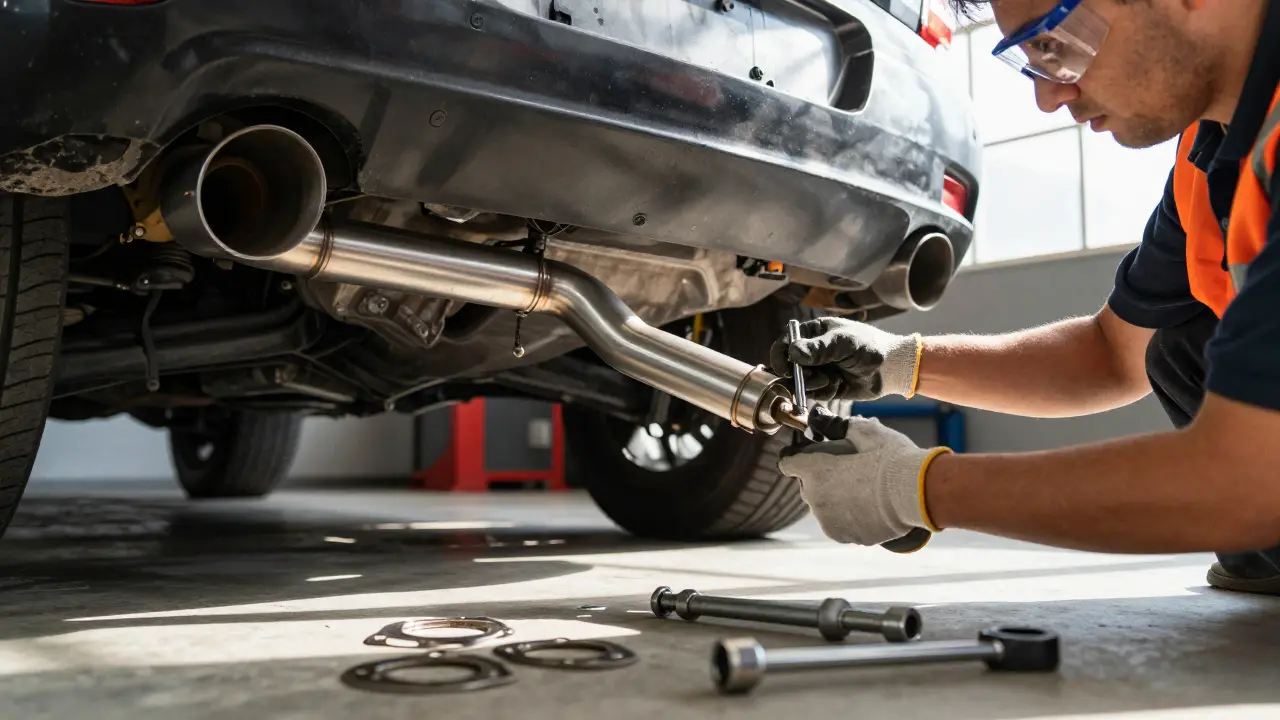
Installing an exhaust system seems straightforward, but small mistakes can cause big problems. Always use new gaskets. Old ones crack and leak, leading to rattling noises and loss of performance. Torque bolts to specification. Over-tightening can strip threads, especially on aluminum manifolds. Under-tightening leads to leaks.
Check for clearance. Ensure the new pipes do not rub against the chassis, suspension components, or ground clearance limits. A scraping exhaust is not only noisy but dangerous. It can damage the system and create fire hazards. If you are unsure about the fitment, consult a professional installer. They have the tools to align everything perfectly and test for leaks.
Real-World Results and Expectations
Let's talk numbers. On a naturally aspirated engine, you might see a 5% increase in horsepower. On a turbocharged engine, the gains can be higher, up to 15%, because the turbo spins more freely with reduced backpressure. Fuel economy may improve slightly, as the engine works less hard. However, these gains are marginal compared to other mods like intake upgrades or ECU tuning. The exhaust is often the finishing touch, not the primary power source.
The biggest change you will notice is the driving experience. The throttle response feels sharper. The engine sounds more alive. You become more aware of the car's behavior. This sensory feedback can make you a better driver, as you learn to listen to the engine and adjust your inputs accordingly. It transforms a mundane commute into an engaging activity.
Will an exhaust upgrade void my warranty?
It depends on your manufacturer and region. In the US, the Magnuson-Moss Warranty Act prevents dealers from voiding warranties unless they can prove the mod caused the damage. In the UK, manufacturers may deny claims related to engine or emissions if they link them to the exhaust. Always check your warranty terms before installing.
Is a louder exhaust better for performance?
No. Volume does not equal power. A well-tuned exhaust manages exhaust pulses to improve scavenging, which increases efficiency. A loud, unrestricted pipe can actually hurt low-end torque and fuel economy. Focus on flow optimization, not just decibels.
How much horsepower can I expect from a cat-back exhaust?
Typically 5 to 10 horsepower on naturally aspirated engines. Turbocharged engines may see slightly more due to improved turbo spool. These gains are cumulative; pairing an exhaust with an intake and tune yields better results than any single mod.
Can I install an exhaust myself?
Yes, if you have basic mechanical skills and tools like a jack, stands, wrenches, and a torque wrench. Cat-back systems are generally DIY-friendly. Turbo-back or header replacements require more space and expertise. If you lack confidence, hire a professional to ensure proper fitment and safety.
What is the difference between H-pipe and X-pipe?
An H-pipe connects the two exhaust banks with a cross tube shaped like an H. It balances pressure and provides a deep, rumbling tone. An X-pipe crosses the flows earlier, creating a sharper, sportier sound and potentially better high-RPM power. Choice depends on desired sound character and engine type.