
When you walk into a car dealership to buy a new vehicle, you’re not just choosing a model-you’re deciding how it’s going to look, feel, and perform. That’s where customization comes in. But here’s the real question: should you stick with factory options, or go aftermarket? It’s not as simple as picking the fancier upgrade. One can save you money and headaches. The other might cost you more than you planned-and even void your warranty.
Factory Options: What You Get from the Manufacturer
Factory options are the upgrades the carmaker offers when you order your vehicle. Think leather seats, sunroofs, premium sound systems, adaptive cruise control, or upgraded wheels. These aren’t add-ons slapped on after the car leaves the plant. They’re built into the vehicle during production, integrated with the car’s electronics, and tested for safety and reliability.
Here’s why they matter: if you pick a factory-installed heated steering wheel, it’s wired into the car’s climate system. The buttons work with your infotainment screen. The system is covered under your new car warranty. If something goes wrong, the dealership fixes it-no questions asked.
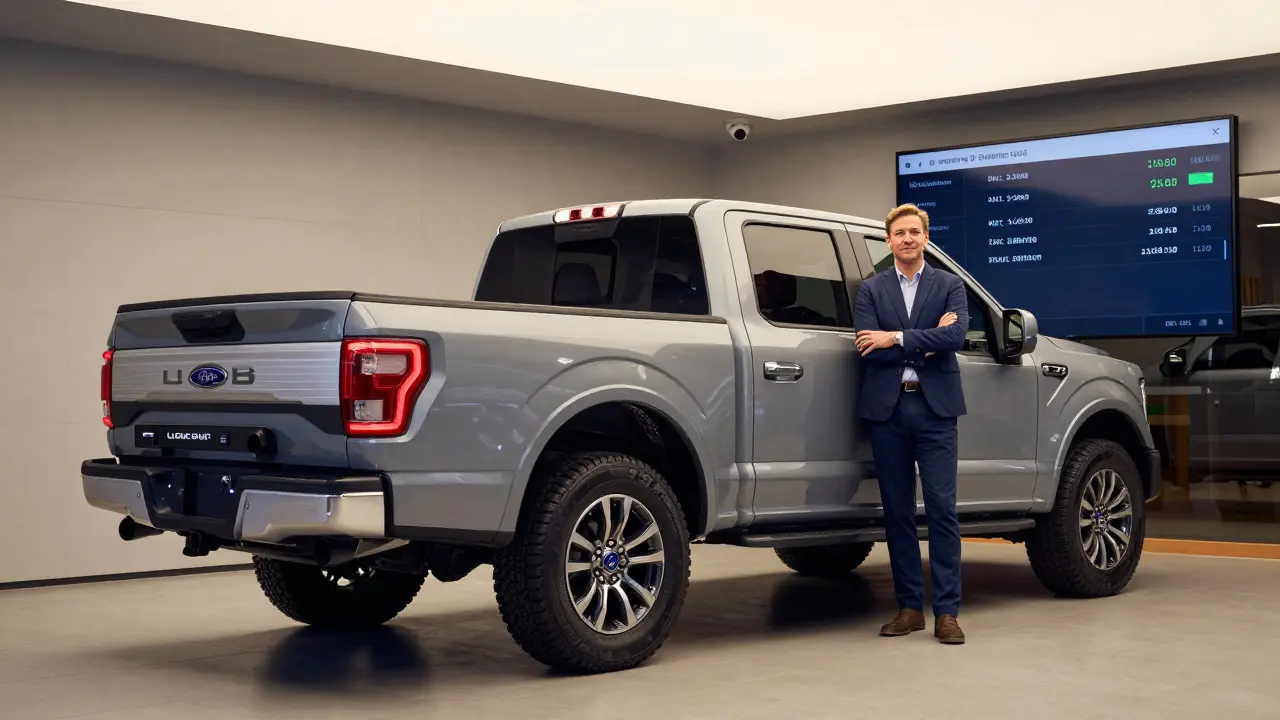
Car makers like BMW, Tesla, and Ford offer hundreds of factory options. In 2025, Ford’s F-150 Lightning had over 40 factory-configurable packages, from towing upgrades to off-road suspension kits. These aren’t just nice-to-haves-they’re engineered to work together. A factory tow package includes a reinforced hitch, upgraded cooling, and calibrated software. Aftermarket hitch kits? They might not talk to your truck’s computer at all.
Aftermarket Parts: The Wild West of Car Upgrades
Aftermarket means anything added after the car leaves the factory. This includes everything from custom exhausts and window tinting to performance chips and LED light bars. You can find these at local shops, online retailers, or big-box auto stores like Halfords or Autobacs.
The appeal? Choice. And price. A factory sunroof might cost £1,800. An aftermarket one from a UK-based supplier? You could get it for £600, installed. A factory performance tune for a Volkswagen Golf R? £1,200. An aftermarket ECU flash? £300.
But here’s the catch: not all aftermarket parts are created equal. Some are high-quality-like a set of Eibach lowering springs or a Forge Motorsport intercooler. Others? Cheap plastic trim pieces that crack in winter, or cheap speakers that blow out after six months.
And warranty? That’s where things get risky. Under UK consumer law, a dealer can’t void your entire warranty just because you added an aftermarket part. But they can deny coverage for any issue they prove was caused by that part. If your engine blows after you install a cheap performance chip, and they trace the failure back to it? You’re paying for the repair.
Cost Comparison: Upfront vs. Long-Term
Let’s break it down with real numbers from 2025 UK market data:
| Upgrade | Factory Option Cost | Aftermarket Cost (Installed) | Warranty Coverage |
|---|---|---|---|
| Leather Seats | £2,100 | £950 | Yes (full) |
| 19" Alloy Wheels | £1,600 | £700 | Yes (if OEM spec) |
| Adaptive Cruise Control | £2,400 | £1,800 | No (risk of sensor conflict) |
| Performance Exhaust | Not available | £650 | Possible denial on engine-related claims |
| Factory Tow Package | £1,200 | £500 | No (if not factory-installed) |
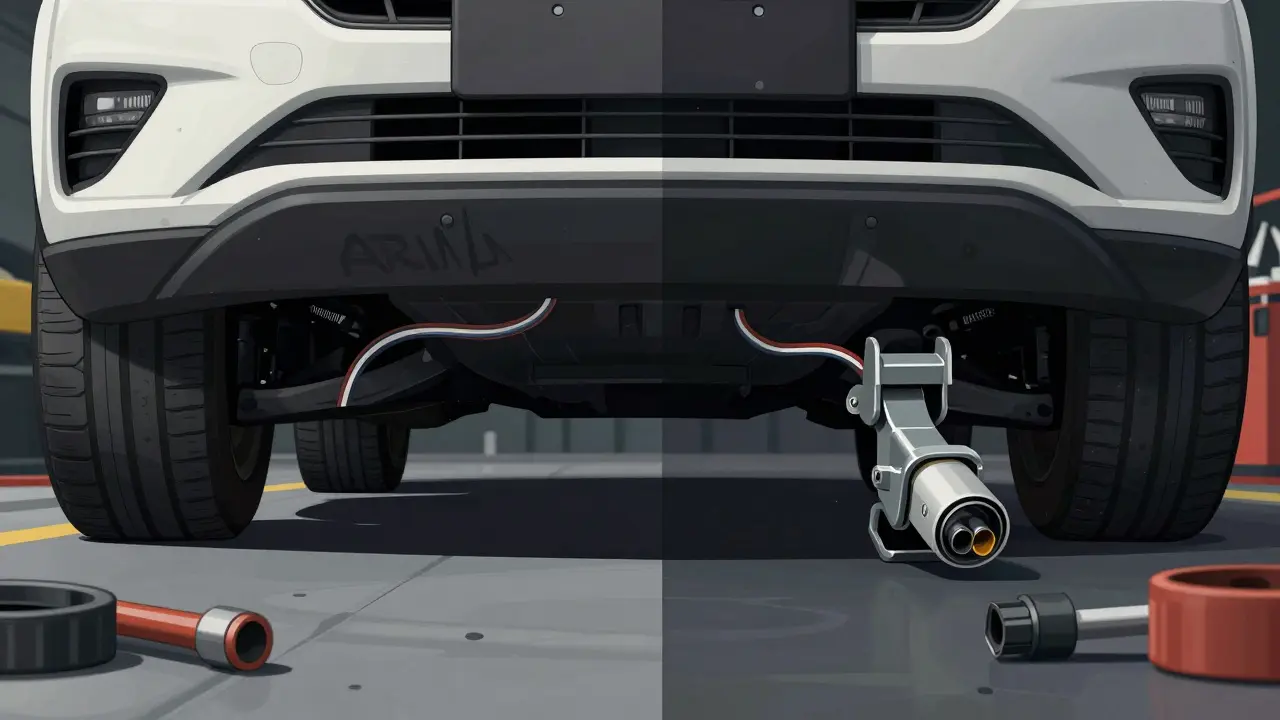
At first glance, aftermarket looks like the smarter choice. But look closer. The factory tow package isn’t just a hitch. It’s a reinforced frame, upgraded transmission cooler, wiring harness, and software calibration. Aftermarket kits? Often just a hitch and a plug. If you tow regularly, you’re gambling on your transmission’s life.
Resale Value: The Hidden Factor
Here’s something most buyers don’t think about until they’re selling: resale value. A car with factory options holds its value better. Buyers trust factory-installed features. They know they’re tested, integrated, and warrantied.
When you put a non-OEM audio system in a BMW, you’re not just changing speakers-you’re changing the car’s identity. Buyers who want a premium experience will walk away from a car with a random aftermarket sound system. Same goes for custom wheels. If they’re not factory-spec size or design, they might even lower the car’s value.
According to data from CAP HPI (a UK vehicle valuation service), cars with factory options retain 8-12% more value after three years than identical models with aftermarket upgrades.
Installation and Integration: It’s Not Just About the Part
Factory options come pre-installed. Aftermarket? You need to get them fitted. And that’s where problems start.
Installing a factory navigation system? Plug and play. It talks to your GPS, your steering wheel controls, your rear camera. Install a third-party head unit? You lose Apple CarPlay integration, lose the backup camera feed, lose the factory climate controls on the screen. You might even break the CAN bus system that runs your car’s electronics.
And let’s not forget labor. A factory option is installed in a controlled environment with calibrated tools. Aftermarket installations? Sometimes done in a garage by someone who’s never worked on your exact model. A miswired alarm system can drain your battery. A poorly installed lift kit can throw off your alignment and wear out your tires in 6,000 miles.
When to Choose Factory. When to Choose Aftermarket.
There’s no one-size-fits-all answer. But here’s a simple guide based on real-world experience:
- Go factory if: You’re adding safety tech (adaptive cruise, blind-spot monitoring), towing equipment, performance upgrades tied to engine software, or anything that integrates with the car’s electronics.
- Go aftermarket if: You’re changing aesthetics (wheels, tint, body kits), comfort (seat covers, floor mats), or non-critical audio upgrades. Stick to reputable brands like HKS, Roush, or K&N.
- Avoid aftermarket if: You plan to keep the car under warranty, or you’re not planning to install it professionally. Cheap parts = expensive repairs.
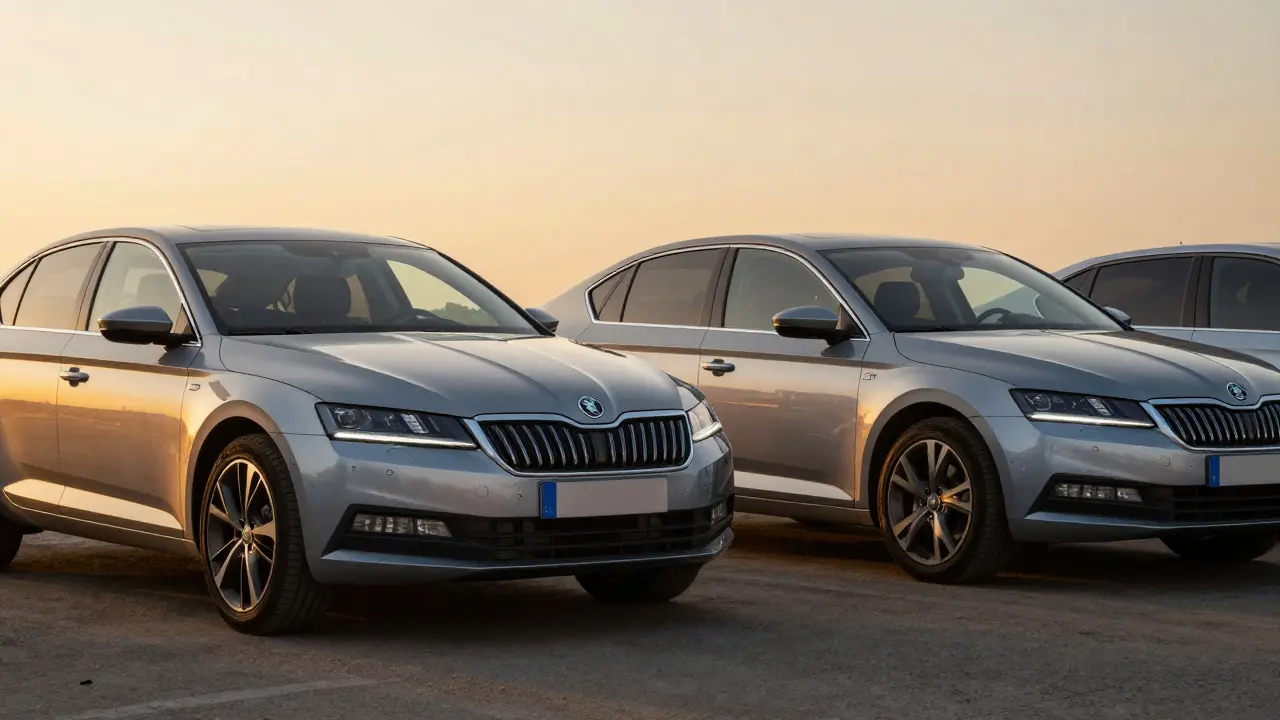
One buyer in Bristol bought a new Skoda Octavia with factory adaptive cruise. Six months later, the system glitched. The dealership fixed it for free. Another buyer added a cheap aftermarket dashcam. It fried the car’s fuse box. Repair cost: £800. Not covered.
The Bottom Line
Factory options aren’t just expensive add-ons. They’re part of the car’s DNA. They’re tested, integrated, and backed by the manufacturer. Aftermarket parts give you freedom-but freedom comes with risk.
If you want reliability, resale value, and peace of mind? Stick to factory. If you want to personalize your car on a budget and know exactly what you’re buying? Go aftermarket-but only with trusted brands and professional installation.
Remember: the cheapest upgrade isn’t always the smartest. Sometimes, the extra £500 upfront saves you £2,000 later.
Can I install aftermarket parts without voiding my warranty?
Yes, under UK consumer law, a dealer cannot void your entire warranty just because you added aftermarket parts. But they can refuse to cover repairs if they prove the aftermarket part caused the damage. For example, if you install a cheap performance chip and your engine fails, they can deny coverage for the engine-but not for unrelated issues like a faulty door lock.
Are factory options worth the extra cost?
For safety, performance, and integration features-yes. Factory adaptive cruise, heated seats, and tow packages are engineered to work with your car’s systems. Aftermarket versions often lack the same level of testing and integration. Plus, factory options hold their value better when you sell.
What aftermarket parts are safest to install?
Non-electrical, non-invasive upgrades are safest: floor mats, seat covers, window tint (if legal), and aesthetic trim. For performance or tech upgrades, stick to well-known brands like K&N (air filters), Eibach (suspension), or Alpine (audio). Always use a certified installer.
Do factory options affect insurance?
Yes. Insurance companies are notified of factory options during the build process and factor them into your premium. Aftermarket upgrades? You must declare them. Failing to declare a performance exhaust or upgraded wheels could invalidate your policy if you make a claim.
Is it better to order factory options at purchase or add them later?
Always order them at purchase. Factory options are cheaper when bundled into the build. Adding them later means paying full retail price, plus installation fees. You’ll also face longer wait times-sometimes months-because the car has to go back to the factory for modifications.
Comments
Kieran Danagher
Factory options are just a scam to make you pay more for the same damn thing. I had a Ford with factory heated seats that died after 18 months. Got a $120 aftermarket set from Amazon - still working like a charm. Dealerships don't care about quality, they care about profit margins.
February 26, 2026 at 08:28
Bridget Kutsche
I get where you're coming from, but if you're not careful with aftermarket stuff, you can end up with a car that's a nightmare to service. I went aftermarket on my Subaru's exhaust - sounded amazing at first, then the check engine light came on for months. Took two mechanics and $800 to fix the wiring mess. Factory integration isn't glamorous, but it's reliable.
February 28, 2026 at 01:33
Nathan Pena
The notion that aftermarket parts are 'cheaper' is a fallacy perpetuated by people who don't understand total cost of ownership. You're not just paying for the part - you're paying for the labor, the potential warranty denial, the depreciation hit, and the psychological stress of wondering if your transmission will explode on the highway. A £500 aftermarket hitch isn't a bargain - it's a liability disguised as a savings.
February 28, 2026 at 09:53
Sheila Alston
I'm just saying, if you're buying a car to customize it, why pay extra for factory options? You're just funding corporate greed. The factory doesn't care about your driving experience - they care about maximizing shareholder value. Real car enthusiasts build their own machines, not buy pre-packaged corporate fantasies.
February 28, 2026 at 16:24
Mike Marciniak
Did you know that factory options are secretly tied to GPS tracking and data harvesting? The software in those 'integrated' systems logs every trip, every speed, every brake application. The government and insurance companies use it to penalize you. Aftermarket parts? No telemetry. No tracking. Just freedom.
March 1, 2026 at 20:45
Kathy Yip
I think it's funny how people treat factory options like they're some kind of sacred tech. I mean, it's still just metal and wires. The real magic is in knowing what you need and not letting marketing trick you into paying for stuff you'll never use. I bought a truck with zero factory upgrades. Put on a $200 winch and some tires. Best decision I ever made.
March 3, 2026 at 00:25
Patrick Sieber
I live in Ireland and I've done both. Factory for safety systems - absolutely. Aftermarket for aesthetics - fine. But here's the thing: if you're not using a certified installer, you're gambling. I had a guy install aftermarket LED lights in my Golf. Two weeks later, the battery died every time I started the car. Turned out he tapped into the wrong CAN bus wire. Cost me €600 to fix. Not worth it.
March 3, 2026 at 17:24
OONAGH Ffrench
Factory options integrate. Aftermarket disrupts. That's the core truth. You can't just slap on a screen and expect it to behave like the car was designed for it. The car's brain doesn't speak to random hardware. It speaks to OEM code. When you break that language, you break the car's soul.
March 4, 2026 at 19:08
Jack Gifford
I used to be all about aftermarket until I got stuck in a roadside repair shop because my 'performance chip' fried the ECU. Took three weeks to get the part from Germany. The factory option was twice as expensive upfront, but it was covered under warranty. I got a loaner car. They fixed it in two hours. That's the difference between a gamble and a guarantee.
March 6, 2026 at 02:58
Rakesh Dorwal
Look man, if you're from India, you know factory parts are overpriced nonsense. We get our cars from Dubai, then upgrade everything here. A factory sunroof costs ₹1.5 lakh. Aftermarket? ₹35,000. And the quality? Better. Chinese manufacturers make better stuff now than the Germans. Stop being brainwashed by Western marketing.
March 8, 2026 at 00:05
Nikhil Gavhane
I just want to say thank you for writing this. I was torn between factory and aftermarket for my new Civic. This broke it down so clearly. I went factory on the adaptive cruise and the tow package. Saved the cash for a good set of floor mats. Best of both worlds. You made me feel smarter about my choices.
March 9, 2026 at 00:13
Sarah Meadows
Let me tell you something. America doesn't need foreign car companies dictating what 'premium' means. Factory options are just another way for BMW and Mercedes to keep us dependent on their overpriced junk. Real Americans build their own cars. We don't need their software. We don't need their sensors. We need freedom.
March 10, 2026 at 17:12
Vishal Gaur
I think people are overthinking this like its rocket science. I bought a Hyundai with zero options. Then I went to a local shop and got a new stereo, some tint, and a rearview camera. Total cost? Under 1000 bucks. The car runs better than ever. I don't care if it's not 'factory integrated' - it works. And I didn't have to wait six months for it to be built. Just saying.
March 11, 2026 at 03:39
sampa Karjee
You think factory options are safe? Ha. They're just corporate traps. The software updates they push through your infotainment? They're collecting your location, your voice commands, your driving habits. They sell it to advertisers. Aftermarket parts? No data. No tracking. Pure independence. You think you're getting value? You're getting surveilled.
March 12, 2026 at 03:49
Natasha Madison
I don't trust any of this. The government, the car companies, the dealers - they're all in cahoots. Factory options are just a way to make you pay more so they can track you better. I saw a video once where a guy's car shut down because he installed an aftermarket part. The car literally refused to start. That's not a glitch. That's control. They don't want you to modify your car. They want you to be a slave to their system.
March 13, 2026 at 17:03