
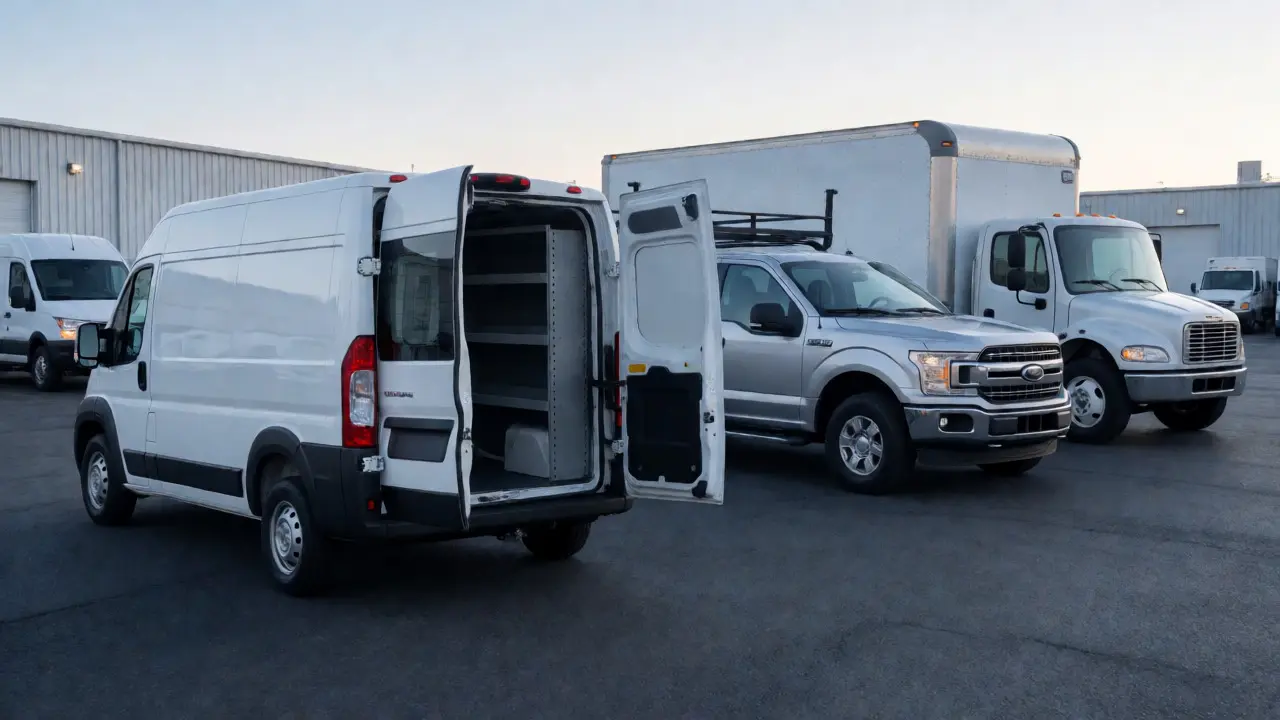
You just bought a van. It looks great on the lot. But six months later, you’re paying for custom shelving, dealing with poor fuel economy, and realizing the transmission is already slipping. Sound familiar? Most fleet managers get burned not by the sticker price, but by what happens after the keys are handed over. Choosing fleet vehicles isn’t about picking the coolest truck; it’s about predicting three years of operational pain and profit.
The Real Cost of Ownership
Stop looking at the purchase price alone. That number is a lie. What matters is Total Cost of Ownership (TCO). This includes depreciation, fuel, maintenance, insurance, and downtime. A cheaper truck that breaks down twice as often costs more than a premium model that stays on the road. For example, a mid-size pickup might save you $5,000 upfront, but if it lacks the payload capacity for your jobs, you’ll buy an extra unit to cover gaps. That’s another $30,000 plus insurance and registration.
Depreciation is usually the biggest hidden killer. Some brands hold value better than others. Toyota Tacoma and Ford F-150 retain value well because demand remains high in the used market. If you plan to keep vehicles for five years, depreciation hits harder. If you swap them out every two years, you can exploit warranty periods and sell while they’re still desirable. Always check residual values from sources like Kelley Blue Book or ALG before signing a lease.
Matching Vehicle Type to Job Function
Not every job needs a heavy-duty dually. In fact, oversizing kills efficiency. An oversized engine burns more fuel and wears tires faster without adding productivity. Here’s how to match the tool to the task:
- Last-Mile Delivery: You need agility and visibility. Look at compact vans like the Mercedes-Benz Sprinter or Ram ProMaster. They fit tight urban streets and have low step-in heights for frequent stops.
- Field Service Technicians: Payload and storage matter most. Light-duty pickups (Ford F-150, Chevy Silverado 1500) offer enough bed space for tools while remaining easy to drive. Avoid full-size vans unless you carry bulky equipment.
- Construction & Heavy Haul: Go for medium-duty trucks (Ford F-650, Isuzu N-Series). These handle cranes, dump bodies, and heavy loads without straining the chassis.
- Sales & Executive Fleets: Comfort and image count. Sedans and crossovers like the Toyota Camry or Honda CR-V provide reliability and lower insurance premiums compared to luxury SUVs.
Consider electrification carefully. Electric vehicles (EVs) like the Ford E-Transit or Rivian EDV reduce fuel and maintenance costs significantly. However, range anxiety is real for long-haul routes. EVs shine in fixed-route, stop-and-go environments where regenerative braking recovers energy. Don’t force an EV into a rural, long-distance role unless charging infrastructure is guaranteed along the route.
Lifecycle Management: Buy, Lease, or Rent?
Your financing strategy dictates your cash flow and flexibility. There’s no one-size-fits-all answer. It depends on capital availability and utilization rates.
| Option | Best For | Cash Impact | Long-Term Cost |
|---|---|---|---|
| Purchase | High-utilization assets kept 5+ years | High upfront or loan debt | Lowest per-mile cost over time |
| Operating Lease | New tech models, predictable budgets | Low monthly payments | Higher total spend; no equity |
| Finance Lease | Tax advantages, eventual ownership | Moderate monthly payments | Builds equity; interest costs |
| Rental | Short-term spikes, seasonal demand | No long-term commitment | Highest daily rate; flexible |
If your fleet ages out quickly due to wear and tear, leasing lets you cycle through new models without worrying about resale headaches. If you run vehicles hard until they drop, buying outright wins. Just remember to budget for disposal fees. Scrapping an old truck isn’t free, especially if it contains hazardous materials like batteries or refrigerants.
Upfitting: Customizing for Productivity
Stock vehicles rarely meet specialized needs. Upfitting modifies the vehicle to suit its specific job. This could mean installing ladder racks, service bodies, refrigeration units, or telematics hardware. Poorly planned upfits lead to weight issues and safety hazards.
Start with weight distribution. Every pound of added equipment reduces payload capacity. If you install a heavy steel rack on a light-duty truck, you might exceed the Gross Vehicle Weight Rating (GVWR). This voids warranties and accelerates brake and suspension wear. Always consult the manufacturer’s conversion guidelines. Many OEMs have certified upfitter programs that ensure modifications don’t compromise structural integrity.
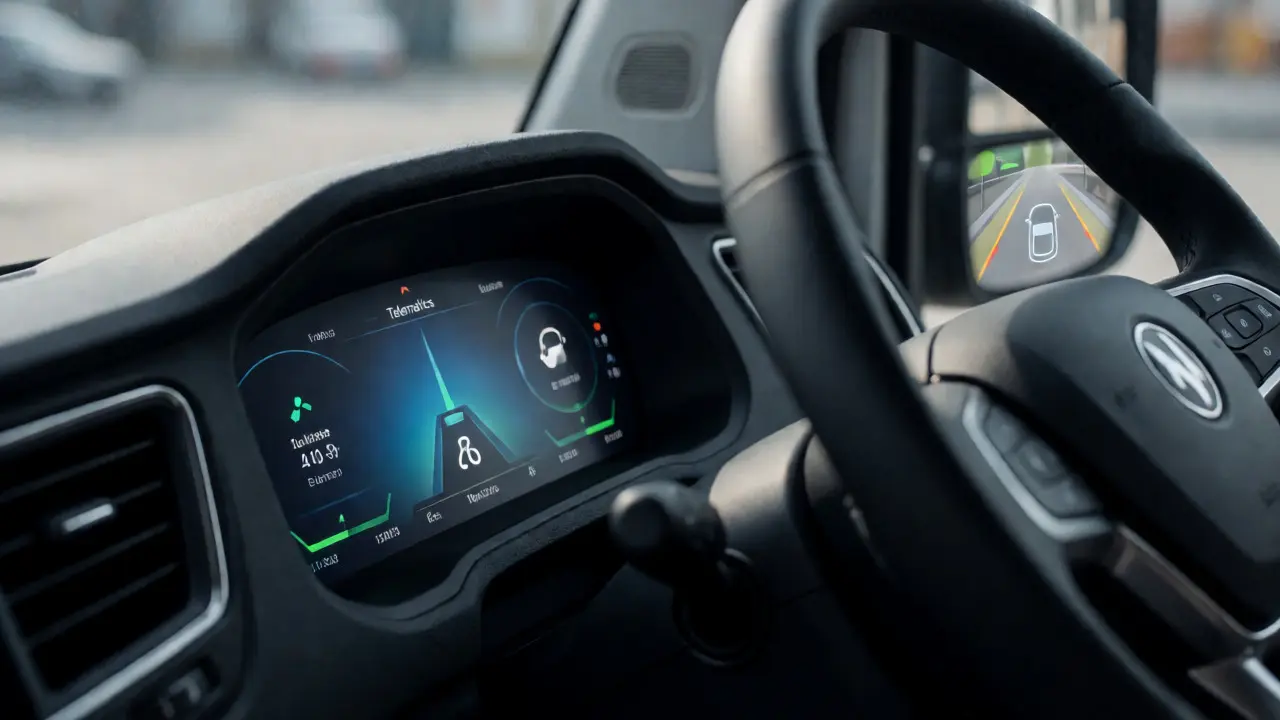
Telematics is the most critical modern upfit. GPS trackers monitor location, speed, idle time, and driver behavior. This data helps you optimize routes and coach drivers. For instance, excessive idling wastes fuel and increases engine hours unnecessarily. By tracking this, you can cut fuel costs by 10-15% simply by changing habits. Ensure your telematics provider integrates with your existing fleet management software to avoid data silos.
Maintenance Strategy and Downtime
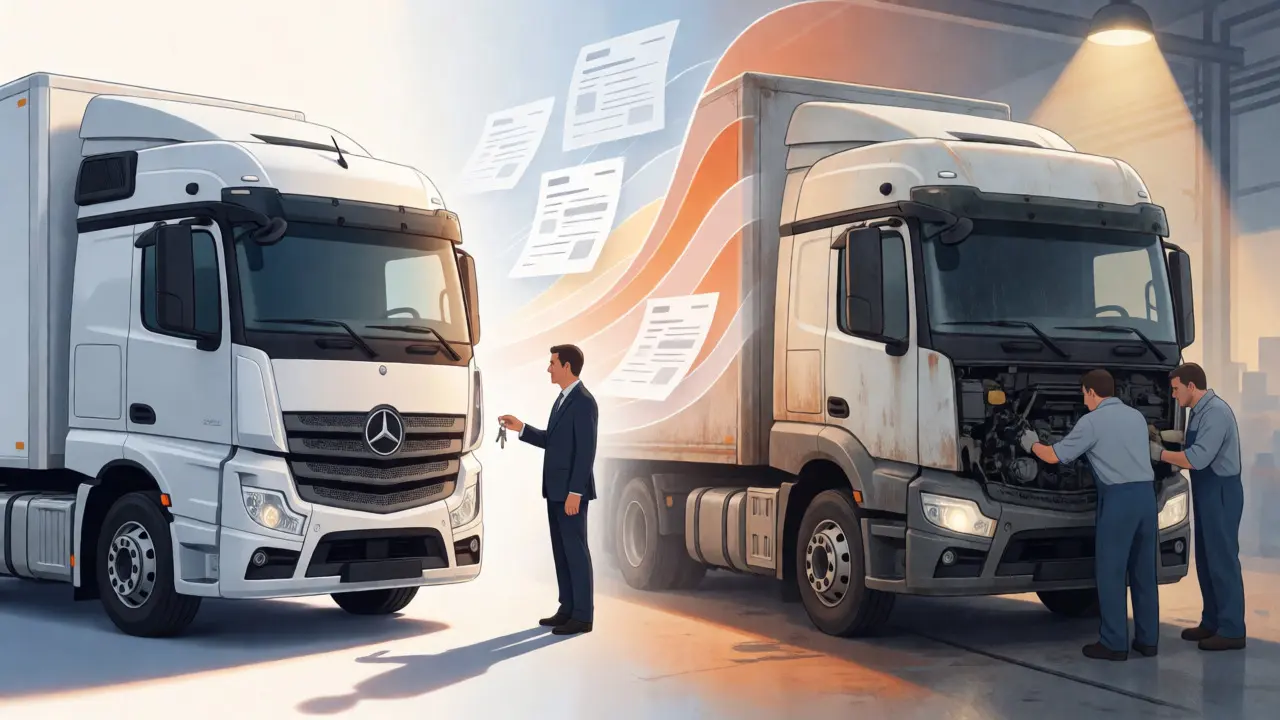
Downtime is the silent budget killer. A vehicle sitting in a shop earns zero revenue. Preventive maintenance beats reactive repairs every time. Stick to the manufacturer’s severe-service schedule if your vehicles operate in dust, heat, or stop-and-go traffic. Standard schedules assume ideal conditions, which rarely exist in real-world fleets.
Standardize your fleet whenever possible. Mixing too many makes and models complicates inventory for parts and training for mechanics. If all your service trucks are Ford F-150s, you only need one set of diagnostic tools and one type of oil filter. This simplicity saves money and time. When breakdowns happen, having a local vendor relationship ensures priority service. Negotiate flat-rate labor agreements to control repair costs.
Track key metrics religiously. Monitor cost-per-mile, average days between failures, and repair frequency. If a specific model consistently exceeds your budget threshold, flag it for early replacement. Sometimes, it’s cheaper to sell a problematic unit early than to keep fixing it. Use historical data to predict when replacements are needed rather than waiting for catastrophic failure.
Regulatory Compliance and Safety
Fleets face stricter regulations than personal vehicles. DOT compliance, emissions standards, and safety inspections vary by state and vehicle class. Heavy-duty trucks require regular DOT inspections. Failure to comply results in fines and grounded vehicles.
Safety features should be non-negotiable. Backup cameras, blind-spot monitoring, and automatic emergency braking reduce accident rates. Accidents spike insurance premiums and cause liability issues. Investing in advanced driver-assistance systems (ADAS) pays off in reduced claims. Train drivers on these technologies so they use them correctly instead of ignoring alarms.
What is the best vehicle for last-mile delivery?
Compact vans like the Ram ProMaster or Mercedes-Benz Sprinter are ideal due to their maneuverability, large cargo volume, and low floor height. They allow quick entry and exit, which is crucial for multiple daily stops.
How does upfitting affect vehicle resale value?
Specialized upfits can narrow the buyer pool, potentially lowering resale value. However, popular conversions like utility racks or service bodies may add value for niche buyers. Generic, removable accessories tend to preserve value better than permanent structural changes.
Is leasing better than buying for small fleets?
Leasing offers predictable cash flow and access to newer technology without large capital outlays. It suits businesses with rapid growth or those wanting to avoid maintenance risks. Buying is better for long-term asset retention and lower total cost over many years.
What factors influence fleet vehicle depreciation?
Brand reputation, mileage, condition, market demand, and economic trends drive depreciation. High-demand models with strong brand loyalty depreciate slower. Excessive mileage and poor maintenance accelerate value loss.
How do telematics improve fleet efficiency?
Telematics track location, speed, idle time, and driving behavior. This data optimizes routes, reduces fuel consumption, prevents unauthorized use, and improves driver safety through coaching, leading to significant cost savings.
Comments
Quintin Franzese
Oh, wow, another article telling me that buying the cheapest truck is a bad idea. Groundbreaking stuff here. Truly revolutionary insights from someone who has never actually driven one of these beasts into the ground.
September 2, 2026 at 01:14
Jeff Falcon
I totally agree with the sentiment about total cost of ownership because I have seen so many guys on my team get burned by just looking at the sticker price and then realizing three months later that they are spending all their profit margins on brake pads and transmission fluid which honestly makes you want to cry a little bit every time you look at the invoice.
It is really important to remember that when you are running a fleet you are not just buying a vehicle you are buying a promise of reliability and if that promise breaks then your whole schedule goes out the window and you end up paying overtime to fix mistakes that could have been avoided if you had just spent a few extra bucks upfront on a better model that didn't fall apart after ten thousand miles.
Also the part about standardizing your fleet is super underrated because trying to keep parts for five different brands of trucks in a small warehouse is a nightmare for inventory management and it slows down repairs significantly since mechanics have to spend half their day figuring out which oil filter fits which engine instead of just grabbing the one bin they know works for every single truck in the yard.
I think people also forget about the driver experience aspect because if the truck is uncomfortable or hard to drive then drivers are more likely to make mistakes or quit their jobs which leads to higher turnover costs and training expenses that eat away at any savings you thought you made by buying the cheaper option in the first place.
So yeah, don't be fooled by the shiny new paint job on the lot because underneath that exterior is either a reliable workhorse that will make you money or a money pit that will drain your bank account faster than you can blink and trust me on this because I have lived through both scenarios multiple times over the last decade of managing logistics operations.
September 3, 2026 at 13:36
Brenna Gonedrman
THIS IS SO TRUE IT HURTS!!!
I literally cannot believe how many people ignore depreciation like it’s not real life! You buy a cheap piece of junk thinking you’re saving cash but then you try to sell it two years later and it’s worth absolutely NOTHING because nobody wants to buy a used version of that specific model!
Toyota Tacoma holds value because everyone loves them! Ford F-150 holds value because everyone drives them! If you buy some obscure brand just to save $3k you are going to lose $10k when you try to resell it!
And stop saying leasing is always better! If you keep a car for 7 years buying wins EVERY TIME! The math doesn’t lie! Stop being lazy and do the TCO calculation properly before signing anything!
September 4, 2026 at 02:03
Joanna Mucha
The notion of 'Total Cost of Ownership' is merely a capitalist construct designed to obscure the existential dread of mechanical entropy.
We speak of 'upfitting' as if we are enhancing the soul of the machine, yet in reality, we are burdening it with our own materialistic desires for organization and efficiency.
To view a van as a mere tool for delivery is to miss the poetic tragedy of its eventual obsolescence; it is a vessel of modernity that inevitably returns to rust.
Perhaps we should consider whether the obsession with fuel economy is simply a distraction from the deeper void within our corporate structures.
One must ask: does the telematics data truly capture the human spirit, or does it merely quantify our failure to connect?
September 4, 2026 at 23:24
Elizabeth Brooks
Great points! Just wanted to add that for field service techs, dont forget about the power outlets! We switched to trucks with built-in inverters and it saved us so much time not having to run extension cords from generators anymore.
Also regarding EVs, they are great for fixed routes but check your local utility rates first. Some places have peak hour pricing that kills the savings if you cant charge overnight.
Standardization is key. We use GM platforms now and it makes ordering parts way easier. Hope that helps anyone struggling with mixed fleets!
September 6, 2026 at 15:44
Elisabeth Ballet
Listen up, managers! This isn't just about picking a truck, it's about empowering your team with the right tools!
If you give your drivers a vehicle that fights them every mile, they lose morale, and morale drives performance!
Invest in comfort, invest in safety, and watch your productivity skyrocket!
Don't let budget cuts dictate poor decisions that hurt your bottom line in the long run!
You've got this! Go out there and build a fleet that supports your vision, not one that hinders it!
Let's stop making excuses and start making smart moves for our crews!
September 6, 2026 at 16:04
Zach Loescher
I appreciate the balanced perspective here. It seems like there are valid arguments for both leasing and buying depending on the specific business cycle.
I'm curious about how others handle the transition period when switching from ICE to EVs in a mixed fleet environment?
Maybe sharing some real-world examples would help clarify the practical challenges mentioned in the post.
September 7, 2026 at 20:41
Tamara Miller
Well, finally someone says what needs to be said...
It is high time we stopped ignoring the environmental impact of these massive fleets!!
Why are we still debating 'fuel economy' when we should be mandating electric only?!
The fact that you even mention 'leasing' as an option shows a lack of moral courage...
Most companies just lease to avoid responsibility for the disposal process, which is frankly shameful...
And don't get me started on the 'telematics' surveillance...
Is it really necessary to track every second of a driver's idle time?...
It feels invasive and unnecessary for basic operational metrics...
But I suppose corporations care more about pennies than people anyway...
September 9, 2026 at 06:37
Courtney Wagstaff
Love this breakdown! 🚐✨ The part about matching the vehicle to the job function is spot on.
I’ve seen too many folks try to cram a square peg into a round hole, literally speaking with those overloaded beds.
It’s like wearing shoes that don’t fit – you might get somewhere, but your feet (and wallet) are gonna suffer!
Definitely keeping the residual value tip in mind for our next refresh cycle. Thanks for sharing!
September 9, 2026 at 17:05
Susan Cole
I prefer to keep things simple. Buying outright seems safer for long-term stability. Leasing adds complexity I don't need. Downtime is manageable with good maintenance schedules. Safety features are indeed non-negotiable. That is all I have to say on this matter.
September 11, 2026 at 05:34
Alyson Karson
OMG YES!! The upfitting section is crucial!!
People always forget weight distribution and then wonder why their suspension blows out!!
We learned the hard way with heavy steel racks on light-duty frames!!
Check the GVWR every single time!!
Telematics are a game changer for cutting idle time!!
Stop letting drivers sit around burning gas!!
Get your fleet optimized NOW!!
September 11, 2026 at 19:29