
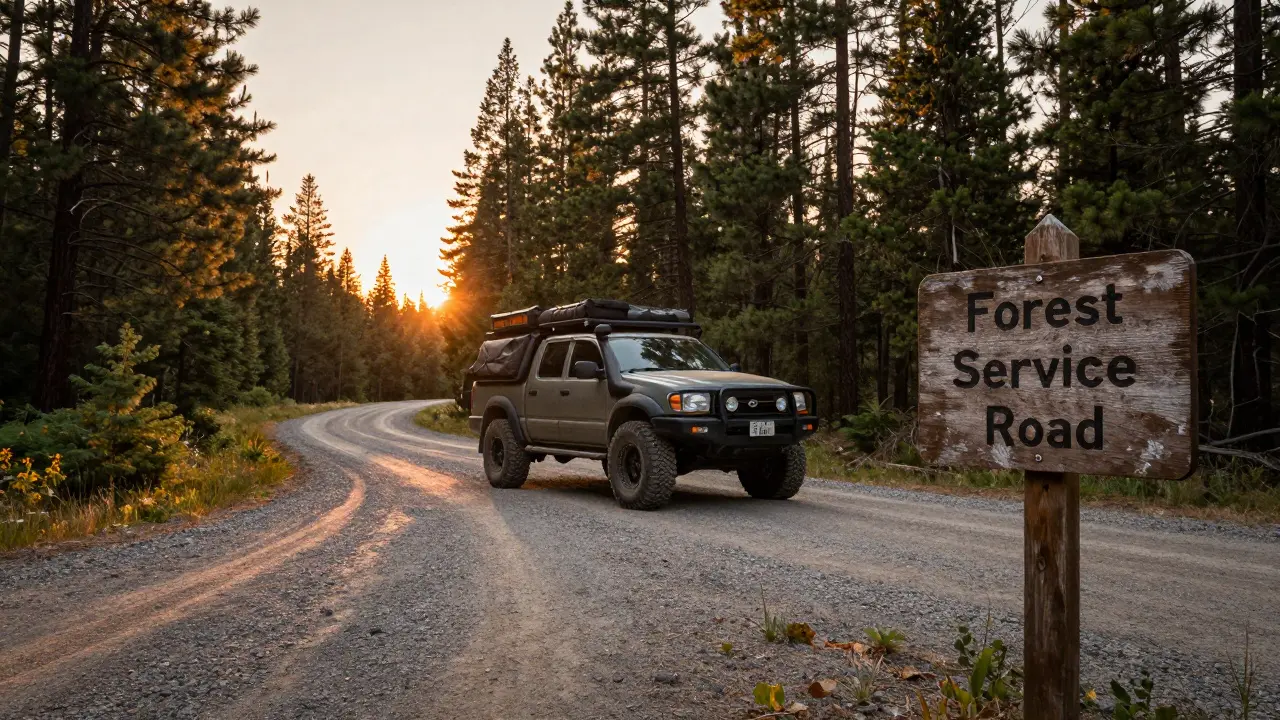
Imagine this: you’ve got your truck loaded with gear, the sun is setting, and you’re ready to escape the noise of the city. You pull up to a gravel road marked 'Forest Service Road' or a sign that says 'BLM Land.' It looks open. It looks inviting. But before you put it in four-wheel drive and head up that hill, you need to know one thing-open doesn't always mean free for everyone.
Navigating public lands in the United States can feel like deciphering an ancient code. One minute you're cruising on a wide dirt road, and the next, you hit a locked gate or a confusing sign about vehicle restrictions. Getting it wrong isn't just annoying; it can lead to hefty fines, towed vehicles, or worse, damaging fragile ecosystems you came to enjoy. This guide cuts through the bureaucracy to tell you exactly how to access these roads legally, safely, and respectfully.
Who Actually Owns That Dirt?
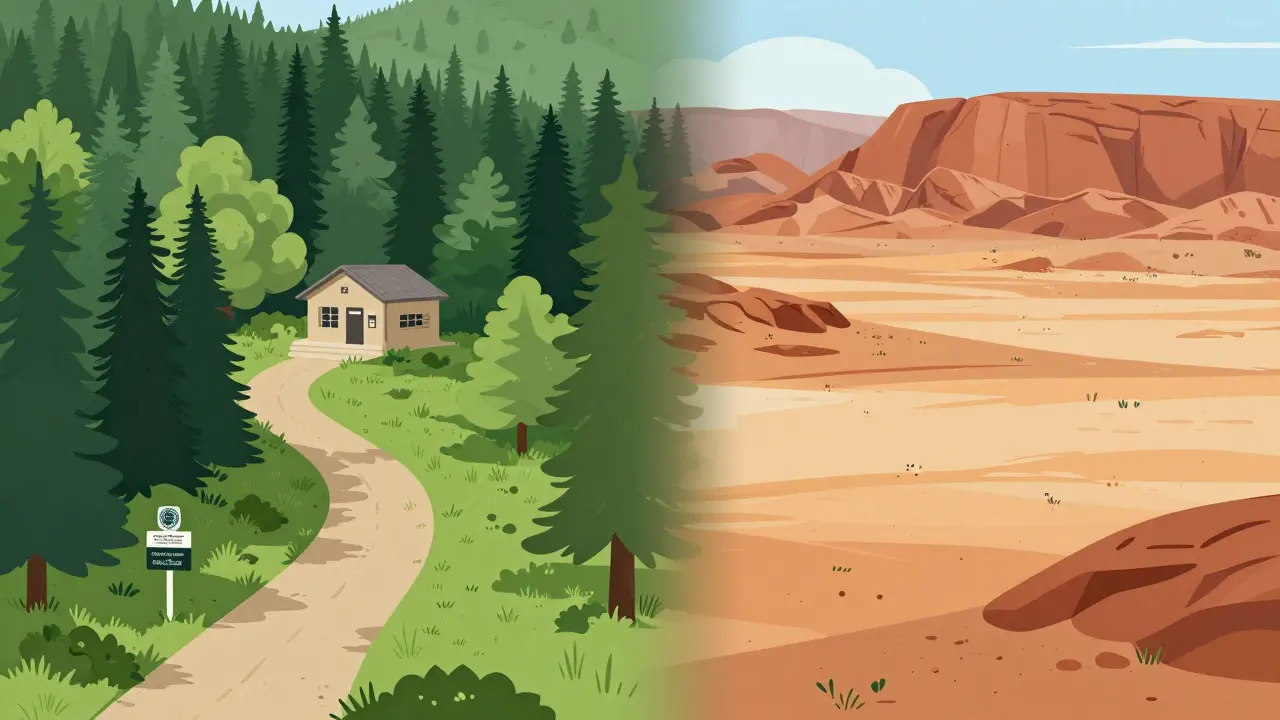
The first mistake most new off-roaders make is assuming all government land is managed the same way. It’s not. In the US, federal land is primarily split between two major agencies: the U.S. Forest Service (USFS) and the Bureau of Land Management (BLM). Understanding the difference changes everything about how you plan your trip.
The U.S. Forest Service manages national forests. Their mission is multiple-use, meaning they balance recreation with timber harvesting, grazing, and conservation. Generally, USFS roads are more developed. You’ll find paved trails, maintained campgrounds, and clear signage. However, because these areas often have dense vegetation and water sources, they are stricter about staying on designated roads to prevent erosion and protect wildlife habitats.
The Bureau of Land Management handles vast stretches of arid land, mostly in the West. BLM land is often more rugged and less developed. While they also promote multiple-use, their approach can be more permissive regarding dispersed camping and vehicle types, provided you stay on existing trails. The key takeaway? USFS tends to be more structured; BLM is often wilder but requires more self-reliance.
Then there's state land and private in-holdings. Just because a road runs through a national forest doesn't mean the land under it is federal. Private owners can block access at any point. Always check a map. If a GPS line goes through a property labeled 'Private,' do not cross. Trespassing on private land within public boundaries is a common trap for unsuspecting adventurers.
Decoding the Permit Maze
You don’t always need a permit to drive on a forest service road, but you often need one to *do* anything else. Let’s break down when you actually have to pay or register.
- Standard Day Use: Driving on open, maintained roads usually costs nothing. No permit required. Just keep moving and don't block traffic.
- Dispersed Camping: Sleeping in your car or pitching a tent outside a designated campground is often free on both USFS and BLM land. However, some high-demand areas now require a 'Wilderness Permit' or a digital registration via apps like Recreation.gov. Check local ranger district websites before you go.
- Special Recreation Permits (SRP): If you're leading a group larger than seven people, or if you're organizing an event, you likely need an SRP. This applies to hunting groups, photography crews, and large family reunions. The fee varies by location but ensures the area isn't overwhelmed.
- Vehicle-Specific Passes: Some popular OHV (Off-Highway Vehicle) areas require a specific day-use pass. These are often sold at kiosks near trailheads or online. For example, the Moab area in Utah has strict pass requirements for certain dune buggies and side-by-sides.
A pro tip: Always carry proof of your permit or registration. Rangers do conduct random checks, especially during peak seasons like summer and fall foliage. A screenshot of your confirmation email on your phone is usually sufficient, but printing it out is safer if cell service is spotty.
Vehicle Restrictions: What Can You Drive Where?
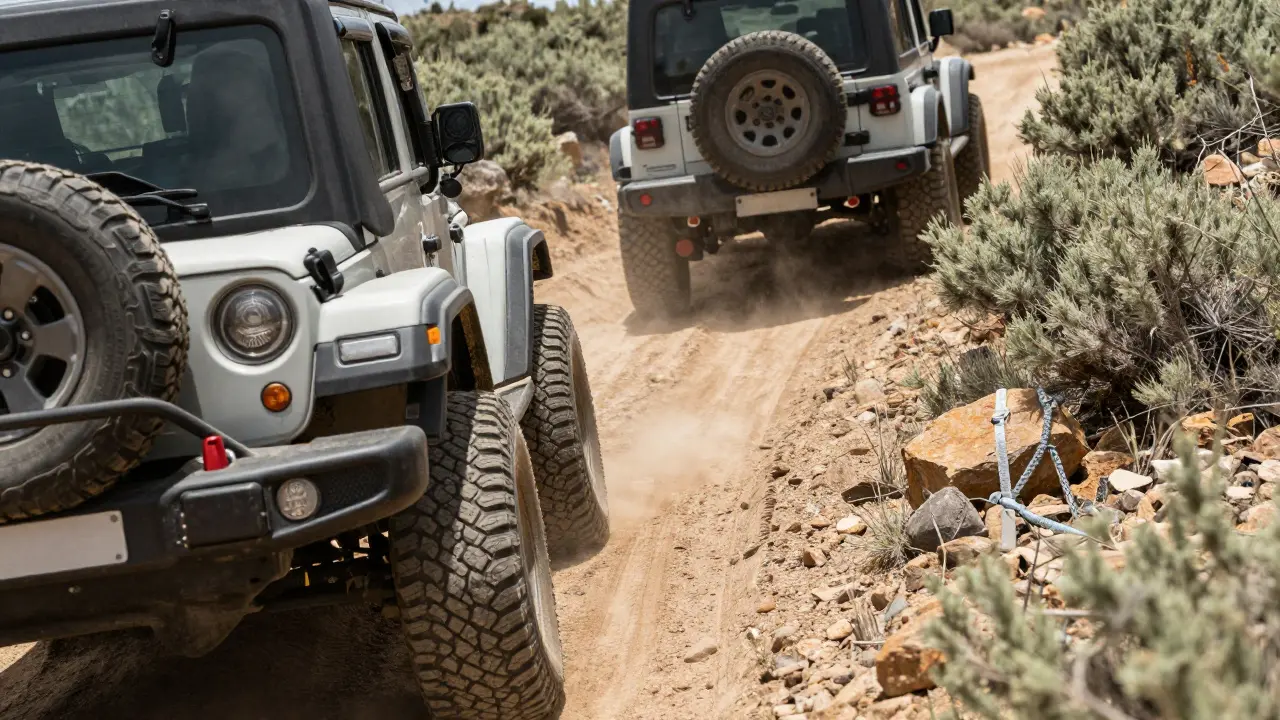
This is where most arguments start. Not every road is legal for every vehicle. The signs might say '4WD Only,' 'High Clearance Required,' or 'No Motorized Vehicles.' Ignoring these isn't just rude; it's illegal.
| Road Type | Typical Surface | Allowed Vehicles | Restrictions |
|---|---|---|---|
| Maintained Forest Road | Gravel, Packed Dirt | Cars, SUVs, Trucks | Stay on road; no off-trail driving |
| Primitive Trail | Rocky, Muddy, Narrow | 4WD Trucks, Jeeps | High clearance needed; low range recommended |
| OHV Designated Area | Sand, Hardpack, Obstacles | Dirt Bikes, ATVs, UTVs | No street-legal cars allowed |
| Wilderness Zone | Natural Terrain | Hikers, Horses | No motorized vehicles of any kind |
Pay close attention to the term 'Designated Routes.' On federal land, you are generally only allowed to drive on established roads and trails. Going 'off-road' to take a shortcut or get better views is strictly prohibited. Why? Because treads expand. When one person drives off-trail, others follow, creating a web of destruction that harms plant life and causes soil erosion. Stick to the beaten path, even if it looks boring compared to the grassy slope next to it.
The Golden Rules of Off-Road Etiquette
Laws are the minimum standard. Etiquette is what keeps us welcome. Local communities and other visitors judge the entire off-road community based on the actions of the few. Here’s how to leave no trace and make friends instead of enemies.
- Yield to Upward Traffic: On steep hills, gravity is the boss. Vehicles going uphill have momentum and control issues. If you're coming down, pull over and let them pass. It’s basic physics and courtesy.
- Control Your Speed: Dust is a nuisance. Mud is a hazard. Driving fast kicks up debris that blinds other drivers and damages nearby vegetation. Keep it slow and steady.
- Pack It In, Pack It Out: This includes trash, yes, but also firewood. Never collect dead wood from the forest floor for your campfire unless explicitly told you can. Firewood carries pests and diseases like Emerald Ash Borer that can devastate local trees. Buy firewood locally or use propane.
- Respect Quiet Hours: Most public lands have quiet hours, typically from 10 PM to 6 AM. Blasting music or revving engines late at night will get you reported faster than anything else.
- Don't Block the Road: If you stop to take photos or admire the view, pull completely off the roadway. Forest service roads are narrow. Blocking them frustrates emergency responders, log trucks, and other campers.
What Happens If You Break the Rules?
Let’s talk consequences. It’s not just a slap on the wrist. Federal rangers and state troopers take violations seriously. Common penalties include:
- Fines: Violations like trespassing, off-trail driving, or camping without a permit can result in fines ranging from $100 to over $5,000, depending on the severity and jurisdiction.
- Towing: If your vehicle is blocking a road or parked in a closed area, it will be towed at your expense. Towing from remote forest locations can cost thousands of dollars.
- Criminal Charges: Repeated offenses or severe environmental damage can lead to misdemeanor charges. This stays on your record and can ban you from accessing public lands entirely.
Rangers aren't trying to ruin your fun. They're protecting resources that millions of people rely on. If a ranger approaches you, be polite. Listen to their instructions. Arguing rarely helps and often makes things worse.
Planning Your Trip: Tools and Resources
Before you turn your engine on, spend twenty minutes planning. Here’s your checklist:
- Check Conditions: Visit the official USFS or BLM website for the specific district you're visiting. Look for 'Road Closures' and 'Fire Restrictions.' Dry conditions often mean no fires are allowed, and wet conditions mean roads are closed to prevent mud damage.
- Download Offline Maps: Cell service is unreliable in forests. Apps like Gaia GPS, OnX Offroad, or CalTopo allow you to download maps for offline use. These show trail ratings, closures, and user reviews.
- Notify Someone: Tell a friend or family member where you're going and when you'll be back. Carry a satellite communicator like a Garmin inReach if you're heading deep into the backcountry.
- Prepare Your Vehicle: Ensure you have a spare tire, jack, recovery straps, and enough fuel. Gas stations are miles apart. Consider carrying extra water and food.
Remember, access is a privilege, not a right. By following the rules and respecting the land, we ensure these roads stay open for future adventures. Now, pack your gear, check your tires, and hit the trail responsibly.
Do I need a permit to drive on Forest Service roads?
Generally, no. You can drive on open, maintained Forest Service roads without a permit for day use. However, you may need a permit for dispersed camping, special events, or if you are entering a specific OHV (Off-Highway Vehicle) zone that requires a day-pass. Always check the local Ranger District website for specific requirements.
Can I camp anywhere on BLM land?
In most cases, yes, BLM allows dispersed camping for up to 14 days within a 28-day period. However, you must camp at least 100 feet away from water sources and existing campsites. Some high-demand areas near cities may have restricted zones or require reservations. Always look for posted signs indicating closed areas.
What is the penalty for off-trail driving?
Off-trail driving on federal land is illegal and can result in fines ranging from $100 to $5,000. In severe cases involving significant environmental damage, you may face criminal charges. Rangers actively patrol popular areas, so sticking to designated trails is crucial for both legal and ecological reasons.
How do I know if a road is open?
Check the official website of the USFS or BLM district managing the land. Look for seasonal closures due to snow, mud, or wildfire risk. Physical signs at trailheads are the final authority. If a gate is locked or a sign says 'Closed,' do not enter, regardless of what online forums say.
Is it okay to build a campfire on public land?
Only if fires are permitted in that specific area. During dry seasons, many forests impose total fire bans. If fires are allowed, use existing fire rings and never leave a fire unattended. Collecting dead wood from the ground is often prohibited to prevent the spread of tree diseases; buy firewood locally instead.
Comments
Addison Smart
I appreciate the comprehensive breakdown of the differences between USFS and BLM management styles, as it is often overlooked that 'public land' is not a monolith but rather a patchwork of distinct regulatory frameworks with varying philosophies on conservation versus recreation. The distinction you draw regarding the structured nature of National Forests compared to the more rugged, self-reliant expectations of BLM territories is crucial for anyone planning an excursion, because assuming uniformity across these agencies can lead to significant legal and logistical pitfalls for the unprepared adventurer. It is also worth noting that while the post mentions private in-holdings, the complexity of property boundaries within federal lands often requires more than just a quick glance at a GPS line, as historical easements and overlapping claims can create gray areas that are best navigated by consulting detailed topographic maps or speaking directly with local ranger stations before committing to a route.
May 23, 2026 at 05:21
Barbara & Greg
One must reflect upon the moral imperative of adhering to these regulations, for the degradation of our natural environments is not merely a bureaucratic infraction but a profound ethical failure against the collective human heritage and the intrinsic value of the wilderness itself. To drive off-trail is to assert a selfish dominance over the earth, disregarding the delicate ecosystems that sustain life and the quiet dignity of the landscape which deserves protection from the careless tread of motorized vehicles. We are stewards, not owners, and our actions should be guided by a reverence for nature that transcends mere compliance with fines or the fear of towing fees.
May 24, 2026 at 07:09
David Smith
Another long winded article about rules nobody reads until they get fined, honestly this is just gatekeeping disguised as helpful advice and I am tired of people acting like they own the mountains just because they bought a $50k Jeep. You go out there, have fun, don't kill anyone, and if you make a little mess who cares, the forest grows back and your precious rangers have nothing better to do than sit in their trailers judging us. It's all propaganda to keep the average joe off the trails so the elite club can have it all to themselves without any real consequences or accountability for their own ego trips.
May 24, 2026 at 16:24
Lissa Veldhuis
oh honey please, you think a few sentences here saves the planet? i've seen folks camping right next to water sources despite signs screaming NO CAMPING and then blaming the government when their fire gets out of control, it's not the rules it's the sheer incompetence and laziness of the modern outdoor enthusiast who treats national parks like a backyard BBQ. stop whining about permits and start learning basic respect for the land, because nature doesn't care about your feelings or your expensive gear, it will crush you if you're stupid enough to ignore the obvious warnings posted everywhere.
May 26, 2026 at 03:29
Michael Jones
let's embrace the adventure with open arms and full throttle, because life is too short to worry about every little sign when the horizon calls to us with its wild promise of freedom and discovery. we are explorers at heart, driven by an innate desire to push boundaries and experience the raw power of the earth beneath our tires, so let's charge forward with confidence and trust that our instincts will guide us safely through the unknown terrain. energy is key, momentum is everything, and hesitation is the only true enemy on the trail, so rev up that engine and show the world what you're made of.
May 27, 2026 at 15:16
allison berroteran
I find myself wondering how we might cultivate a deeper sense of community responsibility among off-road enthusiasts, perhaps by encouraging mentorship programs where experienced drivers can share not only technical skills but also the philosophical underpinnings of Leave No Trace principles with newer participants who may not yet fully grasp the long-term ecological impacts of their choices. It would be wonderful to see a shift towards collaborative stewardship, where the joy of exploration is balanced with a gentle, thoughtful approach to preservation, allowing everyone to enjoy the beauty of these landscapes without compromising their integrity for future generations who deserve to witness the same wonders we cherish today.
May 28, 2026 at 20:00
Gabby Love
The point about buying firewood locally is critical and often ignored by casual campers who assume dead wood on the ground is free for the taking, unaware that transporting it across state lines is the primary vector for invasive species like the Emerald Ash Borer which has devastated millions of trees in the Midwest. I always carry a small propane stove anyway because it's cleaner, faster, and eliminates the hassle of gathering fuel, plus you don't have to worry about fire bans or leaving any trace behind other than your footprints which disappear after the first rain.
May 30, 2026 at 04:15
Jen Kay
Oh, how delightful that someone finally decided to write a manual on how to behave in public spaces, as if common courtesy was ever in short supply among the off-road community, but sure, let's pretend that yielding to upward traffic is some groundbreaking revelation rather than basic physics that even a child could understand. I suppose we should all bow down to the authority of these guidelines and pretend that following them makes us morally superior, when in reality most people just want to park illegally and block the road for twenty minutes to take a selfie, regardless of the emergency vehicles stuck behind them.
May 31, 2026 at 13:22