
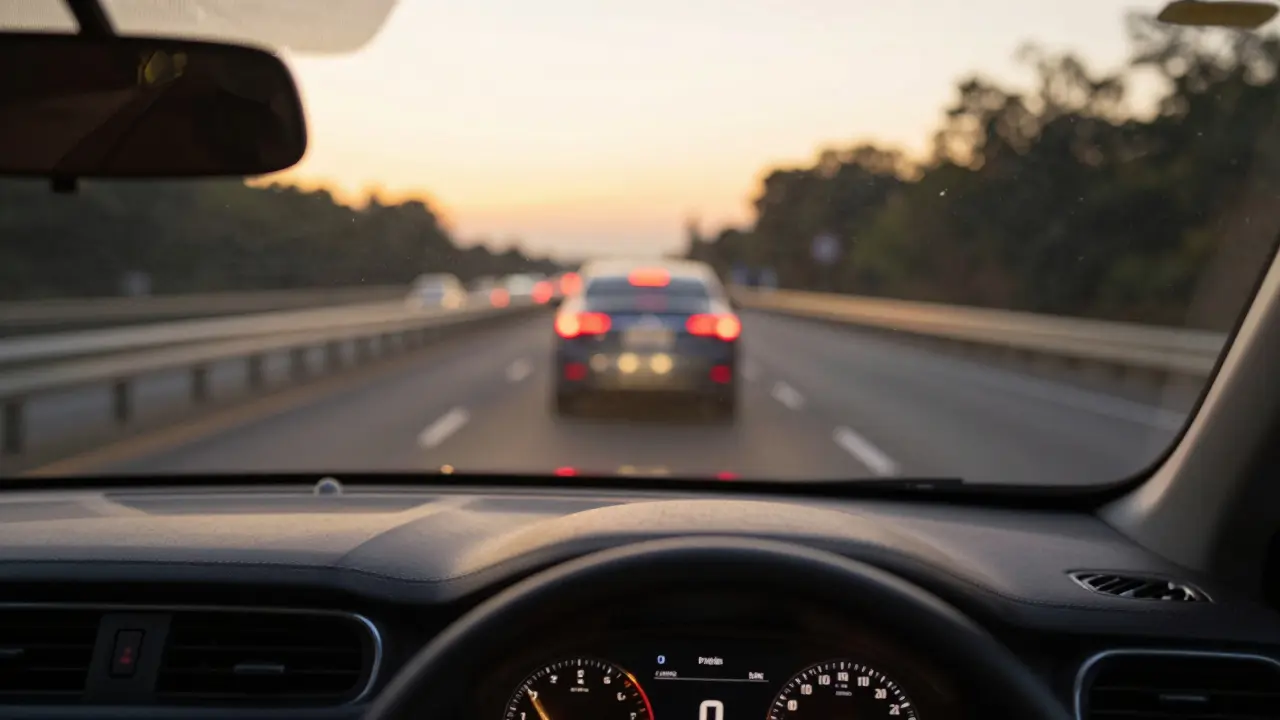
Imagine you are driving down a busy motorway in late afternoon traffic. The car in front suddenly slams its brakes to avoid debris on the road. You see the red taillights, but your reflexes aren't fast enough to prevent a rear-end impact before the system kicks in. This split-second scenario highlights why Forward Collision Warning is arguably the most critical safety technology in modern vehicles. Unlike older safety features that protect you after a crash happens, like airbags, this system actively tries to stop the accident from occurring in the first place. By mid-2026, nearly every new vehicle sold in major markets includes some version of this feature as standard equipment. Understanding how it works helps you make better decisions when purchasing a car and using the vehicle safely.
How Does the System Work?
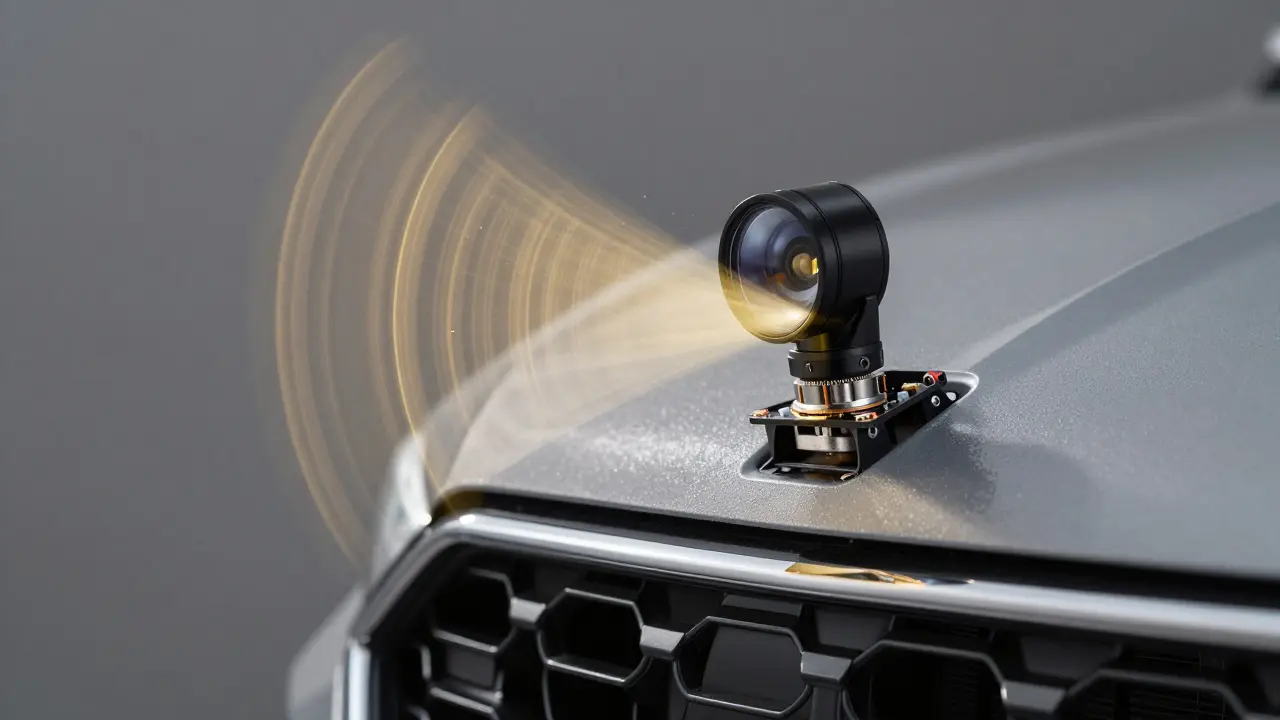
The core function of Forward Collision Warning relies on a complex network of sensors mounted on your vehicle. These components constantly scan the area ahead of the bumper. They measure distance and speed relative to the car in front of you. If the computer calculates that the gap between vehicles is shrinking too quickly for the driver to react safely, the system triggers an alert.
This process happens in three distinct phases. First, the detection phase uses hardware like radar and cameras to gather raw data. Next, the processing phase sends this data to a central computing unit running advanced algorithms. Finally, the notification phase alerts the driver through visual warnings on the dashboard, loud beeping sounds, or physical vibrations in the steering wheel or seat. Some newer models even flash bright lights near the windshield to grab your peripheral vision.
It is important to distinguish this from passive monitoring. The system does not just record distance; it predicts future trajectory. It factors in your current speed, the speed of the vehicle ahead, and even road conditions inferred from traction control data. For example, if the weather module detects rain affecting grip, the warning threshold might trigger earlier to compensate for longer stopping distances.
Sensors Behind the Technology
Different manufacturers use different hardware combinations to achieve reliable detection. The most common setup involves a pair of technologies working together to eliminate blind spots.
- Millimeter-Wave Radar: This is usually located behind the front grille. It excels in poor lighting and bad weather because radio waves pass through fog and rain more easily than light.
- Monocular Cameras: Mounted near the rearview mirror, these use stereoscopic vision to identify lane markings and vehicle shapes. They provide better object recognition than radar alone.
- LiDAR: Higher-end electric vehicles increasingly utilise Light Detection and Ranging. While traditionally used for full autonomy, compact LiDAR units now support precise distance measurement for collision avoidance.
The synergy between these tools matters greatly. Radar measures speed accurately, while the camera identifies exactly what the object is-distinguishing between a concrete wall, a cyclist, or a shopping cart. Without this fusion, false alarms would be constant. Engineers program redundancy into the software so that if one sensor type malfunctions, the other can still provide a basic warning.
Warning Versus Action: FCW and AEB
Drivers often confuse Forward Collision Warning with Automatic Emergency Braking. While they frequently appear together, they perform different jobs. FCW is purely an alert system designed to wake up the human driver. It assumes you will take corrective action upon seeing or hearing the warning.
Automatic Emergency Braking (AEB) goes one step further. If the FCW activates and you fail to brake, the AEB system will automatically apply the brakes to reduce impact speed or prevent a crash entirely. Think of FCW as a shouting co-pilot, whereas AEB is a mechanical intervention. In 2026, many regulations require both to be present as part of the 'Euro NCAP' safety rating criteria. Buying a car with only FCW might mean you miss out on the crucial automatic braking assistance that can save significant repair costs.
| Feature | Function | Action Taken | Timing |
|---|---|---|---|
| Forward Collision Warning | Alerts Driver | Visual/Audio Alert | Early Stage |
| Automatic Emergency Braking | Intervenes | Applies Brakes | Late Stage/Critical |
Real-World Performance and Statistics
Data from the Insurance Institute for Highway Safety indicates that systems combining both warning and braking capabilities significantly reduce rear-end collisions. In controlled tests conducted over the last few years, these systems prevented low-speed impacts at intersections more often than manual braking attempts alone.
However, performance varies by brand. Some vehicles activate warnings too early on highways, causing annoyance rather than safety awareness. Others wait until the danger is imminent, leaving little time for reaction. Testing agencies like Euro NCAP and the IIHS conduct independent evaluations to rank these systems. When browsing used cars in Bristol or online, checking these third-party reports gives you a clearer picture than marketing brochures. Look specifically for 'City Speed' and 'High Speed' performance ratings.
Institutional validation remains vital. The National Highway Traffic Safety Administration mandates safety standards that ensure a baseline level of functionality across all imported and domestic models. Ignoring these regulatory bodies means relying solely on manufacturer claims, which can sometimes exaggerate real-world capability. Consumer advocacy groups regularly publish recall notices related to sensor failures, so staying updated is necessary.
Limitations and Environmental Factors
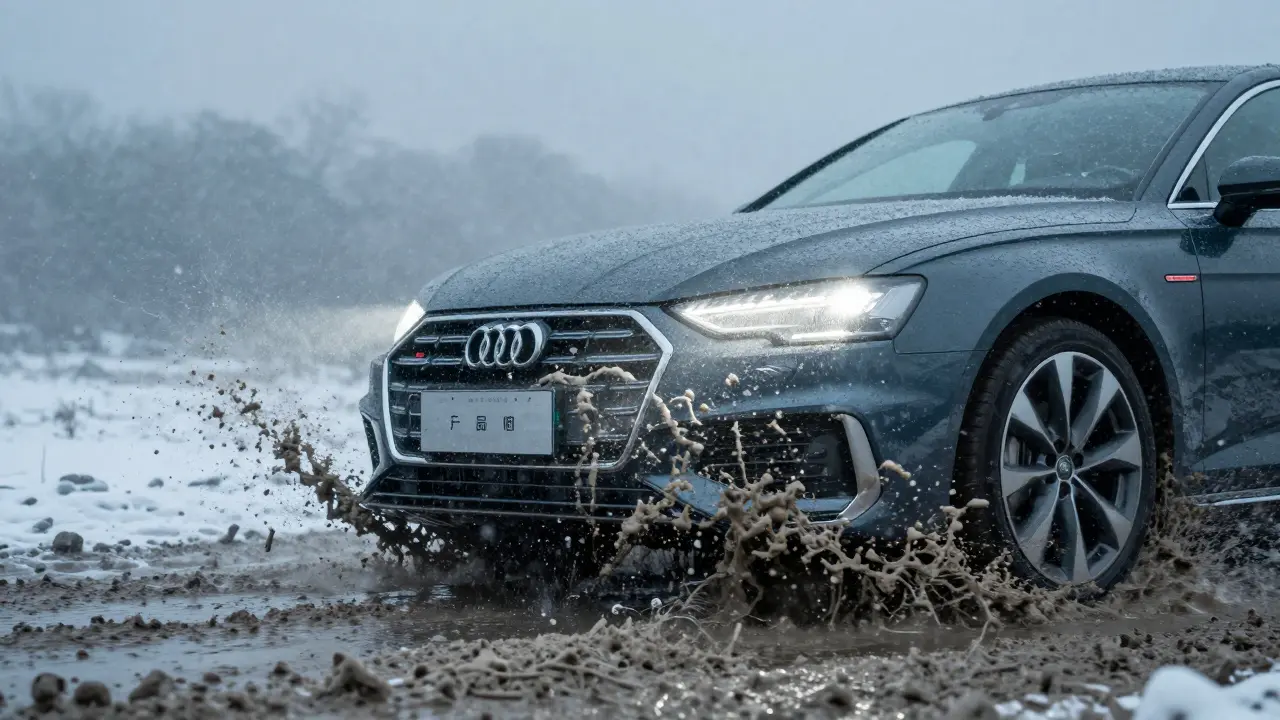
No technology is infallible. Drivers must understand where these systems struggle. Heavy snow, thick mud splashed on the bumper, or extreme glare from the sun can blind the camera lens. Similarly, radar can be confused by large metal objects like guardrails or bridges overhead. If the front grille becomes covered in slush during a winter storm, the millimetre-wave signals may scatter, leading to delayed responses.
Maintenance plays a huge role here. Regularly cleaning your sensors ensures they function correctly. Dealerships often recommend checking the calibration after front-end repairs. Even minor cosmetic adjustments to the front bumper alignment can misalign the sensor angles. Neglecting this upkeep turns a life-saving tool into a broken piece of plastic.
Furthermore, driver complacency is a risk. Knowing a car has advanced safety features might tempt some motorists to pay less attention to the road. The system acts as a net, not a shield. You remain legally responsible for controlling the vehicle. Over-reliance can actually increase risk if the system encounters an edge case it wasn't programmed to handle, such as a child darting onto the road from behind a parked car.
Future Trends in 2026 and Beyond
As we move deeper into 2026, integration with external networks is changing the landscape. Vehicle-to-Everything (V2X) communication allows cars to talk to traffic lights, infrastructure, and other nearby vehicles. This extends the horizon of collision detection beyond what onboard sensors can physically see. If the intersection light is turning red, your car knows milliseconds before you visually perceive the change.
Software updates also play a larger role. Unlike older mechanics, these systems improve over time. Over-the-air updates from manufacturers refine the algorithms, making the detection logic smarter without needing a workshop visit. This evolution means a car bought today could theoretically offer better safety performance in three years than it did on delivery day.
Insurance companies are responding to this shift. Many providers in the UK now offer premium discounts for vehicles equipped with verified telematics and high-rated safety suites. Having an active Forward Collision Warning system on your policy profile can lower monthly costs. However, disabling the system via software tweaks voids these benefits and invalidates warranty coverage on those specific electronic control units.
Choosing the Right Vehicle
When shopping for your next vehicle, do not settle for vague marketing terms like "advanced safety suite." Ask specifically for the presence of FCW and whether it operates at city speeds and highway speeds independently. Check the user settings menu in your test drive. Can you adjust the sensitivity? Can you turn off the audio alerts? Being able to customise the alert prevents fatigue from nuisance warnings.
Consider the model year history. Earlier implementations from five years ago relied heavily on ultrasonic sensors which were less reliable at high speeds. Modern iterations use fused sensor data. If buying used, verify that the original owner did not modify the bumper or replace non-OEM parts that block sensor fields. A certified pre-owned option from a major dealer often includes diagnostics checks on the safety electronics.
Frequently Asked Questions
Can I turn off the Forward Collision Warning system?
Most manufacturers allow you to disable the alert temporarily or permanently through the settings menu. However, doing so removes a layer of passive safety and might affect your insurance premiums or warranty coverage regarding electronic faults.
Does rain affect the accuracy of the sensors?
Light rain has minimal impact due to radar capabilities. However, heavy downpours combined with dirty lenses can reduce camera effectiveness. Regularly cleaning the glass housing above the rear-view mirror maintains optimal performance during wet weather.
Is Automatic Emergency Braking the same as FCW?
No, they work differently. FCW warns you of a threat. AEB physically applies the brakes. Ideally, a car should have both functioning in unison to provide maximum protection against rear-end collisions.
Do these systems work in reverse gear?
Many modern systems include Rear Cross-Traffic Alert, which is similar but distinct from forward warning. Specifically, Forward Collision Warning focuses on driving forward, though some luxury models extend logic to reverse manoeuvres for pedestrian safety.
Will insurance cover damage if the system fails to work?
This depends on the cause of failure. If the system malfunctioned due to a manufacturing defect covered under warranty, the manufacturer pays. If it failed due to lack of maintenance, comprehensive insurance may dispute the claim depending on local laws.
Comments
Madhuri Pujari
Honestly, reading this makes me want to roll my eyes! It is incredibly naive to think these systems are foolproof when half the software updates break things! Radar? Cameras? LiDAR? Please! They are just guessing your position based on math that assumes you are awake! And yet people trust it completely without questioning the data source! Who programmed these algorithms? Engineers who have never driven in actual rain! Or worse, engineers who work remotely and never tested the hardware! The article claims by 2026 it is standard equipment which sounds like a marketing tactic! Safety technology often prioritizes liability over actual driver awareness! You cannot rely on a computer to save you if the sensor is clogged with mud! It creates a false sense of security that is actually dangerous! Have you ever seen the logs of these collisions where the system failed? Probably not because manufacturers hide that data! We are essentially living in a beta test environment for our safety! The notification phase mentioned here is too passive! A vibration does nothing if you are distracted on your phone anyway! So we get warnings we ignore until it is too late! The real fix is better driver education not more sensors! Stop treating drivers like children who cannot read brake lights!
March 29, 2026 at 07:05
Sandeepan Gupta
That is a really interesting point about the data logs being hidden. I wanted to clarify something regarding the sensor fusion part though. Many people assume radar alone handles everything but cameras provide crucial object classification. If you mix those up you might get false positives on guardrails. It is always good to understand the limitations before relying on the tech. Cleaning the lens regularly does help significantly with camera performance. The distinction between FCW and AEB is also vital for purchase decisions. Some budget models only offer warning and not braking intervention. You should check the manual carefully during the test drive process. Make sure the audio alerts can be adjusted to avoid fatigue. Safety features are tools not replacements for vigilance.
March 31, 2026 at 00:49
Aryan Jain
They know exactly what they are doing! These companies collect every movement you make through these sensors! It is not about safety it is about selling your data! You think they care about your brakes failing? No way! The system tracks where you go and how fast you drive. Big Brother is watching through your front grille. Wake up sheeple before they disable your car remotely!
March 31, 2026 at 19:07
Tarun nahata
This post is absolutely fantastic and gives me so much hope for the future! Driving is becoming so much safer with these incredible new tools! I feel so energized knowing that technology is fighting for us on the road! The synergy between radar and camera sounds like magic but it is science! Every upgrade feels like a step toward zero accidents! We should celebrate these innovations instead of fearing the complexity! My own car has warned me twice already and saved me from bad situations! Imagine the lives saved by just slowing down early in traffic! The statistics from the IIHS mentioned here are truly inspiring for all of us! Keep believing in progress and stay safe out there everyone!
April 1, 2026 at 19:57
Agni Saucedo Medel
Love your optimism! 🚗💨 Sensors are great but let's keep cleaning them too! 🔍✨ Thanks for sharing your experience!
April 2, 2026 at 07:35
ANAND BHUSHAN
Just checking my sensors last week found a bug on the windshield.
April 2, 2026 at 11:02
Indi s
I get why some people feel worried about the tech. It can be scary when you depend on machines for survival. My friend had a glitch once where the light flashed but the car was far away. It really stressed him out for the whole trip. Sometimes the best thing is to listen to your gut feelings while driving. Trust the machine but do not lose your own judgment. Empathy is needed for drivers who struggle with these new systems.
April 2, 2026 at 17:51
Pramod Usdadiya
You ar right sandeeep but i think culural differences matter too. In some countries we dont clean windshields otenly. The rain dusts off the sensors quicky here. Maybe the enginners shold consider dirty roads more. Respecting local condishions is key for safety. Good point on the test drive thog!
April 3, 2026 at 07:30
Aditya Singh Bisht
Let's talk about how we can use this knowledge positively. Understanding the system empowers you to drive smarter every single day. When you know the blind spots you can position yourself better. Education is the real key to unlocking maximum vehicle potential. Don't let fear stop you from buying a safer modern car today. Just remember to maintain the equipment properly for best results. Regular checks ensure the sensors see clearly during heavy storms. Your family counts on you keeping that car in perfect working order. Stay active and engaged with your vehicle settings menu. Small adjustments make big differences in accident prevention stats. Be proactive about checking updates from your manufacturer regularly. Technology serves best when treated as a helpful partner. Believe in the power of innovation to improve road safety globally. Keep learning new things about how your car works under the hood. We all deserve a journey free from unnecessary collisions and stress.
April 5, 2026 at 00:07
Nalini Venugopal
Wow that is quite the intense perspective you have there! I think most people just want their cars to function normally without spying. Data privacy is huge but safety is also a major concern here. Let's try to find a balanced view on this topic please! Engagement matters more than paranoia sometimes!
April 5, 2026 at 01:58
Rohit Sen
True autonomy requires more than mere sensors; it demands philosophy.
April 5, 2026 at 05:21