
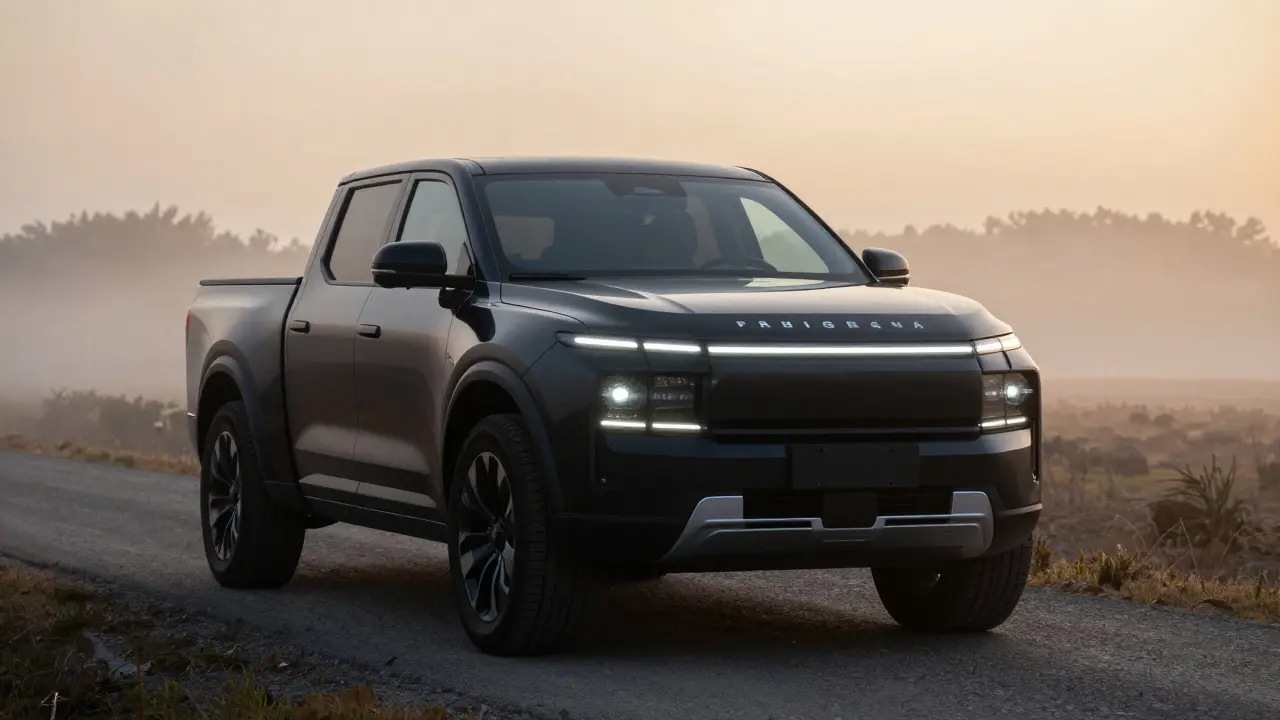
Walk into any dealership lot in Bristol or drive past a construction site on the M4, and you’ll notice something has changed. The days of purely utilitarian, rust-prone workhorses are fading fast. We are now deep into the era of fourth-generation pickup trucks, a category defined not just by horsepower, but by intelligence, connectivity, and electrification. If you bought a truck five years ago, it likely felt like a tool with an engine. Today’s models feel more like rolling data centers that happen to have a bed for hauling lumber.
The shift is drastic. Manufacturers aren't just tweaking body panels; they are redefining what a truck can do. From the massive battery packs under the floorboards of electric models to the advanced driver-assistance systems (ADAS) in their diesel counterparts, the improvements in 2026 are about efficiency and capability working in tandem. But which models actually deliver on the hype? And are these high-tech features worth the premium price tag?
The Evolution: Defining the Fourth Generation
To understand where we are, we need to look at where we’ve been. First-generation pickups were simple steel boxes with engines. Second-gen introduced comfort and V8 power. Third-gen brought us unibody designs and turbocharged diesels. Now, fourth-generation trucks are characterized by three core pillars: electrified powertrains, digital integration, and active safety as standard.
This isn’t just marketing speak. It’s a structural change. For example, the chassis of many modern trucks now houses high-voltage batteries, lowering the center of gravity and improving handling. Meanwhile, the cabin is dominated by screens that control everything from suspension height to trailer backup assist. This generation bridges the gap between the rugged utility of the past and the sustainable, connected future.
| Feature | Third Generation (2015-2023) | Fourth Generation (2024-Present) |
|---|---|---|
| Powertrain | Dominantly Gas/Diesel | Hybrid, Plug-in Hybrid, and Full Electric options standard |
| Connectivity | Basic Bluetooth/Apple CarPlay | OTA Updates, 5G Connectivity, Biometric Entry |
| Safety | Collision Warning (Optional) | Full ADAS Suite (Standard), Autonomous Parking |
| Chassis | Body-on-Frame Steel | Aluminum-Hybrid Frames, Integrated Battery Packs |
Top Fourth-Generation Models Leading the Pack in 2026
The market is crowded, but a few standout models define this new era. These aren't just updated versions of old favorites; they represent significant leaps in engineering.
Ford F-150 Lightning (Updated 2026 Model)
Ford continues to refine its electric offering. The 2026 Lightning isn't just about zero emissions; it's about utility. With the Pro Power Onboard system, you can run your entire job site off the truck’s battery. The improvements this year focus on range anxiety reduction, boasting a real-world range of over 300 miles even when towing. The interior gets a wider central touchscreen that integrates seamlessly with Ford’s latest SYNC software, allowing for voice-controlled cargo management.
Chevrolet Silverado EV
Chevy’s entry into the full-size electric segment is aggressive. The Silverado EV features a Multi-Flex Tailgate, which allows for multiple configurations depending on whether you’re hauling long pipes or bulky furniture. Its key improvement in 2026 is the enhanced thermal management system, which drastically reduces charging times at DC fast chargers. For those who need torque without the noise, this truck delivers instant acceleration that rivals supercars.
Ram 1500 REV
Ram took a different approach with the REV. Instead of mimicking gas trucks, they built a platform specifically for electric propulsion. The result is a smoother ride quality due to the lower center of gravity. The 2026 model introduces improved air suspension tuning, making it comfortable enough for daily commuting yet capable enough for heavy-duty towing. Ram’s focus on user experience means the interface is intuitive, avoiding the cluttered menus found in some competitors.
Toyota Hilux (Global Market Leader)
In markets outside North America, the Toyota Hilux remains king. The fourth-gen Hilux focuses on durability and hybrid efficiency. While it may not have the flashy tech of American rivals, its reliability is unmatched. The 2026 update includes a mild-hybrid system that improves fuel economy by 15% without sacrificing off-road capability. For users in developing nations or rough terrain, this balance of simplicity and efficiency is crucial.
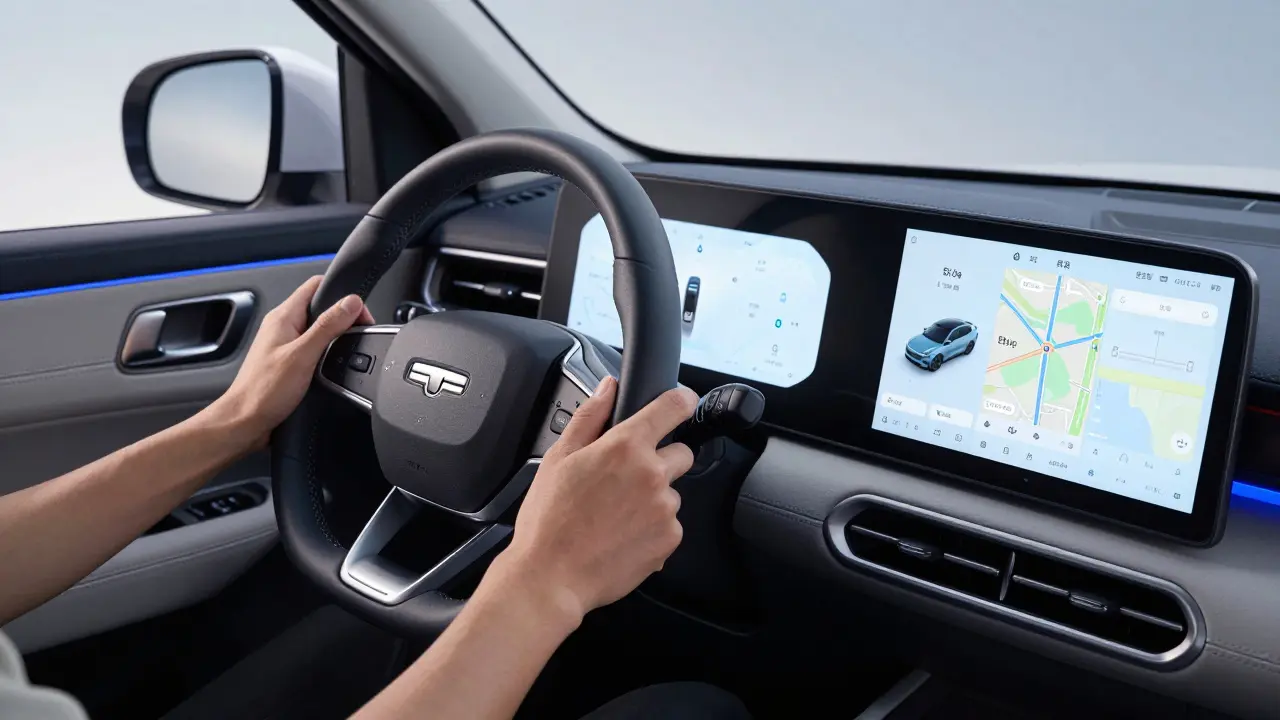
Technological Improvements: Beyond the Engine
The most noticeable changes in fourth-generation trucks aren't always under the hood-they're in the software. Over-the-Air (OTA) updates have become standard. This means your truck can improve after you buy it. Need better battery optimization? A software patch can handle that. Want new navigation maps? They download automatically.
Another major leap is in driver assistance. Systems like Super Cruise (GM) and BlueCruise (Ford) allow for hands-free driving on pre-mapped highways. In 2026, these systems have expanded to cover more urban routes, helping reduce fatigue during long hauls. Additionally, biometric sensors in the steering wheel monitor driver alertness, adjusting cabin lighting or suggesting breaks if drowsiness is detected.
Connectivity extends to the cargo area too. Many trucks now feature cameras inside the bed, letting you check your load from the driver’s seat without turning around. This small feature saves time and prevents damage to expensive equipment.
Electrification vs. Traditional Engines: Making the Choice
Choosing between an electric, hybrid, or traditional internal combustion engine (ICE) depends heavily on your use case. Here’s a breakdown to help you decide:
- Full Electric (BEV): Best for city driving, short commutes, and users with home charging access. Offers lowest operating costs and instant torque. Ideal if you want to reduce carbon footprint significantly.
- Plug-in Hybrid (PHEV): The sweet spot for many. Provides 30-50 miles of electric range for daily errands, then switches to gas for long trips. Eliminates range anxiety while still saving on fuel.
- Mild Hybrid: Adds a small battery to assist the engine, improving fuel efficiency by 5-10%. Great for those who tow frequently and don't want to compromise on power or refueling convenience.
- Traditional Diesel/Gas: Still relevant for extreme off-roading, remote areas with no charging infrastructure, or maximum payload needs where battery weight is a disadvantage.
If you live in Bristol and mostly drive within the UK, a PHEV or BEV makes financial sense due to lower tax rates and congestion charge exemptions. However, if you’re frequently crossing Europe with heavy loads, a diesel might still be more practical due to widespread fuel availability.
Cost Considerations and Total Cost of Ownership
Fourth-generation trucks come with a higher upfront cost. An electric model can easily exceed £60,000, compared to £35,000 for a base gas model. However, total cost of ownership (TCO) tells a different story.
Electric trucks save money on fuel-charging at home can cost less than £10 per week for average usage. Maintenance is also cheaper because there are fewer moving parts: no oil changes, no spark plugs, no transmission fluid flushes. Regenerative braking reduces wear on brake pads, extending their life by up to 50%.
Resale value is another factor. Early electric trucks suffered from depreciation fears, but by 2026, values have stabilized. As regulations tighten against ICE vehicles, demand for compliant trucks is rising, supporting stronger resale prices for hybrids and electrics.
Common Pitfalls to Avoid When Buying
Don’t fall into the trap of buying more truck than you need. Larger beds and higher towing capacities add weight and complexity. If you never tow more than 2,000 kg, a half-ton electric truck will outperform a heavy-duty diesel in both efficiency and agility.
Also, consider your charging infrastructure. If you rent your home and lack off-street parking, a full electric truck might be frustrating unless you rely entirely on public chargers. In such cases, a PHEV offers flexibility without the stress of finding a charger before every trip.
Finally, test drive the tech. Some interfaces are overly complex, requiring multiple taps to perform simple tasks. Look for physical buttons for critical functions like hazard lights or window controls. Safety should never be compromised for sleek design.
What defines a fourth-generation pickup truck?
A fourth-generation pickup truck is defined by electrified powertrains (electric, hybrid, or plug-in), advanced digital connectivity including OTA updates, and standard advanced driver-assistance systems (ADAS). These trucks prioritize efficiency, safety, and smart technology alongside traditional utility.
Are electric pickup trucks reliable for towing?
Yes, modern electric pickups like the Ford F-150 Lightning and Chevrolet Silverado EV are highly capable towers. Their low center of gravity provides stability, and instant electric torque helps manage heavy loads. However, towing does reduce range significantly, so plan charging stops accordingly for long distances.
How much do fourth-generation trucks cost in 2026?
Prices vary widely. Base gas models start around £30,000-£35,000. Hybrids typically range from £40,000-£50,000. Full electric models usually start above £55,000, with high-end trims exceeding £70,000. Government incentives and tax benefits can offset some of these costs.
Do I need home charging for an electric truck?
Home charging is highly recommended for convenience and cost savings. Without it, you’ll rely on public networks, which can be slower and more expensive. If home charging isn’t possible, consider a plug-in hybrid (PHEV) as a flexible alternative.
Which brands lead the fourth-generation truck market?
Ford, Chevrolet, Ram, and Tesla are leaders in the electric segment. Toyota and Nissan dominate with hybrid and durable global models like the Hilux and Navara. Each brand offers distinct advantages depending on whether you prioritize tech, towing, or reliability.