
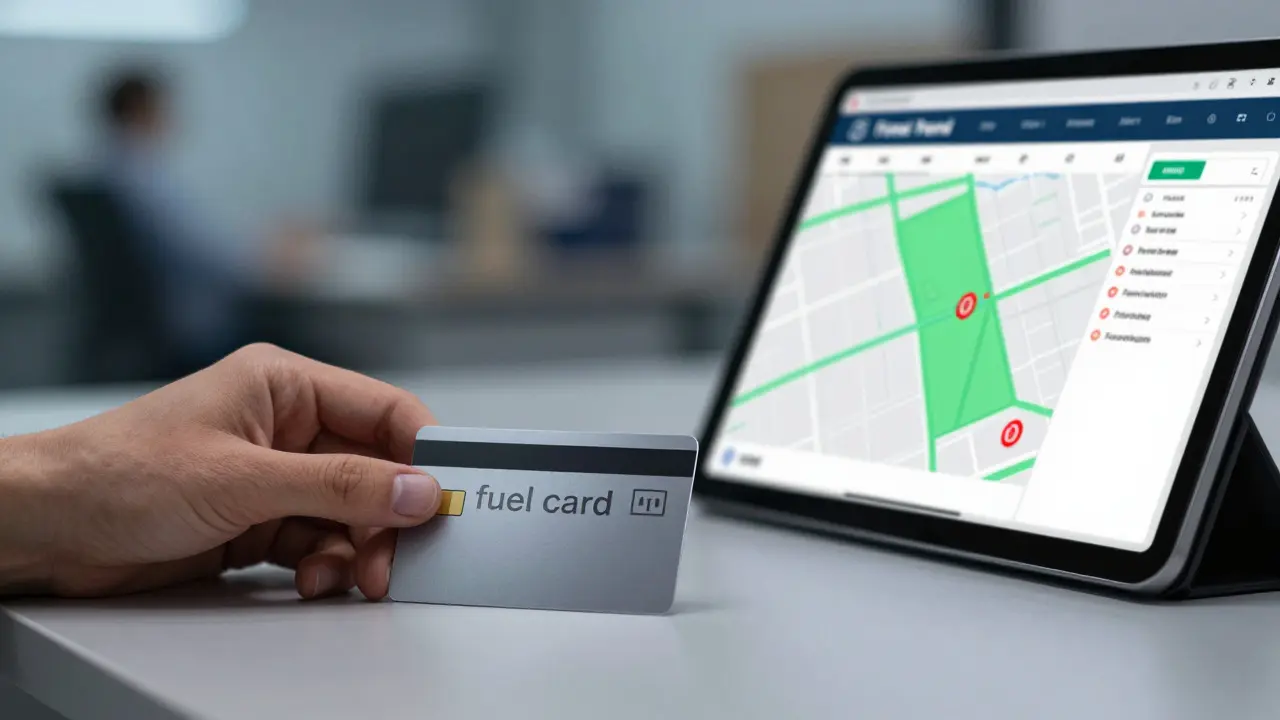
You’re looking at your monthly fuel expenses, and the numbers don’t add up. One driver is pumping significantly more than others on similar routes. Another receipt shows a fill-up at a gas station three states away from their assigned territory. These aren’t just anomalies; they are red flags indicating a leak in your fleet fuel management system. Without strict oversight, fuel costs can quietly erode your profit margins by 15% to 20%. The solution isn’t just buying cheaper fuel-it’s implementing robust fuel card programs that provide granular control, real-time data, and automated audits.
Fuel cards have evolved from simple payment tools into sophisticated data hubs. They track not just how much you spend, but where, when, and what else was purchased with that money. For fleet managers in 2026, leveraging these controls is the difference between reactive chaos and proactive efficiency. Let’s break down how to set up controls that actually work, run audits that catch waste, and secure savings that stay saved.
The Core Controls of a Modern Fuel Card Program
A fuel card without restrictions is just a credit card with a logo. To get value, you need to configure specific controls that align with your operational needs. Most major providers like WEX, Comdata, and Shell offer similar baseline features, but the devil is in the configuration.
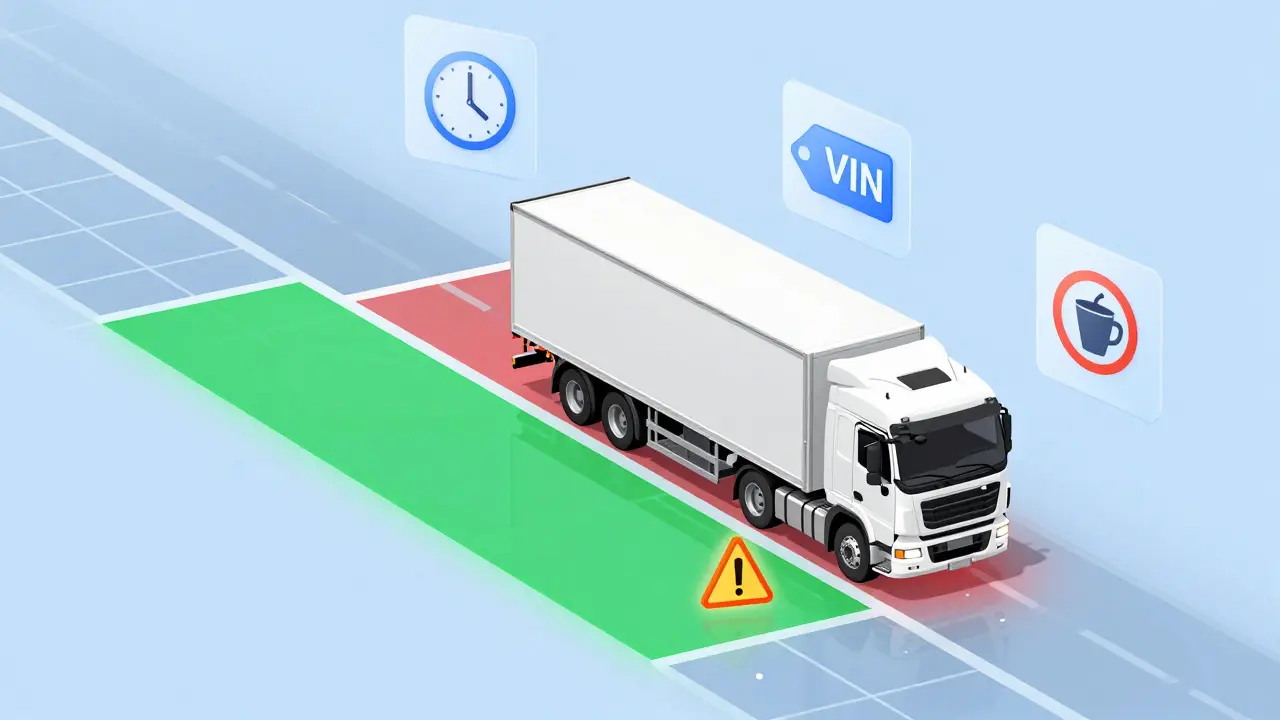
- Geofencing: This is your first line of defense. Set boundaries based on your drivers’ typical routes. If a driver operating out of Chicago gets a transaction alert in Miami, the system should flag it immediately or decline the purchase. Geofencing reduces off-route deviations and unauthorized personal use.
- Time-of-Day Restrictions: Fuel purchases usually happen during business hours or shift changes. Restricting card usage to specific windows (e.g., 6 AM - 8 PM) prevents late-night or early-morning misuse. It also aligns with peak staffing times for better oversight.
- Vehicle Matching: Every card should be linked to a specific vehicle ID. When a driver swipes, the system checks if the card matches the VIN or unit number entered. This prevents one driver from using another’s card or swapping cards between vehicles to hide discrepancies.
- Product Exclusions: Fuel cards often allow purchases at convenience stores. Unless your company policy explicitly reimburses snacks or coffee, disable non-fuel SKUs (Stock Keeping Units). This stops small-dollar theft that adds up quickly across a large fleet.
These controls create a digital fence around your spending. But setting them up is only half the battle. You need to monitor them actively.
Running Effective Fuel Audits: What to Look For
An audit isn’t an annual event; it should be a continuous process integrated into your weekly reporting routine. Most fleet managers rely on the raw transaction reports provided by the card issuer. These reports are useful, but they require interpretation. Here’s what you need to scrutinize:
- Gallons vs. Miles Driven: Compare the gallons pumped against the miles logged via your telematics system. If Driver A drives 500 miles and pumps 40 gallons, while Driver B drives 500 miles and pumps 60 gallons, there’s a problem. It could be aggressive driving, poor maintenance, or siphoning.
- Tank Capacity Verification: Cross-reference the volume purchased with the vehicle’s tank size. A pickup truck with a 25-gallon tank shouldn’t be filling up 30 gallons every time. Overfilling alerts indicate potential fraud or meter tampering.
- Price Per Gallon Analysis: Track the price paid per gallon across different stations and regions. While prices fluctuate, consistent outliers suggest drivers are choosing expensive stations for personal convenience or kickbacks. Use this data to negotiate better rates with preferred networks.
- Non-Fuel Purchase Trends: Even with exclusions, some merchants may miscategorize transactions. Review any non-fuel charges regularly. Are they legitimate? If so, why weren’t they blocked? If not, who approved them?
Automate these checks where possible. Many modern fleet platforms integrate directly with fuel card providers to flag anomalies in real-time. Don’t wait for month-end reconciliation to discover issues.
Calculating Real Savings: Beyond the Discount
When evaluating fuel card programs, many companies focus solely on the cents-per-gallon discount. That’s a mistake. True savings come from a combination of direct discounts, rebates, and operational efficiencies.
| Savings Component | Description | Impact Level |
|---|---|---|
| Direct Discounts | Cents-off per gallon at participating stations | High (Immediate) |
| Volume Rebates | Retroactive cashback based on quarterly/annual spend | Medium (Delayed) |
| Fraud Reduction | Prevention of unauthorized purchases and siphoning | High (Hidden Cost Avoidance) |
| Administrative Efficiency | Reduced time spent on receipts and manual reconciliation | Medium (Labor Savings) |
| Data-Driven Decisions | Optimizing routes and maintenance based on fuel data | Long-Term (Strategic) |
For example, a 10-cent discount sounds good, but if your drivers are wasting 5% of their fuel due to lack of monitoring, that waste might cost you 15 cents per gallon in lost productivity. Prioritize programs that offer comprehensive reporting and integration capabilities over those with slightly higher upfront discounts but poor data visibility.

Common Pitfalls and How to Avoid Them
Even with the best intentions, fleets stumble over common implementation errors. Avoid these traps to maximize your program’s effectiveness.
- Ignoring Driver Training: Drivers need to understand why controls exist. If they feel micromanaged, compliance drops. Explain that geofencing protects them from false accusations and helps identify maintenance issues before they become breakdowns.
- Overcomplicating Rules: Too many restrictions lead to frustration and workarounds. Keep rules simple and logical. If a driver frequently needs exceptions, review whether the rule is flawed rather than punishing the driver.
- Failing to Integrate Systems: Your fuel card data should talk to your telematics, maintenance, and accounting systems. Siloed data means missed insights. Ensure your chosen provider offers APIs or native integrations with your existing tech stack.
- Neglecting Network Coverage: A great discount is useless if the participating stations are far from your routes. Map your network coverage against your primary operating areas. Gaps will force drivers to use cash or personal cards, defeating the purpose of the program.
Regularly review your program’s performance. Ask yourself: Are we catching fraud faster? Is administrative time decreasing? Are our total fuel costs trending downward despite inflation? If the answer is no, it’s time to renegotiate terms or switch providers.
Choosing the Right Provider for Your Fleet
Not all fuel card programs are created equal. In 2026, the market is crowded with options, each catering to different fleet sizes and needs. Small local fleets might prioritize ease of use and low fees, while national enterprises need complex rebate structures and global coverage.
Look for providers that offer transparent pricing. Hidden fees for statement processing, card replacement, or API access can eat into your savings. Demand a clear fee schedule upfront. Also, evaluate their customer support. When a card is lost or a transaction is disputed, how fast can you resolve it? Downtime costs money.
Consider the technology platform as well. Does the provider offer a mobile app for drivers to report issues or upload photos of receipts? Can you customize dashboards to show KPIs relevant to your team? The best tool is one that fits seamlessly into your daily workflow, not one that requires extra steps.
What is the average savings from a fuel card program?
Most fleets see a 10% to 20% reduction in total fuel costs after implementing a structured fuel card program. This includes direct discounts, reduced fraud, and improved administrative efficiency. Exact savings depend on fleet size, driving patterns, and how strictly controls are enforced.
How do I prevent fuel theft with a fuel card?
Prevent fuel theft by combining geofencing, vehicle matching, and tank capacity verification. Set alerts for unusual volumes or locations. Regularly audit transactions against telematics data to identify discrepancies. Educate drivers on the consequences of misuse and ensure they understand the tracking measures.
Can I use a fuel card for electric vehicle charging?
Yes, most major fuel card providers now support EV charging networks. As fleets transition to electrification, these cards integrate with chargers from providers like ChargePoint and Tesla. Ensure your selected program covers the specific charging networks used in your operating regions.
How often should I audit my fuel card transactions?
Aim for weekly reviews of flagged transactions and monthly comprehensive audits. Real-time alerts handle immediate threats, while monthly deep dives help identify long-term trends, such as declining fuel efficiency in certain vehicles or recurring off-route behavior.
What are the hidden fees associated with fuel cards?
Watch out for monthly account fees, per-transaction fees, card replacement costs, and fees for accessing detailed reports or APIs. Some providers also charge for expedited dispute resolution. Always request a full fee schedule before signing a contract and compare it against your expected volume.