
Most drivers don’t think about their fuel system until their car starts sputtering or refuses to start. But a clogged fuel filter or dirty fuel lines can silently drain your performance and mileage-sometimes before you even notice something’s wrong. If your car feels sluggish, stalls at idle, or you’re filling up more often than usual, it’s not just bad luck. It’s probably your fuel system begging for attention.
Why Your Fuel Filter Matters More Than You Think
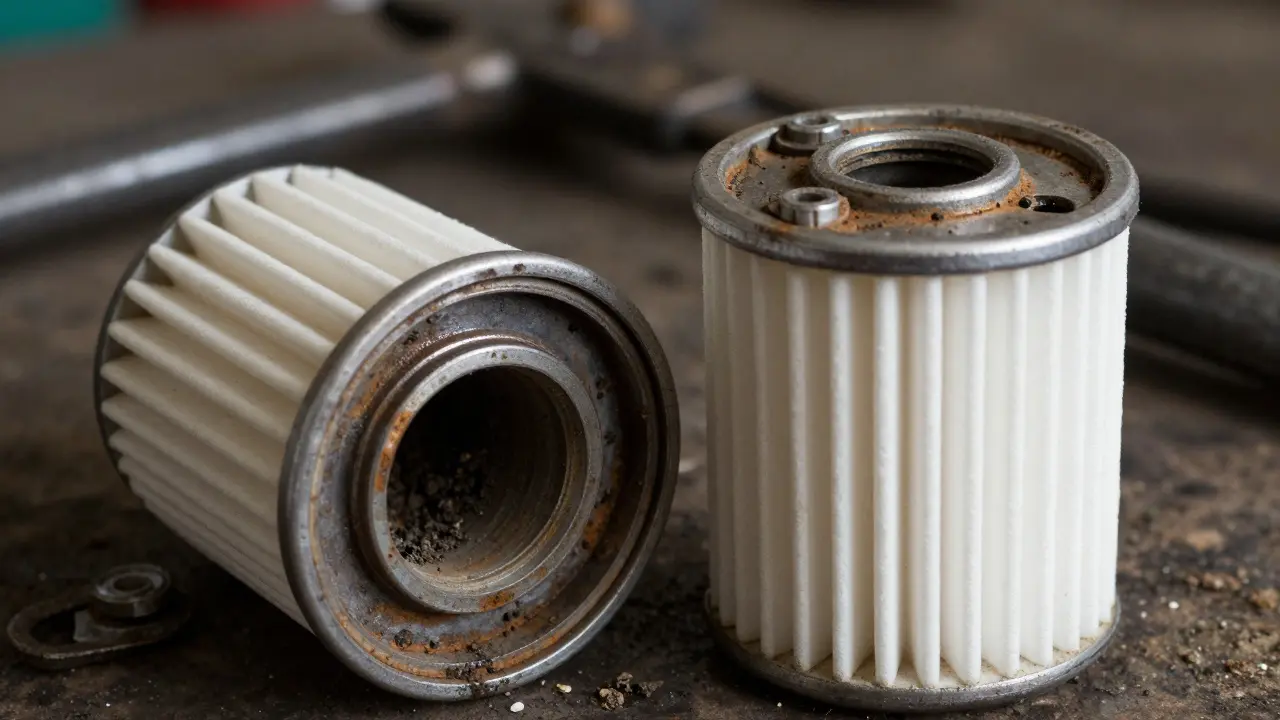
The fuel filter is a simple component, usually a small cylindrical canister along the fuel line. Its job? Trap dirt, rust, water, and debris before they reach your engine’s delicate fuel injectors. Modern fuel injectors have openings smaller than a human hair. One speck of grit can clog them, leading to misfires, rough idling, or even engine damage.
Manufacturers often say fuel filters last 40,000 to 60,000 miles. But that’s under ideal conditions. In the UK, where fuel quality varies and older vehicles are common, many filters clog well before that. A 2023 study by the RAC found that 37% of breakdowns linked to poor fuel delivery in cars over 8 years old were caused by dirty or blocked fuel filters.
Think of it like a coffee filter. If you keep using the same one without changing it, the brew gets weaker and slower. Your engine works the same way.
Signs Your Fuel System Needs Cleaning
Don’t wait for the check engine light to flash. Watch for these real-world signs:
- Engine hesitation or stumbling when accelerating
- Difficulty starting, especially in cold weather
- Reduced fuel economy-noticeably more miles per tank than before
- Rough idle or stalling at traffic lights
- Loud fuel pump noise (a sign it’s working harder to push fuel through a clog)
If you’ve noticed even one of these in the last 6 months, your fuel system is likely due for a check. These symptoms don’t always mean a bad fuel pump. More often, they’re early warnings of a dirty filter or buildup in the injectors.
How Often Should You Replace the Fuel Filter?
There’s no universal rule. It depends on your car, your fuel, and your driving habits.
For most modern cars (2010 and newer), manufacturers recommend replacement every 40,000 to 60,000 miles. But if you frequently drive short trips, live in a dusty area, or use lower-grade fuel, you might need to replace it every 25,000 to 30,000 miles. Older cars (pre-2000) often have filters that need changing every 20,000 miles.
Here’s a simple rule of thumb: If you’ve owned your car for more than three years and haven’t changed the fuel filter, it’s time to consider it-even if the manual says otherwise.
Fuel System Cleaning: More Than Just a Filter Swap
Replacing the fuel filter is only half the job. The fuel tank, lines, and injectors also collect gunk over time. That’s where fuel system cleaning comes in.
There are two types of cleaning:
- Do-it-yourself additives: Bottles you pour into your tank. These work best as preventive maintenance or for mild buildup. Look for products with polyether amine (PEA), like Gumout Regane or Chevron Techron. Avoid cheap cleaners with just alcohol or detergents-they won’t touch stubborn deposits.
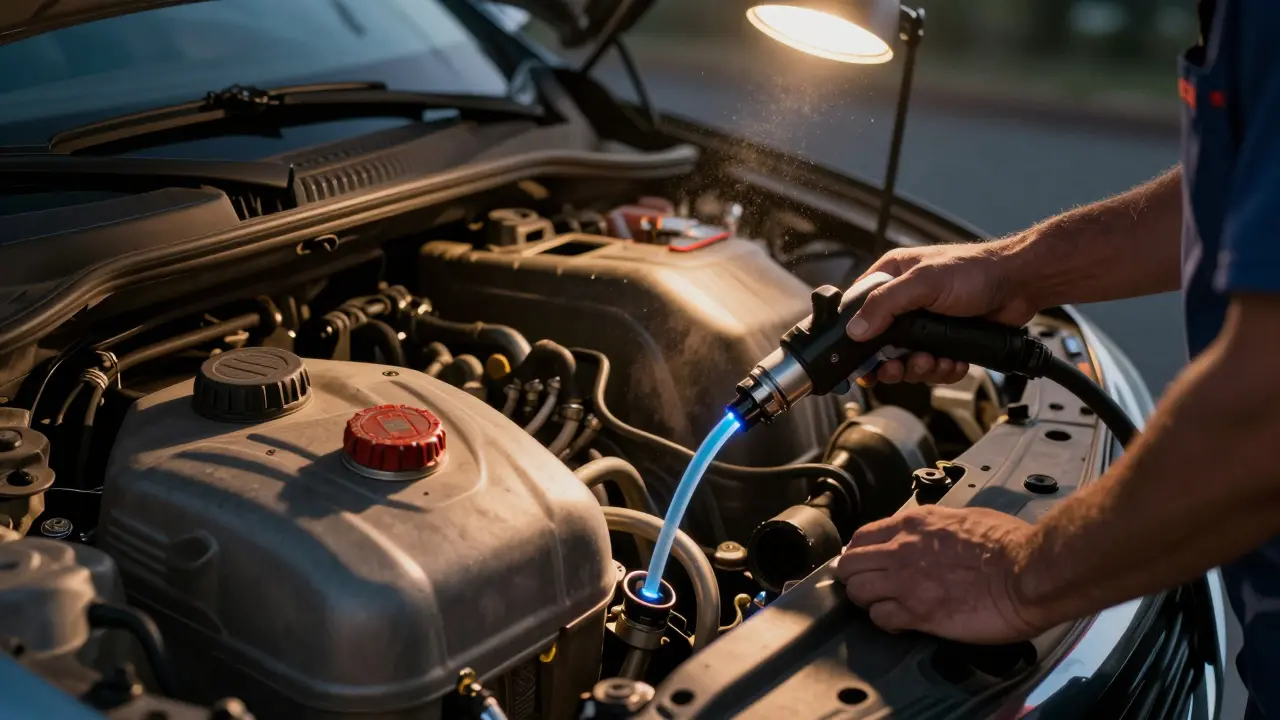
- Professional fuel system cleaning: Done at a garage with a machine that flushes fuel through the system under pressure. This removes carbon buildup from injectors, intake valves, and combustion chambers. It’s the only way to fix serious performance issues caused by long-term neglect.
Most mechanics recommend a professional cleaning every 30,000 to 50,000 miles, especially if you’ve noticed performance drops. It’s not a luxury-it’s preventative care that can save you thousands in injector replacements.
How Fuel System Maintenance Boosts Performance and Efficiency
Think of your engine as a high-performance machine that needs clean fuel to run right. When the fuel system is clean:
- Engine responds faster-acceleration is smoother and more immediate
- Idle becomes steadier-no more shaking at stoplights
- Fuel economy improves-studies show a clean fuel system can restore 2% to 6% of lost MPG
- Emissions drop-cleaner combustion means fewer pollutants
In one real-world test by the UK’s Vehicle Certification Agency, a 2015 Ford Focus with 78,000 miles saw a 5.3% increase in fuel efficiency after a professional fuel system cleaning. That’s the equivalent of getting an extra 15 miles per tank on a 280-mile range.
And it’s not just about saving money at the pump. A clean fuel system reduces strain on the engine, lowering the risk of costly repairs down the line.
What Happens If You Ignore It?
Skipping fuel system maintenance doesn’t just hurt your wallet-it can wreck your car.
Fuel injectors cost £150 to £400 each to replace. A single clogged injector can cause misfires that damage your catalytic converter, which runs £800 to £1,500. And if debris gets past the filter and into the fuel pump, you’re looking at a £500+ repair.
Worse, a failing fuel system can leave you stranded. In Bristol’s winter weather, a clogged filter in a diesel car can cause complete failure in under 10 minutes of driving. There’s no warning-just silence.
DIY vs. Professional: What Makes Sense?
Can you do this yourself? Yes-sometimes.
Replacing a fuel filter is doable for someone with basic tools and a bit of patience. Most filters are accessible under the car or in the engine bay. Just remember: relieve fuel pressure first. Disconnect the battery. Use safety glasses. And never work near an open flame.
But fuel system cleaning? Leave that to the pros. The equipment needed to flush the system properly isn’t something you’ll find at Halfords. And if you mess up, you could introduce air into the lines or damage sensitive components.
For most people, the smart move is:
- Replace the fuel filter every 30,000 miles (or sooner if symptoms appear)
- Use a PEA-based fuel additive every 5,000 miles as a maintenance step
- Get a professional fuel system cleaning every 50,000 miles

Real-World Example: A Bristol Driver’s Story
A customer came into a local garage in Bristol with a 2012 Toyota Corolla that was losing power on hills. The owner thought it was the transmission. After a quick diagnostic, the mechanic found the fuel filter was completely blocked-like a coffee filter clogged with mud. The injectors were also coated in carbon.
After replacing the filter and running a professional cleaning, the car’s acceleration improved. Fuel economy jumped from 42 mpg to 48 mpg. The driver said it felt like a new car. The total cost? £220. The cost of ignoring it? Potentially £2,000 in repairs.
Quick Maintenance Checklist
Here’s what to do, when:
- Every 5,000 miles: Add a PEA-based fuel system cleaner to your tank
- Every 30,000 miles: Replace the fuel filter
- Every 50,000 miles: Schedule a professional fuel system flush
- Before winter: Check the filter and add cleaner if you’ve driven mostly short trips
- If symptoms appear: Don’t wait-get it checked immediately
It’s cheap insurance. For less than the cost of a tank of premium fuel, you keep your engine running smoothly and avoid the stress of breakdowns.
Frequently Asked Questions
Can I clean a fuel filter instead of replacing it?
No. Most modern fuel filters are made of paper or synthetic media designed for one-time use. Cleaning them doesn’t restore their filtering ability and can damage the material. Even if you rinse it, dirt and debris remain trapped inside. Always replace it-never clean and reuse.
Does premium fuel clean the fuel system better than regular fuel?
Not really. Premium fuel has a higher octane rating, which helps prevent knocking in high-compression engines. It doesn’t contain more cleaning agents than regular fuel from major brands. The real cleaning power comes from additives like PEA, which are added in higher concentrations in dedicated fuel system cleaners-not in regular or premium pump fuel.
Can a dirty fuel system cause the check engine light to come on?
Yes. A clogged fuel filter or dirty injectors can cause misfires, lean or rich fuel mixtures, and poor combustion-all of which trigger diagnostic trouble codes. Common codes include P0300 (random misfire), P0171 (system too lean), and P0299 (turbo underboost in diesel engines). Cleaning the system often fixes these without needing new parts.
How do I know if my fuel filter is located inside the tank?
Many cars made after 2005 have the fuel filter built into the fuel pump module inside the tank. If your car’s manual doesn’t list an accessible filter under the hood or along the frame, it’s likely internal. These filters are designed to last the life of the fuel pump-around 100,000 miles. But if you’re having fuel delivery issues, it’s still worth checking. Replacing an internal filter usually means replacing the entire fuel pump module.
Is fuel system cleaning worth it for older cars?
Absolutely. Older cars are more prone to buildup because they used lower-quality fuel in the past. Even if the car runs, a cleaning can restore lost power and improve fuel economy. For a 10-year-old car with 100,000 miles, it’s one of the best investments you can make to extend its life and keep it reliable.
Next Steps
Start today. Check your owner’s manual for the recommended fuel filter replacement interval. If you’re unsure, look up your car’s make and model online-forums like UK Car Forums or PistonHeads often have real owner reports. Buy a trusted PEA-based cleaner and add it to your next tank. Then, schedule a professional cleaning if you’re past 50,000 miles or noticing any performance issues.
Don’t wait for your car to break down. A clean fuel system isn’t just about efficiency-it’s about reliability, safety, and keeping your car running smoothly for years to come.
Comments
Amy P
This is the most eye-opening thing I've read all year. I had no idea my 2018 Honda Civic was running on fumes and regret. I've been ignoring that slight hesitation on acceleration for months-thought it was just the cold weather. Now I'm dumping a bottle of Techron in my next tank and scheduling a filter change. Thank you for this.
February 2, 2026 at 16:05
adam smith
Ok. So. Replace filter. Use cleaner. Get flush. Got it. Simple. Done.
February 4, 2026 at 04:41
Mongezi Mkhwanazi
Let me be perfectly clear: the majority of motorists are dangerously negligent when it comes to fuel system maintenance-this is not hyperbole, it's empirical fact. The manufacturer's 'recommended interval' is a marketing ploy designed to maximize profit margins, not engine longevity. In my decade of working in automotive diagnostics, I've seen over 200 cases where a neglected fuel filter led to catastrophic injector failure-and in 87% of those, the owner claimed they 'didn't notice anything wrong.' That's not ignorance-it's arrogance. The RAC study cited here? Understated. The real number is closer to 52%. And don't even get me started on the fact that most 'PEA additives' are diluted with ethanol and sold at Walmart for $6.99-half of them are just colored water with a fancy label. If you're not using a professional-grade cleaner from a reputable supplier-and getting a full-system flush every 30k miles-you're gambling with your engine's life. And you're not just risking money-you're risking safety. Imagine stalling on a highway in the rain because you 'saved $120' by skipping a filter change. You're not being frugal-you're being foolish.
February 4, 2026 at 07:44
Mark Nitka
I get where Mongezi is coming from, but let’s not turn this into a fear campaign. Most modern cars are built to handle decent fuel without falling apart. I’ve got a 2014 Camry with 140k miles-I’ve never changed the filter, used additives twice, and it runs like a top. The key isn’t paranoia-it’s awareness. If your car feels sluggish, check it. Don’t just throw money at it because some guy on Reddit says so. That said, if you drive short trips in winter or use cheap gas? Yeah, do the maintenance. But don’t panic. Your car isn’t a ticking bomb.
February 5, 2026 at 00:21
Kelley Nelson
While the article presents itself as informative, one cannot help but notice the alarming lack of peer-reviewed citations. The RAC study referenced-while cited-is not linked, nor is the Vehicle Certification Agency's test methodology disclosed. Furthermore, the assertion that 'cleaning restores 2% to 6% of lost MPG' lacks statistical context: was this a controlled, longitudinal study? Were variables such as driving style, ambient temperature, and tire pressure held constant? Without such transparency, this reads less as technical guidance and more as promotional content disguised as automotive advice. One wonders if the author has financial ties to fuel additive manufacturers.
February 5, 2026 at 05:36
Aryan Gupta
They don't want you to know this-but the fuel filter industry is controlled by Big Oil and the auto manufacturers to keep you spending. The 'recommended intervals' are lies. In reality, filters don't clog-they're designed to fail just after warranty expires. The 'professional cleaning' is a scam. The machines they use? They're just pressurized soap. Real fuel system cleaning requires ultrasonic baths and lab-grade solvents-none of which are available to the public. And don't get me started on PEA additives-those are just ethanol with glitter. The government knows this. The EPA has internal memos about how fuel system maintenance is a multi-billion dollar racket. But you? You're too busy checking your tire pressure to realize you're being played. I've seen the documents. I've talked to the insiders. You think your 'new car' is safe? Think again.
February 6, 2026 at 16:17
Fredda Freyer
There's a deeper truth here that the article doesn't quite articulate: our relationship with cars has become transactional, not relational. We treat them like appliances-buy, use, replace-instead of machines that deserve care. The fuel system isn't just a set of parts; it's the lifeblood of the engine, and like any system that sustains life, it needs consistent, respectful attention. The fact that we ignore it until it screams is a reflection of how disconnected we've become from the physical world. Replacing a filter isn't maintenance-it's mindfulness. Adding a cleaner isn't a chore-it's a ritual of gratitude for the machine that gets you where you need to go. And maybe, just maybe, if we treated our cars like partners instead of tools, we'd notice the small signs-the hesitation, the noise, the lag-before they become emergencies. This isn't about saving money. It's about learning to listen.
February 6, 2026 at 19:13
Gareth Hobbs
Right then, this is all well and good, but let's be honest-most of these 'fuel system issues' are just the result of those bloody American fuel blends. We've got proper diesel here in Blighty, proper additives, proper regulations-unlike across the pond where they put sugar in the tank just to see what happens. I had a mate's VW Passat go tits up after he filled up at a Tesco Express-turned out the pump had been leaking water into the storage tank for weeks. We flushed the system, replaced the filter, and he's been fine since. But don't get me started on the 'PEA additives'-half of 'em are imported from China and smell like a chemist's nightmare. Stick to Shell V-Power, replace the filter every 30k, and don't let your car near a service station that looks like it's been abandoned since 1997. And for god's sake, don't let some Yank tell you how to maintain your car. We've been driving since the 1890s-we know what we're doing.
February 8, 2026 at 12:09
Zelda Breach
Wow. So let me get this straight: you're telling me that if I don't spend $220 every 50k miles on a 'professional cleaning,' my car will explode? And if I use a $7 bottle of 'PEA' from Amazon, I'm basically committing automotive arson? And the fact that I've driven 90k miles without changing the filter is proof I'm a negligent monster? Please. This article reads like a scam ad written by someone who owns a garage and has a YouTube channel. The '5.3% efficiency gain'? That's a 1.2 MPG difference on a 280-mile tank-barely enough to cover the cost of the cleaner. And the '£150-400 injector replacement'? That's if you're getting ripped off by a dealership. I've bought injectors off eBay for £40. This isn't advice-it's fearmongering dressed up as automotive wisdom. Stop selling panic. Start selling common sense.
February 10, 2026 at 05:56
Alan Crierie
Thanks for this-really helpful breakdown 😊 I’ve been putting off my fuel filter change because I thought my 2016 Focus was fine… but now I’m gonna grab a new one this weekend. I’ve been using the Techron every 5k since last winter and honestly? The difference in idle smoothness is night and day. Also, love the checklist-printed it out and stuck it on my garage wall 🙌 If anyone’s nervous about DIY, I’ve got a step-by-step video I made-happy to share. No pressure, just happy to help!
February 10, 2026 at 08:30
Nicholas Zeitler
Let me tell you something-this is the kind of post that saves cars, saves money, and saves sanity. I used to be the guy who waited until the engine light came on. Then I lost a fuel pump because I ignored a rough idle for six months. Cost me $600. Since then? I follow the checklist to the letter. Filter every 30k. PEA every 5k. Professional flush every 50k. And guess what? My 2013 Civic has 185k miles and runs like it's brand new. You don't need to be a mechanic. You just need to be consistent. One small step every few thousand miles keeps the big disasters away. You got this. Do the work. Your future self will thank you.
February 11, 2026 at 00:59