
You just bought a Ford F-250 or a Chevrolet Silverado 3500. It’s a beast. You’re planning to haul your fifth-wheel trailer across the country or pull heavy equipment to job sites. But here is the harsh reality: most factory maintenance schedules are designed for people who drive their trucks like cars. If you actually use that heavy-duty pickup for serious towing, following the standard "every 10,000 miles" oil change interval will likely destroy your engine long before it hits 100,000 miles.
Why? Because towing isn't just driving with extra weight. It changes the physics of how every component in your truck works. Heat builds up faster. Friction increases exponentially. Transmission fluid degrades quicker. This guide breaks down exactly what extended service intervals really mean when you’re under load, and how to adjust your maintenance routine so your truck doesn’t leave you stranded on the side of I-80.
The Myth of Standard Intervals
Manufacturers publish maintenance schedules based on ideal conditions. They assume mostly highway driving, moderate temperatures, and light loads. When you attach a 10,000-pound trailer, you enter what mechanics call "severe service." In severe service, heat is the enemy. Every time you climb a grade with a heavy load, your transmission temperature can spike by 50 degrees or more compared to an empty truck. Diesel exhaust fluid (DEF) systems work harder. Brake pads wear out faster because they’re doing double duty.
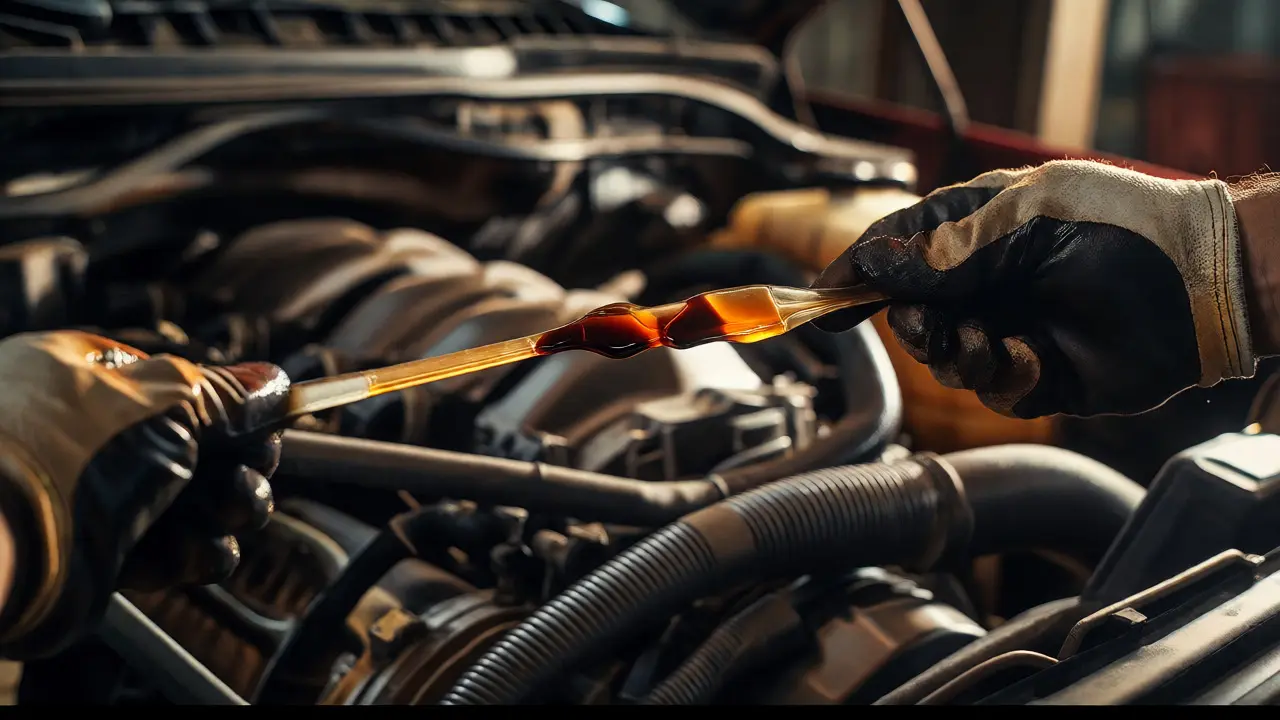
So, what should you do? Ignore the sticker on your door jamb if you tow regularly. Instead, adopt a condition-based approach. For gasoline engines, consider halving your oil change interval when towing frequently. For diesel engines, fuel filter changes become critical because modern high-pressure common rail systems are incredibly sensitive to contamination, which accelerates when the engine is under sustained load.
Transmission Fluid: The Heartbeat of Your Tow Rig
If there is one component you cannot neglect, it’s the transmission. Whether you have a Mercedes-Benz 7G-Tronic, a GM 10L90, or a Ford 10R140, these complex units rely on hydraulic pressure generated by specific fluid properties. Towing generates immense heat. Heat breaks down the additives in automatic transmission fluid (ATF) that protect against wear and maintain friction characteristics.
Once ATF loses its protective qualities, you start seeing shudder during shifts, delayed engagement, or worse, torque converter failure. A new transmission rebuild can cost between $3,000 and $6,000. An extra fluid change costs maybe $300. The math is simple.
| Condition | Standard Interval | Towing Interval | Reason |
|---|---|---|---|
| Light Towing (<5k lbs) | Every 30,000-60,000 miles | Every 25,000 miles | Moderate heat buildup; fluid degradation slows over time. |
| Heavy Towing (5k-10k lbs) | Every 30,000-60,000 miles | Every 15,000-20,000 miles | High heat cycles break down additives rapidly. |
| Extreme/Off-Road Towing | Every 30,000-60,000 miles | Every 10,000 miles | Dust ingress and extreme thermal stress require frequent flushing. |
Pro tip: Don’t just drain and fill. For heavy tow rigs, a complete flush using a machine that exchanges nearly all the old fluid is worth the extra cost. Also, check your transmission cooler lines. Are they routed through the radiator? That’s good. Do you have an auxiliary external cooler? Even better. If you don’t, and you tow heavy often, install one. It’s cheap insurance.
Cooling System Care Beyond the Basics
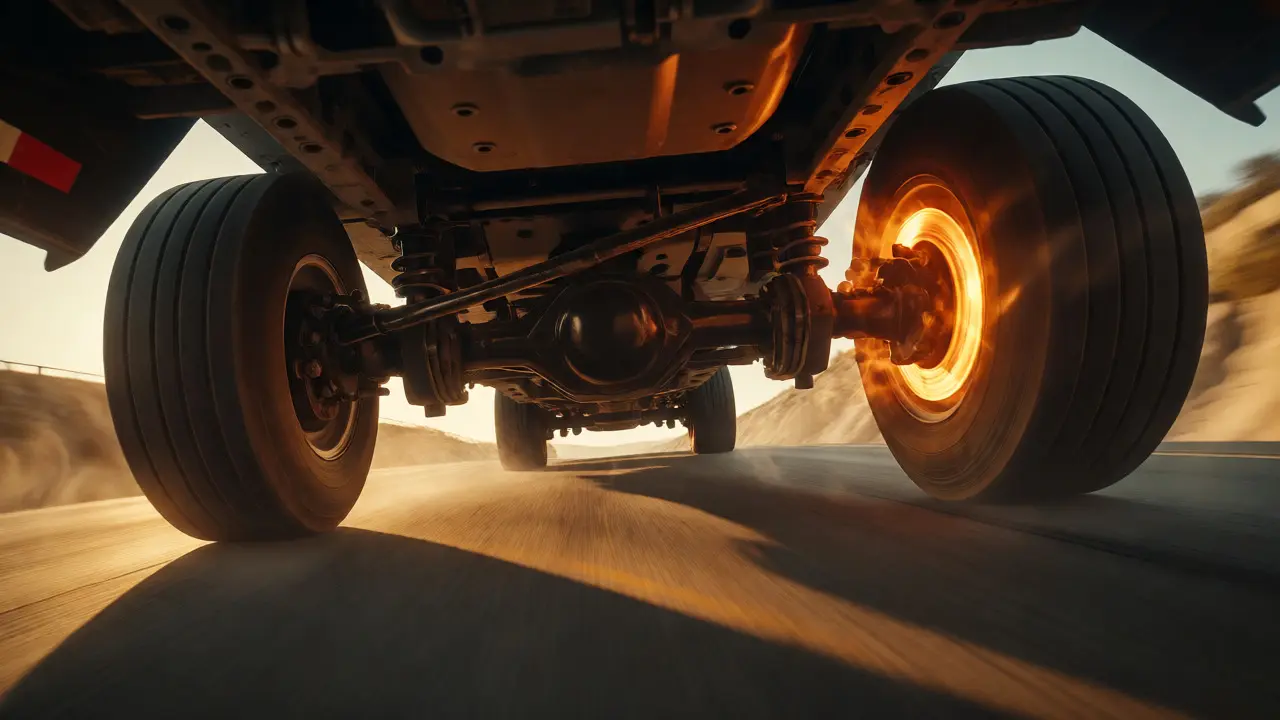
Your engine cooling system has to handle the heat from combustion plus the heat generated by working harder to move mass. Many owners overlook the intercooler (on turbocharged models) and the transmission cooler, assuming the main radiator does everything. It doesn’t.
Start by inspecting your coolant strength annually. Use a refractometer, not those cheap hydrometer testers that give false readings. Modern OAT (Organic Acid Technology) coolants lose their corrosion inhibitors over time, even if they still look green or orange. If the pH drops below 8.5, your water pump seals and aluminum components are at risk of electrolysis. Replace the coolant every two years or 30,000 miles if you tow heavily, regardless of mileage.
Next, clean the fins of your radiators. Not just the engine radiator, but the AC condenser and transmission cooler stacked behind it. Road grime, bugs, and dust create an insulating blanket that prevents airflow. You might think your fan is running constantly because it’s hot outside, but often it’s just clogged fins. Use a garden hose with a spray nozzle (not a pressure washer, which bends fins) to blow debris out from the inside out. This simple step can drop your operating temps by 10-15 degrees.
Brake Systems: Safety Under Load
Towing puts enormous strain on brakes. You’re stopping thousands of pounds more than the truck weighs. Factory brake pads are often designed for comfort and low noise, not maximum heat dissipation under heavy load. If you notice fading-where the pedal feels spongy or the truck takes longer to stop-you’re overheating your brakes.
Consider upgrading to semi-metallic or ceramic compound pads specifically rated for towing. These materials handle higher temperatures without glazing. Glazed pads lose their bite entirely. Also, inspect your brake rotors. Warped rotors cause vibration during braking, which is dangerous when you’re trying to stop a 15,000-pound rig. If you hear grinding or see deep scoring, replace them immediately.
- Check brake fluid moisture: Brake fluid is hygroscopic-it absorbs water. Water lowers the boiling point. If your fluid boils, you get vapor lock and no brakes. Test it every six months if you tow frequently.
- Lubricate slide pins: Dry caliper slides cause uneven pad wear. Grease them annually.
- Inspect electric brake controllers: Ensure your trailer brakes are engaging properly. Poorly adjusted trailer brakes force your truck brakes to do all the work.
Suspension and Drivetrain Stress Points
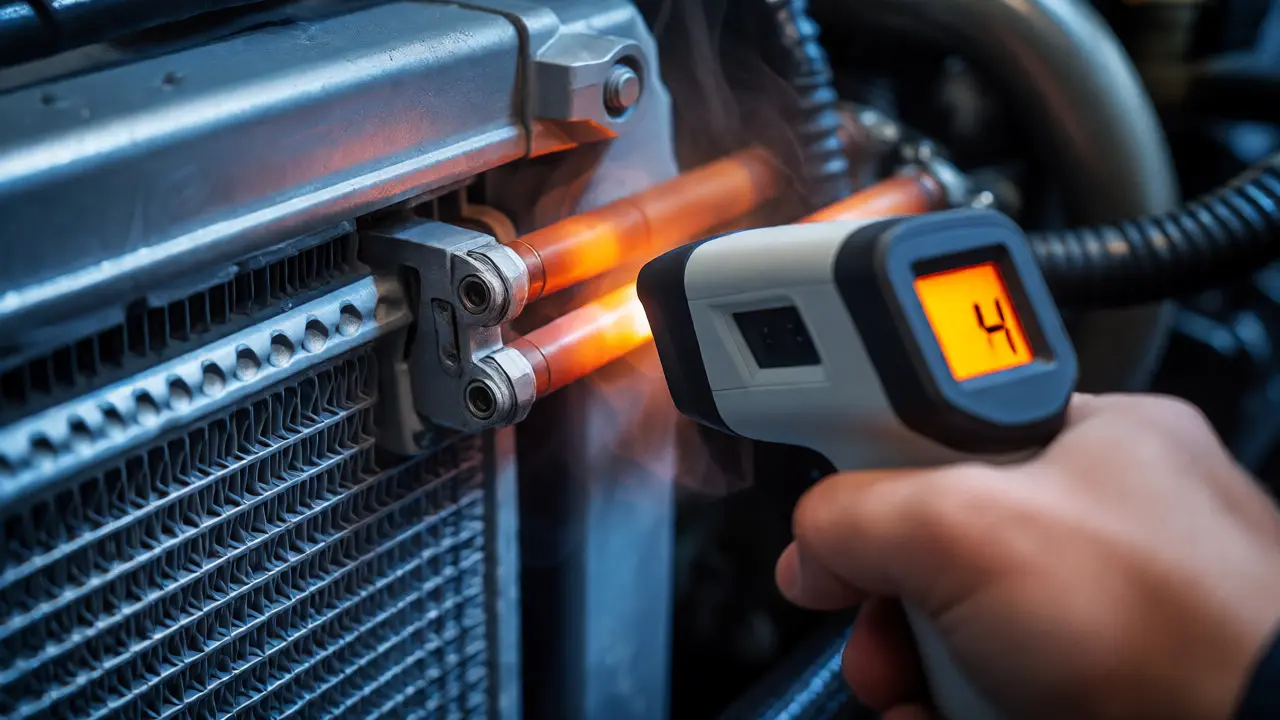
Heavy towing compresses your suspension permanently over time. Leaf springs sag. Shock absorbers blow out because they’re working overtime to control the oscillation of a heavy trailer. If your truck sits lower in the rear than it did when new, your alignment is off, and your tires are wearing unevenly.
For serious tow rigs, consider installing air helper springs or upgrading to heavier-duty leaf packs. This restores ride height and improves stability. More importantly, check your U-joints and CV boots regularly. Greasing U-joints is a ten-minute job that prevents catastrophic driveline failure. A blown U-joint while towing at 70 mph can tear out your driveshaft and damage your transfer case or transmission tail housing.
Don’t forget the wheel bearings. On older trucks or those with heavy loads, repacking wheel bearings with high-temp grease every 50,000 miles is crucial. Sealed hub assemblies on newer trucks are easier-they’re replaced as a unit-but they still fail under constant heavy load. Listen for humming noises that change pitch when you turn. That’s usually a bearing starting to go.
Electrical and Hookup Hygiene
It sounds trivial, but electrical issues cause more roadside breakdowns than mechanical failures for many towers. Corroded connectors cause dim lights, which leads to tickets, and poor ground connections cause erratic gauge behavior. Clean your 7-pin connector contacts with dielectric grease every few months. Check your battery terminals. Towing strains the alternator, especially if you have winches, lights, or inverters on the trailer. Ensure your battery is healthy and your charging system outputs proper voltage (13.8-14.4 volts) under load.
Also, verify your tire pressures before every trip. Trailer tires have different pressure requirements than truck tires. Under-inflated tires generate excessive heat and can blow out unexpectedly. Use a quality digital gauge, not the ones at gas stations which are notoriously inaccurate.
How often should I change my transmission fluid if I tow heavy?
If you tow heavy loads (over 5,000 lbs) regularly, you should change your transmission fluid every 15,000 to 20,000 miles. This is significantly shorter than the standard 30,000 to 60,000 mile intervals recommended for normal driving. Heat generated by towing degrades the fluid's protective additives much faster, leading to potential transmission failure if ignored.
Do I need an auxiliary transmission cooler for my pickup truck?
Yes, if you frequently tow near your truck's maximum capacity or drive in hilly terrain. While many modern trucks come with integrated coolers, an auxiliary external cooler provides additional surface area for heat dissipation, keeping transmission fluid temperatures within safe limits and extending the life of the transmission.
What is the best type of brake pad for heavy towing?
Semi-metallic or specialized ceramic compounds designed for high-performance towing are generally best. They offer superior heat resistance compared to standard organic pads, reducing the risk of brake fade and glazing when stopping heavy trailers repeatedly.
How does towing affect my oil change schedule?
Towing places the engine under higher stress and temperature, causing oil to degrade faster. For gasoline engines, cut your interval in half (e.g., every 5,000 miles instead of 10,000). For diesels, stick to manufacturer specs but monitor oil analysis reports, as soot loading can increase with heavy loads.
Should I upgrade my suspension for heavy towing?
If you notice significant rear-end sag or poor handling, yes. Upgrading to heavier-duty leaf springs, adding air helper springs, or replacing worn shocks improves stability, maintains proper headlight alignment, and reduces tire wear caused by negative camber changes under load.