
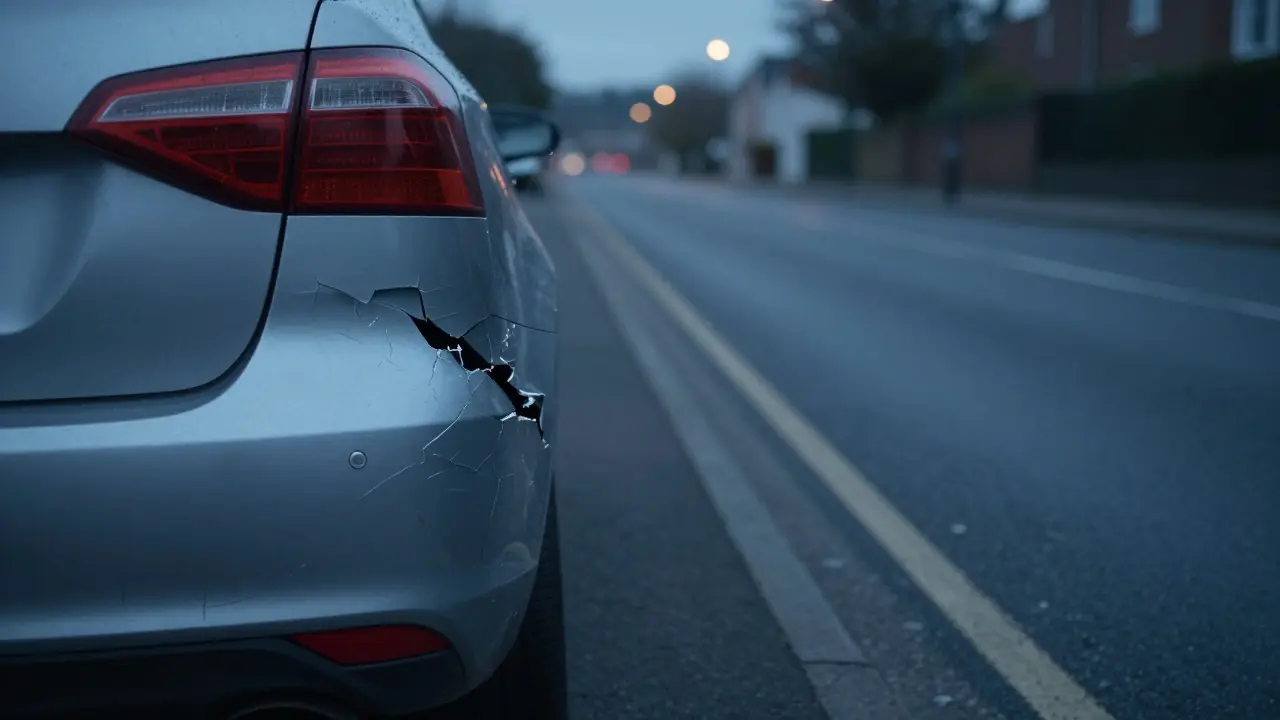
Imagine pulling away from a parking spot, only to hear a sharp crunch. You look over, but there’s no one there-just a dent on your bumper and an empty street. This isn’t just bad luck; it’s a hit-and-run accident, defined as a collision where the at-fault driver leaves the scene without identifying themselves or exchanging information. It is stressful, confusing, and often feels like you’ve been left with no recourse. But you haven’t.
If you are in the United Kingdom, specifically dealing with this in places like Bristol or elsewhere across the country, knowing exactly what your policy covers and how to report the incident correctly can make the difference between paying for repairs out of pocket and getting your vehicle fixed through your insurer. The process is specific, and missing a single step can complicate your claim significantly.
Understanding Hit-and-Run Coverage in the UK
The first thing you need to understand is that standard comprehensive insurance does not automatically cover hit-and-runs in the same way it covers accidents where both parties are present. In the UK, the landscape changed significantly with the introduction of the Motor Insurers' Bureau (MIB), which acts as the body responsible for compensating victims of uninsured or untraced drivers. If the driver who hit you cannot be found, your claim falls under the "Untraced Driver" scheme managed by the MIB.
However, accessing this compensation isn't automatic. Most insurers require you to have a specific add-on or clause in your policy known as "Uninsured Motorist Protection" or similar wording. Without this, you might find yourself denied coverage for property damage, although injury claims are generally protected under different legal frameworks. Always check your policy document for terms like "untraced driver" or "hit-and-run protection."
- Comprehensive Cover: Typically includes theft and fire, but hit-and-run damage may require the specific untraced driver extension.
- Third Party, Fire and Theft (TPFT): Usually does not cover damage to your own car in a hit-and-run scenario unless specified.
- MIB Compensation: Handles claims when the other driver is genuinely untraceable after police investigation.
Immediate Steps After a Hit-and-Run Incident
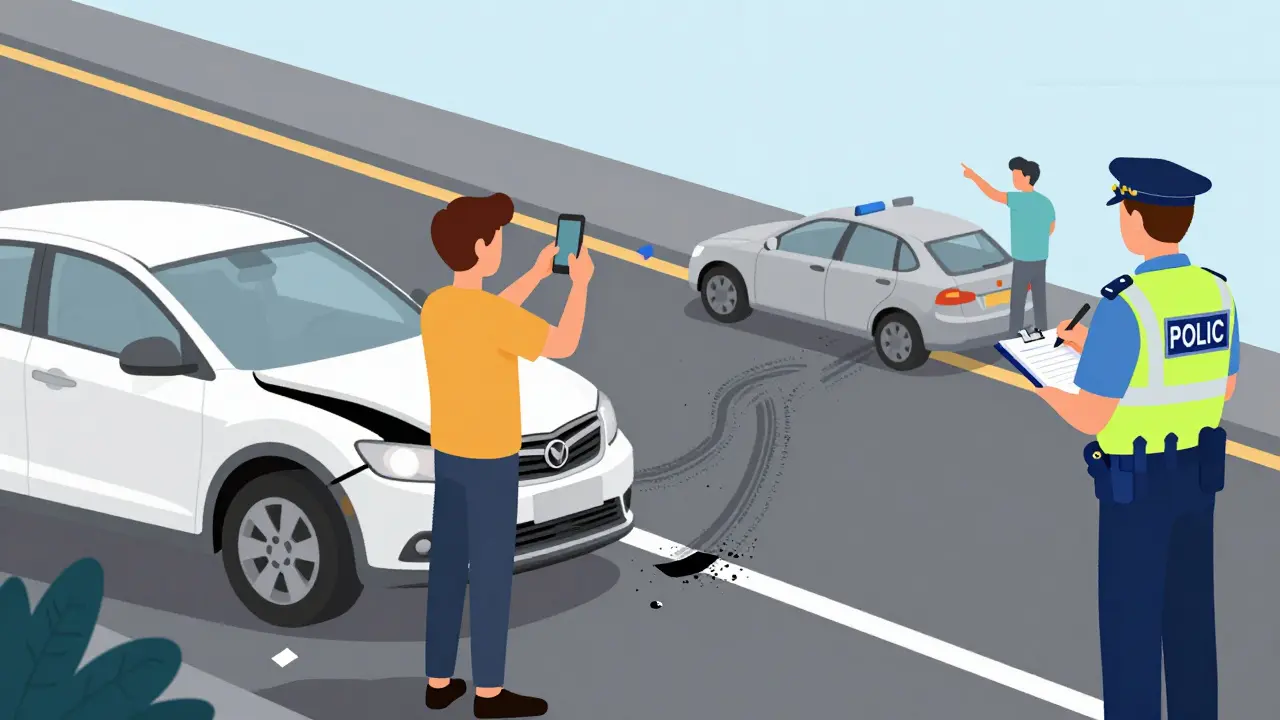
Your actions in the first hour after the incident determine the success of your claim. Panic is natural, but procedure is mandatory. Do not chase the vehicle if it has already left; this is dangerous and illegal. Instead, focus on gathering evidence and securing the scene.
- Check for Injuries: Ensure you and any passengers are safe. Call 999 immediately if anyone is hurt. Medical attention takes precedence over everything else.
- Call the Police: Dial 101 to report the crime. A hit-and-run is a criminal offense under the Road Traffic Act 1988, which mandates drivers must stop and provide details after an accident involving injury, death, or damage to property. Failure to stop is a serious offense.
- Gather Evidence: Take photos of the damage, your position, and the surrounding area. Look for skid marks, debris, or broken lights.
- Find Witnesses: Ask nearby pedestrians, shop owners, or other drivers if they saw anything. Get their contact details.
- Note Details: Write down the time, location, direction of travel, and any description of the vehicle (color, make, model, partial license plate).
Do not move your vehicle unless it is obstructing traffic and it is safe to do so. If you must move it, take photos first to show its original position. This visual evidence helps the police reconstruct the event.
Reporting the Incident to the Police
You might wonder if calling the police is worth the hassle. For hit-and-runs, it is non-negotiable. Your insurance company will likely refuse to process a claim for an untraced driver unless you have a police reference number. The police record creates an official trail that validates your story against potential fraud allegations.
When speaking to the officer, be clear and concise. State that the driver fled the scene. Provide all the evidence you gathered. If there are CCTV cameras nearby-traffic lights, shop doorbells, or private security cams-mention them. The police can request footage, but they usually need a formal reason to do so, which your report provides.
In Bristol, for example, many streets are covered by city-owned CCTV. Mentioning specific landmarks can help officers locate relevant footage quickly. Remember, the police are investigating a crime, not just an insurance dispute. Their involvement adds weight to your claim.
Filing an Insurance Claim
Once you have the police report, contact your insurer. Do this as soon as possible, ideally within 24 hours. Delaying notification can be seen as negligence and may void your policy. When you call, state clearly that it was a hit-and-run and that you have reported it to the police.
Your insurer will assign a claims handler. They will ask for:
- The police reference number.
- Photos of the damage.
- Witness statements.
- A description of the incident.
If your policy includes "uninsured motorist protection," your insurer may handle the repair directly, potentially writing off the vehicle if the cost exceeds a certain percentage of its value. If not, you may need to apply to the Motor Insurers' Bureau (MIB) directly. The MIB process is slower than dealing with your own insurer, often taking several months. Be prepared for this timeline.
Keep records of every communication. Email confirmations, dates of calls, and names of representatives are crucial. If your claim is denied, you will need this paper trail to appeal.
Common Pitfalls to Avoid
Many people make mistakes that undermine their claims. Here are the most common errors:
| Mistake | Consequence | How to Avoid |
|---|---|---|
| Failing to report to police | Claim rejected by insurer | Always call 101 and get a reference number |
| Not photographing the scene | Lack of evidence for damage extent | Take wide and close-up shots immediately |
| Delaying notification | Breach of policy terms | Contact insurer within 24 hours |
| Speculating about the driver | Confusing the investigation | Stick to facts observed, not guesses |
Another critical point: do not admit fault or speculate about what happened. Stick to the facts. If you say, "I think I might have backed into them," even if you didn't, it complicates the narrative. Say, "My car was stationary/moving slowly when it was struck by an unknown vehicle that then left the scene."
What If the Driver Is Found Later?
Sometimes, weeks or months later, the police identify the driver. This changes the dynamic entirely. If the driver is found, your claim shifts from an "untraced driver" case to a standard third-party liability claim. Your insurer will pursue recovery from the at-fault driver's insurance.
This is generally better for you. Standard claims are processed faster, and you may not have to pay an excess (deductible) if the other party is fully liable. However, you must cooperate with the police if they ask for further statements. Consistency is key-if your initial statement differs from a later one, it raises red flags.
Protecting Yourself Going Forward
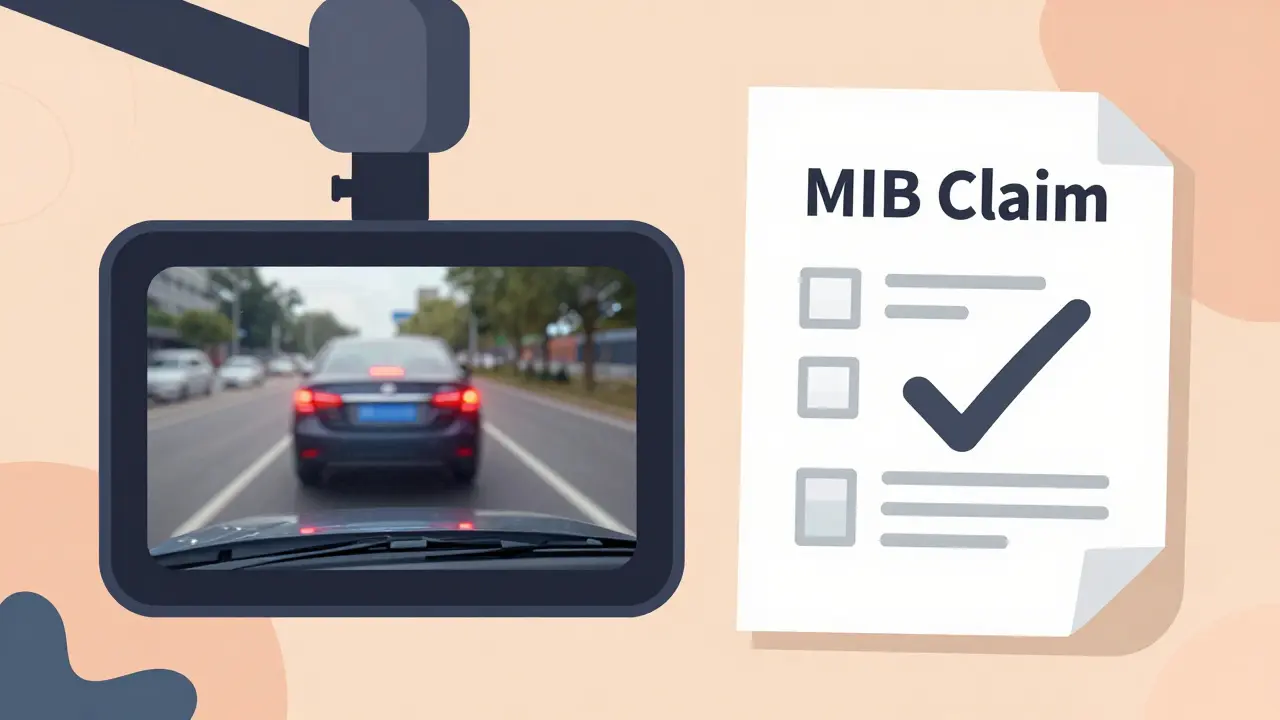
Prevention is difficult, but preparation is easy. Consider installing a dashcam. These devices record continuously and can capture license plates and directions of travel. In a hit-and-run scenario, a dashcam clip is gold dust for police and insurers. It removes doubt and speeds up the process.
Additionally, review your insurance policy annually. Ensure you have adequate coverage for untraced drivers. The extra premium is often small compared to the cost of repairs. If you drive in high-risk areas, such as busy urban centers with poor lighting, this coverage is essential.
Is it mandatory to report a hit-and-run to the police in the UK?
Yes. Under the Road Traffic Act 1988, you must report any accident involving injury or damage to property if the other driver fails to stop. Failing to report can lead to prosecution and invalidate your insurance claim.
Will my no-claims bonus be affected?
It depends on your insurer. Many companies offer "no-claims discount protection" for hit-and-runs, meaning your bonus remains intact. Check your policy terms before making a claim.
How long does the MIB claim process take?
The Motor Insurers' Bureau process can take several months, sometimes up to a year, depending on the complexity of the case and the availability of evidence. Patience is required.
Can I claim if I don't have uninsured motorist coverage?
If you lack specific coverage, you may still be able to claim personal injury compensation through the MIB. Property damage claims, however, are typically denied without the appropriate policy extension.
What if I have a dashcam but it didn't capture the license plate?
Even partial footage is valuable. It can show the vehicle's color, make, model, and direction of travel. This helps narrow down suspects and supports your credibility with the police and insurer.