
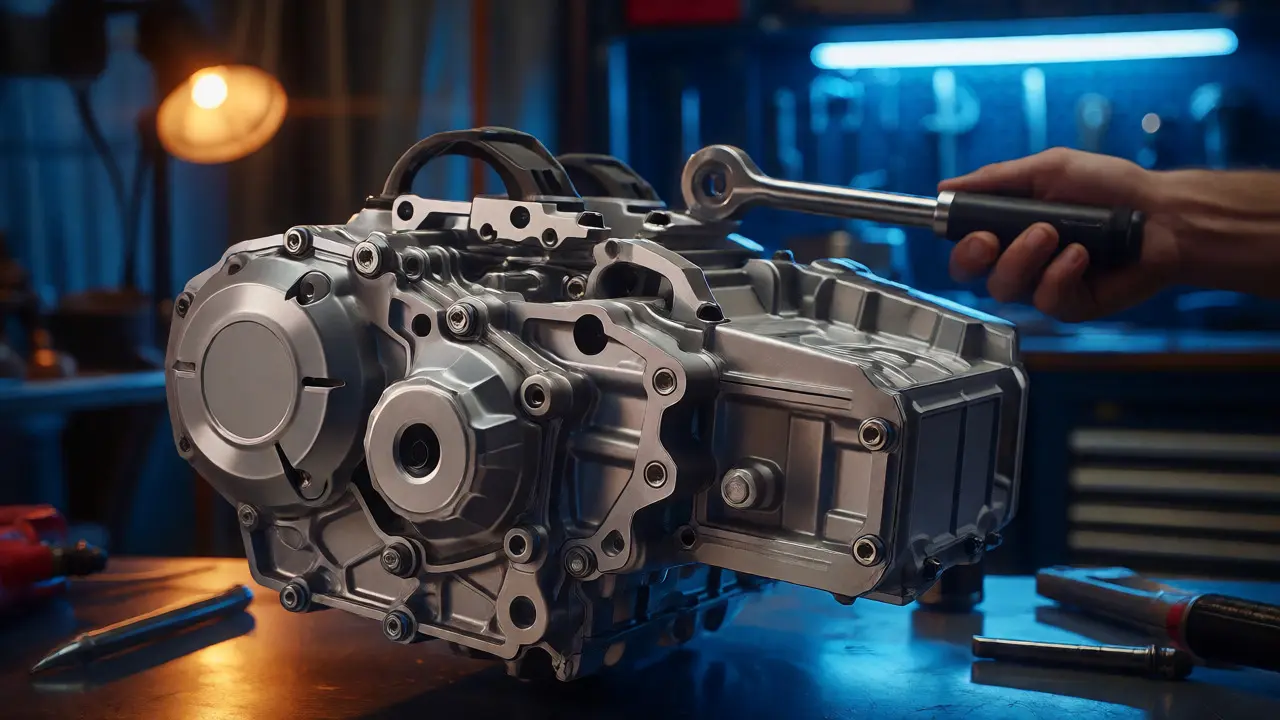
You buy a motorcycle for the thrill, but you keep it because it doesn't leave you stranded on the side of the road at 2 AM in the rain. That’s the unspoken contract with Honda. While other brands chase niche engineering quirks or premium badge prestige, Honda has spent decades perfecting the art of "it just works." If you are looking at the used market or building your first garage, understanding why this Japanese giant dominates sales charts isn't about marketing hype-it's about mechanical consistency.
The Engineering Philosophy Behind the Reliability
Why does a Honda engine feel different from a Ducati or a Harley-Davidson? It comes down to tolerance and material science. Honda prioritizes tight manufacturing tolerances across their entire lineup, from the $5,000 Rebel to the $16,000 Gold Wing. This means parts fit together precisely, reducing vibration and wear over thousands of miles. You aren't paying for exotic materials like titanium valves in every model; you're paying for steel that lasts longer than it should.
Consider the dual-clutch transmission (DCT) found in many modern Hondas. Initially met with skepticism by purists who prefer manual gearboxes, DCT systems have proven incredibly durable in real-world conditions. They shift faster than a human can, reduce rider fatigue in traffic, and eliminate clutch plate wear entirely. It is a prime example of Honda solving a problem-rider exhaustion-rather than just adding complexity for its own sake.
Decoding the Model Lineup: Which One Fits Your Life?
Honda segments its bikes into clear categories, making it easier to choose based on your actual riding habits rather than fantasy. Here is how the main families stack up against each other in terms of utility and fun.
| Model Family | Primary Use Case | Engine Type | Reliability Rating | Best For |
|---|---|---|---|---|
| Civic Series (CB/CBR) | Commuting & Sport | Inline-4 or Single-Cylinder | High | New riders and daily commuters needing low maintenance. |
| Rebel Series | Cruising & City | V-Twin | Very High | Shorter riders and those wanting a relaxed, customizable vibe. |
| Africa Twin | Adventure Touring | Parallel-Twin | High | Long-distance travelers who want off-road capability. |
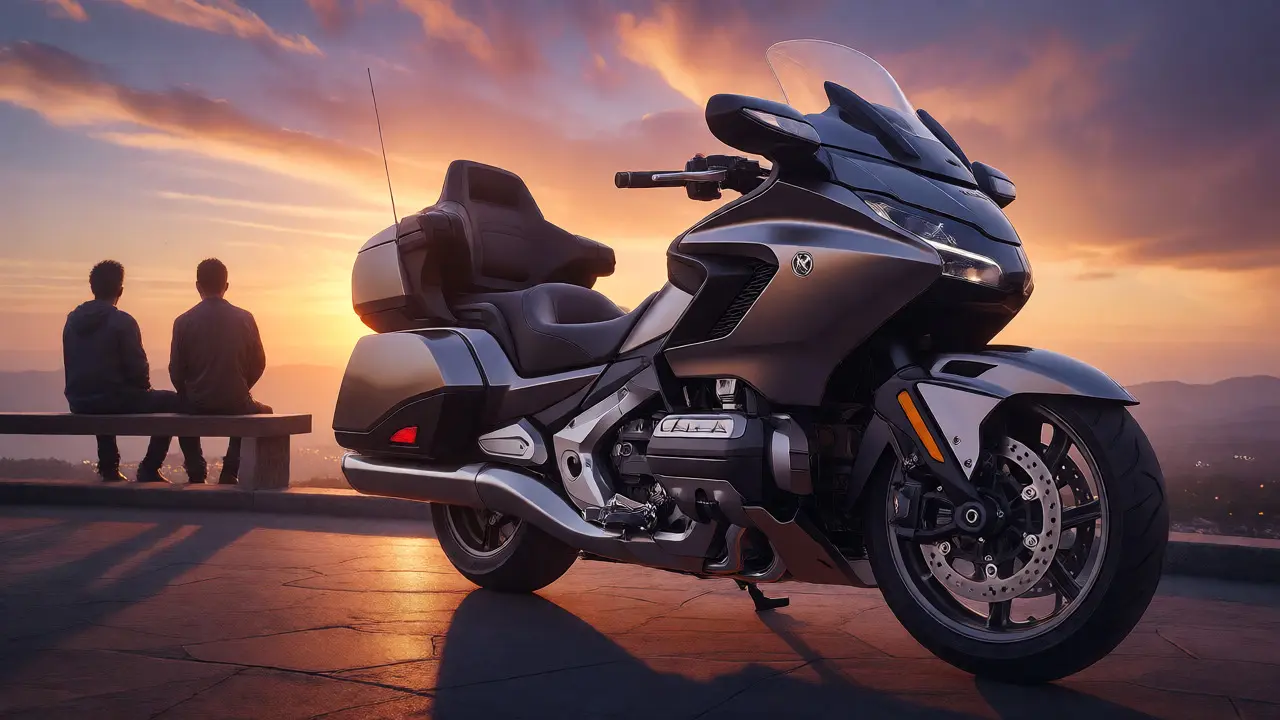
| Gold Wing | Luxury Touring | Flat-Six | Exceptional | Riders covering 500+ miles per day in maximum comfort. |
The Commuter Kings: CB500F and CBR500R
If you live in a city like Bristol, where traffic jams are frequent and parking is tight, the 500-series twins are unbeatable. They use a parallel-twin engine that produces enough power to keep up with highway traffic but sips fuel like a moped. Maintenance costs are rock bottom. An oil change might cost you £40 if you do it yourself, and brake pads last forever because you aren't pushing the bike to its limits every day.
The Adventure Choice: Africa Twin
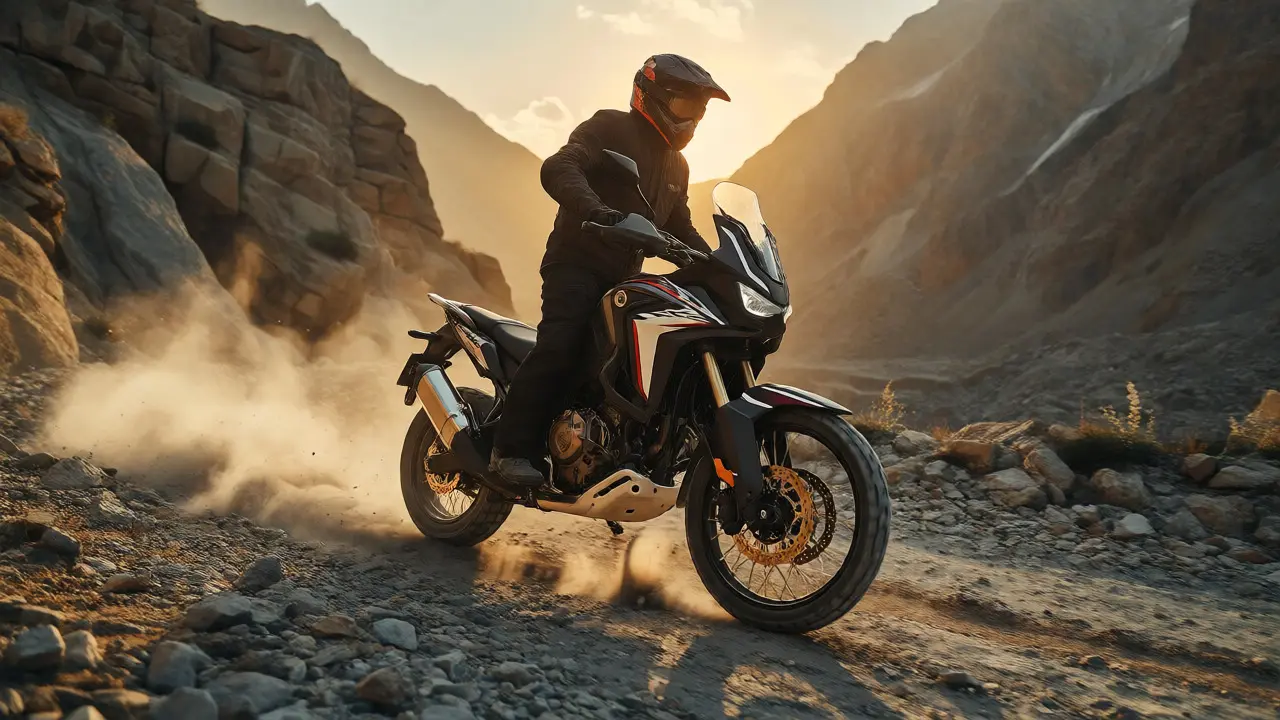
The CRF1100L Africa Twin changed the adventure touring game when it launched. Unlike bulky competitors, it remains surprisingly light. The 1084cc parallel-twin engine delivers torque smoothly, which is crucial when you are standing up on rough gravel roads. Riders often report hitting 200,000 miles on these engines with nothing more than routine servicing. That kind of longevity makes them a smart financial choice if you plan to keep the bike for a decade.
Performance Range: From Mopeds to Mile-Munchers
Honda doesn't just make reliable bikes; they cover the entire spectrum of performance needs. You don't need to compromise between power and practicality as much as you think.
On the lower end, the Monkey 125 offers nostalgic charm with modern EFI reliability. It’s not fast, but it’s bulletproof. On the higher end, the Fireblade SP pushes into superbike territory. Yet, even here, Honda tunes the power delivery to be linear. You won't get the violent jerkiness of some Italian bikes at low RPMs. This linear power band makes high-performance Hondas safer for intermediate riders who want speed without losing control mid-corner.
Electric mobility is also entering the chat. The EM1 e: electric scooter proves Honda can translate its reliability ethos to new tech. With a removable battery system, you avoid the range anxiety of early EVs. It’s quiet, zero-emission, and requires almost no maintenance beyond tire pressure checks.
Maintenance Realities: What Actually Goes Wrong?
No machine is perfect, and pretending otherwise is dishonest. However, Honda failures are usually minor compared to catastrophic breakdowns seen elsewhere. Common issues tend to be cosmetic or electronic glitches rather than mechanical failures.
- Corrosion: In wet climates like the UK, exhaust headers and chain guards can rust if not cleaned regularly. Waxing the frame helps prevent this.
- Sensor Issues: Older models sometimes suffer from faulty O2 sensors or ABS warning lights due to moisture ingress. Cleaning connectors often fixes this cheaply.
- Clutch Slippage: Rare, but possible on heavily modified sportbikes if the wrong oil type was used. Always stick to JASO MA rated oils.
Parts availability is another massive plus. Because Honda sells millions of units globally, finding a replacement part online or at a local dealer is rarely a headache. Wait times for custom-order parts from smaller brands can stretch to months; with Honda, it’s often days.
Resale Value: The Financial Advantage
Here is a number that matters: depreciation. A new Honda motorcycle typically loses value slower than its European counterparts. Why? Because buyers trust the brand. When you go to sell your five-year-old CB650R, there is a deep pool of interested buyers who know exactly what they are getting. They aren't gambling on whether the gearbox will hold up. This confidence keeps prices stable, meaning you lose less money over the ownership period.
Check listings on major classified sites. You will notice well-maintained Hondas command near-book prices, while neglected equivalents from other brands drop sharply. Buyers factor in potential repair costs, and with Honda, that risk is minimal.
Buying Used: A Checklist for Smart Shoppers
If you are hunting for a second-hand Honda, don't just look at the mileage. Look at the history. Ask for service records. A bike with 30,000 miles and full logs is better than one with 10,000 miles and no receipts.
- Inspect the Chain and Sprockets: Replace if teeth are hooked. This indicates poor maintenance.
- Check for Leaks: Look under the engine case. Dry seals mean the previous owner cared.
- Test the Electronics: Cycle through all modes. Check dash lights for errors.
- Ride It Cold: Listen for rattles during startup. Honda engines should start smooth and idle steady.
Avoid bikes that have been dropped excessively unless the damage is purely cosmetic. Frame alignment issues are hard to spot and expensive to fix.
Final Thoughts on Ownership Experience
Owning a Honda isn't about showing off. It’s about freedom. Freedom from worrying about whether your bike will start tomorrow. Freedom to take long trips without packing a spare alternator. Whether you choose the rugged Rebel or the sophisticated Gold Wing, you are buying peace of mind wrapped in metal. And in the world of motorcycling, that is the most valuable feature you can get.
Are Honda motorcycles good for beginners?
Yes, Honda is widely considered the best brand for beginners. Models like the CB500F and Rebel 500 offer manageable power, upright seating positions, and forgiving handling. Their reliability also means new riders spend less time in workshops learning mechanics and more time riding.
Which Honda motorcycle has the highest resale value?
The Honda Gold Wing and the Africa Twin typically hold their value best. Limited edition models and well-maintained CBR600RRs also retain strong resale prices due to high demand and perceived durability among used buyers.
How often do I need to service a Honda bike?
Most Honda motorcycles require an oil change every 6,000 to 7,500 miles, depending on the model. Valve adjustments are typically needed every 15,000 to 24,000 miles. Always check your specific owner's manual, as newer models with extended service intervals may differ.
Is the Honda DCT transmission reliable?
Yes, Honda's Dual Clutch Transmission is highly reliable. Since it uses computer-controlled actuators rather than a manual clutch cable, there are fewer wear items. Many owners report no issues after tens of thousands of miles, provided regular fluid changes are performed.
What is the most affordable reliable Honda motorcycle?
The Honda Grom 125 and the older CB500 series are among the most affordable options with proven reliability. Used Rebel 300s also offer excellent value, combining a robust V-twin engine with low purchase prices and cheap parts.
Comments
SHANNON GRUBER
It's just marketing fluff disguised as engineering philosophy. You're paying for the logo not the machine because any Japanese bike with tight tolerances works fine.
October 21, 2026 at 00:12
Tommy Cahyadi
Sure, because nothing screams "adventure" like a bike that doesn't break down when you actually want to ride it into the mud. I'll stick with my manual clutch and the thrill of stalling at stoplights, thanks.
October 22, 2026 at 09:51
Liam Whelan
I totally get where yall are coming from but honestly reliability is overrated if u dont feel connected to the mech 😅
I had a Ducati years ago and yeah it broke every other week but man did i love fixing it lol. Its like a relationship with high maintenance but amazing chemistry 🏍️💔
October 22, 2026 at 15:56
Anthony .
There is a profound truth in choosing a tool that serves you rather than one you serve. Honda represents freedom from the anxiety of mechanical failure, which allows the rider to truly be present on the road. 🌿🧘♂️ It’s not about being boring; it’s about having the mental space to enjoy the journey without worrying about the next breakdown. That peace of mind is worth more than any badge prestige or exotic sound. We often confuse complexity with quality, but simplicity is the ultimate sophistication. When your bike just starts, you start riding. And isn't that the whole point? To move, to breathe, to exist in motion without the shadow of uncertainty hanging over you? ❤️✨
October 22, 2026 at 17:40
Ejike Ugwu
You think this is coincidence? Nah. The big oil companies love Hondas because they don't leak weird fluids that mess up their synthetic oil sales metrics. If everyone rode Harleys, we'd need more specialty oils and filters, keeping the economy churning. Honda makes bikes so efficient they almost make fuel obsolete, which scares the suits. They keep the DCT simple because complex transmissions require proprietary fluids that cost a fortune. It's all controlled obsolescence hidden behind 'reliability' branding. Wake up sheeple, your Gold Wing is just a rolling billboard for corporate stability.
October 24, 2026 at 03:26
Kathleen Johnson
The assertion regarding resale value ignores the depreciation curve of entry-level models. While the Gold Wing holds value, the CB500 series suffers from oversaturation in the used market, driving prices down significantly within three years. Furthermore, the claim about DCT durability overlooks the expensive repair costs associated with actuator failures, which can exceed $1,500 out of warranty. This financial risk is rarely factored into the initial purchase decision by novice riders who assume 'Honda' equals 'cheap maintenance.' The data suggests otherwise for specific model lines.
October 24, 2026 at 17:32
jyotshna Senapati
Oh please, spare me the lecture on 'peace of mind.' Real men deal with problems. If your bike doesn't try to kill you at least once a year, are you even living? These people buying Rebels probably wear cargo shorts and drink lukewarm beer while complaining about the wind noise. It’s pathetic how much they pay to be comfortable. I saw a guy on a Grom yesterday trying to look tough in a suit. It was tragic. Truly tragic. We should all be ashamed of our softness.
October 26, 2026 at 11:17
Sundaraiah Kollipara
i wonder if the psychological effect of knowing your bike will start changes how you ride
if you trust the machine do you push harder or relax more
it seems like reliability creates a different kind of confidence than raw power does
maybe thats why some riders hate them because it removes the excuse for bad riding
or maybe its just that people like drama in their hobbies
hard to say really
October 28, 2026 at 10:51
Kathy Mccoy
This is such a helpful breakdown! For anyone hesitating between brands, remember that your time is valuable too. Spending weekends in the garage is fun, but spending them on the road is better. Start small, pick the bike that fits your life now, and let it grow with you. You've got this! 💪🏍️
October 30, 2026 at 01:44
Marisa Marroquin
The prose here is as smooth as a well-oiled piston, yet it fails to capture the visceral, thunderous soul of a V-twin at idle. One must consider the aesthetic joy of a Harley, even if it leaks oil onto one's pristine driveway like a slow, dark tear. Reliability is a virtue for accountants, not poets. A motorcycle should sing, sputter, and occasionally swear at its owner. To reduce it to mere mechanical consistency is to strip it of its romantic essence, leaving only a cold, efficient shell devoid of character. It is a tragedy of modern engineering, indeed.
October 31, 2026 at 14:06
Brad Walker
We are trapped in a matrix of comfort. We buy these bikes because we are afraid of the chaos of the universe. A breakdown is a reminder that we are mortal. A Honda is a lie we tell ourselves that we have control. But the road always wins eventually. The rain always comes. The engine always stops. We just pretend it won't happen today. 🎭🌧️
November 1, 2026 at 13:13