
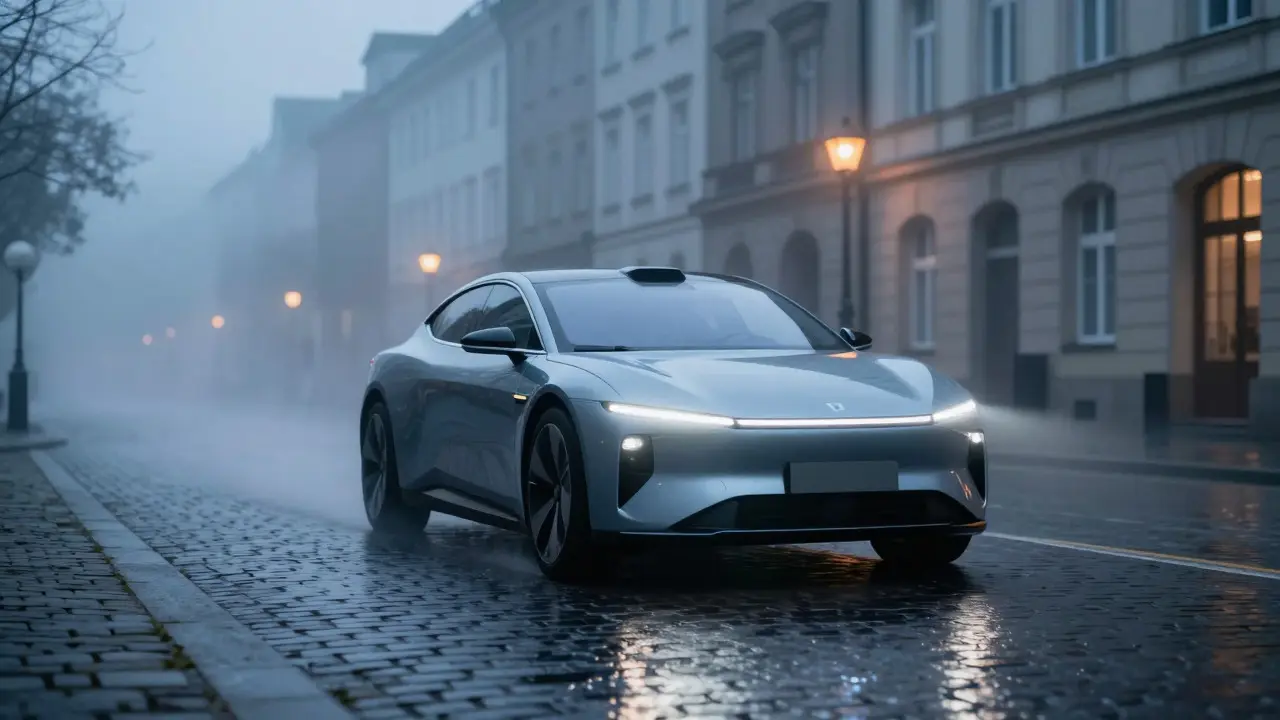
The landscape of the global automotive industry has shifted beneath our feet. Just a few years ago, European and American automakers dictated the pace of electrification. Today, Chinese EV brands are not just participants; they are setting the standard for cost, technology, and speed. As we move through 2026, the question is no longer whether these manufacturers will succeed globally, but how quickly they will displace legacy incumbents.
If you look at the streets of London, Berlin, or even parts of North America, you see a different reality than five years ago. The influx of affordable, high-tech electric vehicles from China has forced traditional giants to rethink their entire business models. This isn't a slow trickle; it's a flood. Understanding this shift requires looking beyond simple sales figures into the structural advantages these companies hold and the defensive measures being erected by Western governments.
The Scale Advantage: Why Cost Matters More Than Ever
At the heart of the Chinese advantage is vertical integration. Unlike many Western competitors who rely on complex supply chains spanning multiple continents, companies like BYD (Build Your Dreams) control everything from lithium mining to battery cell production and final assembly. This allows them to cut costs drastically. In 2025, BYD surpassed Tesla as the world’s largest seller of pure electric vehicles, a milestone that signaled a change in guard.
The cost structure difference is stark. A mid-range SUV from a Chinese manufacturer might sell for $25,000 in Europe, while a comparable model from a German brand often exceeds $45,000. This price gap exists because Chinese firms have access to raw materials at lower costs and benefit from massive domestic economies of scale. They produce millions of units annually, spreading fixed costs over a larger base. For consumers, this means better value. For legacy automakers, it means margin compression that threatens profitability.
- Battery Dominance: China controls over 60% of global battery manufacturing capacity.
- Raw Material Processing: Approximately 80% of the world's rare earth elements are processed in China.
- Production Speed: New models can go from concept to showroom in 18-24 months, compared to 3-5 years for traditional OEMs.
Key Players Redefining the Market
While BYD grabs headlines, the ecosystem is diverse. Several other brands are carving out specific niches with aggressive expansion strategies. NIO a premium EV maker known for its battery-swapping technology has focused on high-end luxury experiences, targeting affluent buyers in Europe and Asia. Their approach includes extensive service networks and battery-as-a-service subscriptions, reducing upfront costs for customers.
Meanwhile, Xpeng an EV manufacturer specializing in autonomous driving software has positioned itself as the tech-forward option, competing directly with Tesla on software capabilities and AI integration. Xpeng’s partnerships with local manufacturers in Saudi Arabia and Brazil show a strategy of licensing technology when direct entry faces regulatory hurdles.
We cannot overlook Geely parent company of Volvo and Polestar. By acquiring established Western brands, Geely has bypassed some trade barriers while leveraging Chinese engineering efficiencies. This dual-brand strategy allows them to compete in both mass-market and premium segments simultaneously.
| Brand | Primary Focus | Key Technology | Global Strategy |
|---|---|---|---|
| BYD | Mass Market & Commercial | Blade Battery (LFP) | Direct Export & Local Assembly |
| NIO | Premium Luxury | Battery Swapping | Service-Centric Expansion |
| Xpeng | Tech & Autonomous Driving | AI Software Stack | Technology Licensing |
| Geely | Diverse Portfolio | SEA Architecture | Acquisition & Dual Branding |
The Trade War: Tariffs and Protectionism
The success of Chinese EVs has triggered a fierce political response. In 2024 and 2025, the European Union and the United States imposed significant tariffs on imported Chinese electric vehicles. The EU introduced provisional duties ranging from 17% to 38%, while the US maintained a 100% tariff rate under the Inflation Reduction Act framework. These measures were designed to protect domestic industries and level the playing field.
However, tariffs have not stopped the momentum. Instead, they have accelerated a new strategy: localization. Rather than exporting finished cars from Shanghai, Chinese manufacturers are building factories within target markets. BYD opened its first European plant in Hungary in early 2025, aiming to serve the EU market without triggering import duties. Similarly, MG (owned by SAIC) expanded production in the UK and Thailand, creating regional hubs that mitigate trade risks.
This shift creates a complex dynamic. On one hand, local manufacturing brings jobs and investment to host countries. On the other hand, critics argue that state subsidies in China still give these companies an unfair advantage, even if the cars are assembled locally. The debate continues in Brussels and Washington, with potential adjustments to subsidy rules on the horizon for late 2026.
Technological Leapfrogging: Beyond Hardware
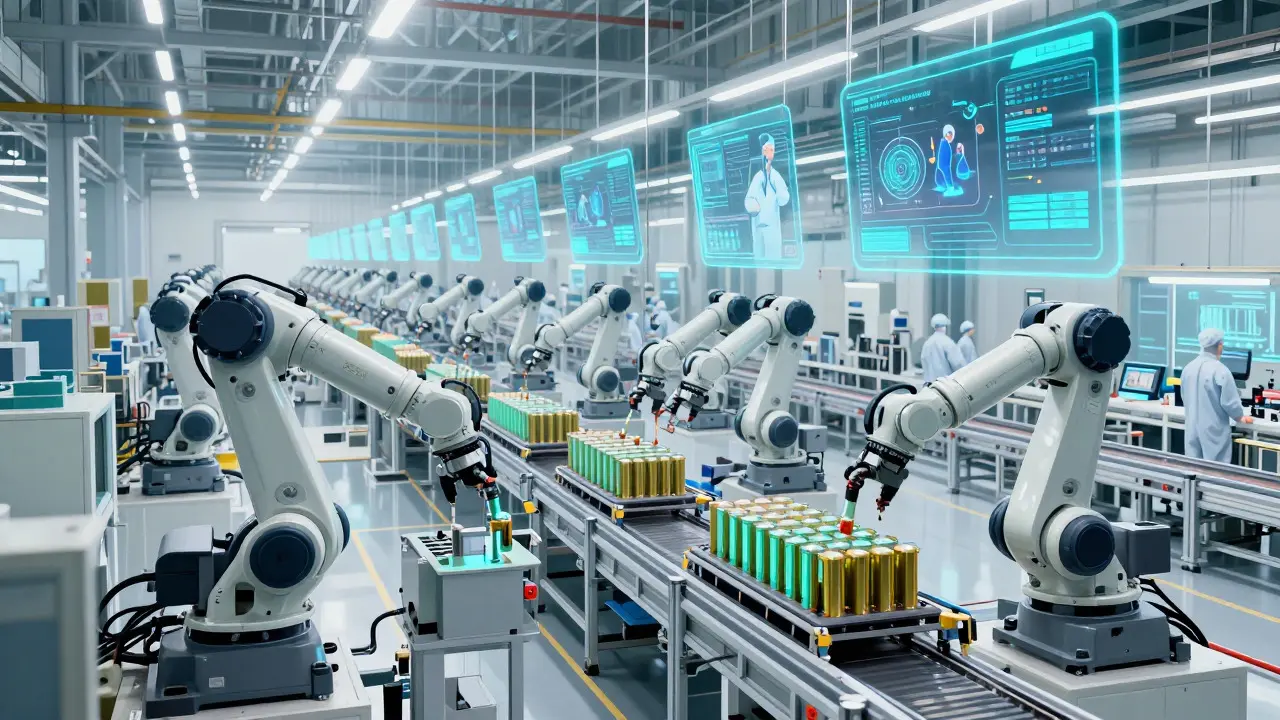
It is easy to focus on price, but the real threat to legacy automakers lies in software and user experience. Chinese EVs are essentially smartphones on wheels. They feature advanced infotainment systems, over-the-air updates, and integrated digital ecosystems that connect seamlessly with users' lives. Huawei a tech giant partnering with several auto makers has become a critical player here, providing HarmonyOS-based cockpit systems that rival Apple CarPlay in sophistication.
Legacy brands struggle to match this agility. Their software stacks are often built on older architectures, making updates slow and buggy. Meanwhile, Chinese firms iterate weekly. If a driver reports a glitch in the navigation system, a fix can be deployed overnight. This responsiveness builds customer loyalty and creates a data flywheel: more users generate more data, which improves algorithms, which attracts more users.
Autonomous driving is another frontier. While Tesla leads in North America, Chinese companies like Baidu and XPeng are testing Level 4 autonomy in dense urban environments across China. These tests occur in some of the most challenging traffic conditions in the world, providing invaluable training data for AI models. By 2026, robotaxi services powered by Chinese tech are becoming common in cities like Shenzhen and Hangzhou, offering a glimpse of future mobility solutions.
Consumer Perception and Brand Trust
A major hurdle remains: brand perception. For decades, "Made in China" carried connotations of low quality. That stereotype is fading rapidly, but trust takes time to build. Surveys in Europe show that while consumers appreciate the value proposition of Chinese EVs, concerns about after-sales support and long-term reliability persist.
To address this, brands are investing heavily in dealer networks and warranty programs. NIO, for example, offers comprehensive roadside assistance and loaner cars during repairs. BYD has partnered with established distributors to leverage existing relationships. These efforts aim to reassure buyers that buying a Chinese EV does not mean sacrificing service quality.
Cultural nuances also play a role. In Southeast Asia, where brands like Wuling dominate, affordability is king. In Europe, design and sustainability credentials matter more. Chinese manufacturers are adapting their marketing messages accordingly, highlighting carbon-neutral factories and ethical sourcing practices to appeal to environmentally conscious buyers.
What Legacy Automakers Must Do Next
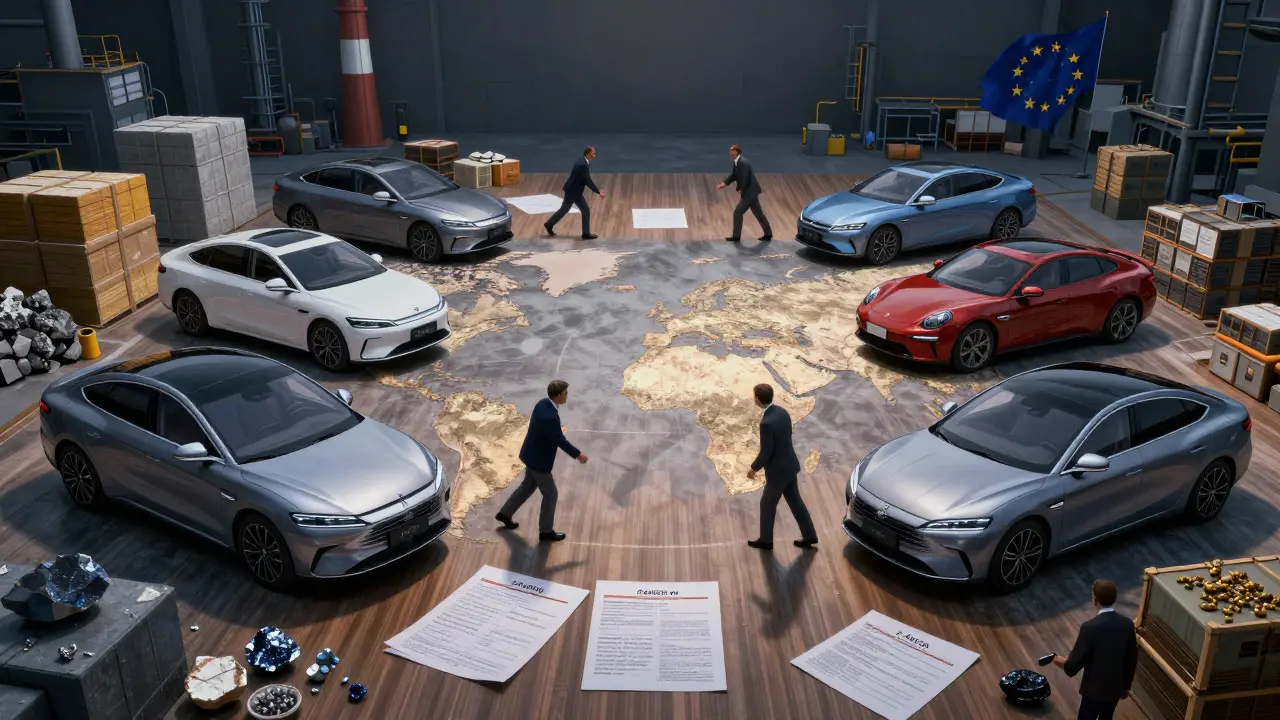
Traditional carmakers are not sitting idle. Volkswagen has invested billions in joint ventures with XPeng and Great Wall Motor. BMW has formed a partnership with CATL for battery development. These alliances reflect a pragmatic recognition: collaboration may be necessary to survive.
However, internal transformation is equally critical. Legacy firms must streamline decision-making processes, reduce bureaucracy, and empower software teams. They need to adopt agile methodologies similar to those used in tech startups. Without cultural change, technological upgrades alone will not suffice.
Cost reduction is non-negotiable. Platforms must be shared across brands, suppliers renegotiated, and production lines optimized for efficiency. Some analysts predict consolidation in the industry, with weaker players exiting or merging. The next three years will likely see a reshuffling of market shares, with only the most adaptable surviving.
Looking Ahead: The 2027 Horizon
As we look toward 2027, several trends will define the competitive landscape. First, solid-state batteries promise higher energy density and faster charging. Companies like QuantumScape and Solid Power are racing to commercialize this technology, but Chinese firms are also close behind. Whoever cracks this code first will gain a significant edge.
Second, the rise of subscription models will change ownership patterns. Instead of buying a car outright, consumers may pay monthly fees for access to features like enhanced autopilot or premium sound systems. This recurring revenue stream appeals to investors and provides steady cash flow for manufacturers.
Finally, geopolitical tensions will continue to shape trade flows. Expect more bilateral agreements, localized supply chains, and possibly further restrictions on data sharing between regions. Navigating this complexity requires strategic foresight and flexibility.
Which Chinese EV brand is selling the most cars globally?
In 2025 and continuing into 2026, BYD has emerged as the top seller of pure electric vehicles worldwide, surpassing Tesla. Its dominance stems from vertical integration, offering a wide range of models from budget-friendly hatchbacks to luxury SUVs, all powered by its proprietary Blade Battery technology.
Are Chinese EVs cheaper than European ones?
Yes, significantly. Due to lower production costs, efficient supply chains, and government subsidies, Chinese EVs often retail for 20-40% less than comparable European models. For instance, a mid-range Chinese SUV might cost €25,000, while a similar German-made vehicle could exceed €45,000.
How are tariffs affecting Chinese EV exports to Europe?
The EU's additional tariffs of up to 38% have made direct exports less profitable. In response, Chinese manufacturers are shifting to local production. BYD, for example, built a factory in Hungary to serve the European market, thereby avoiding import duties and complying with local content requirements.
Is it safe to buy a Chinese EV in terms of software updates?
Generally, yes. Chinese EVs are known for frequent over-the-air (OTA) updates that improve performance and add features. However, some Western regulators have raised concerns about data privacy and cybersecurity. Most major brands now store user data locally within the EU or US to comply with regulations like GDPR.
Will legacy automakers lose market share to Chinese brands?
Market share erosion is already happening, particularly in the mass-market segment. Legacy automakers are responding by forming joint ventures and accelerating their own electrification plans. However, without drastic cost-cutting and software improvements, they risk losing significant ground in key growth markets like Asia and South America.