
Modifying your car can make it feel like yours in a way a factory model never could. But if you ever plan to sell it, those custom wheels, loud exhaust, or neon underglow might cost you thousands. The truth is simple: not all upgrades add value. Some even make your car harder to sell.
What aftermarket parts actually boost resale value?
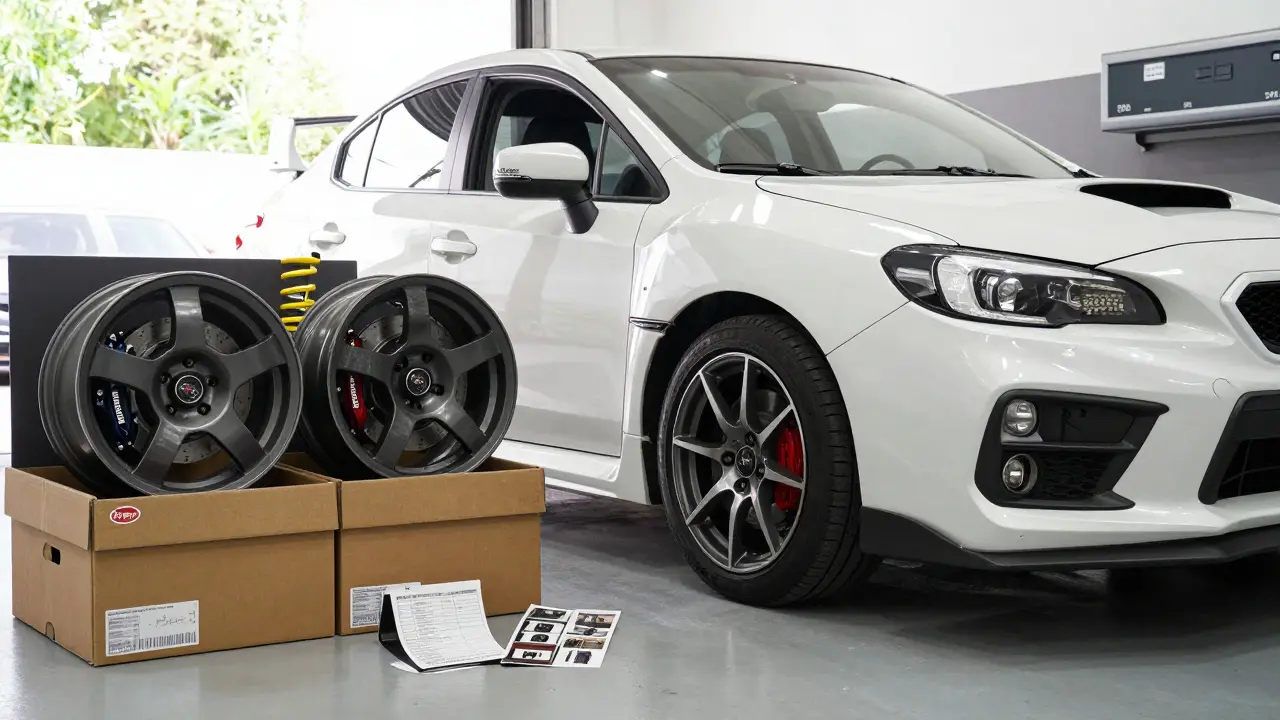
Not every modification is a money pit. Some upgrades are seen as improvements by buyers, especially if they’re high-quality, factory-backed, or widely accepted in the market. For example, performance brakes from Brembo or EBC, upgraded suspension kits from KW or Eibach, and factory-approved performance chips from companies like Revo or APR often carry value. These aren’t just flashy add-ons-they solve real problems like braking distance or handling instability.
Even things like OEM-style LED headlights or factory-matched alloy wheels can help. Buyers notice when parts look like they came from the dealership, not a discount online store. A 2024 CarGurus survey found that cars with factory-approved performance parts sold 8-12% faster than stock models in the same condition. That’s not because buyers want more power-it’s because they trust the work was done right.
Think of it this way: if you’re replacing worn-out parts with better versions, that’s an investment. If you’re adding things that don’t improve function or safety, you’re just personalizing.
What customizations hurt resale value the most?
Some mods are instant red flags for buyers. Loud exhaust systems that violate noise ordinances? They’re a headache for the next owner. Neon underglow? In the UK, it’s illegal on public roads and a sign the car was driven more for show than use. Extreme body kits that don’t match factory tolerances? They often create gaps, rust points, or alignment issues.
Paint jobs are tricky. A professional, high-end wrap or custom color from a reputable shop might hold value if it’s tasteful. But a cheap spray job, mismatched panels, or a bright pink matte finish? You’re likely losing 15-25% of your car’s value. Buyers don’t want to repaint or remove it-they want to drive it away.
Interior mods are another landmine. Racing seats without proper mounting, aftermarket steering wheels without airbag compatibility, or removed factory audio systems? These aren’t just inconvenient-they’re safety risks. Insurance companies and inspectors flag them. In the UK, a modified airbag system can void your MOT certificate. That’s not something you can ignore.
Why do dealers hate modified cars?
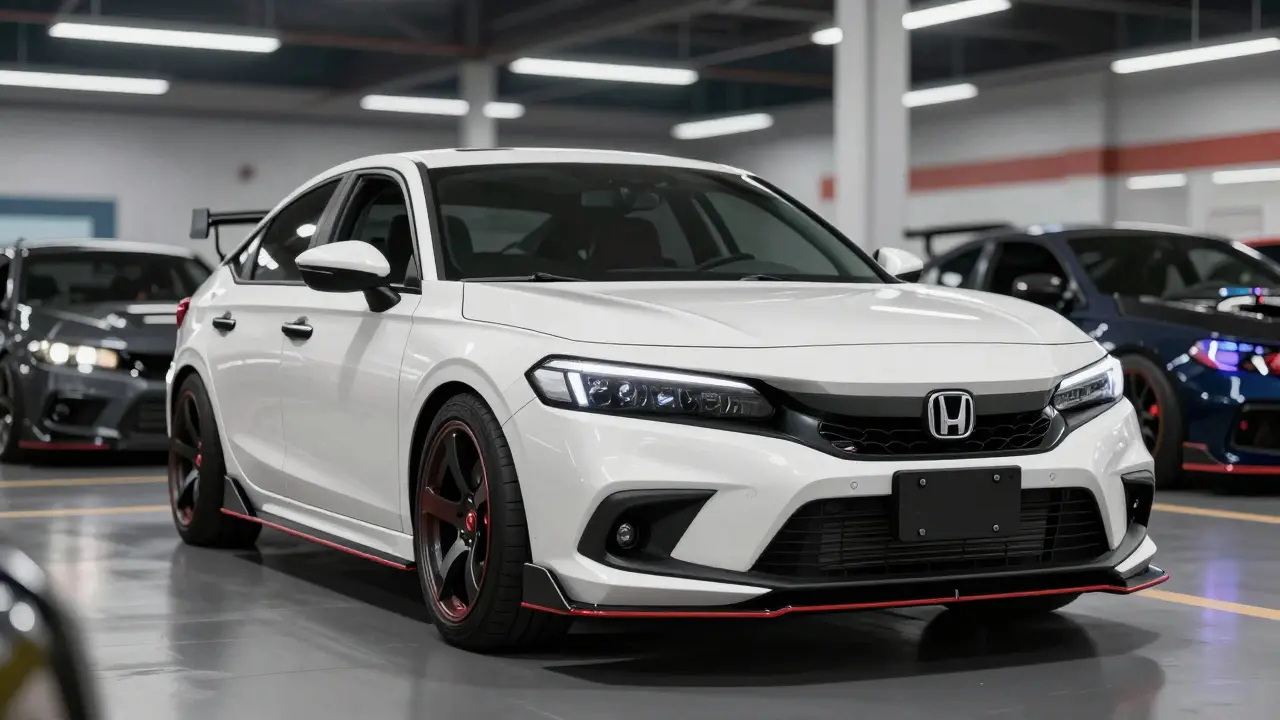
Dealers don’t avoid modified cars because they’re “weird.” They avoid them because they’re unpredictable. A stock Honda Civic with 60,000 miles has a clear market value. A modified one? No two are alike. One has a cold air intake, another has a tuned ECU, another has lifted suspension. Each change requires extra inspection, appraisal time, and risk assessment.
For dealers, it’s easier to buy and sell cars that look and perform the same. A modified car sits on the lot longer. That costs money-storage, insurance, advertising. So they lowball you. A 2023 study by AutoTrader UK found that modified cars received offers 18-30% lower than identical stock models, even when the mods were high-quality.
Even if you’re selling privately, most buyers aren’t enthusiasts. They’re families, commuters, first-time owners. They want reliability, not a project. And if they’re financing, lenders often refuse to appraise heavily modified vehicles. That cuts your buyer pool in half.
How to modify without killing resale value
You don’t have to leave your car stock to protect its value. Here’s how to tweak it smartly:
- Stick to OEM+ parts. Use parts designed to fit like factory equipment-like BMW’s M Performance kit or Toyota’s TRD accessories. These are made for the model and won’t cause fitment issues.
- Keep original parts. Save every stock component: wheels, exhaust, seats, audio unit. Put them in a box with receipts. When you sell, you can offer the car “as modified or stock.” Buyers love options.
- Focus on reliability upgrades. Replace old brake pads with ceramic ones, swap in a better coolant pump, install a high-flow air filter. These aren’t flashy, but they extend the car’s life and show care.
- Avoid irreversible changes. Don’t cut, weld, or permanently alter the chassis, wiring, or body. You can’t undo those. A removable spoiler? Fine. A custom fiberglass hood glued on? Not so much.
- Document everything. Take photos before and after. Keep receipts. Write down who installed what and why. A well-documented mod history builds trust.
One owner in Bristol upgraded his Subaru WRX with a Cobb Accessport tuner and a cat-back exhaust from Invidia. He kept the stock exhaust and original wheels in the trunk. When he sold it, he offered both versions. He got £2,000 more than a similar car with no mods-and sold it in 11 days.
When does customization pay off?
There are exceptions. If your car is rare, collectible, or has a strong enthusiast community, mods can increase value. Think of a first-gen Mazda MX-5 Miata with a period-correct turbo kit, or a Nissan Skyline GT-R with factory R34 upgrades. In those cases, authenticity and historical accuracy matter more than stock status.
But even then, it’s not about adding power. It’s about preserving the car’s legacy. A 1995 BMW E36 M3 with a correct S50 engine swap and OEM carbon fiber trim? That’s valuable. A 1995 E36 with a 500hp V8 swap and a giant rear wing? That’s a novelty-and most collectors won’t touch it.
Know your market. If you’re in a city with a strong tuner scene, like Bristol or Manchester, a tasteful mod might attract buyers. But if you’re selling in a rural area or to a general audience, keep it clean.

What to do if you already modified your car
If your car already has mods you’re unsure about, here’s what to do before selling:
- Remove loud exhausts and replace them with stock ones.
- Take off body kits that don’t fit cleanly or have visible gaps.
- Reinstall factory seats and steering wheels if you replaced them.
- Wash off any underglow or LED decals.
- Get a professional detail job-cleaning matters more than you think.
- Be honest in the listing. Say “some mods installed, all stock parts included.”
Don’t hide modifications. Buyers will find them. And if they find out you tried to conceal them, they’ll walk away-or offer even less.
Final takeaway: It’s about balance
Customization isn’t the enemy of resale value. Poorly chosen, poorly installed, or unnecessary mods are. The goal isn’t to make your car look like a movie prop-it’s to make it better, safer, and more enjoyable to drive, without making it a liability for the next owner.
Think of your car like a home. You can repaint the kitchen or install a better boiler. But you wouldn’t rip out the plumbing to install a hot tub in the living room. Same logic applies.
Resale value isn’t about how loud or flashy your car is. It’s about how easy it is for someone else to love it, too.
Do aftermarket parts void my car’s warranty?
Not necessarily. Under the Magnuson-Moss Warranty Act in the US and similar consumer protections in the UK, manufacturers can’t void your entire warranty just because you installed aftermarket parts. They can only deny coverage for problems directly caused by the modification. For example, if you install a turbocharger and the engine blows, they can refuse to cover the engine-but they still have to cover unrelated issues like the radio or air conditioning. Always keep receipts and installation records.
Can I get insurance for a modified car?
Yes, but you must declare all modifications to your insurer. Failure to do so can void your policy. Some insurers specialize in modified cars, like Adrian Flux or Performance Direct in the UK. Expect higher premiums, especially for performance upgrades. A simple alloy wheel swap might add 5-10% to your premium. A tuned ECU or lowered suspension could raise it by 30-50%. Always get quotes before installing major mods.
Do modified cars fail MOT tests?
They can. The MOT checks for safety, emissions, and roadworthiness. If your exhaust is too loud, your lights are illegal, your suspension is dangerously low, or your wheels don’t fit properly, you’ll fail. Even something as small as a non-standard number plate font can cause a failure. Always check that your mods meet UK road regulations before your test.
Is it better to sell a modified car privately or to a dealer?
Privately, almost always. Dealers offer lowball prices because they don’t want the hassle. Private buyers who care about mods are more likely to pay a premium-if you present the car well. Use clear photos, list the mods honestly, and mention that stock parts are included. Platforms like PistonHeads or Facebook car groups in the UK attract serious buyers who understand modifications.
How much value do aftermarket wheels add?
It depends. Factory-style alloy wheels from reputable brands like BBS, OZ, or Enkei can add 5-10% to resale value if they’re in good condition and match the car’s model. Cheap, oversized, or poorly fitted wheels? They subtract value. Buyers assume you’ll need to replace them with proper ones. Always include your original wheels when selling.
If you’re thinking of modifying your car, start with small, reversible changes. Keep your receipts. Keep your stock parts. And remember-what makes your car special might not make it valuable to someone else.
Comments
sonny dirgantara
my buddy put neon lights on his civic and got pulled over three times in one week. cops just love that stuff.
January 24, 2026 at 21:37
Andrew Nashaat
Let me just say this-anyone who thinks a 'tasteful' body kit doesn't scream 'I spent my rent money on this' is delusional. And don't even get me started on 'OEM+'-half the time it's just a cheap eBay knockoff with a sticker that says 'BMW M Performance.' Please. If you can't afford the real thing, don't pretend you did. And yes, I've seen the receipts. They're all the same.
January 25, 2026 at 10:48
Gina Grub
UK MOT fails on underglow? Please. The real tragedy is how dealerships treat modified cars like they're radioactive. I had a friend sell a perfectly tuned E46 with factory-spec upgrades and got offered £4k less than a stock version. The system is rigged. It's not about value-it's about control. They want everyone driving the same beige box. And if you dare to personalize? You're the problem.
January 25, 2026 at 13:58
Nathan Jimerson
Great breakdown. Small upgrades that improve reliability are always worth it. Keep the originals, document everything, and you’ll thank yourself later.
January 26, 2026 at 01:30
Sandy Pan
It's funny how we treat cars like they're extensions of our identity, but then get mad when the market doesn't value that identity. We want to be unique, but we also want to be paid for it. There's a tension there-between self-expression and capitalism. Maybe the real question isn't 'how to keep value' but 'why do we care so much about resale value at all?'
Is the car a tool? A toy? A status symbol? Or just a thing we drive until it breaks? We change the car to reflect who we are-but then act surprised when someone else doesn't see it the same way.
January 26, 2026 at 10:52
Eric Etienne
Bro, you spent 3k on a catback exhaust and now you're surprised no one wants it? Dude, it's a car, not a rock concert. Just sell it stock. Save yourself the headache.
January 26, 2026 at 18:34
Dylan Rodriquez
I love how this post balances realism with empathy. You don't have to be a purist to respect the next owner's experience. Modifying your car isn't wrong-it's just a responsibility. If you're going to change it, do it with intention, not impulse. And always, always keep the originals. That’s not just smart selling-it’s just good stewardship.
January 27, 2026 at 15:47
Amanda Ablan
One thing I’ve learned from selling three modified cars: people appreciate honesty more than perfection. If you say ‘I swapped the wheels but kept the originals in the garage’-that’s way more trustworthy than pretending it’s stock. Buyers aren’t dumb. They just want to know what they’re getting.
And if you’re worried about the price? Focus on presentation. Clean it up. Take good photos. List the mods clearly. You’ll attract the right buyer, not just the highest bidder.
January 28, 2026 at 20:13
Meredith Howard
The concept of resale value as a metric for personal expression raises interesting sociological questions regarding consumer autonomy and market conformity. The automobile, as a cultural artifact, functions both as utility and as semiotic signifier. When modifications deviate from standardized norms, they introduce uncertainty into the valuation algorithm of institutional actors such as dealerships and financial institutions. This phenomenon reflects broader patterns of commodification and homogenization within late capitalist systems
January 29, 2026 at 23:03
Yashwanth Gouravajjula
In India, modified cars are rare. Most people just want reliable transport. But when someone does mod, they go all out-big rims, loud speakers, fake carbon fiber. No one cares about resale. They just want to show off.
January 30, 2026 at 10:47
Kevin Hagerty
Oh wow someone actually wrote a 2000 word essay on why your neon lights are bad. Congrats. You win the internet. Now go touch grass. And maybe fix your spelling. 'OEM+'? Really? You think that's a real term? Sounds like a marketing scam invented by a guy who sells 'performance' air filters on Amazon.
January 31, 2026 at 13:50
Janiss McCamish
Keep the stock parts. That’s the golden rule. I sold my WRX with the original wheels, exhaust, and seats in the trunk. Got 12% over market. Buyers love options. Simple as that.
February 1, 2026 at 06:20
Richard H
Who cares what some UK dealer thinks? We don't live there. If you want to make your car loud and fast, do it. America doesn't bow to regulations. You want to drive a beast? Drive a beast. Don't let some bureaucrat tell you what's 'respectable.'
February 2, 2026 at 16:49
Kendall Storey
Love this. Real talk: mods that improve safety and reliability? Always good. Mods that make your car look like a Fast & Furious reject? Not so much. And yes, keeping stock parts is the ultimate flex. It shows you know what you're doing. Not just throwing parts on because it looks cool.
February 4, 2026 at 15:05
Ashton Strong
Thank you for this thoughtful and comprehensive guide. It is rare to encounter such a balanced perspective on automotive personalization. Your emphasis on documentation, reversibility, and respect for the next owner reflects a level of maturity and responsibility that should be commended. I will be sharing this with my automotive club.
February 6, 2026 at 02:37